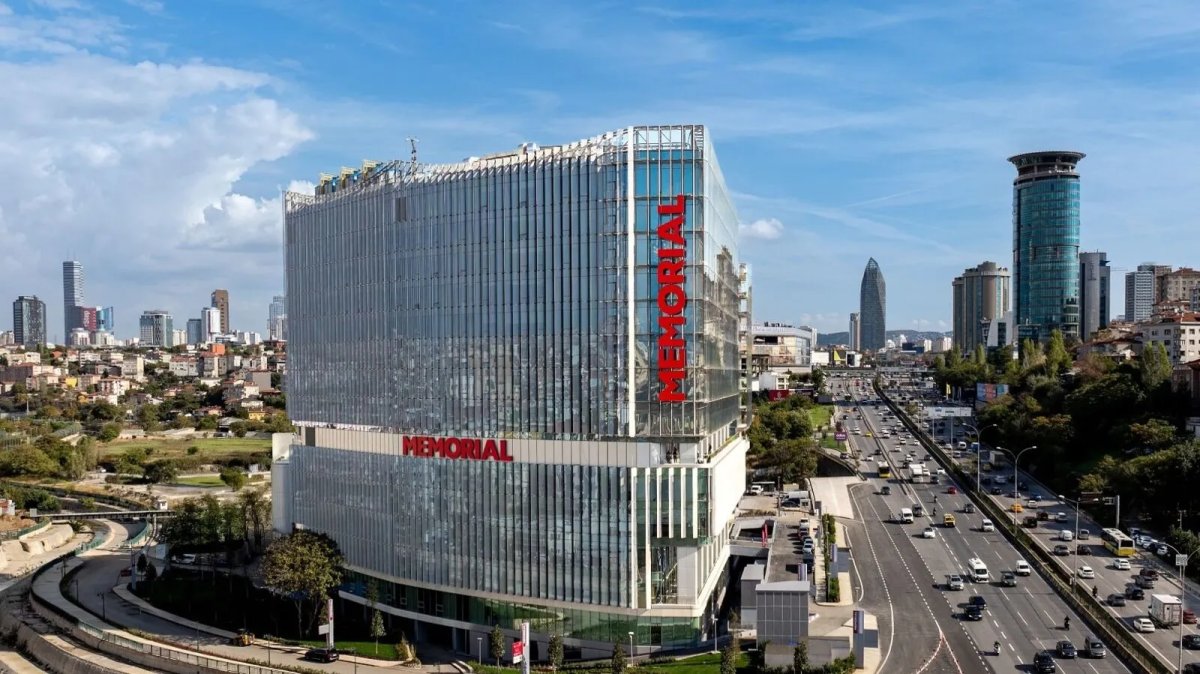
Memorial Göztepe Hospital
Turquía, Estambul


Revisado médicamente por
Fahad Mawlood
| España | Turquía | México | |
|---|---|---|---|
| Cirugía de recubrimiento de cadera | ≈ $10,500 | ≈ $8,500 | ≈ $14,500 |

El Dr. Halil Can Gemalmaz es profesor de ortopedia y traumatología en Estambul. Es pionero en Turquía en procedimientos ortopédicos 3D específicos para cada paciente. El Dr. Gemalmaz se especializa en reemplazos articulares asistidos por robot para rodilla y cadera. Actualmente es miembro de la facultad de Medicina de la Universidad Atlas.

El Dr. Murat Kezer es un cirujano ortopédico experimentado, especializado en reconstrucción articular, artroplastia y lesiones deportivas. Ha realizado formación avanzada en reemplazo total y parcial de rodilla y cadera con MAKO. Desde 2002, ha asistido a más de 20 congresos y cursos nacionales e internacionales.
El Dr. Kezer es miembro de la Asociación Médica Turca, la Asociación de Artroplastia de Cadera y Rodilla, el Congreso Internacional de Reconstrucción Articular y la Sociedad
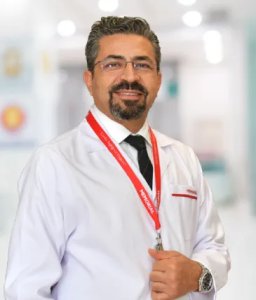
El Dr. Mehmet Aydogan es especialista en Ortopedia, Traumatología y Cirugía de Columna en el Hospital Memorial Şişli. Trabajó en Cirugía de Columna allí entre 2024 y 2025 y desde 2026 se desempeña en Ortopedia. Anteriormente dirigió el Centro de Cirugía Ortopédica, Traumatología y Cirugía Avanzada de Columna en el Hospital Emsey (2018–2022). Su experiencia incluye el EUROSPINE Surgical Spine Center of Excellence en Suiza (2022–2024) y una beca de investigación en el UCLA Comprehensive Spine C
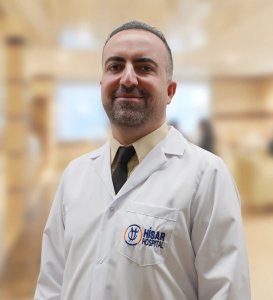
El profesor asociado Dr. Servet İğrek es especialista en Ortopedia y Traumatología formado en la Universidad de Marmara. Ejerce en el Hospital Estatal Selahaddin Eyyubi de Diyarbakır y en el Hospital de la Ciudad Kartal Dr. Lütfi Kırdar.
Se centra en las lesiones deportivas y la cirugía artroscópica. Tiene amplia experiencia en artroscopia de rodilla, hombro, cadera y tobillo; cirugía ligamentaria y meniscal; inestabilidad del hombro; lesiones del cartílago; artroplastia; y trauma orto
 Olena Sikoza
Turquía ofrece soluciones avanzadas para la artrosis de cadera que van desde terapias conservadoras hasta cirugía asistida por robot. Los tratamientos principales incluyen el reemplazo total de cadera, intervenciones artroscópicas y terapias regenerativas como inyecciones de plasma rico en plaquetas (PRP). Los hospitales acreditados por la JCI en Estambul y Bursa utilizan estándares clínicos estadounidenses para manejar eficazmente las enfermedades articulares degenerativas.
Perspectiva del experto de Bookimed: Los datos muestran que los especialistas ortopédicos turcos a menudo tienen volúmenes quirúrgicos excepcionales. Por ejemplo, el Dr. Murat Kezer y el Prof. Dr. Ibrahim Azboy se formaron en las mejores instituciones de EE. UU. como el Hospital for Special Surgery. Esta experiencia de alto volumen e
Las tasas de éxito del reemplazo de cadera en las clínicas turcas alcanzan del 95% al 99%. Estos resultados superan los estándares internacionales gracias a la precisión especializada asistida por robot y la experiencia de los cirujanos de alto volumen. Los procedimientos que involucran prótesis de cerámica o polietileno suelen durar más de 20 años. Las instalaciones mantienen la acreditación de la Joint Commission International para garantizar la seguridad.
Perspectiva del experto de Bookimed: Los datos muestran que los principales centros de Turquía, como el Hospital Hisar o el Centro Médico Anadolu, atienden hasta 500,000 pacientes internacionales anualmente. Este volumen masivo crea un patrón único. Los cirujanos a menudo poseen múltiples becas de EE. UU. en instituciones como el Rothman Institute
Turquía ofrece reemplazos de cadera robóticos de última generación utilizando sistemas avanzados como MAKO para el tratamiento de la osteoartritis. Los centros ortopédicos especializados en Estambul y Bursa utilizan la planificación específica para el paciente en 3D. Los pacientes internacionales acceden a instalaciones acreditadas por la JCI con cirujanos formados en instituciones estadounidenses prestigiosas como el Rothman Institute.
Perspectiva del experto de Bookimed: Si bien muchos creen que los sistemas robóticos son idénticos, la experiencia ortopédica turca está altamente concentrada. El Dr. Murat Kezer y el Prof. Ibrahim Azboy completaron becas en el Rothman Institute. Este antecedente de formación específica en Filadelfia es una señal de calidad confiable al elegir
Planifique una estancia de 14 a 21 días en Turquía para un proceso de reemplazo de cadera seguro. Los pacientes suelen pasar de 2 a 3 noches en un hospital acreditado por la JCI. Debe permanecer en el lugar durante 10 a 14 días para realizar controles de heridas, extracción de drenajes y fisioterapia antes de volar.
Perspectiva del experto de Bookimed: Las señales de calidad en Turquía a menudo se correlacionan con un alto volumen de pacientes y afiliaciones académicas especializadas. El Anadolu Medical Center, por ejemplo, está afiliado a Johns Hopkins y atiende a 65,000 pacientes anualmente. Elegir centros de gran volumen garantiza que los cirujanos mantengan la destreza manual necesaria para reemplazos de cadera complejos, asistidos por robot o específicos para el paciente en 3D.
Consenso de los pacientes: M
Para verificar la calidad ortopédica en Turquía, verifique la acreditación de la Joint Commission International (JCI) y el registro en el Ministerio de Salud de Turquía. Confirme que los cirujanos sean miembros de la Sociedad Turca de Ortopedia y Traumatología (TOTBID). Los especialistas líderes a menudo poseen becas internacionales de instituciones como el Hospital for Special Surgery.
Perspectiva del experto de Bookimed: Los datos muestran una alta concentración de experiencia en Estambul, donde hospitales como el Hisar Hospital Intercontinental atienden a 250,000 pacientes anualmente. Si bien muchas clínicas anuncian una excelencia general, la señal de calidad más confiable es la formación específica del cirujano en reemplazo de cadera asistido por robot. El Dr. Murat Kezer y el Prof. Dr. Ibrahim Azboy, por ejemplo, han completado beca
Los servicios de rehabilitación no se incluyen automáticamente en los paquetes todo incluido para la osteoartritis de cadera en Turquía. Los paquetes varían significativamente entre las instalaciones. La mayoría de las ofertas estándar se centran en el procedimiento quirúrgico y la estancia hospitalaria aguda. Algunas clínicas incluyen movilización temprana y fisioterapia básica antes del alta.
Perspectiva del experto de Bookimed: Nuestros datos muestran una tendencia clara en centros multiespecializados más grandes como el Hisar Hospital Intercontinental o el Anadolu Medical Center. Estas instalaciones a menudo proporcionan instrucciones postoperatorias iniciales, pero tratan la rehabilitación estructurada a largo plazo como un servicio separado. Al comparar paquetes, busque aquellos que incluyan al menos 3 sesiones de fisioterapia. Esto sugiere que la clíni