Tratamiento de Artrosis de cadera en España — obtenga 3 coincidencias personalizadas de clínicas


Revisado médicamente por
Fahad Mawlood
Cómo funciona
¿Cuál es el precio del diagnóstico y los tratamientos de Artrosis de cadera en España? Descubra ahora
| España | Turquía | México | |
|---|---|---|---|
| Cirugía de recubrimiento de cadera | ≈ $10,500 | ≈ $8,500 | ≈ $14,500 |
Descubra las mejores clínicas de tratamiento de Artrosis de cadera en España: 4 opciones verificadas y Precios


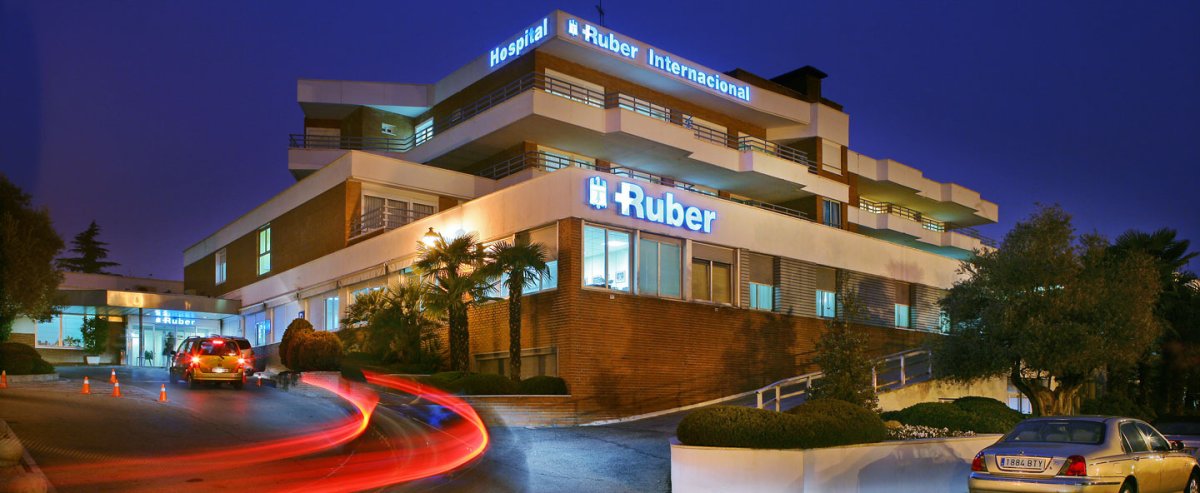









Obtenga una evaluación médica para Artrosis de cadera en España: consulte con doctores experimentados ahora
Ver todos los médicos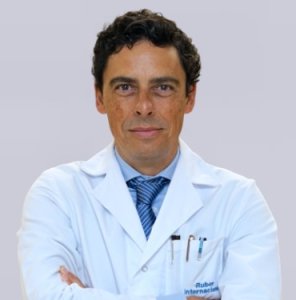
Pablo De La Cuadra
El Dr. Pablo de la Cuadra (Pablo Cuadra de la Virgili) es cirujano ortopédico y traumatólogo en Madrid. Está especializado en lesiones deportivas y cirugía de hombro en el Hospital Ruber Internacional, donde ejerce desde 1999. Cuenta con más de 25 años de experiencia. Dirige una unidad multidisciplinar y un equipo especializado en traumatología. Es un experto reconocido en trastornos complejos del hombro y utiliza técnicas artroscópicas y reconstructivas avanzadas para la inestabilidad y las
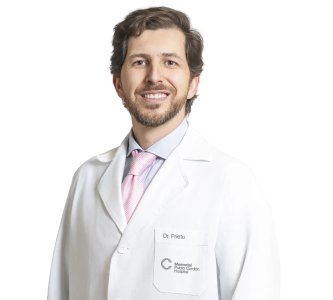
Juan Ramón Prieto
El Dr. Juan Ramón Prieto es ortopedista en el Hospital Memorial Publio Cordón de Madrid. Se especializa en cirugía de cadera y en el tratamiento de afecciones articulares degenerativas como la artrosis. El Dr. Prieto realiza ALMIS, una técnica de artroplastia de cadera mínimamente invasiva que preserva el músculo para acelerar la recuperación.
Trabaja en el Hospital Memorial Publio Cordón, un centro con acreditación de la Joint Commission International (JCI). Esta certificación signific
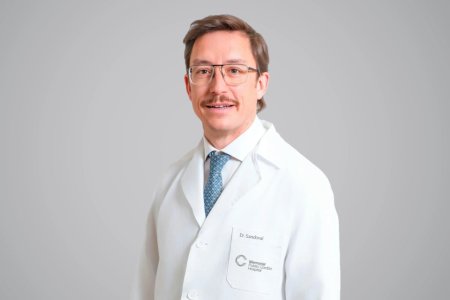
Enrique Sandoval Hip
El Dr. Enrique Sandoval Hip es ortopedista en el Hospital Memorial Publio Cordón de Madrid. Trata afecciones de cadera, incluyendo fracturas, osteoartritis y displasia del desarrollo. El Dr. Sandoval Hip realiza la técnica ALMIS, un procedimiento de artroplastia de cadera mínimamente invasivo, para reducir el daño tisular y los tiempos de recuperación.
Trabaja en un centro que cuenta con la acreditación de la Joint Commission International (JCI). El hospital cuenta con más de 100 médico
Compartir contenido
Historias en video de pacientes de Bookimed
 Olena Sikoza
Preguntas frecuentes sobre el tratamiento de Artrosis de cadera en España
¿Cuándo recomiendan los cirujanos ortopédicos españoles pasar a la cirugía de reemplazo de cadera?
Los cirujanos ortopédicos españoles recomiendan el reemplazo de cadera cuando el dolor intenso persiste en reposo y los tratamientos conservadores fallan. Las guías clínicas priorizan las limitaciones funcionales y la calidad de vida sobre los hallazgos radiográficos. Los cirujanos suelen optar por la cirugía una vez que la artrosis impide movimientos básicos como caminar o subir escaleras.
- Fracaso del tratamiento: La cirugía sigue al agotamiento de la fisioterapia, medicamentos e inyecciones intraarticulares.
- Marcadores de dolor: El dolor persistente en reposo o durante el sueño indica una transición quirúrgica.
- Impacto funcional: La incapacidad para realizar tareas como ponerse los zapatos desencadena la intervención del cirujano.
- Riesgo estructural: El desgaste severo que causa desequilibrios posturales puede llevar a un reemplazo articular oportuno.
Perspectiva del experto de Bookimed: Los centros españoles como HM Nou Delfos utilizan imágenes EOS para un mapeo musculoesquelético de alta precisión. Esta tecnología permite a los cirujanos visualizar la mecánica articular con mayor precisión que las radiografías estándar. Los datos clínicos muestran que las herramientas de diagnóstico avanzadas ayudan a los especialistas a programar la cirugía de manera más efectiva para pacientes más jóvenes y activos.
Consenso de los
¿Cuáles son las tasas de éxito de los reemplazos de cadera en los hospitales españoles?
Los hospitales españoles reportan tasas de éxito promedio a corto plazo de entre el 92% y el 98% para los reemplazos de cadera. Estos resultados se encuentran entre los más altos de Europa. Los cirujanos realizan más de 30,000 procedimientos al año con bajas tasas de complicaciones. Los implantes modernos mantienen tasas de supervivencia del 90% después de 15 años.
- Métricas de éxito: El éxito incluye la recuperación inmediata de la movilidad y la eliminación total del dolor articular.
- Longevidad del implante: La mayoría de las prótesis demuestran una supervivencia del 89% al 90% después de 15 años de uso.
- Acceso a tecnología: Los centros utilizan imágenes EOS y sistemas robóticos para una alineación musculoesquelética precisa.
- Estándares de acreditación: Instalaciones líderes como el Hospital Ruber Internacional mantienen certificaciones JCI e ISO.
Perspectiva del experto de Bookimed: El éxito en España está ligado a la infraestructura especializada de sus redes hospitalarias privadas. La Clínica Universidad de Navarra fue la primera en España en obtener la acreditación JCI. Actualmente atiende a 140,000 pacientes al año. Grandes redes como HM Hospitales brindan acceso a neurorrehabilitación integrada a través de asociaciones. Este alto volumen de pacientes garantiza que los cirujanos mantengan las habilidades manuales expertas necesari
¿Es seguro para los pacientes internacionales viajar a España para un tratamiento de cadera?
España es un destino altamente seguro para pacientes internacionales que buscan tratamiento de cadera y atención ortopédica. El país ocupa el décimo lugar a nivel mundial en calidad de atención médica. Instalaciones como el Hospital Ruber Internacional y el Hospital de Navarra mantienen la acreditación de la Joint Commission International (JCI). Las clínicas modernas reportan tasas de éxito del 99% en reemplazos de cadera.
- Acreditación hospitalaria: Las certificaciones JCI e ISO garantizan estándares rigurosos de seguridad e higiene.
- Imágenes avanzadas: Las clínicas utilizan tecnología EOS para imágenes musculoesqueléticas 3D de alta resolución.
- Recuperación especializada: Los centros en Marbella utilizan el clima mediterráneo para la rehabilitación basada en la biomecánica.
- Alto volumen de pacientes: Los principales hospitales españoles tratan a más de 140.000 pacientes internacionales y locales anualmente.
Perspectiva de expertos de Bookimed: Los centros de salud españoles priorizan la movilidad a largo plazo sobre la cirugía simple. Clínicas como el Hospital HM Nou Delfos se asocian con hospitales especializados en neurorrehabilitación. Esto asegura que los pacientes transicionen sin problemas de la cirugía a la fisioterapia activa. El Hospital de Navarra ha tratado a pacientes de 70 países diferentes. Su experiencia con la logística
¿Cuánto tiempo dura la recuperación después de un reemplazo de cadera en España?
La recuperación después de un reemplazo de cadera en España permite a los pacientes realizar actividades ligeras en un plazo de 4 a 6 semanas. La recuperación funcional completa suele tardar de 3 a 6 meses. Los centros acreditados por la JCI con gran volumen de pacientes en Madrid y Barcelona utilizan técnicas mínimamente invasivas para reducir las estancias hospitalarias a 2–5 días.
- Estancia hospitalaria: Los pacientes suelen permanecer hospitalizados de 2 a 5 días para su seguimiento.
- Movilidad inicial: El uso de muletas o andadores es estándar durante las primeras 3–6 semanas.
- Regreso al trabajo: El trabajo de oficina sedentario suele ser posible en un plazo de 6 a 8 semanas.
- Cronograma para conducir: La mayoría de los pacientes retoman la conducción entre 4 y 8 semanas después de la cirugía.
Opinión de expertos de Bookimed: Los hospitales privados españoles como HM Nou Delfos y el Hospital Ruber Internacional integran sistemas de imagen especializados como EOS. Estas imágenes musculoesqueléticas de alta precisión permiten a los cirujanos planificar los ajustes con mayor exactitud. Esta precisión diagnóstica a menudo evita las pequeñas desalineaciones que causan hinchazón postoperatoria prolongada o dolor muscular.
Consenso de los pacientes: Los pacientes enfatizan que, aunque caminan dentro de las 24 horas, l
¿Qué tratamientos no quirúrgicos para la artrosis de cadera están disponibles en España?
Los tratamientos no quirúrgicos para la artrosis de cadera en España incluyen fisioterapia especializada, manejo farmacológico e infiltraciones guiadas por imagen. Centros en Madrid y Barcelona utilizan inyecciones de ácido hialurónico o corticosteroides guiadas por ecografía. Existen opciones regenerativas como el plasma rico en plaquetas y terapias con células madre mesenquimales para retrasar el reemplazo articular.
- Medicina regenerativa: Las inyecciones de PRP y células madre autólogas se dirigen a la inflamación y el dolor articular.
- Imagen avanzada: La tecnología EOS en centros como HM Nou Delfos proporciona un mapeo musculoesquelético de alta precisión.
- Rehabilitación biomecánica: Métodos patentados en centros especializados activan la regeneración natural a través del movimiento.
- Infiltraciones guiadas: Las inyecciones guiadas por ecografía aseguran la administración precisa de lubricantes en las articulaciones profundas de la cadera.
Perspectiva del experto de Bookimed: Centros españoles como HM Nou Delfos y el Hospital Ruber Internacional integran una gran experiencia quirúrgica con cuidados conservadores. Aunque estas clínicas atienden a más de 25.000 pacientes al año, priorizan la resonancia magnética de 3 Teslas y la imagen EOS. Este hardware de alta resolución permite a los médicos detectar cambios articulares sutiles de f
¿Ofrecen las clínicas españolas programas estructurados de rehabilitación postoperatoria?
Las clínicas españolas ofrecen rehabilitación postoperatoria estructurada a través de equipos multidisciplinarios y centros especializados. Los programas suelen comenzar dentro de las 48 horas posteriores a la cirugía. Integran la fisioterapia con tecnologías avanzadas como el entrenamiento de la marcha asistido por robot. Los centros privados en Madrid y Barcelona garantizan una coordinación fluida para los pacientes internacionales.
- Movilización temprana: La fisioterapia suele comenzar entre 24 y 48 horas después de la cirugía ortopédica.
- Centros especializados: Centros como el Dr. Blum Biomechanics Center se centran exclusivamente en la recuperación funcional.
- Diagnóstico avanzado: Las clínicas utilizan imágenes EOS para una evaluación musculoesquelética de alta precisión durante los seguimientos.
- Estándares de calidad: Instituciones líderes como el Hospital de Navarra y Ruber Internacional mantienen la acreditación JCI.
Opinión de expertos de Bookimed: Aunque muchos esperan que las clínicas especializadas se encarguen de todo, la recuperación de mayor calidad a menudo proviene de asociaciones. Por ejemplo, el Hospital HM Nou Delfos colabora con el Institut Guttmann, un líder en neurorrehabilitación acreditado por la JCI. Esta estrategia permite a los hospitales de cuidados agudos proporcionar una rehabilitación intensiva y especiali
¿Qué ciudades y clínicas son las más reputadas para el tratamiento de la artrosis de cadera en España?
Madrid y Barcelona son las ciudades más reputadas para el tratamiento de la artrosis de cadera en España. Estos centros cuentan con instalaciones acreditadas por la JCI, como el Hospital Ruber Internacional y el Hospital HM Nou Delfos. Ofrecen diagnóstico por imagen musculoesquelético avanzado y reconstrucción articular mínimamente invasiva realizada por cirujanos con más de 25 años de experiencia.
- Hospitales en Madrid: El Hospital Ruber Internacional ofrece resonancia magnética de 3 Teslas y atención ortopédica de alto volumen.
- Excelencia en Barcelona: El Hospital HM Nou Delfos utiliza sistemas de imagen 3D de baja dosis EOS de alta precisión.
- Reputación en Pamplona: La Clínica Universidad de Navarra mantiene una tasa de preservación de extremidades del 95 %.
- Credenciales de los cirujanos: El Dr. Pablo De La Cuadra en Madrid dirige equipos especializados en reconstrucción articular.
Perspectiva del experto de Bookimed: Aunque Madrid y Barcelona lideran en volumen, la Clínica Universidad de Navarra en Pamplona atiende a más de 140.000 pacientes al año y mantiene un liderazgo único en la preservación de extremidades. Los datos muestran que los pacientes a menudo eligen este centro para casos complejos donde se prioriza el salvamento de la articulación sobre el reemplazo inmediato. Este centro académico se clasifica constantemente como el