Implantación del sistema ApiFix en Turquía — reciba 3 opciones de clínicas personalizadas


Revisado médicamente por
Fahad Mawlood
Cómo funciona
¿Cuál es el precio de Implantación del sistema ApiFix en Turquía? Descubra ahora
De $30,000. El precio depende de la clínica, la experiencia del cirujano en la corrección mínimamente invasiva de la escoliosis y si el procedimiento es para una o dos curvas. UU.
Los paquetes turcos suelen incluir la evaluación preoperatoria, anestesia general, el dispositivo ApiFix y materiales de implante, honorarios quirúrgicos, varias noches de hospitalización, medicamentos y visitas de seguimiento. En EE. UU., el precio listado a menudo solo cubre los honorarios del cirujano, mientras que el costo del dispositivo, la anestesia y la estancia hospitalaria se facturan por separado. Siempre confirmar exactamente qué incluye el paquete de cada clínica.
Beneficios clave
¿Por qué eligen los pacientes Turquía para la implantación del sistema ApiFix?
- Clínicas acreditadas: Hospitales certificados por JCI y centros acreditados por el Ministerio de Salud de Turquía aseguran atención de máxima calidad.
- Últimas tecnologías: El sistema ApiFix es un dispositivo mínimamente invasivo para la corrección de la escoliosis. Incorpora técnicas como el dispositivo de corrección corta peri-apical, garantizando un tratamiento efectivo.
- Altas tasas de éxito: La implantación del sistema ApiFix muestra una tasa de eficacia del 85% en la mejora de la curvatura espinal en casos de escoliosis idiopática adolescente.
- Cirujanos expertos: Cirujanos ortopédicos líderes, como el Prof. Mustafa Özdemir, tienen más de 20 años de experiencia. Han realizado numerosas implantaciones exitosas de ApiFix, respaldados por una amplia formación y certificaciones.
Acceda a soluciones avanzadas de implantación del sistema ApiFix en clínicas de confianza de $30,000.
| España | Turquía | México | |
|---|---|---|---|
| Implantación del sistema ApiFix | ≈ $17,500 | de $30,000 | ≈ $17,000 |
Descubra las mejores clínicas de Implantación del sistema ApiFix en Turquía: 18 opciones verificadas y Precios

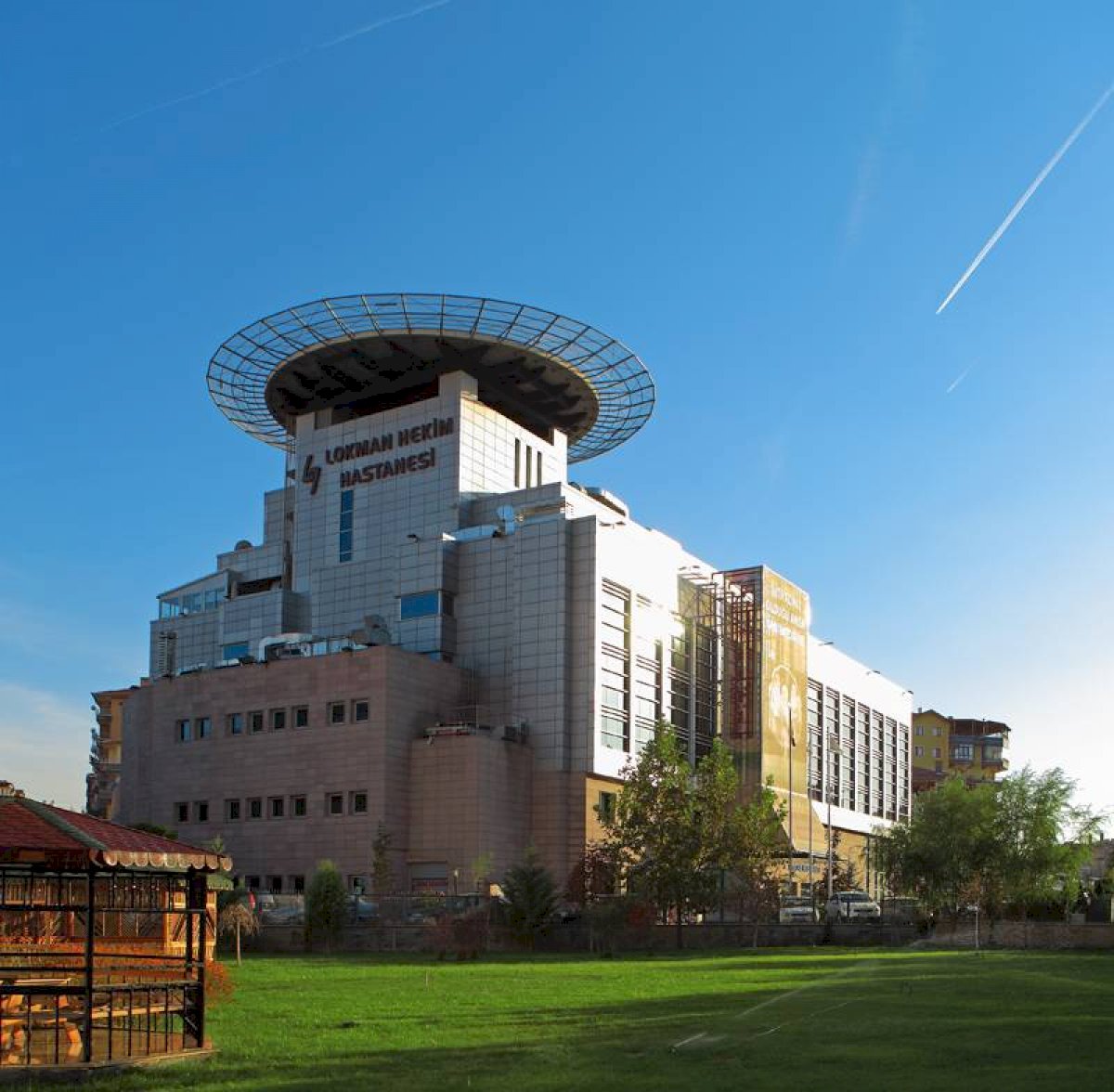

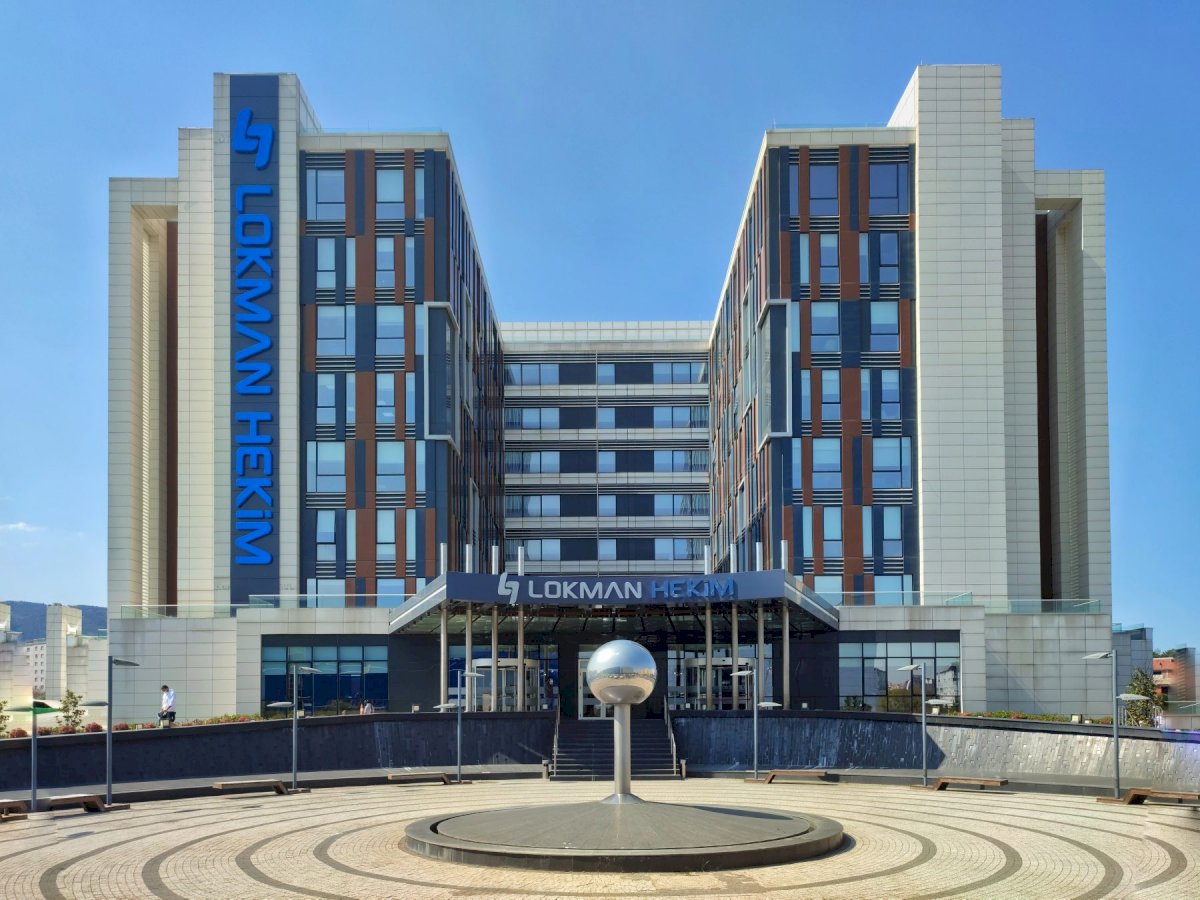
Hospital Lokman Hekim de Estambul (Lokman Hekim Istanbul Hospital)




El Centro Médico de Rehabilitación y Terapia Física Fizyomer


Memorial Ankara Hospital




Istanbul Aesthetic Plastic Surgery Center
Descripción general de Implantación del sistema ApiFix en Turquía
- Tratamiento quirúrgico de la escoliosis - de $15,000Esta terapia corrige la curvatura de la columna, involucra la colocación de tornillos y varillas y mejora la postura y la respiración.
- Tratamiento conservador de la escoliosis - de $2,500Esta terapia tiene como objetivo controlar la curvatura de la columna sin cirugía, utilizando aparatos ortopédicos, fisioterapia y ejercicio. Es menos invasivo y arriesgado.
- Implantación del sistema ApiFix - de $30,000El procedimiento consiste en una cirugía mínimamente invasiva para corregir la curvatura de la columna, utilizando una varilla flexible para el movimiento natural.
Día 1:
- Llegada al país y dirección al hotel.
- Descansa y prepárate para la consulta del día siguiente.
Dia 2:
- Diríjase a la clínica para la consulta preoperatoria.
- Reúnase con el especialista en ortopedia para un examen físico.
- Someterse a las pruebas médicas necesarias, por ejemplo, radiografías, análisis de sangre.
Día 3:
- Recibe los resultados de las pruebas médicas de ayer.
- Reúnase con el anestesiólogo para analizar las opciones de anestesia.
Día 4:
- Someterse a una cirugía de implantación del sistema ApiFix.
- Se administra anestesia general.
- La duración de la cirugía es de aproximadamente 2-3 horas.
Dia 5:
- Postoperatorio, estancia en la clínica para seguimiento.
- Reúnase con el especialista en ortopedia para una consulta postoperatoria.
Semana 1:
- Continuar la recuperación en la clínica o en el hotel.
- Iniciar ejercicios suaves de movilidad según indicación del especialista.
Semana 2-4:
- Continúe con los ejercicios de rehabilitación recomendados.
- Aumente gradualmente los niveles de actividad física.
Semana 6:
- El regreso al trabajo generalmente es posible en este momento.
Semana 8:
- Regreso gradual a los deportes y otras actividades.
Semana 12:
- Esperaba ver el resultado final de la cirugía.
Tenga en cuenta que el cronograma de recuperación de cada paciente puede variar según las circunstancias individuales.
- Depósito de Bookimed: 200 $ o 200 €.
- Depósito de la clínica: Pague un porcentaje fijo por adelantado.
Obtenga una evaluación médica de Implantación del sistema ApiFix en Turquía: haga una consulta con 37 médicos experimentados ahora
Ver todos los médicos
Susana Akdash
Especializado en tratamientos de implantes dentales de alta tecnología, incluida la implantación del sistema ApiFix, con un enfoque en la estética y la funcionalidad.
- Graduado de la Universidad Ege con una tesis sobre prótesis sobre implantes y estética
- Completó múltiples cursos avanzados en implantología y diseño digital de sonrisa
- Experto en técnicas de implantes dentales all-on-4, all-on-6 y all-on-2
- Asistió a congresos y simposios dentales internacionales para el aprendizaje continuo

Bahtiyar Demiralp
El Dr. Demiralp aporta una amplia experiencia en oncología ortopédica y cirugía de traumatismos, con formación especializada en la Clínica Mayo.
- Más de _doctor_8065_ años de experiencia en ortopedia y traumatología
- Especializado en técnicas de fijación externa para casos complejos
- Miembro de varias sociedades ortopédicas prestigiosas, incluidas TOTBİD y TMSTS
- Profesor asociado en el programa de posgrado de Oncología Ortopédica y Traumatología

Hasan Ozgur Ozdemir
El Prof. Dr. Hasan Ozgur Ozdemir se especializa en cirugías de columna mínimamente invasivas, incluida la implantación del sistema ApiFix, en el complejo hospitalario Medical Park Antalya.
- Más de _doctor_9311_ años de experiencia en neurocirugía
- Experto en cirugías endoscópicas de disco lumbar y cervical
- Obtuvo el 1er lugar en el examen de competencia de la Sociedad Turca de Neurocirugía
- Miembro de la Sociedad Turca de Neurocirugía y de la Asociación Médica Turca
- Especializado en tumores y fracturas de columna

Erman Cekic
El Dr. Cekic se especializa en cirugía de columna y ha realizado numerosos procedimientos de articulaciones y cartílagos, incluidas técnicas avanzadas como tratamientos con células madre.
- Ha realizado más de 10,000 cirugías de reemplazo de rodilla y cadera
- Formado en cirugía de articulaciones y cartílagos en la Universidad Dokuz Eylul
- Experto en tratamientos no quirúrgicos y rehabilitación postoperatoria
- Ha asistido a numerosas conferencias internacionales sobre cirugía de articulaciones y cartílagos
Historias en video de pacientes de Bookimed
Reseñas
Todas las reseñas
Compartir contenido
 Olena Sikoza
Preguntas frecuentes sobre Implantación del sistema ApiFix en Turquía
¿Quién es candidato para el procedimiento ApiFix?
El candidato ideal para el procedimiento ApiFix es un adolescente de 10 a 17 años diagnosticado con escoliosis idiopática del adolescente. Debe tener una curva principal única y flexible de entre 35 y 60 grados. Este sistema sirve como una alternativa que preserva el movimiento a la cirugía tradicional de fusión espinal.
- Tipo de curva: Debe ser una curva torácica o toracolumbar Lenke 1 o Lenke 5.
- Flexibilidad: La curva espinal debe reducirse a 30 grados o menos durante las pruebas de flexión lateral.
- Calidad ósea: Los pacientes requieren un T-score superior a -1.5 para asegurar que el implante permanezca firme.
- Crecimiento esquelético: Más efectivo para niños en crecimiento, específicamente aquellos en estadio Risser 0 a 2.
Perspectiva del experto de Bookimed: Aunque las pautas globales sugieren curvas de hasta 60 grados, clínicas como el Hospital Memorial Şişli y Lokman Hekim identifican el rango de 45 a 55 grados como el punto óptimo para el éxito. Cirujanos como el Dr. Orkun Koban priorizan a los pacientes que han fallado con el uso de corsé externo pero que aún conservan una movilidad espinal significativa.
Consenso de los pacientes: Las familias a menudo eligen esto sobre la fusión para mantener la columna en movimiento, aunque muchos enfatizan la importancia de la intervención temprana antes de que las curv
¿Cuáles son los riesgos o complicaciones potenciales de ApiFix?
La implantación del sistema ApiFix conlleva riesgos que incluyen el desplazamiento del implante, el fallo mecánico del mecanismo de trinquete y una posible cirugía de revisión. Aunque es menos invasivo que una fusión, complicaciones como el aflojamiento de los tornillos, la pérdida ósea localizada o la progresión de la curvatura pueden requerir convertir el tratamiento a una fusión espinal tradicional.
- Fallo mecánico: La varilla dinámica o los tornillos pueden romperse, aflojarse o migrar con el tiempo.
- Cirugía de revisión: Entre el 12% y el 18% de los pacientes pueden requerir un procedimiento correctivo secundario.
- Restricciones de actividad: Los pacientes deben evitar deportes de alto impacto como la gimnasia o el remo para proteger el hardware.
- Riesgos biológicos: Posibilidad de infecciones en el sitio quirúrgico o acumulación de restos metálicos en el tejido circundante.
Perspectiva de expertos de Bookimed: Los datos de centros turcos de primer nivel como Lokman Hekim muestran una tendencia a combinar ApiFix con exámenes específicos de densidad ósea. Cirujanos como el Dr. Orkun Koban enfatizan estos chequeos preoperatorios porque la mayoría de las migraciones de implantes reportadas ocurren cuando la calidad ósea subyacente es insuficiente para soportar la tensión del dispositivo.
Consenso de los pacientes:
¿En qué se diferencia ApiFix de la fusión espinal tradicional?
ApiFix es un tratamiento para la escoliosis que preserva el movimiento y utiliza una única varilla autoajustable que actúa como un corsé interno. A diferencia de la fusión espinal tradicional, que une permanentemente las vértebras en una masa ósea rígida, el sistema ApiFix permite el crecimiento continuo de la columna y una flexibilidad natural después de la cirugía.
- Enfoque quirúrgico: Los procedimientos de rango medio duran de 2 a 3 horas y utilizan incisiones más pequeñas en comparación con las cirugías de fusión más largas.
- Puntos de anclaje: Los cirujanos suelen utilizar solo 3 tornillos, mientras que la fusión tradicional a menudo requiere 10 o más.
- Preservación de la movilidad: Las articulaciones poliaxiales en la varilla mantienen el movimiento de la columna en lugar de bloquearla rígidamente.
- Reversibilidad del sistema: Las varillas a menudo se retiran después de 1 a 2 años una vez que la corrección espinal se ha estabilizado.
Perspectiva del experto de Bookimed: Mientras que la fusión tradicional es permanente, el sistema ApiFix está diseñado como un corsé interno temporal que favorece el crecimiento. Los datos muestran que clínicas como el Adatip International Hospital ofrecen paquetes que incluyen estancias hospitalarias de 5 días, lo cual es más largo que el promedio en EE. UU. Este tiempo adicional permite a los cirujanos
¿Cuál es el cronograma de recuperación después de la cirugía ApiFix?
La mayoría de los pacientes logran una recuperación completa de la cirugía ApiFix en un plazo de 3 a 6 meses. Este procedimiento mínimamente invasivo y sin fusión permite una curación significativamente más rápida que la fusión espinal tradicional. Los pacientes suelen regresar a la escuela o a trabajos de oficina ligeros en un plazo de 2 a 4 semanas, manteniendo la movilidad de la columna.
- Estancia hospitalaria: Espere el alta entre 2 y 5 días después del procedimiento.
- Movimiento inmediato: Los cirujanos fomentan caminar dentro de las 24 horas para prevenir la rigidez muscular.
- Uso del corsé: Los pacientes a menudo usan un corsé durante 23 horas al día durante varias semanas.
- Actividades deportivas: El ejercicio de bajo impacto comienza a las 6 semanas y el deporte completo a los 6 meses.
Perspectiva del experto de Bookimed: Aunque la recuperación es rápida, las clínicas turcas como el Adatip International Hospital a menudo incluyen estancias hospitalarias más largas de 5 días en comparación con los promedios de EE. UU. Este monitoreo extendido por especialistas como el Dr. Orkun Koban asegura que el mecanismo de trinquete se esté alargando correctamente antes de que el paciente comience su viaje internacional de regreso a casa.
Consenso de los pacientes: Muchos pacientes informan un aumento inmediato de la con
¿Qué clínicas y médicos en Turquía se especializan en el procedimiento ApiFix?
Turquía ofrece la implantación avanzada del sistema ApiFix a través de una red de hospitales acreditados por la JCI en Estambul, Ankara y Antalya. Cirujanos especializados como el Dr. Orkun Koban en el Hospital Internacional Adatip y el Prof. Mehmet Aydogan en Memorial Şişli ofrecen esta alternativa mínimamente invasiva y sin fusión para la escoliosis idiopática adolescente.
- Clínicas especializadas: Memorial Şişli, Adatip International y el Hospital Universitario Medipol Mega cuentan con centros dedicados a la columna vertebral.
- Cirujanos expertos: El Dr. Orkun Koban y el Prof. Erkan Kaptanoglu se especializan en escoliosis y cirugía endoscópica.
- Infraestructura avanzada: Instalaciones como Lokman Hekim utilizan helipuertos y amplias camas de UCI para casos complejos.
- Estándares de acreditación: Los centros de primer nivel mantienen certificaciones de la Joint Commission International (JCI) e ISO para la seguridad del paciente.
Perspectiva del experto de Bookimed: Aunque muchas clínicas ofrecen cirugía de escoliosis, solo unas pocas, como el Hospital Internacional Adatip, incluyen el sistema ApiFix en paquetes de precio fijo. Estos paquetes de 15.000 dólares suelen incluir 5 días de hospitalización, lo que es más largo que las estancias estándar de fusión, lo que refleja la monitorización especializada necesaria para las varillas autoaj