Prótesis por debajo de la rodilla en Turquía: las 14 mejores clínicas y sus precios


Revisado médicamente por
Fahad Mawlood
¿Cuál es el precio de Prótesis por debajo de la rodilla en Turquía? Descubra ahora
De $1,800. El precio depende del tipo de prótesis (modular básica, de almacenamiento de energía o controlada por microprocesador), la clínica y la experiencia del protesista. UU.
Los paquetes turcos generalmente incluyen la consulta inicial, el ajuste del encaje protésico, componentes de alta calidad (como pies de fibra de carbono o liners de silicona), entrenamiento de la marcha y ajustes de seguimiento. En EE. UU., el precio base suele cubrir solo la prótesis, con cargos adicionales por ajustes, fisioterapia y seguimientos. Siempre confirmar qué servicios y opciones de actualización están incluidos en la clínica elegida.
| España | Turquía | México | |
|---|---|---|---|
| Prótesis por debajo de la rodilla | ≈ $5,500 | de $1,800 | ≈ $3,200 |
Sus beneficios y garantías con Bookimed
Precios directos
Bookimed no añade cargos adicionales a los precios de Prótesis por debajo de la rodilla. Las tarifas proceden de las listas de precios oficiales de las clínicas. Pagará directamente en la clínica por su Prótesis por debajo de la rodilla a su llegada al país.
Sólo clínicas y médicos verificados
Bookimed está comprometido con su seguridad. Solo trabajamos con las clínicas que mantienen altos estándares internacionales en Prótesis por debajo de la rodilla y tienen las licencias necesarias para atender a pacientes internacionales en todo el mundo.
Asistencia 24/7 gratuita
Bookimed ofrece asistencia experta gratuita. Un coordinador médico personal le apoya antes, durante y después del tratamiento, resolviendo cualquier problema. Nunca estará solo en su viaje médico de Prótesis por debajo de la rodilla.

Su coordinador médico personal de Bookimed
- Le apoya en cada etapa
- Ayuda a elegir la clínica y el médico adecuados
- Asegura un acceso rápido y conveniente a la información
Descubra las mejores clínicas de Prótesis por debajo de la rodilla en Turquía: 14 opciones verificadas y Precios


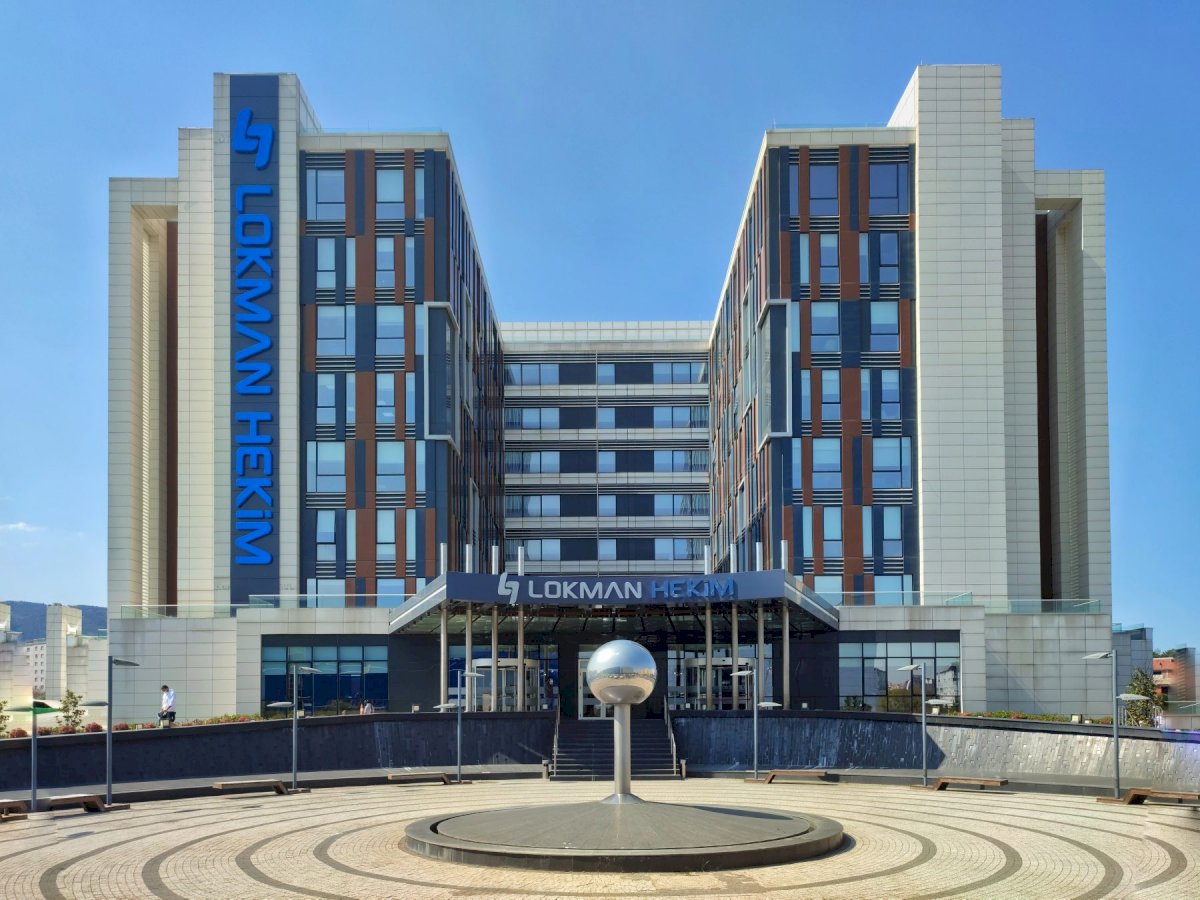
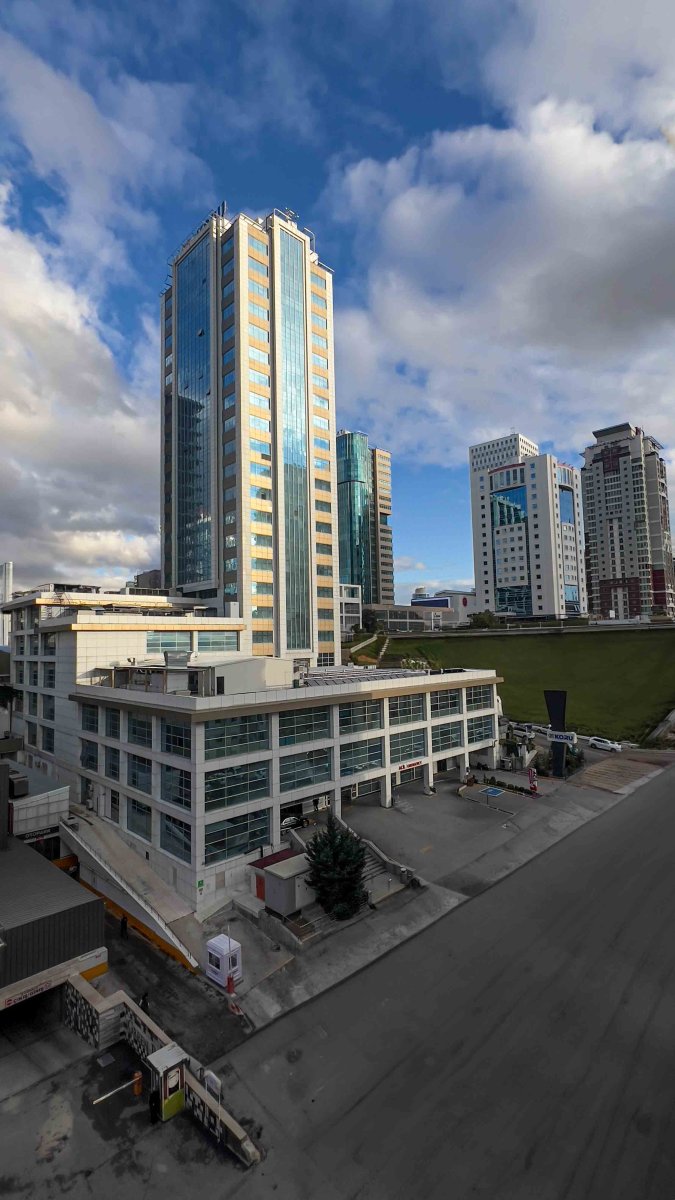
Hospital Lokman Hekim de Estambul (Lokman Hekim Istanbul Hospital)


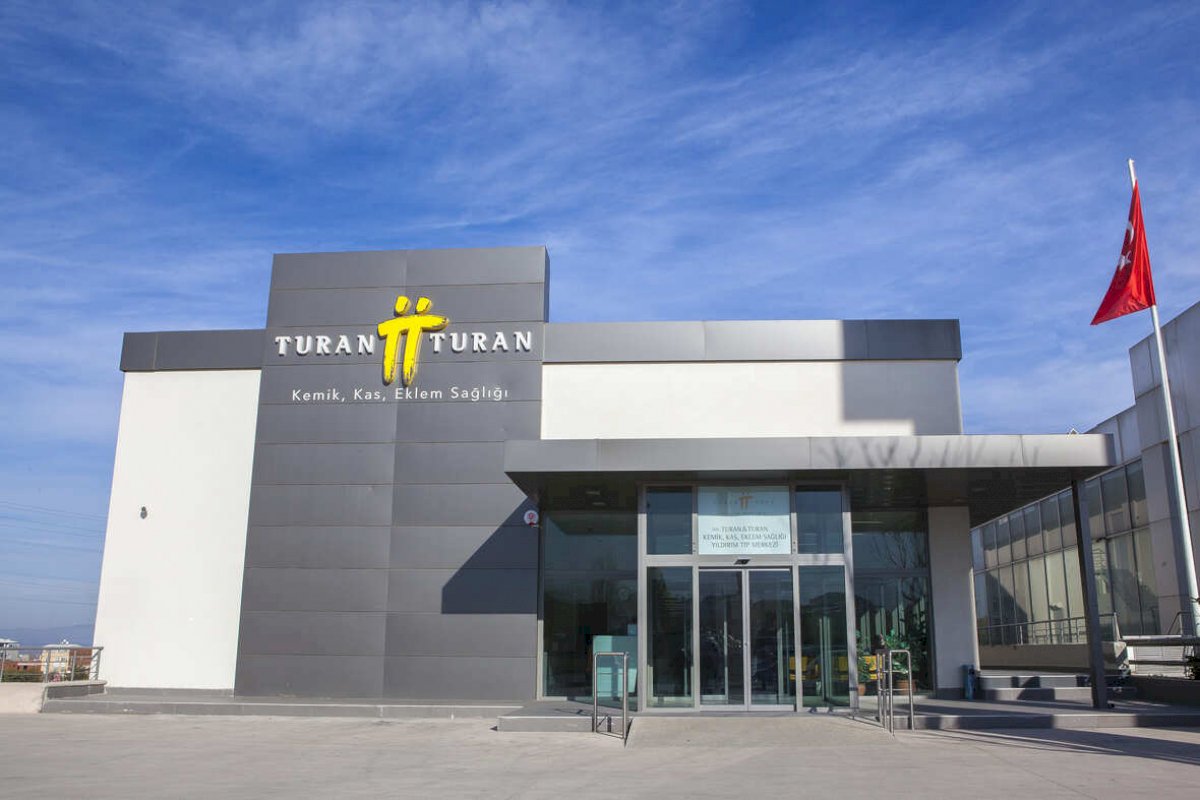
Turan Turan Health Group


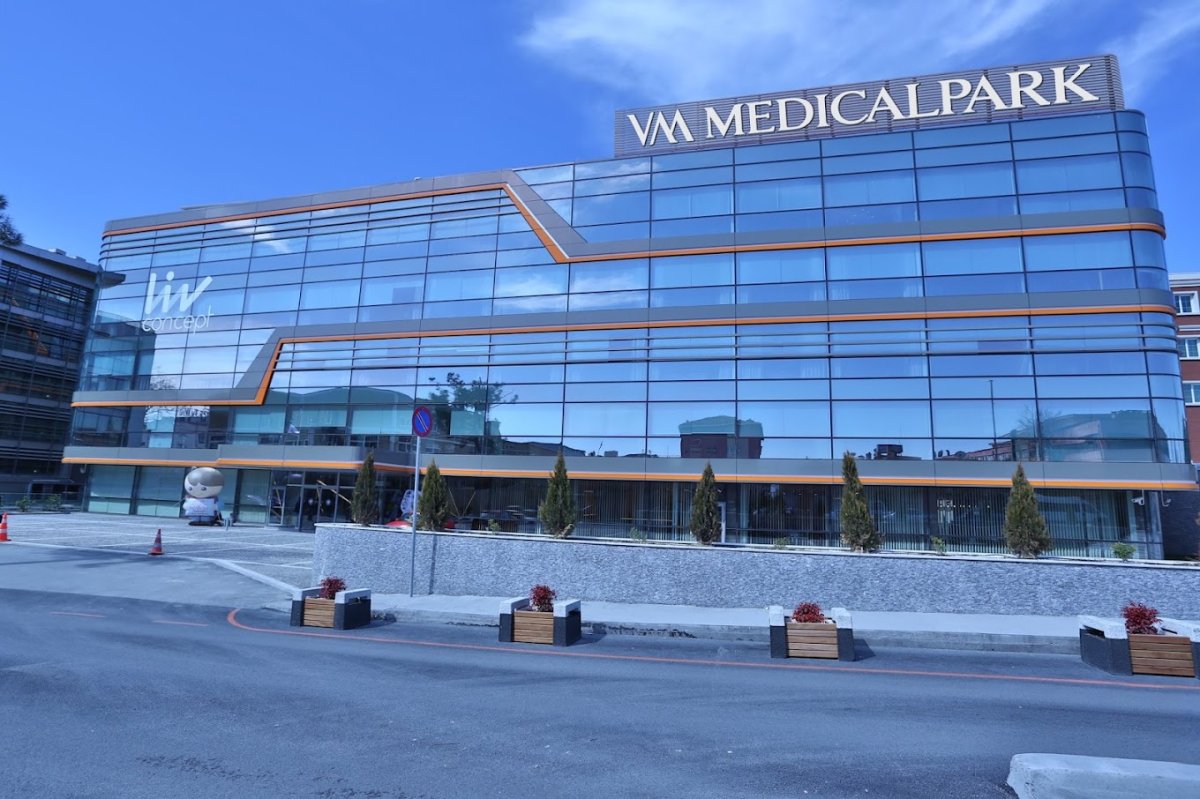


Clínica Ortopédica OrtoCare

Luxmed Clínica de prótesis de extremidades (Luxmed Protez)



Descripción general de Prótesis por debajo de la rodilla en Turquía
- Prótesis de extremidades - de $7,300El procedimiento consiste en reemplazar las extremidades perdidas, mejorar la movilidad, utilizando prótesis hechas para diversas actividades.
- Prótesis por debajo de la rodilla - de $1,800Esta terapia reemplaza la parte inferior de la pierna, mejorando la movilidad y mejorando la calidad de vida después de la amputación.
- Pie protésico - de $5,000El procedimiento consiste en colocar un pie artificial para permitir la movilidad y mejorar la calidad de vida.
- Pierna biónica - de $45,500La operación instala una prótesis de alta tecnología, mejorando la movilidad y el equilibrio de las personas con pérdida de una pierna.
- Prótesis electrónicas de la pierna - de $47,900El procedimiento equipa a los pacientes con piernas artificiales avanzadas y programables, mejorando el movimiento, la precisión y la comodidad.
- Prótesis de brazo - de $4,500Esta terapia reemplaza un brazo perdido, mejorando la movilidad y la funcionalidad a través de una prótesis.
- Prótesis de brazo cosmética - de $3,500El procedimiento ofrece un reemplazo estético de un brazo faltante, lo que garantiza una apariencia natural y aumenta la confianza en sí mismo.
- Prótesis de dedo - de $1,600El procedimiento ayuda a reemplazar los dígitos que faltan, mejorando la función de la mano y la apariencia con reemplazos móviles y personalizables.
Día 1 - Llegada
- Regístrese en el hospital y complete el papeleo.
- Reúnase con un especialista en prótesis para una consulta.
- Someterse a pruebas médicas básicas, incluidos análisis de sangre y radiografías.
Día 2 - Preoperatorio
- Reúnase con el cirujano para discutir los detalles de la operación.
- Someterse a un examen físico y consulta de anestesia.
- Reciba las instrucciones preoperatorias finales.
Día 3 - Operación
- Llegada al quirófano.
- Someterse a anestesia general.
- El cirujano realiza una prótesis por debajo de la rodilla, generalmente de 2 a 3 horas.
Día 4 - Postoperatorio
- Iniciar la movilización temprana bajo supervisión.
- Comience el manejo del dolor y el cuidado de heridas.
- Permanezca en observación durante 1-2 días.
Semana 1 - Rehabilitación
- Iniciar fisioterapia suave.
- Aprenda a cuidar la prótesis y el muñón.
- Comience a practicar con ayudas para caminar.
Semana 2-4 - Rehabilitación
- Continuar con las sesiones de fisioterapia.
- Aumentar gradualmente la movilidad y los ejercicios de fuerza.
- Practica caminar sin ayudas.
Mes 2-3 - Rehabilitación
- Regreso al trabajo, dependiendo de la naturaleza del trabajo.
- Iniciar actividades deportivas de bajo impacto.
- Visite al especialista en prótesis para un ajuste si es necesario.
Mes 6 - Resultado Final
- Ver resultado final de la colocación de la prótesis.
- Regrese a la mayoría de las actividades y deportes diarios.
Tenga en cuenta que este cronograma es un promedio y puede variar según los tiempos de recuperación individuales y la complejidad del caso.
- Depósito de Bookimed: 200 $ o 200 €.
- Depósito de la clínica: Pague un porcentaje fijo por adelantado.
Obtenga una evaluación médica de Prótesis por debajo de la rodilla en Turquía: haga una consulta con 33 médicos experimentados ahora
Ver todos los médicos
Murat Yaman
El Dr. Murat Yaman es un experimentado cirujano plástico y estético. Es conocido por su experiencia en cirugías de abdominoplastia y el empleo de técnicas quirúrgicas avanzadas para obtener resultados óptimos. Ha realizado un número impresionante de diversas cirugías, incluyendo más de 1 500 operaciones de nariz y aumento de senos, 500 estiramientos faciales, 1 000 cirugías de lifting, y alrededor de 1 000 liposucciones utilizando la tecnología VASER lipo.

Mehmet Taner Ozdemir
El Dr. Mehmet Taner Ozdemir es un ortopedista con 7 años de experiencia. Se especializa en oncología, traumatología ortopédica, cirugía artroscópica y tumores óseos y de tejidos blandos. Completó su formación médica y de especialidad en la Facultad de Medicina GATA en Ankara y recibió capacitación avanzada en el Hospital for Special Surgery de Nueva York, EE. UU.
El Dr. Ozdemir es miembro de la Asociación Turca de Ortopedia y Traumatología y de la Sociedad Europea de Tumores Musculoes

Bahtiyar Demiralp
Especialista en prótesis transtibiales con amplia experiencia en traumatismos militares – formado en la Facultad de Medicina Militar GATA y en la Clínica Mayo.
- _doctor_8065_años_ en ortopedia con enfoque en reconstrucción de extremidades
- Experto en fijación externa y lesiones de guerra complejas
- Profesor asociado en oncología ortopédica y traumatología
- Miembro de la Sociedad Turca de Tumores Musculoesqueléticos y de la Sociedad de Pie y Tobillo

Murat Aydin
El Dr. Murat Aydin se especializa en cirugía ortopédica con enfoque en traumatología y reemplazos articulares, asegurando que los pacientes recuperen la movilidad con un tiempo de recuperación mínimo.
- Experto en traumatología compleja y reconstrucción, restaurando la función de extremidades gravemente lesionadas
- Experto en técnicas artroscópicas mínimamente invasivas para una recuperación más rápida
- Profesor asociado que contribuye a los avances en la atención ortopédica
- Enfoque centrado en el paciente con estrategias de rehabilitación personalizadas
Reseñas
Todas las reseñas



Compartir contenido
Historias en video de pacientes de Bookimed
 Olena Sikoza
Datos сlave sobre Prótesis por debajo de la rodilla
Prótesis por debajo de la rodilla
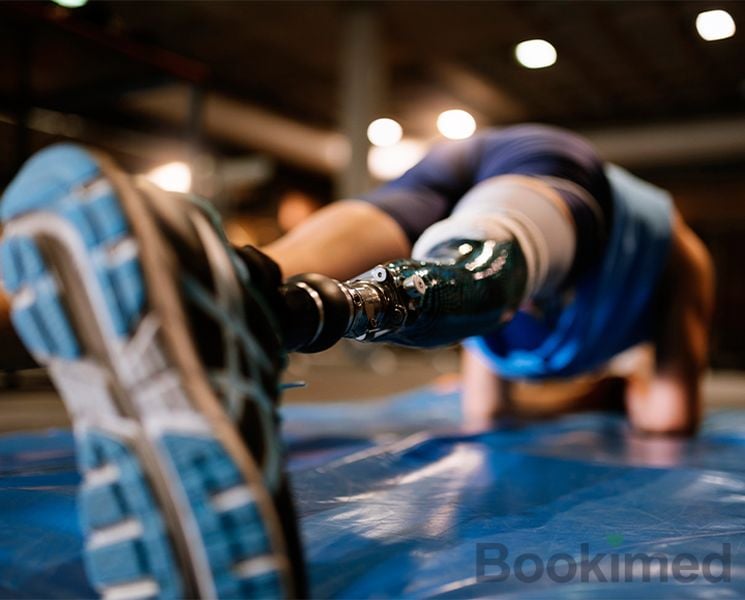
La prótesis por debajo de la rodilla es un tipo de miembro artificial diseñado para sustituir la parte inferior de una pierna que ha sido amputada por debajo de la rodilla.
Preguntas frecuentes sobre Prótesis por debajo de la rodilla en Turquía
¿Qué suele incluirse en un paquete protésico en Turquía?
Un paquete protésico en Turquía generalmente incluye un encaje personalizado, componentes de alta calidad de marcas como Ottobock o Össur, y de 10 a 20 sesiones de fisioterapia. Estos paquetes todo incluido también cubren traslados VIP del aeropuerto a la clínica, servicios de traducción multilingüe, y de 3 a 20 noches de alojamiento durante el ajuste y entrenamiento de marcha.
- Componentes médicos: Incluye la fabricación de un encaje personalizado, alineación del pilón, y acople de pie de marca.
- Sesiones de rehabilitación: Generalmente ofrece de 10 a 20 sesiones de entrenamiento de marcha para asegurar una correcta adaptación del miembro.
- Soporte logístico: Cubre traslados VIP desde el aeropuerto y de 3 a 7 noches en hotel o hospitales.
- Garantía del dispositivo: La mayoría de las clínicas ofrece una garantía de 2 a 5 años en las principales piezas protésicas.
Perspectiva Experta de Bookimed: Los datos muestran una importante brecha de experiencia entre la ortopedia general y los centros especializados en prótesis. Clínicas como Luxmed Protez emplean técnicos específicamente formados en Ottobock en Alemania. Elegir estas instalaciones especializadas a menudo asegura ajustes de encaje más precisos, que es la razón más común por la cual los pacientes requieren costosas revisiones posteriores.
Consenso de los Paciente
¿Cuánto tiempo debo planear quedarme en Turquía para el ajuste?
Planifique una estancia de 14 a 21 días en Turquía para la colocación de una prótesis por debajo de la rodilla. Mientras que el moldeo inicial generalmente ocurre después de 10 días de cicatrización postquirúrgica, el proceso de ajuste especializado y el entrenamiento de la marcha requieren de 7 a 14 días adicionales para obtener resultados óptimos.
- Período de cicatrización: Permita 10 días para que baje la hinchazón inicial antes de comenzar el proceso de moldeo protésico.
- Duración del ajuste: Dedique de 7 a 14 días específicamente para la fabricación personalizada del encaje y los ajustes de alineación.
- Entrenamiento de la marcha: Incluya de 3 a 5 días para la calibración del hardware y el aprendizaje para caminar con terapeutas físicos.
- Tiempo de reserva: Añada 7 días para tener en cuenta los posibles cambios de volumen en el miembro residual durante la recuperación.
Opinión de Expertos de Bookimed: Clínicas como Luxmed Protez emplean personal entrenado en protocolos de Ottobock Alemania, lo que impacta significativamente en la comodidad a largo plazo. Elegir una instalación con laboratorios de fabricación internos, en lugar de externos, a menudo reduce los tiempos de espera para ajustes válidos en 48 horas. Los pacientes deben priorizar centros en Estambul con acreditación JCI, como Memorial Sisli, para asegurar que los equipos quir
¿Cuánto tiempo después de una amputación puedo obtener una prótesis?
La mayoría de los pacientes reciben una prótesis temporal por debajo de la rodilla de 2 a 6 semanas después de la cirugía, una vez que la herida quirúrgica sana y la hinchazón disminuye. Una prótesis definitiva permanente se coloca típicamente de 3 a 12 meses después, cuando la forma del miembro residual se estabiliza para un ajuste seguro del encaje.
- Curación inicial: Las suturas o grapas se retiran de 2 a 3 semanas después de la cirugía de amputación.
- Conformación del miembro: Los pacientes usan vendajes de compresión durante 4 a 8 semanas para reducir la hinchazón postquirúrgica.
- Colocación provisional: Los dispositivos temporales permiten ejercicios de carga mientras el miembro continúa cambiando de tamaño.
- Prótesis definitiva: La colocación final se realiza una vez que la madurez del muñón previene revisiones costosas y frecuentes del encaje.
Perspectiva del Experto de Bookimed: Clínicas privadas turcas como Luxmed Protez a menudo aceleran el cronograma a 3–5 semanas utilizando personal especializado en técnicas alemanas de Ottobock. Esta rapidez es un diferenciador importante en comparación con las esperas burocráticas de 10 semanas comunes en otros sistemas de salud. Sin embargo, apresurar este proceso antes de la marca de las 4 semanas incrementa el riesgo de necesitar una revisión del encaje en un 20–30%.
Consens
¿Cuáles son las clínicas mejor valoradas para prótesis por debajo de la rodilla en Turquía?
Las clínicas turcas mejor valoradas para prótesis debajo de la rodilla incluyen el Hospital Memorial Şişli, el Hospital Lokman Hekim Estambul y la Clínica Luxmed Protez. Estas instalaciones ofrecen sistemas avanzados de fibra de carbono y mioeléctricos de marcas como Ottobock y ÖSSUR, a menudo a un _precio_percent_descuento_% más bajo que los costos en EE. UU.
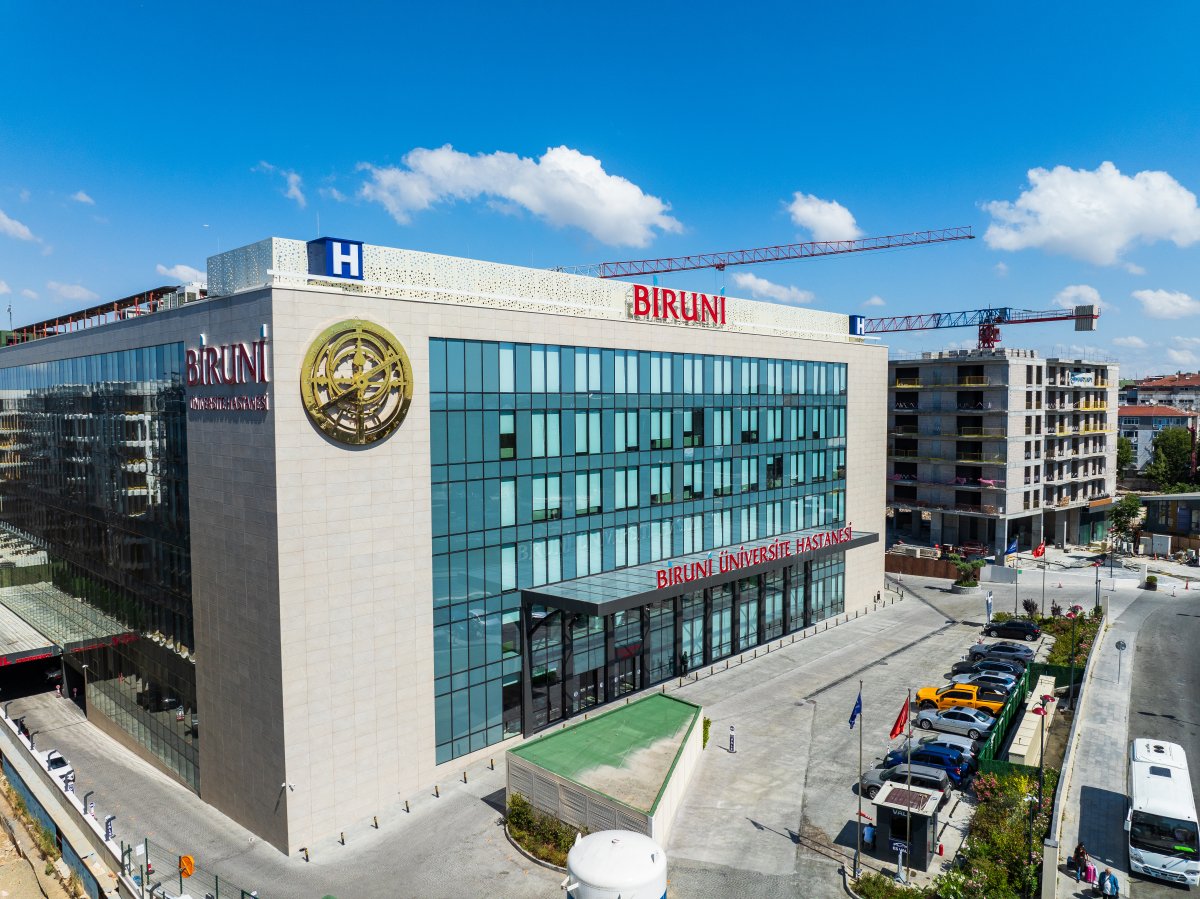
- Experiencia del cirujano: El Prof. Dr. Cengiz Sen en la Universidad de Biruni se especializa en prótesis de pierna electrónicas complejas.
- Tecnología avanzada: Los especialistas de Luxmed Protez formados en Alemania utilizan silicona médica de alta calidad para una estética natural.
- Precisión diagnóstica: Clínicas como OrtoCare utilizan escaneo 3D para encajes personalizados que previenen ampollas dolorosas.
- Normas de acreditación: Memorial Antalya y Lokman Hekim mantienen certificaciones de seguridad de la Joint Commission International (JCI).
Perspectiva del Experto Bookimed: Los datos muestran que elegir clínicas con fabricación interna, como Luxmed Protez, reduce significativamente los tiempos de espera. Si bien los hospitales generales ofrecen una excelente supervisión quirúrgica, los centros protésicos especializados generalmente completan ajustes personalizados y adaptaciones de encaje en 14 a 21 días.
Consenso de Pacientes: Los pacientes abogan por
¿Qué marcas y tecnologías de prótesis están disponibles en Turquía?
Turquía ofrece una amplia gama de marcas internacionales de prótesis, incluidas Ottobock, Össur, Proteor y Fillauer, junto con soluciones de alta tecnología como rodillas con microprocesador C-Leg y sistemas Genium. Clínicas especializadas en Estambul y Ankara proporcionan miembros biónicos, tobillos hidráulicos y prótesis deportivas de fibra de carbono para una movilidad precisa.
- Marcas globales: Las clínicas utilizan Ottobock, Össur, Blatchford y Endolite para componentes de alto rendimiento.
- Tecnología avanzada: Los pacientes acceden a articulaciones controladas por microprocesador y sistemas mioeléctricos para un movimiento natural.
- Modelos especializados: Las opciones de alta actividad incluyen pies de carrera Cheetah y sistemas de tobillos hidráulicos Echelon.
- Innovación local: El fabricante turco Proted ofrece más de 2,000 partes modulares para ajustes personalizados.
Información Experta de Bookimed: Los datos muestran una brecha significativa de calidad entre los modelos básicos y las importaciones premium. Aunque las unidades locales de fibra de vidrio son comunes, centros privados como Luxmed Protez cuentan con personal específicamente capacitado por Ottobock en Alemania. Para la mejor durabilidad en terrenos irregulares, priorice clínicas que ofrezcan tecnología Genium o C-Leg en lugar de tobillos hidráulicos genéricos.
<¿Cómo puedo mantener mi prótesis debajo de la rodilla?
Mantenga su prótesis por debajo de la rodilla limpiando diariamente el forro de gel y el encaje con jabón suave, sin fragancia, y agua tibia. Inspeccione regularmente su extremidad residual en busca de enrojecimiento y revise las partes mecánicas por ruidos inusuales para prevenir la descomposición de la piel o fallos del dispositivo.
- Higiene diaria: Lave los forros y el interior del encaje cada noche para eliminar el sudor.
- Monitoreo de la piel: Revise su extremidad en busca de enrojecimiento persistente que dure más de 20 minutos.
- Cuidado de los componentes: Lave a mano las medias protésicas diariamente y reemplace los forros cada 6–12 meses.
- Seguridad de alineación: Mantenga una altura constante del talón del zapato para prevenir desequilibrios en la marcha y molestias.
Perspectiva Experta de Bookimed: Clínicas como Luxmed Protez en Estambul emplean personal capacitado en Ottobock Alemania para asegurar una alineación precisa. Los datos muestran que los ajustes profesionales son vitales cada 6 meses porque el volumen de la extremidad fluctúa. Pequeños cambios de peso de 5–10 libras a menudo requieren modificaciones del encaje para mantener la comodidad.
Consenso del Paciente: Los pacientes enfatizan que el ajuste matutino a menudo difiere del de la tarde debido a la hinchazón. Muchos recomiendan usar medias de