Tratamiento de células madre mesenquimales en Turquía: las 9 mejores clínicas y sus precios


Revisado médicamente por
Fahad Mawlood
¿Cuál es el precio de Tratamiento de células madre mesenquimales en Turquía? Descubra ahora
El costo de la terapia con células madre mesenquimales en Turquía suele oscilar de $2,800 a $10,500. Los precios pueden variar según la clínica, la cantidad de inyecciones de células madre, si las células son autólogas o alogénicas, y la complejidad de la condición médica que se trata. UU.
Las clínicas turcas suelen incluir en el precio una consulta inicial, pruebas de laboratorio, recolección de células madre (a menudo de médula ósea o tejido adiposo), procesamiento celular, el procedimiento de inyección y visitas de seguimiento. En Estados Unidos, estos servicios suelen facturarse por separado, y el precio indicado generalmente cubre solo la inyección. Siempre confirmar con la clínica qué está incluido en el paquete antes de reservar.
Sus beneficios y garantías con Bookimed
Precios directos
Bookimed no añade cargos adicionales a los precios de Tratamiento de células madre mesenquimales. Las tarifas proceden de las listas de precios oficiales de las clínicas. Pagará directamente en la clínica por su Tratamiento de células madre mesenquimales a su llegada al país.
Sólo clínicas y médicos verificados
Bookimed está comprometido con su seguridad. Solo trabajamos con las clínicas que mantienen altos estándares internacionales en Tratamiento de células madre mesenquimales y tienen las licencias necesarias para atender a pacientes internacionales en todo el mundo.
Asistencia 24/7 gratuita
Bookimed ofrece asistencia experta gratuita. Un coordinador médico personal le apoya antes, durante y después del tratamiento, resolviendo cualquier problema. Nunca estará solo en su viaje médico de Tratamiento de células madre mesenquimales.

Su coordinador médico personal de Bookimed
- Le apoya en cada etapa
- Ayuda a elegir la clínica y el médico adecuados
- Asegura un acceso rápido y conveniente a la información
Descubra las mejores clínicas de Tratamiento de células madre mesenquimales en Turquía: 9 opciones verificadas y Precios


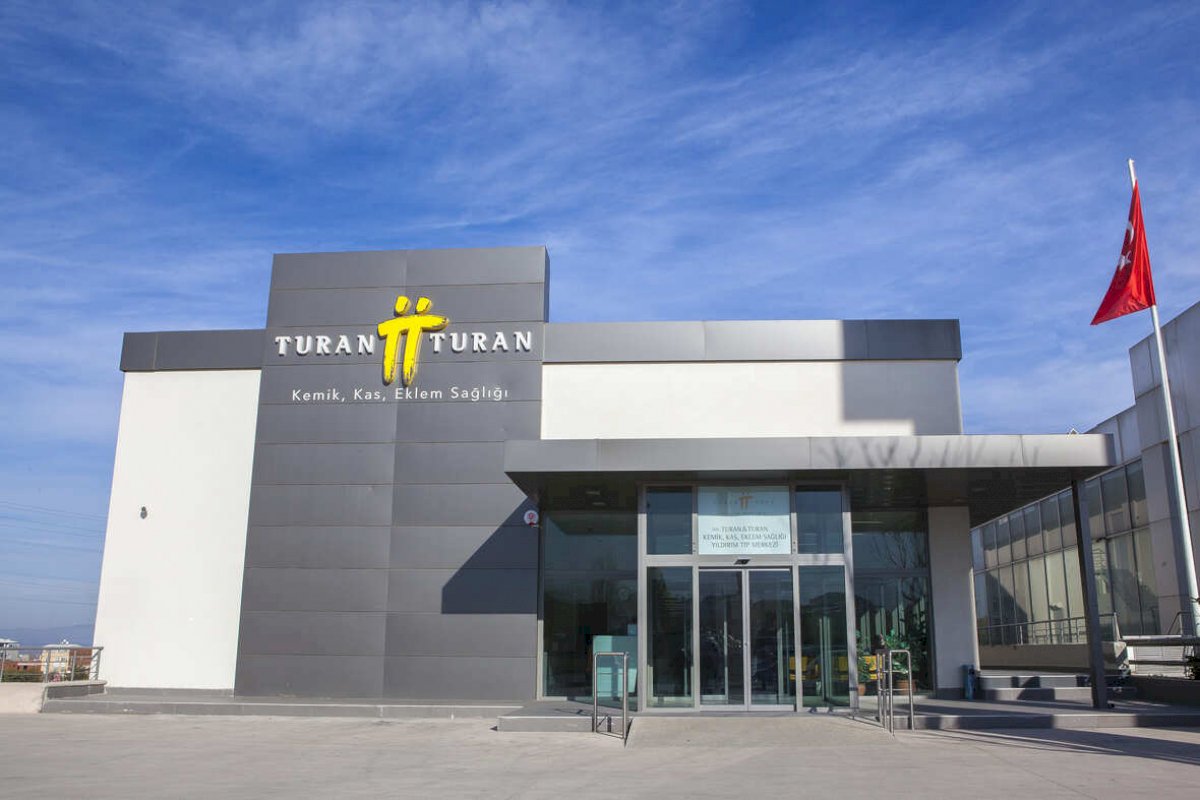
Turan Turan Health Group




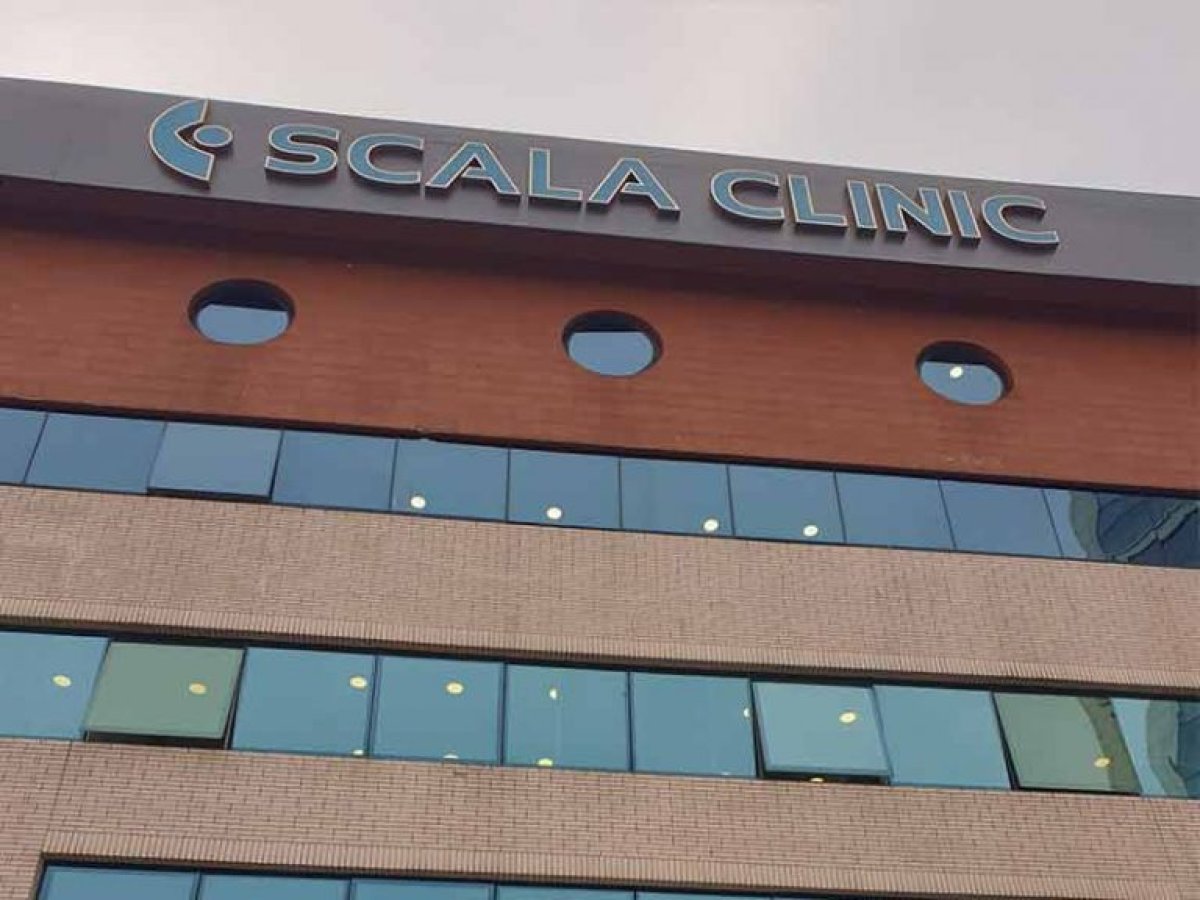
You Clinic
Hospital Central Hospital
Descripción general de Tratamiento de células madre mesenquimales en Turquía
- Terapia con células madre - de $1,600Esta terapia es un tratamiento que usa células del cuerpo para reparar tejidos dañados. Es eficiente, seguro y versátil.
- Terapia con células madre para la artritis - de $4,400Esta terapia utiliza las propias células para reparar las articulaciones dañadas, reduciendo el dolor y la inflamación asociados con la artritis.
- Terapia con células madre para el autismo - de $7,500Esta terapia utiliza las propias células del cuerpo para reparar el daño cerebral relacionado con el autismo y ofrece una mejor conducta social.
- Esta terapia utiliza células regenerativas para tratar el daño cerebral y mejorar las funciones motoras en personas con parálisis cerebral.
- Esta terapia utiliza células mantenidas por el cuerpo para retrasar la progresión de la enfermedad de Parkinson, mejorando la función y la actividad del cerebro.
- Esta terapia utiliza células madre para reparar las células pancreáticas dañadas, lo que podría controlar los síntomas de la diabetes.
- Terapia con células madre para las rodillas - de $4,000Esta terapia se basa en el potencial de autocuración, inyectando células recolectadas en las articulaciones de la rodilla para reparar el cartílago dañado.
- Curso de tratamiento con células madre propias - de $4,500Esta terapia utiliza sus células madre para reparar células y tejidos dañados, mejorando su salud.
- Depósito de Bookimed: 200 $ o 200 €.
- Depósito de la clínica: Pague un porcentaje fijo por adelantado.
Obtenga una evaluación médica para Tratamiento de células madre mesenquimales en Turquía: Elija su especialista entre los mejores en el campo
Ver todos los médicos
Betul Tavil
La Dra. Betül Tavil es profesora de hematología y oncología pediátricas, experta de clase mundial en trasplante de médula ósea para niños.
Por qué los pacientes confían en la Dra. Tavil:
- Médica con resultados sobresalientes — ha tratado con éxito a más de 500 niños con leucemia y ha realizado trasplantes de médula ósea a más de 100 niños.
- Especialista en los trastornos sanguín

Sedef Tavukcu Özkan
La Dra. Sedef Tavukcu Özkan dirige la Unidad de Cuidados Intensivos Generales en el Hospital VM Medical Park, aportando una amplia experiencia en anestesia y reanimación.
- Especializada en Anestesia y Reanimación desde 2005
- Actualmente cursando un doctorado en Gestión Sanitaria
- Miembro de múltiples asociaciones profesionales, incluida la Asociación Turca de Cuidados Intensivos
Reseñas
Todas las reseñas
Compartir contenido
Historias en video de pacientes de Bookimed
 Olena Sikoza
Preguntas frecuentes sobre Tratamiento de células madre mesenquimales en Turquía
¿Es legal y segura la terapia con células madre en Turquía?
La terapia con células madre es legal y está estrictamente regulada en Turquía por el Ministerio de Salud y la Agencia Turca de Medicamentos y Dispositivos Médicos. Los procedimientos se consideran seguros cuando se realizan en instalaciones acreditadas por la JCI utilizando laboratorios certificados cGMP como LivMedCell para garantizar la pureza, viabilidad y estándares de procesamiento estéril de las células.
- Supervisión regulatoria: Las clínicas deben poseer licencias específicas del Ministerio de Salud para aplicaciones de células madre.
- Estándares de laboratorio: Las mejores instalaciones utilizan Buenas Prácticas de Fabricación (GMP) para la recolección y el procesamiento celular.
- Obtención de células: Las regulaciones rigen estrictamente tanto las células madre mesenquimales autólogas como las alogénicas provenientes de tejido umbilical.
- Experiencia especializada: Expertos líderes como el profesor Erdal Karaöz en el Liv Hospital cuentan con formación basada en Harvard.
Perspectiva del experto de Bookimed: Aunque muchas clínicas ofrecen tratamientos regenerativos, Turquía destaca porque trasladó la terapia con células madre a entornos hospitalarios privados a través de laboratorios GMP institucionales. El Liv Hospital Ulus fue el primero en establecer un centro integrado, LivMedCell, que permite un procesamiento inmediato en siste
¿Qué resultados clínicos pueden esperar los pacientes de la terapia con células madre mesenquimales?
La terapia con células madre mesenquimales generalmente reduce la inflamación sistémica y promueve la reparación de tejidos, con mejoras clínicas máximas que aparecen entre 3 y 6 meses después del tratamiento. Los pacientes a menudo experimentan un alivio significativo del dolor, una mejor movilidad en casos ortopédicos y respuestas inmunitarias estabilizadas en afecciones autoinmunes o neurológicas.
- Cronología de curación: La hinchazón inicial disminuye en 14 días, con ganancias funcionales que alcanzan su punto máximo a los 6 meses.
- Resultados ortopédicos: Los pacientes informan frecuentemente una reducción del dolor articular del 70-80% durante hasta 24 meses.
- Progreso neurológico: Los accidentes cerebrovasculares y los trastornos motores muestran mejoras en la fuerza y el equilibrio dentro de los 3 a 12 meses.
- Perfil de seguridad: Los efectos secundarios comunes incluyen un malestar leve similar a la gripe o dolor en el sitio de la inyección durante 48 horas.
Perspectiva del experto de Bookimed: Los datos de centros turcos líderes como el Liv Hospital Ulus revelan que el uso de células derivadas del cordón umbilical en un laboratorio con certificación GMP garantiza una mayor potencia celular. El Prof. Erdal Karaöz ha gestionado más de 400 casos complejos, demostrando que el éxito depende del procesamiento de laboratorio de alta cali
¿Qué diagnósticos se aceptan para la terapia con CMM en los centros turcos?
Los centros médicos turcos aceptan la terapia con células madre mesenquimales para diversos diagnósticos, incluyendo daños articulares ortopédicos, trastornos neurológicos como el autismo y la parálisis cerebral, y enfermedades autoinmunes. Los tratamientos utilizan matriz de cordón umbilical alogénico o células autólogas en instalaciones acreditadas por la Joint Commission International siguiendo las directrices del Ministerio de Salud de Turquía.
- Afecciones ortopédicas: Trata la artrosis, desgarros de menisco y enfermedad degenerativa del disco en articulaciones principales.
- Trastornos neurológicos: Disponible para el trastorno del espectro autista, parálisis cerebral, ELA y recuperación de la enfermedad de Parkinson.
- Enfermedades autoinmunes: Se centra en el manejo de la enfermedad de Crohn, lupus, artritis reumatoide y esclerosis múltiple.
- Problemas sistémicos: Aborda la diabetes tipo 1 y 2, la EPOC y la insuficiencia renal crónica.
Perspectiva del experto de Bookimed: Busque clínicas como el Liv Hospital Ulus que operan un laboratorio propio que cumple con las normas GMP. El profesor Erdal Karaöz fundó allí el primer centro privado de I+D de células madre en un hospital. Elegir una instalación que aísla sus propias células en lugar de comprarlas a laboratorios externos garantiza una mayor viabilidad celular y protocolos de dosifica
¿Cuál es el cronograma típico de tratamiento y recuperación?
La terapia con células madre mesenquimales en Turquía requiere generalmente una estancia de 3 a 7 días para realizar de 1 a 3 inyecciones. Los pacientes suelen regresar a casa entre 1 y 3 días después del tratamiento. Los efectos celulares iniciales comienzan dentro de las 2 a 6 semanas, y los resultados clínicos máximos aparecen entre los 3 y 12 meses.
- Duración del tratamiento: La mayoría de los protocolos implican de 1 a 3 inyecciones durante 1 a 5 días.
- Recuperación inicial: Los pacientes generalmente pueden volar a casa de 1 a 3 días después de la sesión final.
- Restricciones de actividad: Limite el esfuerzo físico intenso o el ejercicio de alto impacto durante 2 a 4 semanas.
- Resultados completos: Los beneficios terapéuticos suelen alcanzar su punto máximo entre 3 y 12 meses después del procedimiento.
Perspectiva del experto de Bookimed: Los datos de centros líderes como el Liv Hospital Ulus muestran que los pacientes a menudo pasan por alto la marca de los 6 meses. Si bien las mejoras iniciales surgen temprano, la regeneración celular es un proceso biológico lento. Para afecciones crónicas, planificar una inyección de refuerzo después de 6 meses puede extender significativamente los beneficios terapéuticos iniciales.
Consenso de los pacientes: Muchos describen sentir una caída temporal en la energía o un dolo
¿Cómo se comparan los centros de MSC turcos a nivel mundial en cuanto a costes?
Los centros turcos de células madre mesenquimales (MSC) ofrecen importantes ventajas de costes a nivel mundial, con tratamientos que suelen oscilar entre Precio a consultar y Precio a consultar. UU.
- Gama de tratamientos: Los protocolos de terapia MSC estándar suelen costar entre Precio a consultar y Precio a consultar.
- Calidad de laboratorio: Clínicas de primer nivel como el Liv Hospital Ulus operan laboratorios privados de células madre con grado GMP.
- Comparación global: Los precios siguen siendo inferiores a los de programas especializados equivalentes en Tailandia, Alemania o México.
Opinión de los expertos de Bookimed: El valor más significativo en Turquía no es solo el bajo precio, sino la infraestructura de laboratorio. Mientras que muchas clínicas mundiales subcontratan el procesamiento celular, los centros líderes de Estambul, como el Liv Hospital Ulus, utilizan laboratorios internos certificados por GMP dirigidos por expertos como el Prof. Erdal Karaöz. Esta integración vertical
¿Necesito una visa o documentación especial para ingresar a Turquía para recibir terapia celular?
Los viajeros que ingresan a Turquía para recibir terapia con células madre mesenquimales utilizan una visa electrónica estándar (e-Visa) o el estatus de exención de visa para estancias de hasta 90 días. Debe presentar un pasaporte válido, una carta de invitación médica formal de su clínica turca y un comprobante de seguro médico de viaje en la frontera.
- Autorización de viaje: Los ciudadanos de más de 70 países ingresan sin visa durante 90 días para consultas médicas.
- Solicitud en línea: Los viajeros de EE. UU., el Reino Unido y Canadá suelen obtener una e-Visa en un plazo de 48 horas.
- Invitación de la clínica: Los centros acreditados como el Liv Hospital Ulus proporcionan cartas formales que confirman su plan de tratamiento específico.
- Validez del pasaporte: Su pasaporte debe permanecer válido durante al menos 6 meses después de su fecha de entrada.
Perspectiva del experto de Bookimed: Aunque muchos se centran en las "visas médicas", nuestros datos muestran que la mayoría de los pacientes utilizan con éxito las e-Visas estándar para la terapia celular. Los centros de gran volumen como el Memorial Ataşehir Hospital, que opera un laboratorio de células madre con estándar GMP, proporcionan la documentación necesaria. Estas cartas de invitación son esenciales si los funcionarios de inmigración solicitan una prueba del propósito de su estanc
¿Qué acreditación o evidencia debo solicitar a la clínica?
Solicite una prueba de registro en el Ministerio de Salud de Turquía (Sağlık Bakanlığı) y la certificación de Buenas Prácticas de Fabricación (GMP) para su laboratorio. Verifique la acreditación de la Joint Commission International (JCI) o la norma ISO 9001 para asegurarse de que el centro cumple con los estándares globales de seguridad, esterilidad y procesamiento celular para tratamientos mesenquimales.
- Certificación de laboratorio: Confirme que el laboratorio cuenta con el estado actual de Buenas Prácticas de Fabricación (GMP) para el aislamiento celular.
- Credenciales de los médicos: Asegúrese de que los especialistas posean certificaciones de la Asociación Médica Turca o de los consejos académicos pertinentes.
- Documentación del proceso: Solicite datos específicos sobre el origen de las células, las tasas de viabilidad y los métodos de purificación exactos utilizados.
- Acreditación del centro: Busque los sellos de la Joint Commission International (JCI), comunes en centros de Estambul como Memorial.
Perspectiva del experto de Bookimed: La evidencia más crítica es la certificación GMP del laboratorio, más que la simple licencia hospitalaria. Expertos turcos de primer nivel, como el profesor Erdal Karaöz en el Liv Hospital Ulus, han sido pioneros en centros privados con estándares GMP. Estas instalaciones a menudo proporcionan informes