Dispositivos de anclaje temporal (TAD) en Turquía — encuentre las 3 mejores clínicas con costos


Revisado médicamente por
Fahad Mawlood
Cómo funciona
¿Cuál es el precio de Dispositivos de anclaje temporal (TAD) en Turquía? Descubra ahora
Beneficios clave
- Obtén dispositivos de anclaje temporal (TADs) en Turquía con un costo hasta un 60% menos que en EE.UU.
- Principales marcas disponibles: OrthoAnchor™, Spider Screw®, y Tomas®.
- Revisión gratuita de fotos por un médico para determinar el mejor dispositivo de anclaje temporal para ti.
- 100% garantía de protección de datos y confidencialidad.
- Ofertas exclusivas de clínicas turcas confiables de $330.
| Turquía | España | Estados Unidos | |
|---|---|---|---|
| Dispositivos de anclaje temporal (TAD) | de $330 | ≈ $350 | ≈ $600 |
Descubra las mejores clínicas de Dispositivos de anclaje temporal (TAD) en Turquía: 18 opciones verificadas y Precios










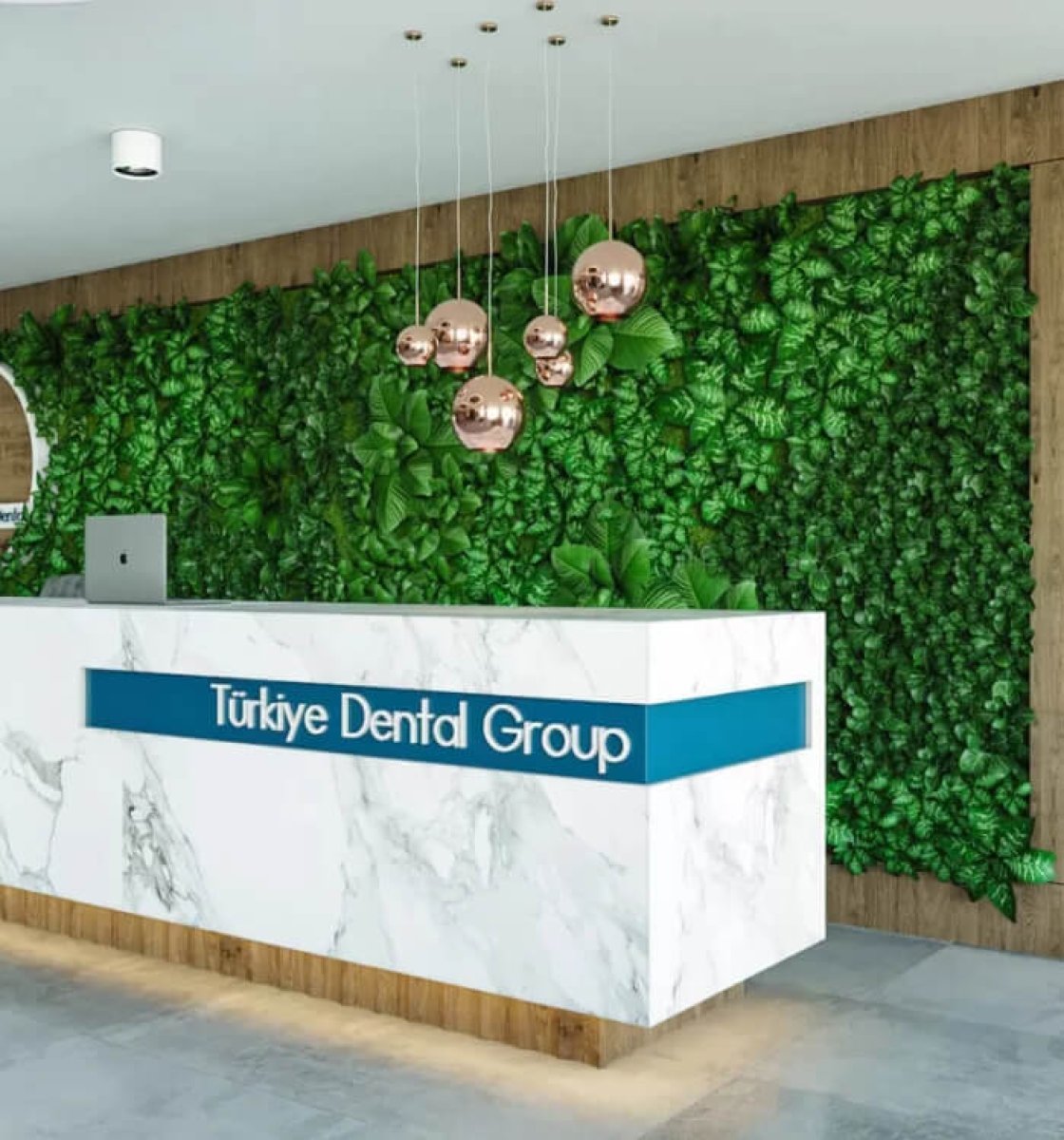

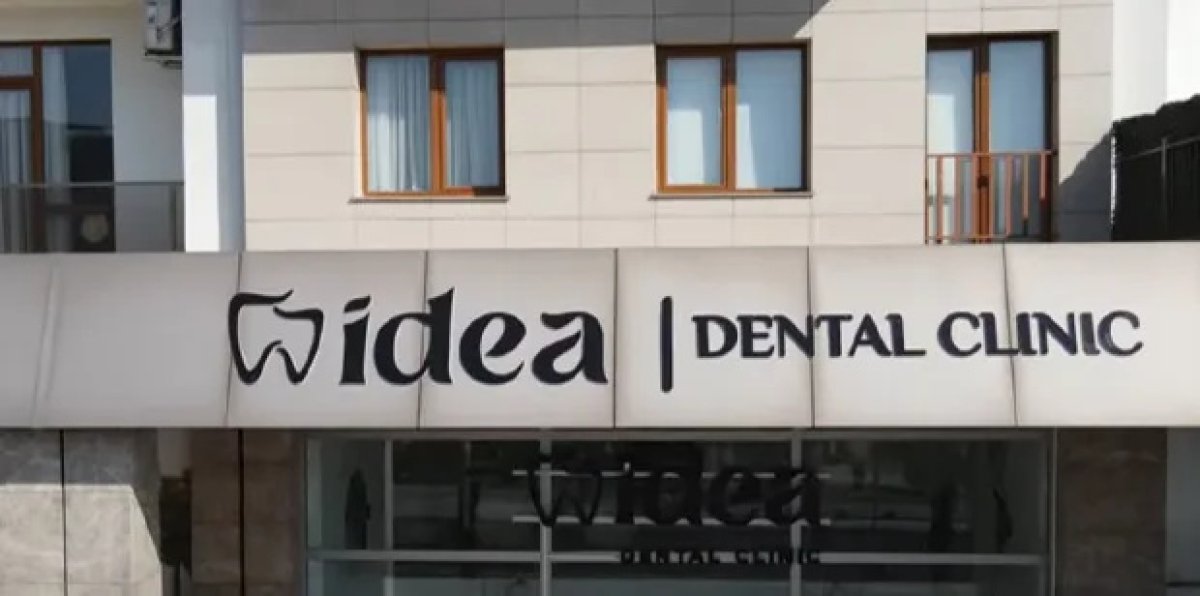

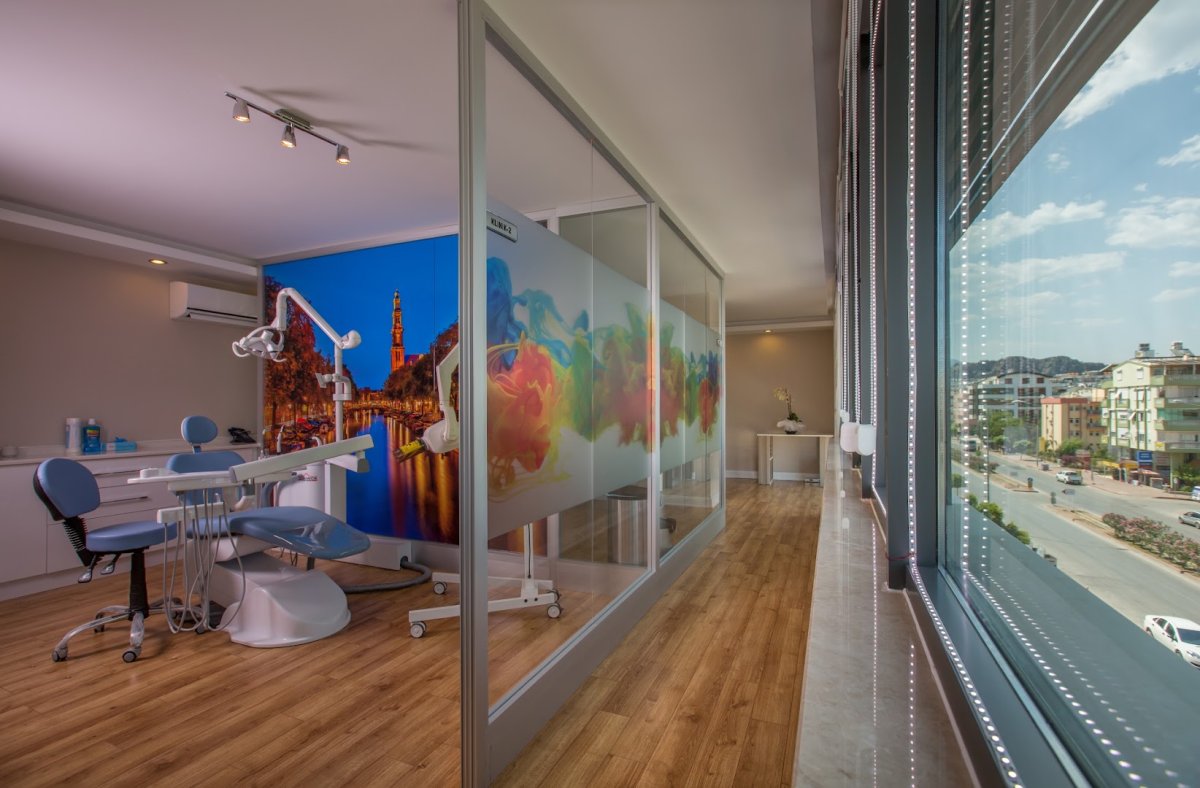
Descripción general de Dispositivos de anclaje temporal (TAD) en Turquía
- Dispositivos de anclaje temporal (TAD) - de $330El procedimiento consiste en tornillos minúsculos, tratamiento de ortodoncia de refuerzo, fácil de colocar y quitar, mínimas molestias, resultados excepcionales.
Día 1 - Llegada
- Llegada a la clínica para consulta preoperatoria.
- Reúnase con el ortodoncista para discutir los detalles del procedimiento.
Día 2 - Preoperatorio
- Hágase un examen dental completo.
- Someterse a las pruebas de imagen necesarias (rayos X, tomografía computarizada).
Día 3 - Colocación de Dispositivos de Anclaje Temporal (TADs)
- Llegada a la clínica para el procedimiento.
- Se administrará anestesia local.
- Se colocarán los TAD; el proceso demora unos 20 minutos.
- Se darán instrucciones de cuidados postoperatorios.
Día 4 - Postoperatorio
- Descanse y controle cualquier signo de infección.
- Siga las instrucciones de cuidado postoperatorio.
Semana 1 - Post-Operación
- Regrese a la clínica para un control postoperatorio.
- El ortodoncista revisará los TAD y el tejido circundante.
Semana 2 a 6 - Rehabilitación
- Continúe con la rutina habitual de higiene bucal.
- Se necesitarán ajustes regulares de ortodoncia.
Semana 8 - Resultado Final
- Regreso a las actividades normales, incluido el trabajo y los deportes.
- Disfruta de tu nueva y mejorada sonrisa.
Tenga en cuenta: el cronograma de recuperación de cada paciente puede variar según las circunstancias individuales.
- Depósito de Bookimed: 200 $ o 200 €.
- Depósito de la clínica: Pague un porcentaje fijo por adelantado.
Obtenga una evaluación médica de Dispositivos de anclaje temporal (TAD) en Turquía: haga una consulta con 14 médicos experimentados ahora
Ver todos los médicos
Asli Tapan Kavusturan
El Dr. Kavusturan se especializa en prótesis dentales e implantología en el Hospital Memorial Şişli, con más de 26 años de experiencia.
- Miembro del International Team for Implantology (ITI)
- Amplia formación en implantología oral y odontología protésica
- Participante en numerosos congresos dentales y exposiciones científicas
- Ejerce en uno de los hospitales líderes de Estambul

Altan Varol
El profesor Altan Varol se especializa en cirugía oral y maxilofacial en el Hospital Dental de la Universidad Bahçeşehir.
- Más de _doctor_8548_años_ de experiencia en cirugía oral
- Profesor asociado desde 2011, profesor titular desde 2016
- Formado en la Universidad de Marmara, una de las principales escuelas de odontología de Turquía
- Se centra en técnicas quirúrgicas avanzadas

Betul Balli Demirel
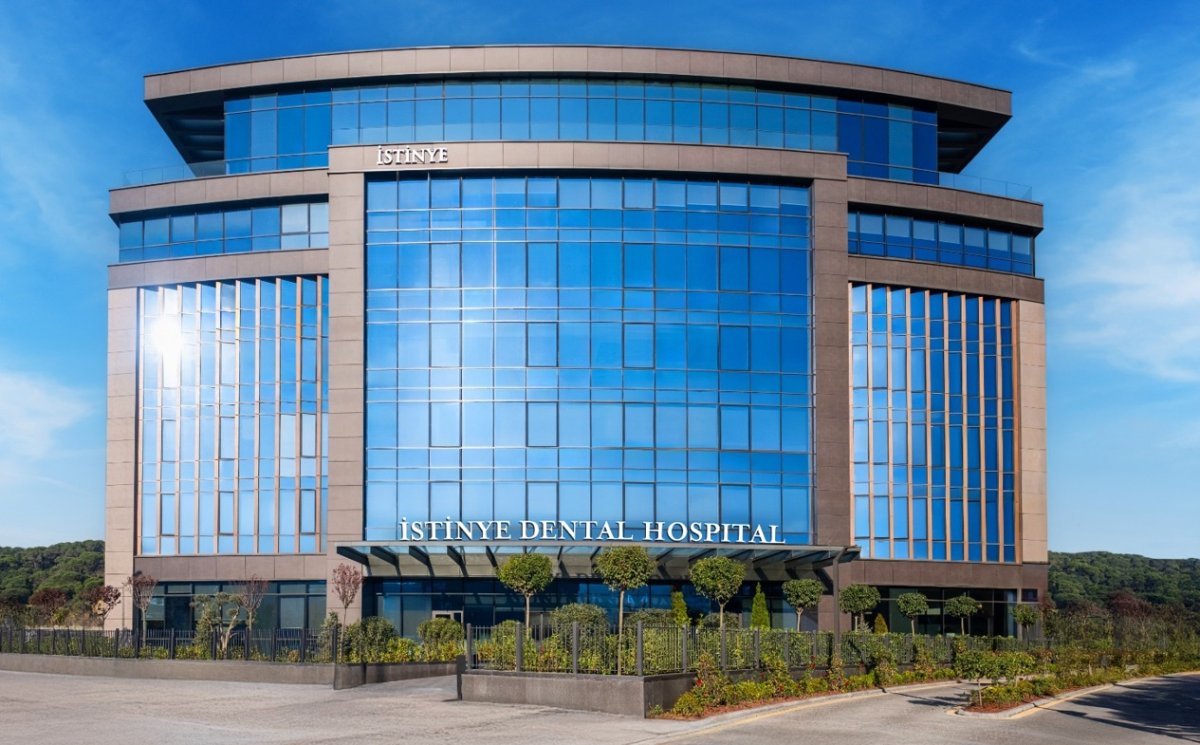
El Dr. Demirel se especializa en ortodoncia con formación avanzada en los sistemas Invisalign y Damon, ofreciendo tratamientos precisos con TADs en el Hospital Dental İstinye.
- Doctorado (Ph.D.) en Ortodoncia por la Universidad Biruni
- Proveedor certificado de los sistemas Invisalign y Damon
- Miembro de la Sociedad Turca de Ortodoncia y de la Asociación Turca de Alineadores
- Investigación publicada sobre tratamientos con aparatos funcionales fijos

Eren Pera
Especialista en Cirugía Oral y Maxilofacial con amplia formación en la Universidad de Ankara; actualmente dirige la clínica Hospitaprime en Estambul.
- Formado en múltiples disciplinas quirúrgicas, incluyendo Anestesiología y Cirugía Plástica
- Ex cirujano oral y maxilofacial en el Hospital Koru de Ankara
- Fundador de la clínica Hospitaprime, centrada en procedimientos dentales avanzados
- Graduado de la Facultad de Odontología de la Universidad Hacettepe
Historias en video de pacientes de Bookimed
Reseñas
Todas las reseñas
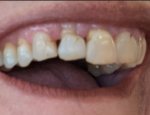

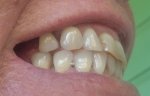



Compartir contenido
 Olena Sikoza
Preguntas frecuentes sobre Dispositivos de anclaje temporal (TAD) en Turquía
¿Cuándo es el mejor momento para ir a Turquía?
La principal ventaja de los resorts turcos es una larga temporada de playa. En la costa mediterránea, comienza en abril y dura hasta noviembre. En los centros turísticos del mar Egeo, de mayo a octubre. El momento más cómodo para nadar es desde mediados de junio hasta finales de octubre. Una gran afluencia de turistas ocurre en julio-agosto, cuando la temperatura del aire es de + 38 ° C y el agua se calienta a + 27 ° C.
¿Cuál es el nivel de la medicina en Turquía?
El cuidado de la salud es un sector de desarrollo clave del gobierno turco. Las autoridades turcas están convencidas de que el cuidado de la salud de los ciudadanos debe ser una prioridad incondicional de la política estatal y gastan anualmente alrededor de 77 mil millones de liras en atención médica.
Como resultado, 28,000 instalaciones médicas brindan excelente atención médica en el país. Alrededor de 50 centros están certificados por JCI (Comisión Internacional Conjunta) , un organismo internacional para mejorar la calidad y seguridad de los servicios médicos en todo el mundo. El índice de certificados recibidos es el más grande. A modo de comparación, hay 20 instituciones acreditadas por la JCI en Israel y solo 10 clínicas de este tipo en Alemania.
¿Qué necesitas saber sobre Turquía antes de tu viaje?
| Moneda | lira (el pago de los servicios también es posible en dólares y euros) |
| Mejor época para viajar | mayo-octubre |
| Idioma | Turco (la mayoría del personal médico habla inglés con fluidez) |
| Visa | no se requiere para viajar al menos 30 días por visita |
| Diferencia horaria con Europa | 3 horas |
| Diferencia horaria de Estados Unidos | 8 en punto |
| Capital | Ankara |
| Centro de Turismo Médico | Estanbul |
| Estaciones populares | Alanya, Antalya, Kemer, Marmaris |
¿Necesito una visa?
Para 2020, la República de Turquía tiene acuerdos sin visa con 89 estados. Algunos extranjeros están exentos de obtener una visa de entrada, otros deben obtener una visa electrónica (e-Visa) y otros deben solicitar una visa en las representaciones turcas en el extranjero.
Qué estados necesitan una visa para el tratamiento en Turquía y qué países puede cruzar libremente la frontera fácil y simplemente lea aquí .
¿Qué documentos se requieren para solicitar una visa a Turquía para recibir tratamiento?
Las visas para viajar a Turquía requieren una serie de documentos . La documentación necesaria se puede presentar 90 días antes de la salida prevista. La lista de documentos incluye:
- tarjeta de identificación
- confirmación del registro en línea y llenado del cuestionario
- certificado de ingresos y disponibilidad de fondos ($ 50 por día por persona)
- póliza de seguro de estancia en Turquía (original y copia)
- 2 fotos (5x6)
- obtener una visa
- reserva de vuelos y hoteles
- opinión del médico sobre la necesidad de tratamiento.
¿Qué servicios hoteleros se brindan aquí?
En Turquía hay hoteles de diferentes rangos de precios y niveles de servicio. El nivel de los hoteles turcos es comparable al de los hoteles de Túnez, Marruecos o Egipto. La mayoría de los turistas eligen hoteles de 4 y 5 estrellas con comidas todo incluido. Dichos hoteles tienen todo para una estancia confortable: comida variada, amplio territorio bien cuidado, animación para niños y adultos. Algunos hoteles tienen su propio parque acuático, que los huéspedes pueden utilizar de forma gratuita. Los viajeros con poco presupuesto pueden permitirse reservar un hotel económico de 3 estrellas con media pensión o sin comidas.