Inyecciones en las cuerdas vocales en Turquía — obtén 3 clínicas con costos


Revisado médicamente por
Fahad Mawlood
¿Cuál es el precio de Inyecciones en las cuerdas vocales en Turquía? Descubra ahora
El costo de las inyecciones en las cuerdas vocales en Turquía suele oscilar entre $650 y $1,300. Los precios varían según la clínica, la experiencia del médico, el tipo de material de inyección (ácido hialurónico, colágeno o grasa autóloga) y si el procedimiento se realiza con anestesia local o general.
Las clínicas turcas suelen incluir la consulta inicial, la evaluación preoperatoria, la medicación postoperatoria, las visitas de seguimiento y el soporte al paciente las 24 horas. El personal que habla inglés y un plan de tratamiento personalizado son estándar. En Estados Unidos, la tarifa base puede cubrir solo el procedimiento, con cargos separados por consultas, seguimientos y cuidados posteriores. Siempre confirmar qué está incluido con la clínica elegida.
| España | Turquía | México | |
|---|---|---|---|
| Inyecciones en las cuerdas vocales | ≈ $1,100 | ≈ $650 | ≈ $1,100 |
Sus beneficios y garantías con Bookimed
Precios directos
Bookimed no añade cargos adicionales a los precios de Inyecciones en las cuerdas vocales. Las tarifas proceden de las listas de precios oficiales de las clínicas. Pagará directamente en la clínica por su Inyecciones en las cuerdas vocales a su llegada al país.
Sólo clínicas y médicos verificados
Bookimed está comprometido con su seguridad. Solo trabajamos con las clínicas que mantienen altos estándares internacionales en Inyecciones en las cuerdas vocales y tienen las licencias necesarias para atender a pacientes internacionales en todo el mundo.
Asistencia 24/7 gratuita
Bookimed ofrece asistencia experta gratuita. Un coordinador médico personal le apoya antes, durante y después del tratamiento, resolviendo cualquier problema. Nunca estará solo en su viaje médico de Inyecciones en las cuerdas vocales.

Su coordinador médico personal de Bookimed
- Le apoya en cada etapa
- Ayuda a elegir la clínica y el médico adecuados
- Asegura un acceso rápido y conveniente a la información
Descubra las mejores clínicas de Inyecciones en las cuerdas vocales en Turquía: 4 opciones verificadas y Precios





Hospital Lokman Hekim de Estambul (Lokman Hekim Istanbul Hospital)

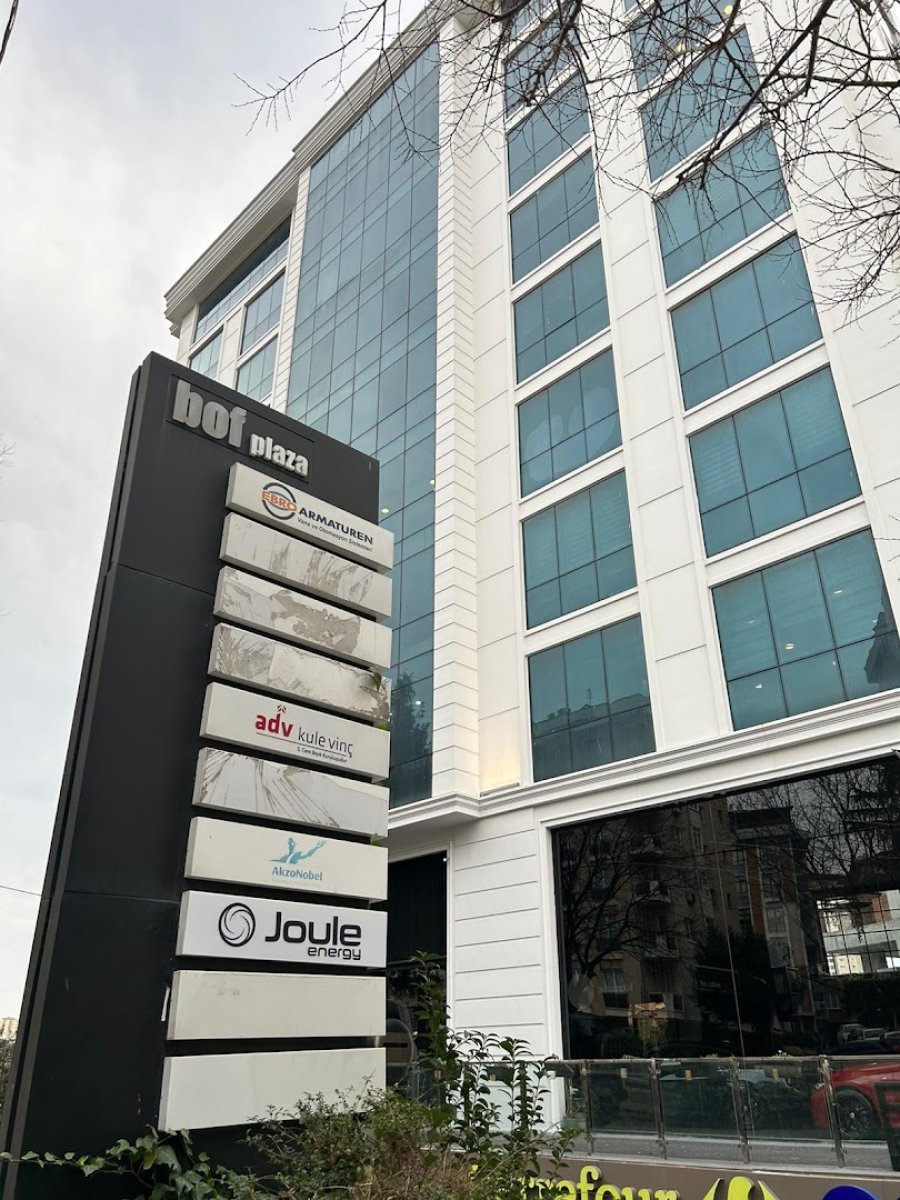
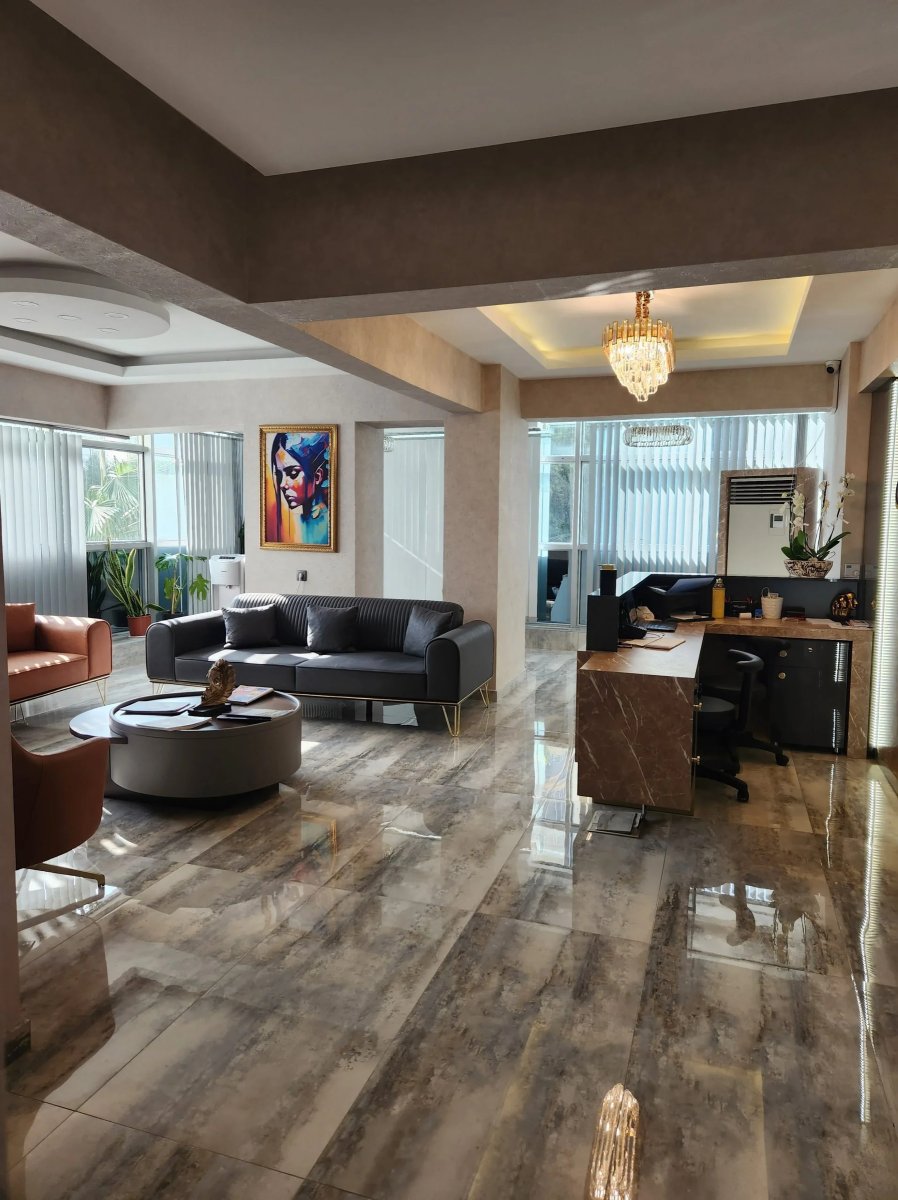
Descripción general de Inyecciones en las cuerdas vocales en Turquía
- Depósito de Bookimed: 200 $ o 200 €.
- Depósito de la clínica: Pague un porcentaje fijo por adelantado.
Obtenga una evaluación médica para Inyecciones en las cuerdas vocales en Turquía: Elija su especialista entre los mejores en el campo
Ver todos los médicos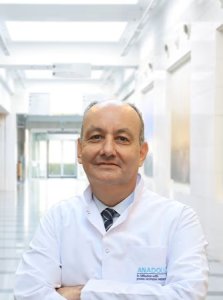
Mehmet Emre Ustundag
El Prof. Dr. Mehmet Emre Ustundag se especializa en inyecciones en las cuerdas vocales, con una amplia formación en laringología en la Universidad de Stanford.
- Profesor de Otorrinolaringología con más de 30 años de experiencia
- Formado en técnicas avanzadas en instituciones internacionales de primer nivel
- Miembro de sociedades de otorrinolaringología turcas y alemanas
- Ha publicado 47 artículos internacionales con 788 citas
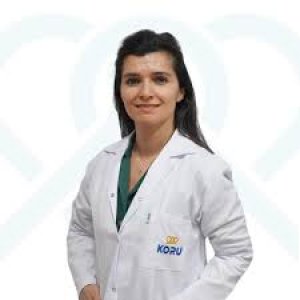
Elif Koclu Hetemoglu
El médico es un especialista altamente capacitado en otorrinolaringología (ORL), habiendo completado su formación de residencia en la Clínica de ORL de la Universidad de Başkent. Con una sólida base académica de la Facultad de Medicina de la Universidad de Ankara, el médico actualmente está avanzando en su experiencia a través de un programa de doctorado en anatomía clínica.
La práctica clínica del médico se centra en cirugías de ORL pediátricas, cirugía endoscópica de senos paranasales
Historias en video de pacientes de Bookimed
Reseñas
Todas las reseñas





Compartir contenido
 Olena Sikoza
Preguntas frecuentes sobre Inyecciones en las cuerdas vocales en Turquía
¿Cuál es el propósito principal de una inyección en las cuerdas vocales?
Las inyecciones en las cuerdas vocales sirven principalmente para dar volumen a una cuerda vocal debilitada o paralizada con el fin de restaurar la calidad de la voz y la seguridad al tragar. Este procedimiento cierra el espacio entre las cuerdas, conocido como medialización, para tratar la voz soplada, la atrofia y las cicatrices, al tiempo que evita que los alimentos entren en las vías respiratorias.
- Restauración de la voz: Trata la disfonía y la voz soplada causadas por parálisis o adelgazamiento relacionado con la edad.
- Prevención de la aspiración: Permite un cierre eficaz de las cuerdas vocales para proteger las vías respiratorias durante la deglución.
- Mejora de la tos: Aumenta el volumen de las cuerdas para permitir una aclaración de garganta más fuerte y protectora.
- Prueba diagnóstica: Utiliza rellenos temporales para probar los resultados antes de realizar una medialización quirúrgica permanente.
Opinión de expertos de Bookimed: Aunque muchos piensan que es una solución para los nódulos, está específicamente indicada para la parálisis y la atrofia. Los datos de clínicas como el Hospital Hisar muestran una tendencia hacia procedimientos en consultorio utilizando hidroxiapatita de calcio. Este material dura hasta 18 meses, significativamente más que las pruebas estándar con ácido hialurónico.
Consenso de los pacient
¿Qué materiales se utilizan habitualmente para la inyección y cuánto duran los efectos?
Las inyecciones en las cuerdas vocales en Turquía utilizan principalmente ácido hialurónico, hidroxiapatita de calcio o grasa autóloga para restaurar el volumen y la claridad de la voz. Los efectos suelen durar de 3 a 12 meses, aunque la duración varía según el material elegido, su tasa metabólica y la intensidad vocal.
- Ácido hialurónico: Los rellenos comunes como Restylane proporcionan un alivio temporal que dura de 4 a 8 meses.
- Hidroxiapatita de calcio: Los materiales más espesos como Radiesse ofrecen resultados más duraderos durante 9 a 12 meses.
- Grasa autóloga: Obtenidas de su propio cuerpo, estas inyecciones pueden persistir de 6 a 18 meses.
- Costos del procedimiento: El tratamiento en Turquía cuesta entre $650 y $1,300 en instalaciones acreditadas por la JCI.
Perspectiva del experto de Bookimed: Aunque muchos eligen rellenos temporales, profesores como Mehmet Emre Ustundag en el Centro Médico Anadolu integran una formación especializada en laringología. Los datos muestran que los cantantes profesionales a menudo experimentan una absorción más rápida del material debido a la vibración de alta frecuencia de las cuerdas vocales. Recomendamos combinar las inyecciones con terapia de voz especializada en Estambul para maximizar la longevidad de sus resultados.
Consenso de los pacientes:
¿Cuánto dura el periodo de recuperación tras las inyecciones en las cuerdas vocales?
La recuperación tras las inyecciones en las cuerdas vocales requiere normalmente un reposo vocal inicial de 24 a 48 horas. Los pacientes suelen recuperar el habla normal en un plazo de 1 a 2 semanas a medida que disminuye la inflamación temporal. La mejora vocal completa suele estabilizarse entre las 4 semanas y los 3 meses, dependiendo del material de relleno utilizado.
- Reposo vocal inicial: Evite estrictamente hablar, susurrar o tararear durante las primeras 48 horas tras el procedimiento.
- Restricciones dietéticas: Espere de 1 a 2 horas antes de comer hasta que el efecto de la medicación anestésica desaparezca por completo.
- Límites de actividad: Reanude la mayoría de las tareas diarias inmediatamente, pero evite levantar objetos pesados durante 7 días completos.
- Control de los síntomas: Espere ronquera temporal o una voz entrecortada durante los primeros 14 días de recuperación.
Perspectiva del experto de Bookimed: Aunque muchos esperan resultados inmediatos, los datos de Bookimed muestran un patrón común en el que la voz suena temporalmente peor los días 2 o 3 debido al pico de inflamación. Cirujanos expertos como el Dr. Mehmet Emre Ustundag del Anadolu Medical Center enfatizan que este breve descenso es una parte normal del proceso de curación antes de que la claridad significativa regrese para la segunda semana.
Cons
¿Puedo comer o beber inmediatamente después de la inyección?
Los pacientes generalmente deben esperar de 2 a 3 horas antes de comer o beber después de las inyecciones en las cuerdas vocales en Turquía. Este retraso asegura que la anestesia local desaparezca para prevenir la aspiración o el atragantamiento. La mayoría de las clínicas de Estambul recomiendan comenzar con líquidos claros a temperatura ambiente antes de pasar a alimentos blandos.
- Prevención de la aspiración: Esperar 2 horas permite que el entumecimiento de la garganta disminuya para una deglución segura.
- Progresión dietética: Comience con agua seguida de alimentos blandos durante 4 horas.
- Control de temperatura: Evite las bebidas calientes durante 24 horas para minimizar la inflamación de las cuerdas vocales.
- Monitoreo experto: Cirujanos como el Dr. Yasar Cokkeser aconsejan monitorear cualquier dificultad persistente para tragar.
Perspectiva de expertos de Bookimed: Aunque muchos procedimientos permiten comer de inmediato, el gran volumen de pacientes en centros acreditados por la JCI como el Hospital Hisar destaca una tendencia crítica: la seguridad respiratoria. Los especialistas allí enfatizan un ayuno estricto de 2 horas porque la inyección afecta el mecanismo mismo que protege sus vías respiratorias al tragar.
Consenso de los pacientes: Los pacientes enfatizan que incluso beber agua demasiado pronto se si
¿Quiénes son los mejores especialistas en inyecciones de cuerdas vocales en Turquía y dónde ejercen?
Los principales laringólogos para inyecciones en cuerdas vocales en Turquía incluyen al Prof. Dr. Yasar Cokkeser en el Istinye University Liv Hospital y al Prof. Dr. Mehmet Emre Ustundag en el Anadolu Medical Center. Estos especialistas utilizan rellenos avanzados para tratar los pliegues vocales en instalaciones acreditadas por la JCI en Estambul y Gebze.
- Dr. Yasar Cokkeser: Ejerce en el Istinye Liv Hospital con formación en Johns Hopkins y el House Ear Institute.
- Dr. Mehmet Ustundag: Especialista en laringología en el Anadolu Medical Center tras una formación avanzada en la Universidad de Stanford.
- Dr. Kursat Yelken: Dirige una clínica de voz dedicada en Estambul centrada en rellenos y estética vocal.
- Estándares de las instalaciones: La mayoría de los procedimientos se realizan en hospitales acreditados por la JCI como el Hisar Intercontinental o el Memorial Sisli Hospital.
Perspectiva del experto de Bookimed: Aunque muchos médicos otorrinolaringólogos generales ofrecen inyecciones básicas, elegir a un especialista afiliado a una clínica de voz dedicada, como las del Liv Hospital, garantiza el acceso a materiales específicos como la hidroxiapatita de calcio. Los datos muestran que estos centros especializados manejan un mayor volumen de cantantes profesionales, lo que a menudo conduce a resultados más precisos en el control del tono.<