Catarata Tratamiento en Estados Unidos — Costos 2026


Revisado médicamente por
Fahad Mawlood
¿Cuál es el precio del diagnóstico y los tratamientos de Catarata en Estados Unidos? Descubra ahora
El costo del tratamiento de cataratas en los Estados Unidos de América generalmente incluye una consulta con un oftalmólogo que oscila entre $300 y $450, y procedimientos primarios como la cirugía de cataratas (un ojo) que van desde $3,800 hasta $6,800. Los gastos totales dependen del tipo de lente seleccionado, la tecnología quirúrgica y el entorno clínico. Las principales ciudades para la atención ocular especializada incluyen Baltimore, Nueva York y Los Ángeles.
Costos típicos del tratamiento de cataratas en los Estados Unidos de América
- Consulta con un oftalmólogo: $300 – $450
- Investigación oftalmológica: $300 – $550
- Examen con lámpara de hendidura: $250 – $500
- Ecografía ocular: $250 – $600
- Cirugía de cataratas con reemplazo de LIO: $3,500 – $5,500
- Cirugía de cataratas (un ojo): $3,800 – $6,800
- Cirugía de cataratas (ambos ojos): $7,500 – $11,500
- Láser de femtosegundo: $3,600 – $5,200
- Vitrectomía: $9,500 – $19,000
- Análisis de sangre extendido: de $250
Perspectiva de expertos de Bookimed: Los pacientes que buscan excelencia académica deben considerar instituciones multidisciplinarias para casos complejos. El Hospital Johns Hopkins en Maryland atiende a pacientes de 49 estados. Este centro es ideal para quienes requieren atención integrada de especialistas de última generación. Elegir facultades de medicina de alto volumen garantiza el acceso a las innovaciones quirúrgicas más recientes. Para procedimientos estándar, los centros quirúrgicos independientes a menudo ofrecen opciones ambulatorias más rentables que los grandes departamentos hospitalarios.
| Estados Unidos | España | Turquía | |
|---|---|---|---|
| Vitrectomía | ≈ $9,500 | de $3,900 | de $4,600 |
| Láser de femtosegundo | ≈ $3,600 | de $1,000 | de $890 |
| Cirugía de cataratas con reemplazo de LIO | ≈ $3,500 | de $10,100 | de $1,300 |
| Cirugía de cataratas (un ojo) | ≈ $3,800 | de $3,500 | de $1,200 |
| Cirugía de cataratas (ambos ojos) | ≈ $7,500 | de $10,100 | de $2,000 |
Sus beneficios y garantías con Bookimed
Precios directos
Bookimed no añade cargos extra a los precios de los tratamientos de Catarata. Las tarifas proceden de las listas de precios oficiales de las clínicas. Pagará directamente en la clínica por su tratamiento a su llegada al país.
Sólo clínicas y médicos verificados
Bookimed está comprometido con su seguridad. Solo trabajamos con las clínicas que mantienen altos estándares internacionales en el tratamiento de Catarata y cuentan con las licencias necesarias para atender a pacientes internacionales en todo el mundo.
Asistencia 24/7 gratuita
Bookimed ofrece asistencia experta gratuita. Un coordinador médico personal le apoya antes, durante y después de su tratamiento, resolviendo cualquier problema. Nunca estará solo en su viaje médico de tratamiento de Catarata.

Su coordinador médico personal de Bookimed
- Le apoya en cada etapa
- Ayuda a elegir la clínica y el médico adecuados
- Asegura un acceso rápido y conveniente a la información
Descubra las mejores clínicas de tratamiento de Catarata en Estados Unidos: 2 opciones verificadas y Precios
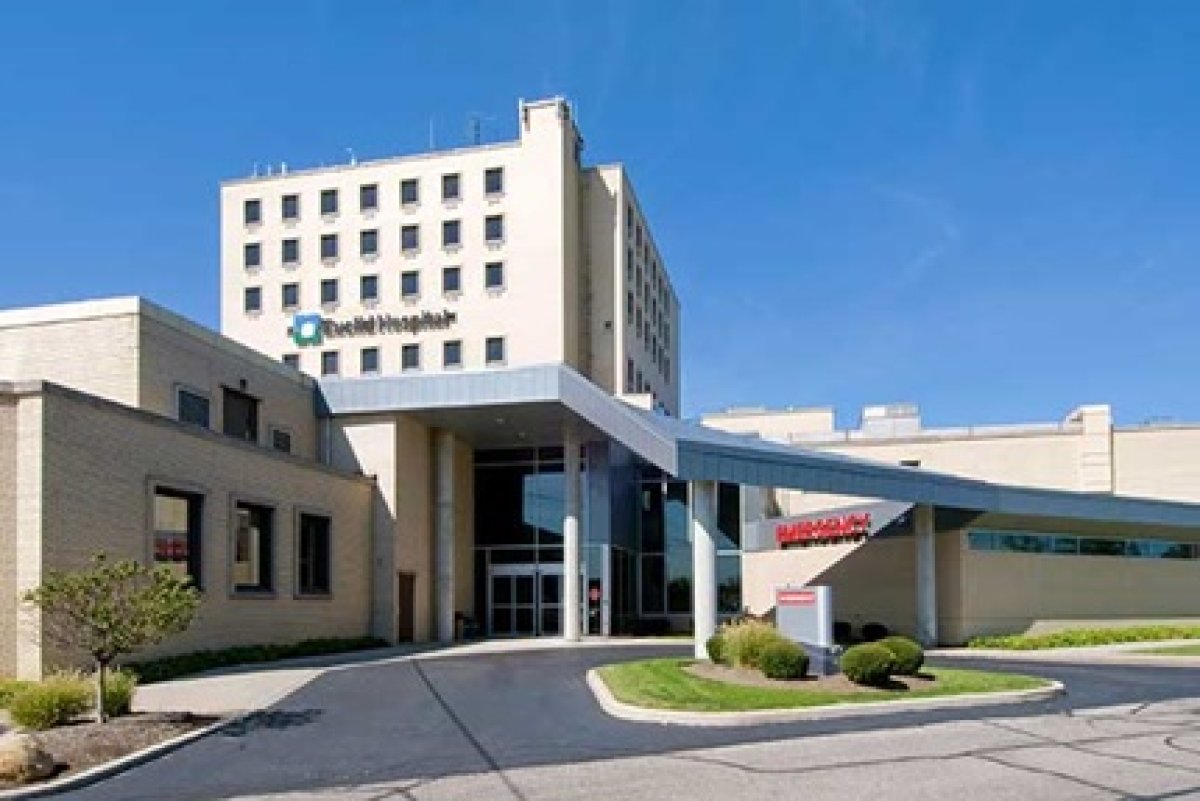





Johns Hopkins Hospital
Compartir contenido
Historias en video de pacientes de Bookimed
 Olena Sikoza
Preguntas frecuentes sobre el tratamiento de Catarata en Estados Unidos
¿Cómo sé si realmente necesito una cirugía de cataratas?
Los pacientes requieren cirugía de cataratas una vez que la opacidad interfiere con las actividades diarias como conducir o leer. Los síntomas comunes incluyen deslumbramiento nocturno, halos alrededor de las farolas y una percepción de color desvanecida. Los especialistas recomiendan la cirugía cuando la pérdida de visión limita la independencia o impide el control de otras afecciones oculares graves como el glaucoma.
- Impacto diario: La cirugía es necesaria cuando la pérdida de visión le impide trabajar o cocinar.
- Riesgos de seguridad: La dificultad para conducir de noche debido al deslumbramiento y los halos indica una necesidad quirúrgica.
- Necesidad médica: Las cataratas densas deben eliminarse para controlar la retina o la degeneración macular.
- Diagnóstico avanzado: Los cirujanos utilizan OCT y exámenes con lámpara de hendidura para confirmar la etapa de la catarata.
Perspectiva del experto de Bookimed: Los pacientes estadounidenses deben verificar si su visión es de 20/40 o peor antes de optar por la cirugía. Los proveedores de seguros y Medicare a menudo utilizan este punto de referencia para la elegibilidad de cobertura. Si bien los paquetes para un ojo cuestan entre $3,500 y $6,000, confirmar la necesidad clínica evita gastos de bolsillo prematuros.
Consenso de los pacientes: Los pacientes señalan que es
¿Cuáles son los principales tipos de cirugía de cataratas disponibles en los Estados Unidos?
La cirugía de cataratas en los Estados Unidos implica principalmente tres técnicas para reemplazar los cristalinos opacos. La facoemulsificación sigue siendo el estándar nacional debido a su naturaleza mínimamente invasiva. Los cirujanos también ofrecen opciones asistidas por láser para una mayor precisión. La extracción extracapsular se reserva para cataratas avanzadas y densas que requieren extracción manual.
- Facoemulsificación: Utiliza ondas de ultrasonido para fragmentar el cristalino a través de una pequeña incisión de 2-3 mm.
- Cirugía asistida por láser: Emplea un láser de femtosegundo para incisiones y ablandamiento del cristalino antes de su extracción.
- Extracción extracapsular: Requiere una incisión más grande de 10-12 mm para eliminar cataratas muy duras y densas.
- Reemplazo de LIO: Todos los tipos incluyen una lente artificial permanente para restaurar una visión clara y nítida.
Perspectiva del experto de Bookimed: Aunque la cirugía asistida por láser cuesta aproximadamente entre 4.200 y 8.000 dólares, los datos del mercado muestran que la facoemulsificación estándar logra resultados visuales similares. Centros estadounidenses especializados como el Johns Hopkins Hospital atienden a pacientes de 49 estados. La elección de la lente intraocular adecuada a menudo influye más en la satisfacción a largo plazo que el método quirúrgic
¿Qué complicaciones o problemas a largo plazo debo tener en cuenta?
La cirugía de cataratas en los EE. UU. tiene una tasa de éxito del 95 %. Los problemas comunes a largo plazo incluyen la opacificación de la cápsula posterior (PCO). Esto afecta al 20 % al 50 % de los pacientes en un plazo de 5 años. Los riesgos graves como el desprendimiento de retina o la endoftalmitis ocurren en menos del 1 % de los casos.
- Opacidad de la cápsula: La PCO causa visión borrosa años después. Un láser YAG rápido lo soluciona.
- Alteraciones visuales: El deslumbramiento o los halos afectan al 5 % al 10 % de los usuarios de lentes multifocales premium.
- Problemas de superficie: La cirugía puede empeorar el ojo seco. Esto a menudo requiere gotas medicinales a largo plazo.
- Desplazamiento de la lente: Las lentes tóricas premium pueden rotar en el 1 % al 2 % de los pacientes.
Perspectiva del experto de Bookimed: Los costos de la cirugía de cataratas en EE. UU. varían significativamente según el tipo de lente. Los paquetes monofocales básicos comienzan alrededor de $3,500. Elegir una lente multifocal para ambos ojos puede aumentar el total a aproximadamente $11,500. Los centros de alto volumen como el Johns Hopkins Hospital se especializan en casos complejos. Los pacientes que visitan desde 49 estados a menudo priorizan estos centros por sus técnicas avanzadas asistidas por láser.
Consenso de los pacientes:
¿Cuánto dura el período de recuperación después de una cirugía de cataratas?
La recuperación completa de una cirugía de cataratas suele tomar de 4 a 8 semanas. La mayoría de los pacientes notan una visión más clara dentro de las 24 a 48 horas. La incisión quirúrgica generalmente se sella por completo para la sexta semana. La estabilización final de la visión permite nuevas recetas de anteojos en esta etapa.
- Visión inmediata: Muchos pacientes logran una visión de 20/40 o mejor al día siguiente.
- Reanudación de actividades: La mayoría de las personas regresan al trabajo de escritorio y a la lectura en un plazo de 2 a 4 días.
- Restricciones físicas: Evite levantar objetos pesados y agacharse durante al menos 1 a 2 semanas.
- Protección ocular: Use un protector ocular mientras duerme durante los primeros 14 días.
Perspectiva del experto de Bookimed: Aunque la curación completa lleva semanas, la ventana funcional es mucho más corta. Los datos de instituciones líderes como el Hospital Johns Hopkins indican que los altos volúmenes de pacientes conducen a protocolos postoperatorios estandarizados y eficientes. Los pacientes a menudo pasan por alto que del 20% al 30% de los casos experimentan un empeoramiento temporal del ojo seco. Abastecerse de lágrimas artificiales sin conservantes antes de la cirugía ayuda a manejar esta fase común de manera efectiva.
Consenso de los pacientes: Los pacientes señal
¿Qué opciones de implantes de lentes (LIO) existen y cómo afectan a la visión?
La cirugía de cataratas en los Estados Unidos utiliza implantes de lentes intraoculares (LIO) para restaurar la visión. Las lentes monofocales estándar proporcionan claridad a una distancia. Las opciones premium como las lentes multifocales, trifocales y EDOF ofrecen un rango más amplio. Algunos diseños avanzados también corrigen el astigmatismo o permiten ajustes postquirúrgicos.
- Lentes monofocales: Proporcionan una visión de lejos nítida, pero generalmente requieren gafas de lectura.
- Multifocales y trifocales: Crean múltiples zonas focales para reducir la dependencia de las gafas.
- Lentes EDOF: Los diseños de profundidad de foco extendida cubren la brecha para el trabajo con computadora.
- Implantes tóricos: Formas especializadas que corrigen el astigmatismo corneal para una visión general más clara.
- Lentes ajustables por luz: Estos implantes fotosensibles permiten a los médicos ajustar la visión después de la cirugía.
Perspectiva del experto de Bookimed: Aunque muchos se centran en las marcas de lentes, la elección de la técnica quirúrgica es igual de importante. Centros académicos como el Johns Hopkins Hospital atienden a pacientes de 49 estados utilizando métodos avanzados. A menudo combinan LIO premium con tecnología láser de femtosegundo para una mayor precisión en la colocación. Esta combinación es particu
¿Medicare o el seguro privado cubren la cirugía de cataratas y los elementos relacionados?
Medicare y el seguro médico privado suelen cubrir la cirugía de cataratas cuando es médicamente necesaria. Medicare Parte B cubre el procedimiento en entornos ambulatorios. La cobertura incluye los honorarios del cirujano, los costos de las instalaciones y las lentes monofocales estándar. Se cubre un par de anteojos o lentes de contacto después de la cirugía.
- Medicare Parte B: Los pacientes generalmente pagan el 20% del monto aprobado por Medicare.
- Requisito de deducible: Se debe cumplir con el deducible anual de la Parte B antes de que comience la cobertura.
- Seguro privado: La mayoría de los planes cubren la cirugía básica una vez que se confirma clínicamente la discapacidad visual.
- Actualizaciones premium: Los pacientes generalmente pagan de su bolsillo por lentes multifocales o tóricas para corregir el astigmatismo.
Perspectiva del experto de Bookimed: Los costos reales a menudo superan las expectativas básicas debido a las tarifas de las instalaciones. Si bien Medicare cubre la cirugía, los centros ambulatorios pueden cobrar tarifas por separado. Los pacientes deben confirmar si su cirujano y el centro están dentro de la red. Esto evita la facturación de saldos, que puede agregar $1,000 a la factura final. Los centros de gran volumen como el Hospital Johns Hopkins se especializan en gestionar estas complejas reclamaciones de seguros
¿Medicare paga las gafas después de una cirugía de cataratas?
Medicare Parte B cubre un par de gafas o lentes de contacto después de cada cirugía de cataratas con implante de lente intraocular. Esta necesidad médica surge porque la cirugía cambia la graduación de los ojos. Los pacientes pagan el 20% del monto aprobado por Medicare después de cumplir con su deducible anual.
- Límite de cobertura: Medicare paga por un juego de monturas estándar y lentes básicos.
- Requisito del proveedor: Debe comprar las gafas a un proveedor inscrito en Medicare.
- Costos de mejora: Los pacientes pagan todos los costos de lentes progresivos o recubrimientos antirreflejantes.
- Período de espera: Los médicos recomiendan esperar de 4 a 6 semanas para que la visión se estabilice.
Perspectiva de expertos de Bookimed: Los pacientes en centros de alto volumen como el Johns Hopkins Hospital a menudo enfrentan una brecha de cobertura con las lentes intraoculares premium. Medicare estandariza el beneficio de gafas independientemente del tipo de lente implantado durante la cirugía. Si elige implantes multifocales o tóricos, el programa solo compensa las gafas básicas de visión sencilla. Elegir un optometrista fuera del hospital para sus monturas a menudo reduce el saldo restante de su bolsillo después de aplicar el subsidio de Medicare.
Consenso de los pacientes: Los pacientes señalan que Medicare solo cubre