

Ir a inicio
4.6/5
TrustPilot

Los mejores médicos del tratamiento de Queratocono en Tesalónica - TOP-1 médicos

Compara a los mejores médicos de Queratocono y precios en Grecia. Encuentra aquí tu mejor opción.

Recibe cotizaciones de 3 de los mejores especialistas en en Grecia

Seleccionaremos los mejores médicos según tus necesidades y presupuesto.

Mejores médicos

1

Grecia

Reseñas

14000+

De pacientes reales

Recibe planes de tratamiento personalizados gratuitos y elige la mejor opción. Sin compromiso · Sin pagos por nuestros servicios

Mostrar primero:

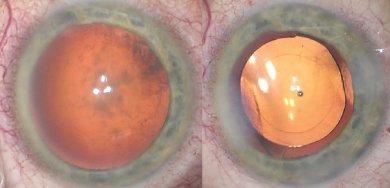
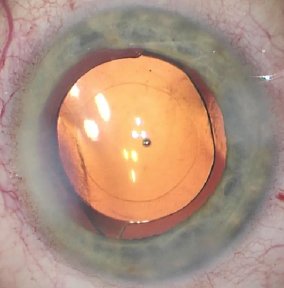
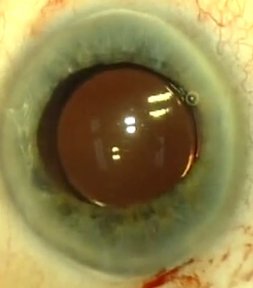
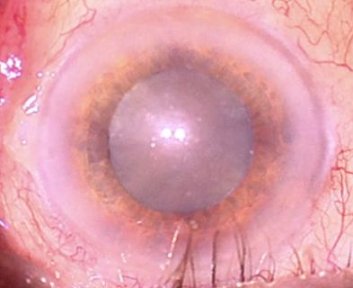
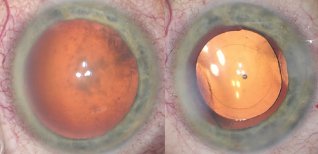
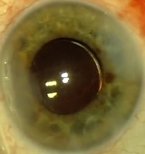
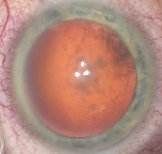
Resultados antes y después de cirugía de cataratas con LIO en clínica Dr Nikolaos I Dervenis
Resultados antes y después de trasplante de retina en clínica Dr Nikolaos I Dervenis, mejora
Resultado antes y después de cirugía de cataratas con LIO en Dr Nikolaos I Dervenis
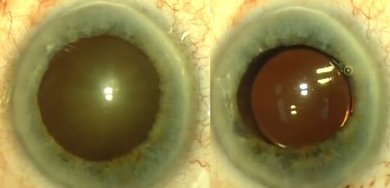
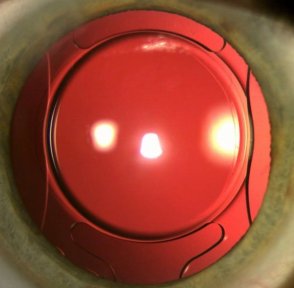
Resultado de cirugía de cataratas con lente multifocal en clínica Dr Nikolaos I Dervenis
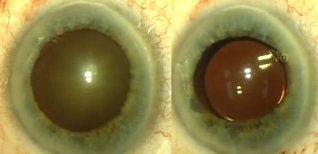
Resultado de cirugía de cataratas en un ojo en la clínica Dr Nikolaos I Dervenis MD, MSc, PhD, FEBO
Resultado de cirugía de desprendimiento de retina en Dr Nikolaos I Dervenis, retina restaurada
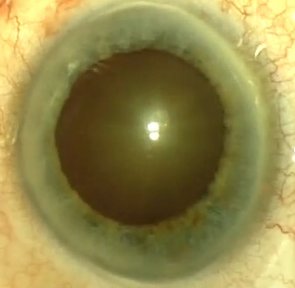
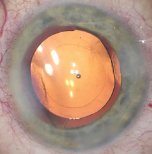
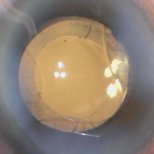
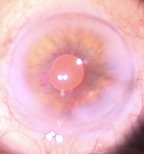
Resultado de cirugía de cataratas en Dr Nikolaos I Dervenis MD, MSc, PhD, FEBO – lente clara
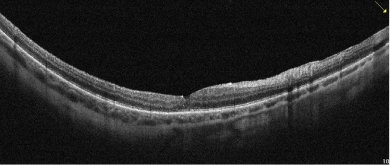
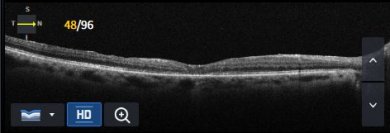
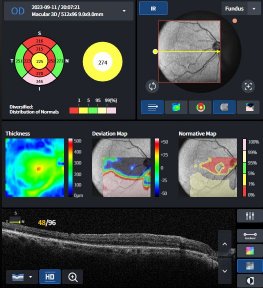
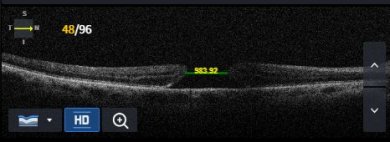
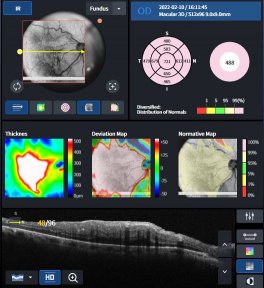
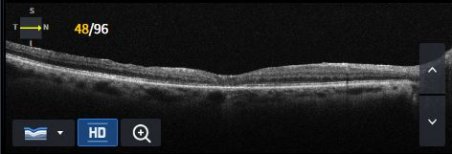
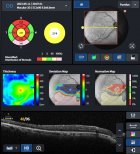
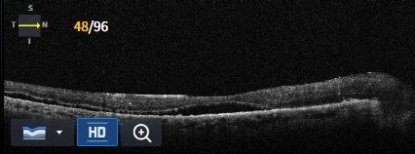
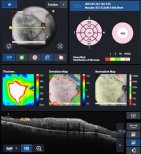
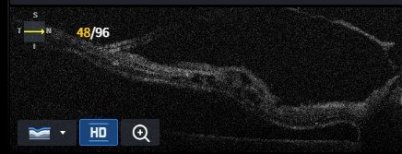
OCT tras vitrectomía en Dr Nikolaos I Dervenis MD, MSc, PhD, FEBO - mejora de la retina
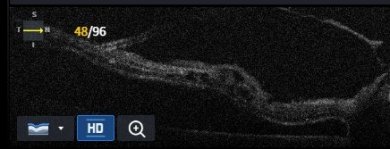
OCT macular tras vitrectomía en Dr Nikolaos I Dervenis MD, MSc, PhD, FEBO – mejora de la retina
Resultado tras cirugía de cataratas con lente multifocal en la clínica Dr Nikolaos I Dervenis
Resultado tras cirugía de cataratas en Dr Nikolaos I Dervenis MD, MSc, PhD, FEBO - lente clara
Resultado de cirugía de cataratas en ambos ojos en Dr Nikolaos I Dervenis MD, reemplazo de lente
Resultado de cirugía de cataratas con lente multifocal en clínica Dr Nikolaos I Dervenis
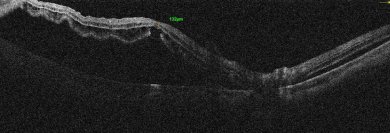
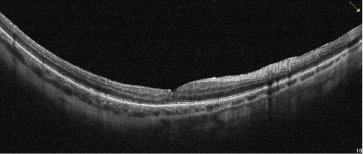
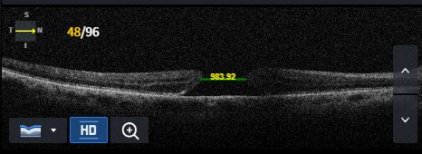
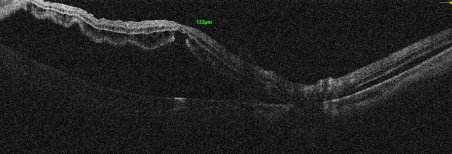
Escaneo OCT mostrando desprendimiento de retina antes de cirugía en Dr Nikolaos I Dervenis
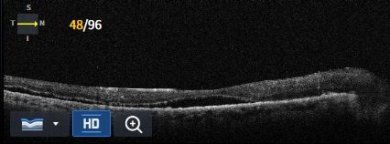
Resultado de OCT tras vitrectomía en Dr Nikolaos I Dervenis MD, MSc, PhD, FEBO - retina mejorada
Resultado de cirugía de cataratas con reemplazo de LIO en Dr Nikolaos I Dervenis MD, MSc, PhD, FEBO
Escaneo OCT mostrando desprendimiento de retina antes de cirugía en clínica Dr Nikolaos Dervenis
Resultado de cirugía de desprendimiento de retina en Dr Nikolaos I Dervenis MD, MSc, PhD, FEBO - OCT
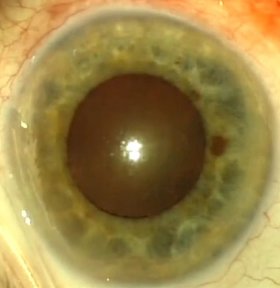
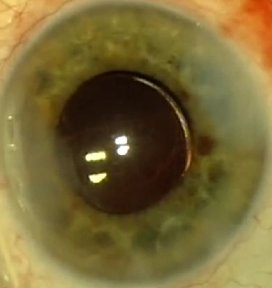
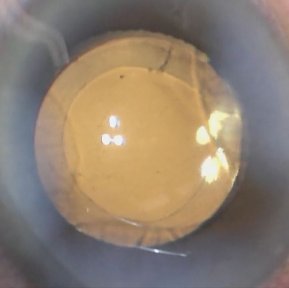
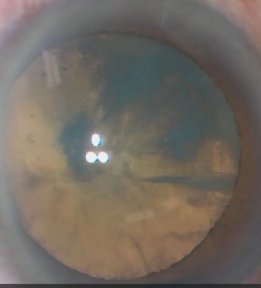
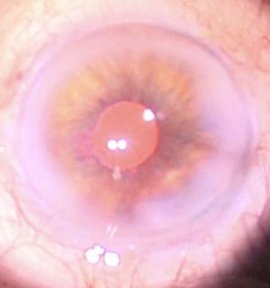
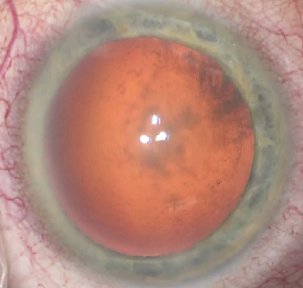
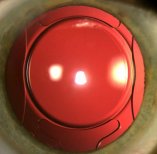
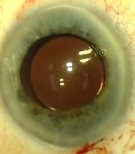
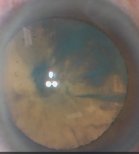
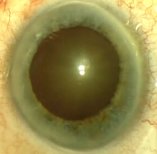
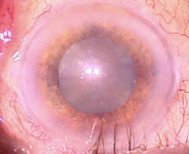
Catarata antes de cirugía en Dr Nikolaos I Dervenis MD, MSc, PhD, FEBO - lente opaca visible
Resultado de vitrectomía en Dr Nikolaos I Dervenis MD, MSc, PhD, FEBO - grosor retiniano mejorado
Resultado de cirugía de cataratas con lente multifocal en la clínica Dr Nikolaos I Dervenis
Catarata antes de cirugía en Dr Nikolaos I Dervenis MD, MSc, PhD, FEBO - opacidad del cristalino visible
Nikolaos Dervenis

Nikolaos Dervenis

5 Excelente1 reseñas
12 años de experiencia
Ubicación: Grecia, Tesalónica

Con más de 15 años en oftalmología, el Dr. Dervenis se especializa en cirugías de catarata y cirugía ocular con láser, incluyendo el LASIK para pacientes con queratocono.

  • Ejercer como consultor en el Sistema Nacional de Salud (NHS) del Reino Unido
  • Graduarse en la Universidad Aristóteles de Tesalónica
  • Poseer un máster (MSc) y un doctorado (PhD) en oftalmología
  • Publicar más de 55 artículos en revistas científicas revisadas por pares
Cita con el médicoPrecio a consultar

Elegir una clínica en el extranjero puede ser estresante. En Bookimed, con más de 800K pacientes ayudados, entendemos sus preocupaciones. Sabemos cómo encontrar médicos de confianza, las mejores opciones calidad-precio y soluciones incluso para casos complejos. Estamos aquí para guiarle en cada paso de su viaje médico.

Yan Matsiivskiy

Jefe del Equipo de coordinadores médicos

Más de 4300+ acompañamientos de pacientes

3 años en Bookimed

1 pacientes de Grecia han encontrado a su médico con nosotros este mes

Cómo obtendrás tu coincidencia de médico perfecta

1

Cuestionario de 2 minutos

Cuéntanos tu objetivo, presupuesto, y tiempo estimado

2

Coincidencia humana + IA

Nuestro algoritmo busca coincidencias, el coordinador verifica la compatibilidad

3

Tus opciones listas

Compara precios, paquetes, fechas. Chatea con tu coordinador

¿Demasiadas opciones?

Tu personal El coordinador de Bookimed te ayuda a encontrar el cirujano perfecto adaptado a tus necesidades

  • Te apoya 24/7 en cada etapa
  • Te ayuda a encontrar al médico adecuado y se encarga de toda la comunicación con las clínicas
  • Coordina tu viaje, alojamiento y traslados

Guiando tu tratamiento

Coordinadores personales con formación médica

Peguy Beaugris
Tetyana Hyrych
Zekra Eldeeb
Victoria Olayinka
Iryna Sydorchuk
Tetiana Ihnatiuk

Cómo elegir el médico y la clínica adecuados: Consejos de expertos

Al elegir un médico o una clínica, tenga en cuenta estos puntos clave:
Revise las credenciales
Verifique las certificaciones de entidades como ISAPS, JCI o los consejos médicos relevantes.
Revise las tasas de éxito
Elija médicos con una amplia experiencia y un historial comprobado en su tratamiento específico.
Lea las reseñas de los pacientes
Reseñas de pacientes reales de Bookimed para conocer su experiencia.
Garantía de comunicación eficaz
Elija clínicas que ofrezcan servicio de traducción para facilitar el tratamiento.
Pregunte sobre los servicios
Confirme si el precio incluye servicios como alojamiento, traslados locales y atención de seguimiento para evitar costos ocultos.

Bookimed Insights: Principales especialistas en Queratocono en Grecia (2026)

Bookimed ha coordinado 1 solicitudes para el tratamiento de Queratocono en Grecia, colaborando con 1 especialistas de primer nivel. Los médicos en esta tabla se seleccionan por sus credenciales internacionales, experiencia clínica y resultados de pacientes. La clasificación de 2026 se elabora con datos verificados de casos reales y programas actuales de nuestras clínicas asociadas.
ClasificaciónMédicoexperienciaBuena opción paraQué los distingueUbicación de la clínicaConsulta
#112 años de experienciaCirugía ocular con láser para el queratoconoEspecialista en cirugías LASIK y de cataratas con un doctorado en flujo sanguíneo ocular. Ocupa un puesto de consultor en el NHS y es autor de más de 55 artículos de oftalmología.
Grecia
Precio a consultar

FAQ

Estas preguntas frecuentes provienen de pacientes reales que buscan atención médica a través de Bookimed. Las respuestas son proporcionadas por coordinadores médicos experimentados y representantes autorizados de las clínicas.

What is the Athens Protocol and why is it used for keratoconus in Greece?

The Athens Protocol is a specialized Greek procedure combining topography-guided PRK laser reshaping with corneal collagen cross-linking. This same-day synergy stabilizes the cornea while improving vision. It serves as a highly effective alternative to corneal transplants for patients with advanced keratoconus.

  • Corneal normalization: PRK laser removes irregularities to reduce astigmatism and glare.
  • Enhanced stabilization: Cross-linking uses riboflavin and UV light to strengthen tissue.
  • Transplant prevention: This method reportedly reduces the need for transplants by 90%.
  • Rapid recovery: Most patients return to normal activities within 2 days.

Bookimed Expert Insight: While Dr. Nikolaos Dervenis at his Thessaloniki clinic performs over 1,200 procedures yearly, patients should note that peak results appear after 6 months. Our data shows specialized Greek centers often favor this protocol for thinner corneas under 450 micrometers. This specific expertise makes Greece a primary destination for complex corneal cases.

Patient Consensus: Patients describe the treatment as a painless alternative to traditional methods. They often report sharp visual improvements and appreciate avoiding the long recovery times typically associated with standard cross-linking.

Is keratoconus treatment in Greece safe and effective for international patients?

Keratoconus treatment in Greece is safe and highly effective. The country is a global pioneer and home to the Athens Protocol. This specialized procedure stabilizes the cornea in over 94% of cases. Facilities adhere to strict European Union medical and safety regulations.

  • Athens Protocol: Combines topography-guided partial PRK laser with cross-linking to halt disease.
  • Surgery prevention: Advanced Greek protocols reduce the need for corneal transplants by 90%.
  • Modern diagnostics: Clinics use Alcon WaveLight platforms and precise corneal topography for planning.
  • Expert surgeons: Specialists like Dr. Nikolaos Dervenis hold Fellow of the European Board of Ophthalmology (FEBO) credentials.

Bookimed Expert Insight: While many countries offer cross-linking, Greek surgeons often have unique dual training. For example, Dr. Nikolaos Dervenis at his Thessaloniki clinic trained in both Greece and the UK NHS. This cross-border experience is common among Greek experts. They often serve over 1,200 patients annually. This high volume ensures they handle complex, advanced cases that smaller clinics might decline.

Patient Consensus: Patients note that stabilization of the disease is routine and successful. Many recommend arranging a clear remote follow-up plan with your home doctor before traveling.

Will I still need glasses or contact lenses after keratoconus surgery in Greece?

Most patients still require glasses or contact lenses after keratoconus surgery in Greece. Procedures like the Athens Protocol stabilize the cornea to prevent vision loss. While these treatments improve corneal shape, they typically target stability rather than total visual independence from corrective aids.

  • Corneal cross-linking: Strengthens corneal tissues to stop disease progression. Most patients need lenses afterward.
  • Athens Protocol: Combines topography-guided laser with cross-linking. It significantly reduces dependence on specialty lenses.
  • Intracorneal rings: Flatten the corneal cone for better vision. These make lens fitting more comfortable.
  • Corneal transplant: Replaces donor tissue in advanced cases. Residual astigmatism usually requires post-surgical correction.

Bookimed Expert Insight: Greek specialists like Dr. Nikolaos Dervenis often manage over 1,200 patients annually using advanced NHS-standard protocols. Data shows that performing topography-guided PRK alongside cross-linking offers the best chance at better unaided vision. Patients should choose surgeons with Fellow of the European Board of Ophthalmology (FEBO) credentials for these complex combined procedures.

Patient Consensus: Patients note that while vision improves dramatically, many still use glasses for night driving or sports. Most emphasize that the real victory is switching from uncomfortable hard contacts to standard soft lenses or glasses.

How long does recovery take after the Athens Protocol?

Recovery from the Athens Protocol takes 6 to 12 months for full visual stabilization. Initial epithelial healing occurs within 4 to 7 days. Most patients return to light activities after 1 week. Visual sharpness fluctuates for the first month as the corneal surface normalizes.

  • Acute phase: Discomfort and light sensitivity typically last 1 to 3 days.
  • Bandage removal: Surgeons remove protective contact lenses after 4 to 7 days.
  • Visual stabilization: Vision usually improves significantly by the 1-month follow-up visit.
  • Long-term care: Patients must wear UV-blocking sunglasses outdoors for at least 3 months.

Bookimed Expert Insight: Clinics in Greece, such as Dr Nikolaos I Dervenis’s facility in Thessaloniki, manage high patient volumes with over 1,200 annual cases. Data suggests that choosing a Fellow of the European Board of Ophthalmology (FEBO) ensures adherence to standardized recovery protocols. These protocols typically involve a strict antibiotic and steroid drop regimen to prevent corneal haze during the first 8 weeks.

Patient Consensus: Patients note a vision rollercoaster during the first month and emphasize stocking up on artificial tears. They often find comfort improves significantly after the third day and recommend taking 1 full week off work.

Who is a candidate for topography-guided PRK plus CXL in Greece?

Candidates for topography-guided PRK plus CXL in Greece include patients with progressive keratoconus or post-LASIK ectasia. Ideal patients have a corneal thickness of 400–450 µm before treatment. Greek surgical protocols require documenting progression over 3 months. Candidates must show clear corneas without central scarring.

  • Corneal thickness: Requires minimum 400 micrometers pre-op to maintain structural integrity.
  • Vision status: Indicated for those with high irregular astigmatism or contact lens intolerance.
  • Ablation limits: Laser removal is strictly limited to 50 micrometers during the procedure.
  • Age group: Most common in young adults whose vision shows active progression.

Bookimed Expert Insight: Data from Greek centers shows a focus on high-academic credentials for this surgery. Dr. Nikolaos Dervenis has over 20,000 research citations and NHS experience. This depth of expertise is vital for the Athens Protocol. It involves balancing precise tissue removal with corneal stabilization. Patients should select clinics where the surgeon actively publishes research on corneal biomechanics.

Patient Consensus: Patients mention that centers often provide free initial topography scans to check eligibility. Many note it is wise to plan two separate trips for thorough screening and recovery.

Where in Greece is keratoconus treatment most experienced?

Athens is the primary global center for keratoconus treatment in Greece. It is the birthplace of the Athens Protocol for corneal stabilization. Thessaloniki and Crete also host specialized clinics. These facilities offer cross-linking and topography-guided laser resurfacing. Many centers hold ISO and JCI certifications.

  • Athens hub: Birthplace of the Athens Protocol combining laser resurfacing with cross-linking.
  • Thessaloniki expertise: Dr. Nikolaos Dervenis at his specialized center treats 1,200 patients annually.
  • Crete innovation: Emmetropia Eye Clinic integrated cross-linking (CXL) technology as early as 2006.
  • Superior outcomes: Greek protocols have reduced the need for corneal transplants by 90%.

Bookimed Expert Insight: Patient volume serves as a critical quality indicator in Greek ophthalmology. While Athens leads in research, Thessaloniki centers like Veselibu Clinic handle 2,000 patients every year. High-volume clinical practice often correlates with faster access to specialized corneal diagnostic imaging. This can significantly speed up the pre-surgical assessment process.

Patient Consensus: Patients note that private clinics in Athens offer faster access to specialized staff than public hospitals. Many emphasize confirming whether a center uses accelerated or standard cross-linking protocols before traveling.



