Ir a inicio
4.6/5
TrustPilot

Los mejores médicos del tratamiento de Ginecomastia en Gurgaon - TOP-1 médicos

Compara a los mejores médicos de Ginecomastia y precios en India. Encuentra aquí tu mejor opción.

Recibe cotizaciones de 3 de los mejores especialistas en en India

Seleccionaremos los mejores médicos según tus necesidades y presupuesto.

Mejores médicos

1

India

Reseñas

14000+

De pacientes reales

Recibe planes de tratamiento personalizados gratuitos y elige la mejor opción. Sin compromiso · Sin pagos por nuestros servicios

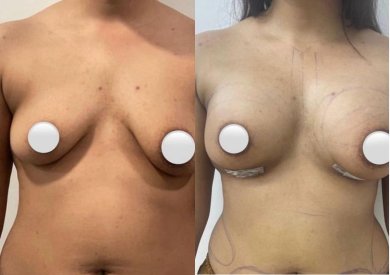
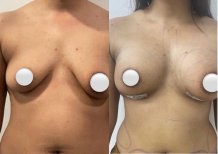
Antes y después de aumento de senos en Konarc Aesthetics, resultado de forma mejorada
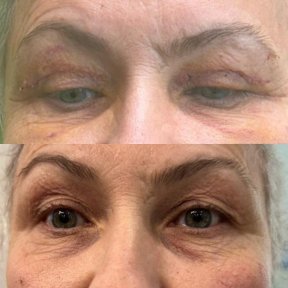
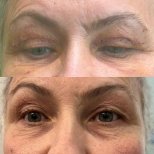
Resultados de blefaroplastia antes y después en Konarc Aesthetics, corrección de párpados
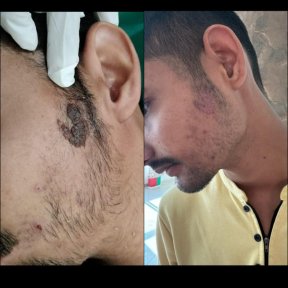
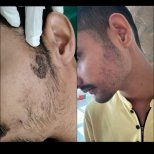
Resultados antes y después de la eliminación de lunar con láser en la mejilla en Konarc Aesthetics
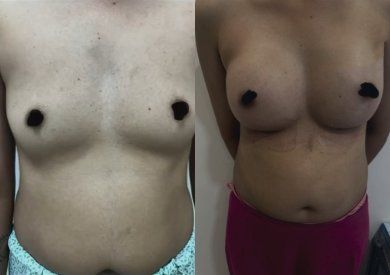
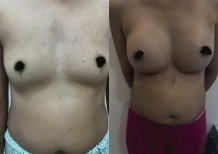
Resultados antes y después de aumento de senos en Konarc Aesthetics, mayor volumen mamario
Preeti Yadav

Preeti Yadav

16 años de experiencia
Clínica certificada por
Given to the doctor International Society of Aesthetic Plastic Surgery (ISAPS) Сertificate
International Confederation for Plastic, Reconstructive and Aesthetic Surgery
International Society for Aesthetic Plastic Surgery
+1
Ubicación: India, Gurgaon

La Dra. Preeti Yadav se especializa en tratamientos estéticos holísticos en Konarc Aesthetics, incluyendo la cirugía de mama masculina para la ginecomastia, con más de 10 años de experiencia.

  • Enfocarse en procedimientos personalizados de cirugía de mama masculina
  • Formarse extensamente en cirugía estética y reconstructiva
  • Proporcionar opciones de tratamiento tanto quirúrgicas como no quirúrgicas
  • Liderar un equipo dedicado en Konarc Aesthetics
Cita con el médicoPrecio a consultar

Elegir una clínica en el extranjero puede ser estresante. En Bookimed, con más de 800K pacientes ayudados, entendemos sus preocupaciones. Sabemos cómo encontrar médicos de confianza, las mejores opciones calidad-precio y soluciones incluso para casos complejos. Estamos aquí para guiarle en cada paso de su viaje médico.

Yan Matsiivskiy

Jefe del Equipo de coordinadores médicos

Más de 4300+ acompañamientos de pacientes

3 años en Bookimed

20 pacientes de India han encontrado a su médico con nosotros este mes

Cómo obtendrás tu coincidencia de médico perfecta

1

Cuestionario de 2 minutos

Cuéntanos tu objetivo, presupuesto, y tiempo estimado

2

Coincidencia humana + IA

Nuestro algoritmo busca coincidencias, el coordinador verifica la compatibilidad

3

Tus opciones listas

Compara precios, paquetes, fechas. Chatea con tu coordinador

¿Demasiadas opciones?

Tu personal El coordinador de Bookimed te ayuda a encontrar el cirujano perfecto adaptado a tus necesidades

  • Te apoya 24/7 en cada etapa
  • Te ayuda a encontrar al médico adecuado y se encarga de toda la comunicación con las clínicas
  • Coordina tu viaje, alojamiento y traslados

Guiando tu tratamiento

Coordinadores personales con formación médica

Peguy Beaugris
Tetyana Hyrych
Zekra Eldeeb
Victoria Olayinka
Iryna Sydorchuk
Tetiana Ihnatiuk

Cómo elegir el médico y la clínica adecuados: Consejos de expertos

Al elegir un médico o una clínica, tenga en cuenta estos puntos clave:
Revise las credenciales
Verifique las certificaciones de entidades como ISAPS, JCI o los consejos médicos relevantes.
Revise las tasas de éxito
Elija médicos con una amplia experiencia y un historial comprobado en su tratamiento específico.
Lea las reseñas de los pacientes
Reseñas de pacientes reales de Bookimed para conocer su experiencia.
Garantía de comunicación eficaz
Elija clínicas que ofrezcan servicio de traducción para facilitar el tratamiento.
Pregunte sobre los servicios
Confirme si el precio incluye servicios como alojamiento, traslados locales y atención de seguimiento para evitar costos ocultos.

Bookimed Insights: Principales especialistas en Ginecomastia en India (2026)

Bookimed ha coordinado 1 solicitudes para el tratamiento de Ginecomastia en India, colaborando con 1 especialistas de primer nivel. Los médicos en esta tabla se seleccionan por sus credenciales internacionales, experiencia clínica y resultados de pacientes. La clasificación de 2026 se elabora con datos verificados de casos reales y programas actuales de nuestras clínicas asociadas.
ClasificaciónMédicoexperienciaBuena opción paraQué los distingueUbicación de la clínicaConsulta
#116 años de experienciaCirugía de mama masculina, incluyendo ginecomastiaExperiencia en cirugía de mama masculina con un enfoque integral, ofreciendo soluciones personalizadas para la ginecomastia en Konarc Aesthetics.
India
Precio a consultar

FAQ

Estas preguntas frecuentes provienen de pacientes reales que buscan atención médica a través de Bookimed. Las respuestas son proporcionadas por coordinadores médicos experimentados y representantes autorizados de las clínicas.

Is surgery the only effective way to treat gynaecomastia?

Surgery is not the only treatment for gynaecomastia. Early-stage cases may resolve by addressing hormonal imbalances or lifestyle factors. However, surgery remains the primary solution for fibrous tissue. This occurs when the condition persists for over 12 months.

  • Hormonal stabilization: Pubertal onset often resolves naturally as hormones balance.
  • Medication adjustment: Switching drugs that trigger breast growth can reverse symptoms.
  • Pharmacotherapy: Targeted medications may work within the first year of onset.
  • Weight management: Lifestyle changes help if the condition is primarily fatty tissue.

Bookimed Expert Insight: Indian medical infrastructure offers a unique advantage for surgical planning. Large networks like Manipal Hospitals and Global Hospital serve over 2 million patients annually. Their high surgical volumes allow plastic surgeons to refine minimally invasive techniques. This often results in smaller incisions and faster recovery than at smaller clinics.

Patient Consensus: Patients note that while lifestyle changes help with fatty tissue, surgery is the only reliable fix for glandular types. Many emphasize the confidence boost gained after choosing a procedure over temporary hiding garments.

What type of doctor should I see for male breast reduction?

You should see a board-certified plastic surgeon for male breast reduction surgery. These specialists focus on aesthetic outcomes and proper contouring of the chest. In India, look for surgeons with an MCh degree in plastic and reconstructive surgery and accreditation from the National Board for Hospitals and Healthcare.

  • Specialist credential: Seek an MCh or MS in plastic and reconstructive surgery.
  • National accreditation: Select facilities with National Accreditation Board for Hospitals and Healthcare Providers (NABH).
  • Clinical experience: Prioritize surgeons performing over 15 gynecomastia procedures every year.
  • Aesthetic focus: Plastic surgeons manage both gland removal and skin tightening effectively.

Bookimed Expert Insight: India’s large healthcare networks like Manipal Hospitals or Medanta offer a distinct advantage for international patients. These centers combine plastic surgery expertise with onsite endocrinology departments to rule out hormonal causes. This integrated approach ensures the root cause is addressed before you commit to surgical tissue removal.

Patient Consensus: Patients emphasize checking if the surgeon routinely performs gland removal rather than just liposuction. Many note that viewing a specific portfolio of previous male chest surgeries is essential for confirming natural results.

How do I know whether I have true gynaecomastia or just chest fat?

True gynecomastia feels like a firm, rubbery, or hard disc directly behind the nipple. Chest fat, or pseudogynecomastia, is soft and squishy across the entire breast area. Unlike fat, glandular tissue does not resolve with weight loss or exercise and often feels sensitive to touch.

  • Tissue texture: Glandular tissue feels like a firm button or disc-like mass under the areola.
  • Tissue location: True gynecomastia centers behind the nipple, while fat spreads broadly across the chest.
  • Physical sensation: Glandular growth may feel tender or sore, whereas chest fat is usually painless.
  • Exercise response: Fat decreases with weight loss, but glandular tissue remains unchanged despite fitness efforts.

Bookimed Expert Insight: Surgeons at top Indian facilities like Manipal Hospitals or Global Hospital use high-frequency ultrasound to map your gland-to-fat ratio. This precision is vital because liposuction only removes fat. If ultrasound reveals significant glandular tissue, surgeons like Dr. Rajendra Dhondge must perform a subcutaneous mastectomy to ensure the mass does not return.

Patient Consensus: Patients note it is important to check the tissue while lying flat to better isolate any hard masses from soft fat. Many suggest losing weight first to see if the chest flatness improves before seeking surgical intervention.

What does the surgery involve and how long does it take?

Gynaecomastia surgery in India involves removing excess breast tissue and fat through liposuction or glandular excision. Plastic surgeons typically complete this procedure in 1 to 2 hours. Most cases are performed as outpatient surgeries using general or local anesthesia within JCI-accredited facilities.

  • Surgical approach: Surgeons use liposuction for fat and direct excision for glandular tissue.
  • Incision placement: Small incisions are hidden around the areola or within underarm creases.
  • Duration: Bilateral procedures usually take 90 to 120 minutes to complete.
  • Hospital stay: Most patients receive same-day discharge or one night of observation.

Bookimed Expert Insight: Choosing a specialist with reconstructive training, like Dr. Rajendra Dhondge at HCG Manavata, ensures better chest contouring. Our data shows that top Indian centers like Manipal Hospitals manage over 2,000,000 patients annually. This high volume allows surgeons to refine techniques that minimize scarring and reduce surgical time.

Patient Consensus: Patients emphasize that wearing a compression vest is essential for the best results. Many find they can return to desk work comfortably within 3 to 7 days.

How soon can I resume work and exercise after the procedure?

Patients typically resume desk work within 7 to 14 days following gynaecomastia treatment in India. Strenuous exercise and heavy lifting usually require a 4 to 6-week waiting period. Full recovery and gym clearance often occur after 6 weeks once swelling and soreness subside.

  • Office work: Resume within 1 to 2 weeks for sedentary roles.
  • Physical labor: Return to construction or retail after 2 to 3 weeks.
  • Light activity: Walking and stationary cycling are permitted between weeks 2 and 4.
  • Gym training: Resume heavy weights and chest exercises only after 6 weeks.

Bookimed Expert Insight: Indian plastic surgeons like Dr. Rajendra Dhondge at HCG Manavata focus on microvascular precision which helps manage post-op swelling. Data shows that clinics like Global Hospital Chennai and Manipal Hospitals handle thousands of international cases annually, emphasizing strict compression garment compliance for at least 4 weeks. Following this protocol is the most reliable way to avoid fluid buildup and ensure you return to the gym by week 6 without complications.

Patient Consensus: Patients note that early fatigue and soreness are often underestimated during the first week. They emphasize that sticking to the compression vest and avoiding arm lifting early on prevented incisions from reopening.

Can gynaecomastia grow back after surgery?

Gynecomastia rarely grows back after surgical removal. Approximately 90% of patients remain free of the condition 10 years after the procedure. Recurrence usually stems from significant hormonal imbalances, anabolic steroid use, or extreme weight gain rather than the failure of the surgery itself.

  • Hormonal triggers: Changes in testosterone or estrogen levels can stimulate remaining glandular tissue.
  • Substance use: Anabolic steroids and certain medications can trigger regrowth of breast tissue.
  • Weight fluctuations: Significant weight gain causes fat accumulation, mimicking the original breast appearance.
  • Surgical technique: Leaving minimal tissue to prevent nipple indentation can lead to expansion later.

Bookimed Expert Insight: Quality indicators in India often correlate with hospital scale and accreditation. Facilities like Manipal Hospitals serve 2,000,000 patients annually and hold JCI and NABH certifications. High-volume centers often house specialists like Dr. Rajendra Dhondge, who has performed over 1,500 reconstructive procedures. Choosing a surgeon with this level of specific procedural volume helps ensure the precise amount of tissue is removed to balance aesthetic contouring with long-term stability.

Patient Consensus: Patients often worry about lumpy areas during the first few months. They usually find that these are just normal scar tissue or swelling rather than the condition returning.

Will health insurance cover male breast reduction in India?

Most Indian health insurance policies exclude male breast reduction unless documented as a medical necessity. Coverage applies if the condition causes chronic pain, results from endocrine disorders, or reaches advanced Grade III or IV severity. Standard policies typically require a 24-month waiting period for this procedure.

  • Medical necessity: Requires documentation of persistent pain or functional impairment.
  • Glandular tissue: Surgery must target true gynecomastia, not fat-based pseudogynecomastia.
  • Insurance types: Private insurers like Star Health often require endocrine-related pathology.
  • Government schemes: Programs like Ayushman Bharat typically classify this as elective.

Bookimed Expert Insight: Patients should note that hospitals like Manipal Hospitals or Global Hospital Chennai often process over 2,000,000 patients annually. While insurance approval stays around 30%, these high-volume centers provide the detailed endocrine and pathology reports needed to successfully appeal a denial. Corporate group insurance plans at major Indian hubs are significantly more likely to cover the surgery when coded as reconstructive rather than aesthetic.

Patient Consensus: Patients emphasize the need for hormone panels and ultrasound results before applying for pre-authorization. Many recommend having a self-pay budget as a backup since appeals can be lengthy.



