
Ir a inicio
4.6/5
TrustPilot

Los mejores médicos del tratamiento de Úlcera gástrica en Nashik - TOP-2 médicos

Compara a los mejores médicos de Úlcera gástrica y precios en India. Encuentra aquí tu mejor opción.

Recibe cotizaciones de 3 de los mejores especialistas en en India

Seleccionaremos los mejores médicos según tus necesidades y presupuesto.

Mejores médicos

2

India

Reseñas

14000+

De pacientes reales

Recibe planes de tratamiento personalizados gratuitos y elige la mejor opción. Sin compromiso · Sin pagos por nuestros servicios

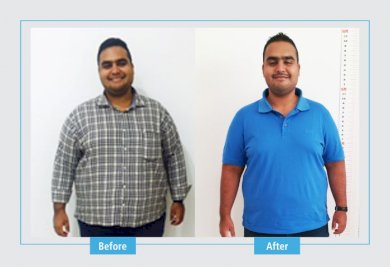
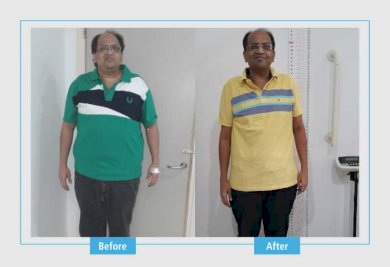
Resultados antes y después de cirugía de obesidad en HCG Manavata Cancer Centre, pérdida visible de peso
Jaydeep Palep

Jaydeep Palep

25 años de experiencia
Clínica certificada por
Indian National Accreditation Board for Testing and Calibration Laboratories
Indian National Hospital Accreditation Board
Ubicación: India, Nashik

17 años de especialización en cirugía digestiva alta: el Dr. Palep fue uno de los primeros en la India capacitado en técnicas bariátricas avanzadas en Los Ángeles.

  • Realizar cirugía digestiva robótica para una mayor precisión y una recuperación más rápida
  • Lograr la remisión en más del 90 % de los pacientes diabéticos después de la cirugía
  • Liderar un departamento certificado como Centro de Excelencia por el IEF
  • Tratar casos complejos, incluidas cirugías bariátricas de revisión
Cita con el médicoPrecio a consultar
HCG Manavata Cancer Centre
Shaunak Valame

Shaunak Valame

10 años de experiencia
Clínica certificada por
Indian National Accreditation Board for Testing and Calibration Laboratories
Indian National Hospital Accreditation Board
Ubicación: India, Nashik

El Dr. Valame presentó su investigación sobre el cáncer de estómago en el prestigioso Simposio de Cáncer Gastrointestinal de la ASCO en San Francisco.

  • Completar el doctorado en Medicina Interna en el Shyam Shah Medical College
  • Especializarse en Oncología Médica en el Indraprastha Apollo Hospital
  • Impartir conferencias en la International Winter School of Oncology en AIIMS, Bhopal
  • Experto en terapias dirigidas para el cáncer
Cita con el médicoPrecio a consultar

Elegir una clínica en el extranjero puede ser estresante. En Bookimed, con más de 800K pacientes ayudados, entendemos sus preocupaciones. Sabemos cómo encontrar médicos de confianza, las mejores opciones calidad-precio y soluciones incluso para casos complejos. Estamos aquí para guiarle en cada paso de su viaje médico.

Yan Matsiivskiy

Jefe del Equipo de coordinadores médicos

Más de 4300+ acompañamientos de pacientes

3 años en Bookimed

20 pacientes de India han encontrado a su médico con nosotros este mes

Cómo obtendrás tu coincidencia de médico perfecta

1

Cuestionario de 2 minutos

Cuéntanos tu objetivo, presupuesto, y tiempo estimado

2

Coincidencia humana + IA

Nuestro algoritmo busca coincidencias, el coordinador verifica la compatibilidad

3

Tus opciones listas

Compara precios, paquetes, fechas. Chatea con tu coordinador

¿Demasiadas opciones?

Tu personal El coordinador de Bookimed te ayuda a encontrar el cirujano perfecto adaptado a tus necesidades

  • Te apoya 24/7 en cada etapa
  • Te ayuda a encontrar al médico adecuado y se encarga de toda la comunicación con las clínicas
  • Coordina tu viaje, alojamiento y traslados

Guiando tu tratamiento

Coordinadores personales con formación médica

Peguy Beaugris
Tetyana Hyrych
Zekra Eldeeb
Victoria Olayinka
Iryna Sydorchuk
Tetiana Ihnatiuk

Cómo elegir el médico y la clínica adecuados: Consejos de expertos

Al elegir un médico o una clínica, tenga en cuenta estos puntos clave:
Revise las credenciales
Verifique las certificaciones de entidades como ISAPS, JCI o los consejos médicos relevantes.
Revise las tasas de éxito
Elija médicos con una amplia experiencia y un historial comprobado en su tratamiento específico.
Lea las reseñas de los pacientes
Reseñas de pacientes reales de Bookimed para conocer su experiencia.
Garantía de comunicación eficaz
Elija clínicas que ofrezcan servicio de traducción para facilitar el tratamiento.
Pregunte sobre los servicios
Confirme si el precio incluye servicios como alojamiento, traslados locales y atención de seguimiento para evitar costos ocultos.

Bookimed Insights: Principales especialistas en Úlcera gástrica en India (2026)

Bookimed ha coordinado 53697 solicitudes para el tratamiento de Úlcera gástrica en India, colaborando con 2 especialistas de primer nivel. Los médicos en esta tabla se seleccionan por sus credenciales internacionales, experiencia clínica y resultados de pacientes. La clasificación de 2026 se elabora con datos verificados de casos reales y programas actuales de nuestras clínicas asociadas.
ClasificaciónMédicoexperienciaBuena opción paraQué los distingueUbicación de la clínicaConsulta
#125 años de experienciaProcedimientos gástricos complejosFormado en técnicas robóticas avanzadas en Italia: realiza revisiones complejas que otros cirujanos evitan. Dirige un Centro de Excelencia certificado por la IEF.
India
Precio a consultar
#210 años de experienciaInvestigación del cáncer de estómagoPresentado en el Simposio sobre Cáncer Gastrointestinal de la ASCO – especializado en terapias dirigidas. Formado en instituciones de primer nivel como el Indraprastha Apollo Hospital.
India
Precio a consultar

FAQ

Estas preguntas frecuentes provienen de pacientes reales que buscan atención médica a través de Bookimed. Las respuestas son proporcionadas por coordinadores médicos experimentados y representantes autorizados de las clínicas.

What are the most common causes of gastric ulcers in India?

Helicobacter pylori infection is the primary cause of gastric ulcers in India. This bacterium infects up to 80% of rural populations. Other significant causes include long-term use of non-steroidal anti-inflammatory drugs (NSAIDs). Lifestyle factors like smoking and alcohol further increase ulcer risks among Indian patients.

  • H. pylori infection: Weakens the mucosal lining in up to 80% of specific rural groups.
  • NSAID usage: Common painkillers like ibuprofen disrupt the stomach's natural protective mechanisms and enzymes.
  • Substance use: Smoking and excessive alcohol consumption erode the mucosal barrier and delay healing.
  • Dietary irritation: High consumption of spicy or oily foods aggravates existing lining damage.

Bookimed Expert Insight: Patient data shows a strong link between lifestyle and gastric health in major hubs. Specialized centers like HCG Manavata treat over 75,000 patients annually. They often see cases where over-the-counter painkiller use masks bacterial infections. Expert surgeons like Dr. Jaydeep Palep, who has over 15 years of experience, emphasize early diagnostic screening. Patients often mistake chronic bacterial infections for simple acidity until advanced symptoms appear.

Patient Consensus: Patients note that frequent consumption of street food and spicy roadside meals often precedes an H. pylori diagnosis. Many emphasize that switching from self-medicating with antacids to seeking a professional endoscopy leads to faster recovery.

Which tests will confirm the ulcer and its cause?

Upper endoscopy is the primary test to confirm gastric ulcers in India. Doctors insert a flexible camera to visualize the stomach lining directly. This gold standard procedure allows for tissue biopsies. These samples help identify H. pylori bacteria or rule out malignancy effectively.

  • Upper endoscopy (EGD): Direct visualization of the stomach lining to confirm ulcer size.
  • H. pylori biopsy: Tissue samples taken during endoscopy to detect bacterial infection causes.
  • Urea breath test: Non-invasive breath analysis to confirm active H. pylori bacterial presence.
  • Barium swallow: X-ray imaging using contrast liquid to reveal digestive tract abnormalities.
  • Blood count (CBC): Laboratory screening to detect anemia from potential internal ulcer bleeding.

Bookimed Expert Insight: Indian super-specialty centers like BLK Hospital or Dr. Rela Institute offer same-day endoscopy services. This prevents the long wait times often found in public facilities. Seeking a surgeon like Dr. Jaydeep Palep, who has 20 years of experience, ensures high diagnostic accuracy. His practice maintains a 99% safety record for complex gastrointestinal procedures. Patients should choose NABL-accredited labs in India for faster, validated H. pylori results.

Patient Consensus: Patients emphasize getting an endoscopy and biopsy before starting any medication. Many note that breath tests for H. pylori can sometimes show false negatives.

Is surgery always required for gastric ulcers?

Surgery is not always required for gastric ulcers. Most ulcers heal with antibiotics for H. pylori and acid-suppressing medications like proton pump inhibitors. Indian medical guidelines prioritize non-invasive treatment for 8 to 12 weeks. Surgery is reserved for emergencies like perforation or uncontrolled bleeding.

  • Medical management: Most cases resolve using medications within 4 to 8 weeks.
  • Emergency surgery: Surgeons perform urgent laparoscopy for perforated walls or extreme bleeding.
  • Obstruction relief: Chronic scarring blocking food passage may require surgical intervention.
  • Malignancy screening: Biopsies at centers like Medanta Hospital rule out cancer before surgery.

Bookimed Expert Insight: India offers a significant advantage for complex cases through advanced robotic GI specialists. Dr. Jaydeep Palep at HCG Manavata Cancer Centre has over 20 years experience. He maintains a 99% success rate without major complications in robotic gastrointestinal procedures. This expertise is vital for refractory ulcers that fail standard medical therapy.

Patient Consensus: Patients note that early endoscopy and H. pylori testing are essential steps to avoid surgery. They emphasize getting a biopsy during the initial checkup to confirm the ulcer is not cancerous.

Why do medical tourists choose India for gastric-ulcer management?

Medical tourists select India for gastric ulcer management due to its elite gastroenterology specialists. These experts often possess Western training and offer significant cost savings of 70% to 90%. Access to advanced diagnostics like PET-CT and robotic surgical systems occurs immediately. Facilities maintain high safety standards through JCI and NABH accreditations.

  • Specialist expertise: Surgeons like Dr. Jaydeep Palep maintain a 99% survival rate for procedures.
  • Advanced diagnostics: Clinics use modern MRI, CT, and PET-CT for precise ulcer localization.
  • Global accreditation: Facilities such as BLK Super Speciality Hospital hold JCI and NABL certifications.
  • Zero wait times: Patients typically secure treatment slots within 1 to 2 days of arrival.

Bookimed Expert Insight: While India is famous for low costs, the real advantage lies in sheer clinical volume. Medanta Hospital alone treats 20,000 patients annually across 38 departments. This high volume allows specialists to refine techniques for complex cases that smaller Western clinics rarely see. Patients should prioritize these multi-specialty hubs in cities like Delhi or Gurgaon for integrated care.

Patient Consensus: Patients note that Indian doctors are exceptionally proficient in treating antibiotic-resistant ulcers. They often recommend coordinating with a local doctor first to ensure smooth monitoring after returning home.

Which Indian hospitals are recognised for gastroenterology & ulcer care?

Leading Indian hospitals for gastroenterology include JCI-accredited facilities like BLK-Max and Medanta. These centers utilize advanced diagnostic tools like PET-CT and robotic surgical systems. Specialized institutes like Dr. Rela Institute also offer targeted gastric ulcer care with high-precision imaging and endoscopic therapies.

  • Medanta Hospital: NABH-accredited facility in Gurgaon serving 20,000 gastric patients annually.
  • BLK Super Speciality: JCI-accredited Delhi hospital featuring an expert gastrointestinal surgery team.
  • Dr. Rela Institute: Chennai center specializing in complex gastroenterology and precision diagnostic imaging.
  • HCG Manavata: NABH-accredited clinic in Nashik treating over 75,000 global patients.

Bookimed Expert Insight: Patient volume often signals diagnostic reliability in Indian gastroenterology. Medanta Hospital manages 20,000 patients yearly while HCG Manavata serves 75,000. These high-volume centers typically offer more consistent diagnostic accuracy for gastric ulcers. Specialists like Dr. Jaydeep Palep maintain morbidity rates around 1% by using robotic GI surgery. Choosing clinics with high-precision equipment (within 1 mm accuracy) ensures better ulcer management and faster recovery.

Patient Consensus: Patients note that finding a specialist with over 10 years of experience is more important than simply choosing a famous hospital name. Many advise confirming H. pylori testing and eradication protocols upfront to prevent ulcer recurrence.

What diet speeds recovery and prevents recurrence?

A diet high in lean proteins, anti-inflammatory fats, and alkaline foods speeds gastric ulcer healing. Indian gastroenterology centers recommend a plant-forward approach with whole grains and legumes. Avoiding spicy masalas, caffeine, and processed fats prevents acid spikes and promotes long-term stomach lining health.

  • Healing proteins: Eggs, fish, and Greek yogurt rebuild damaged stomach tissue effectively.
  • Anti-inflammatory fats: Salmon and flaxseeds manage inflammation to support faster cellular recovery.
  • Essential vitamins: Vitamin C and Zinc from berries and seeds boost collagen production.
  • Recurrence prevention: Small, frequent meals reduce acid exposure and prevent nighttime gastric pain.

Bookimed Expert Insight: Indian clinics like HCG Manavata Cancer Centre and Dr. Rela Institute utilize advanced diagnostics like PET-CT to monitor mucosal recovery. Data from 20,000+ annual patients at Medanta suggests that recovery speeds up when diagnostic monitoring is paired with a strict 4-week irrigation of irritants. Specialized GI surgeons in India, many with international robotic training, find that integrating high-fiber grains like quinoa or brown rice into traditional patterns significantly lowers the risk of ulcer return compared to refined flour diets.

Patient Consensus: Many find daily curd rice and bananas provide the fastest relief for stomach coating. Most agree that ditching chai and spicy foods for at least 6 weeks is crucial to avoid painful flares.

Can Ayurvedic herbs be used alongside prescription anti-ulcer drugs?

Ayurvedic herbs can generally complement prescription anti-ulcer drugs, but strict medical supervision is necessary. While herbs like licorice and amla support mucosal healing, they can also interfere with drug metabolism. Patients must maintain a 2–3 hour window between different medications to ensure proper absorption.

  • Synergistic healing: Specific herbal formulations combined with PPIs may increase ulcer cure rates.
  • Mucosal protection: Herbs like licorice can strengthen the stomach lining and reduce inflammation.
  • Metabolic interaction: Certain herbs may inhibit liver enzymes, potentially causing toxic drug buildup.
  • Safety timing: Experts recommend a 3-hour gap between Ayurvedic and allopathic doses.

Bookimed Expert Insight: While many patients seek integrated care, gastrointestinal surgeons like Dr. Jaydeep Palep maintain a 99% safety record by focusing on precise diagnostics. Data from specialized Indian centers like HCG Manavata shows that metabolic safety is highest when herbal supplements are introduced only after the initial 2–4 week stabilization on prescription drugs. This phased approach allows the stomach to recover without risking the severe hyperacidity rebounds sometimes seen when complex herbal compounds are introduced too early.

Patient Consensus: Patients note that adding amla or licorice often speeds up relief from heartburn. However, many emphasize staying alert for high blood pressure or black stools, as these can signal dangerous interactions or underlying bleeding.



