


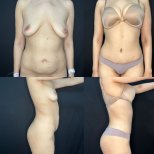
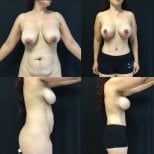

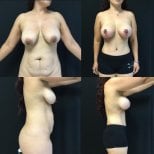
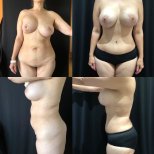
Marco Tulio Marroquin Batres


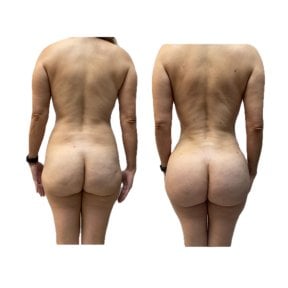
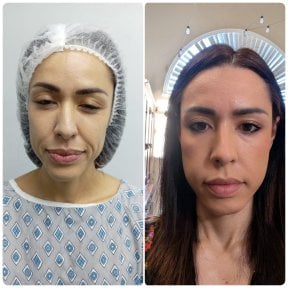
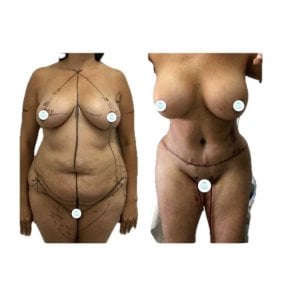
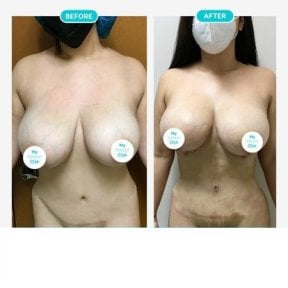
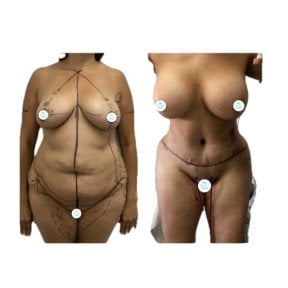
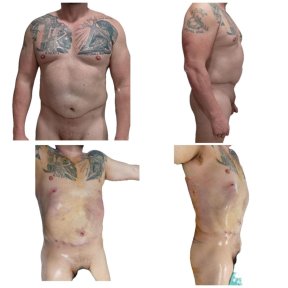
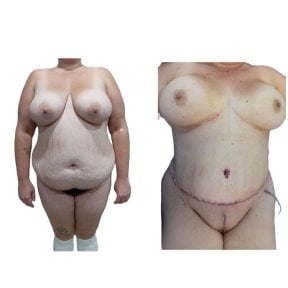
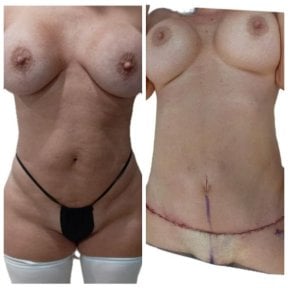
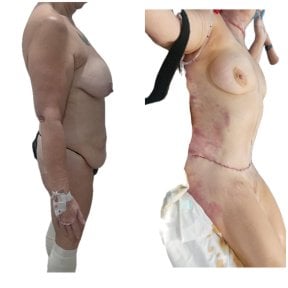
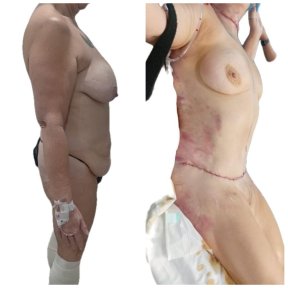
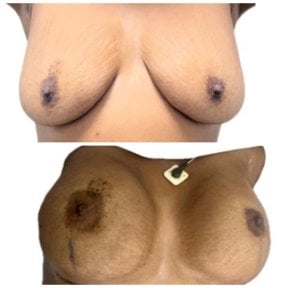
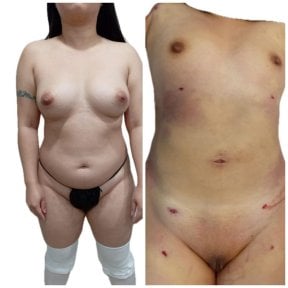
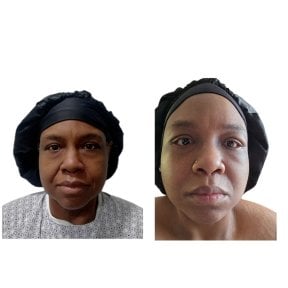
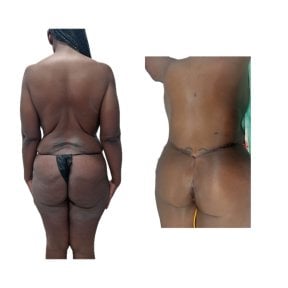
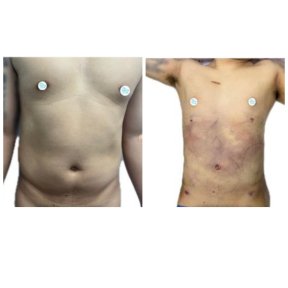
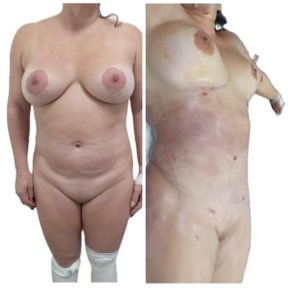
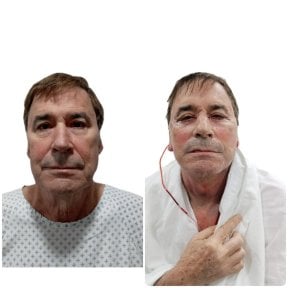
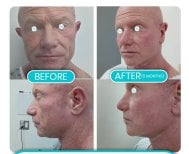
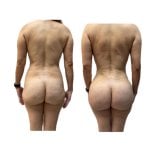
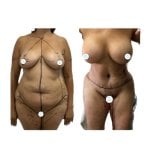
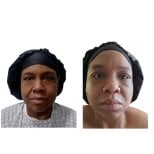
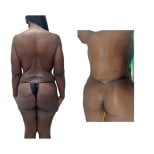
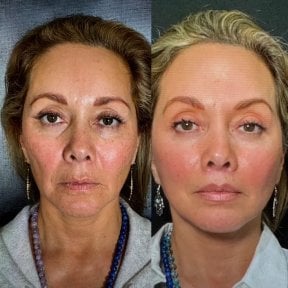
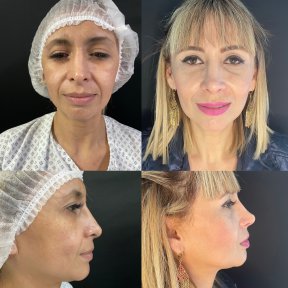
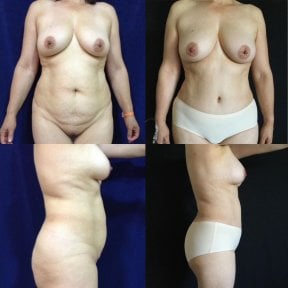
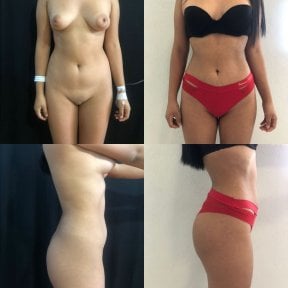
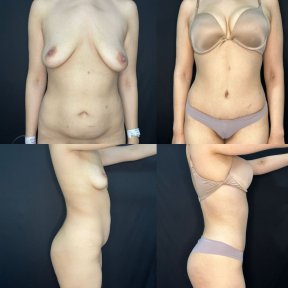
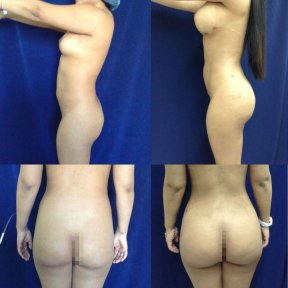
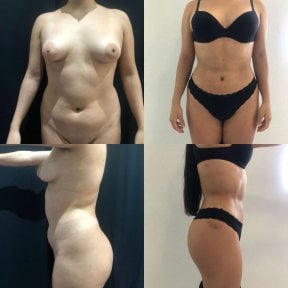
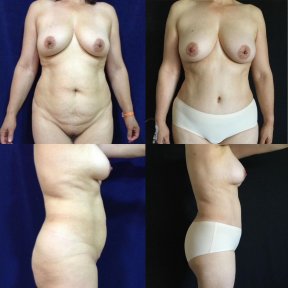
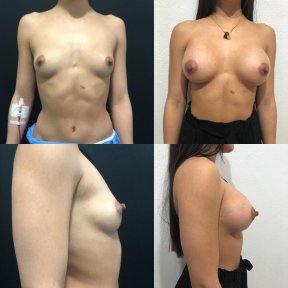
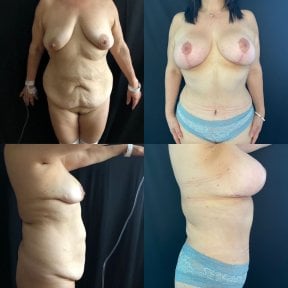
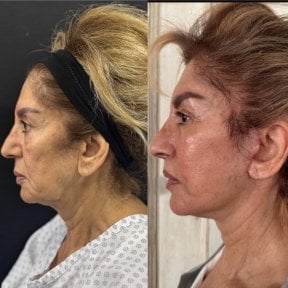
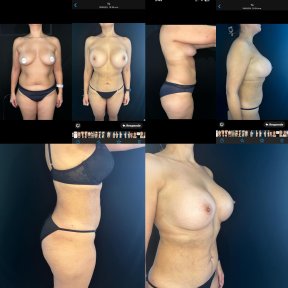
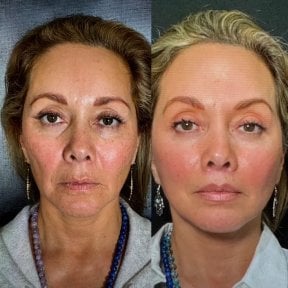
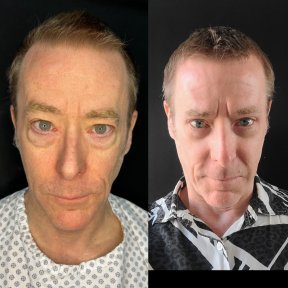
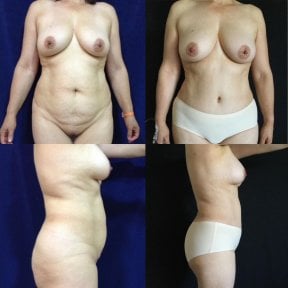
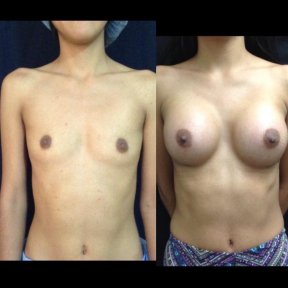
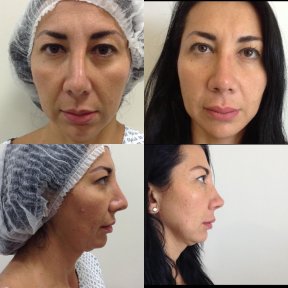
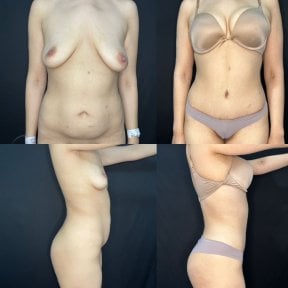
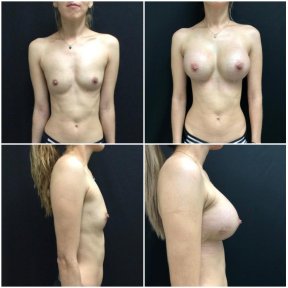
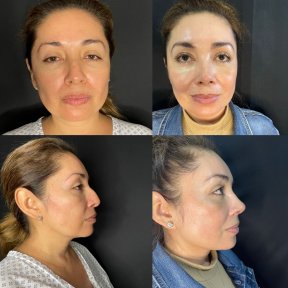
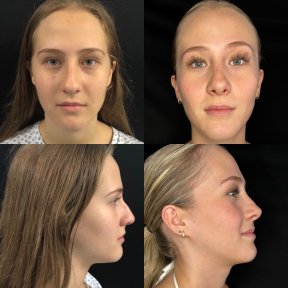
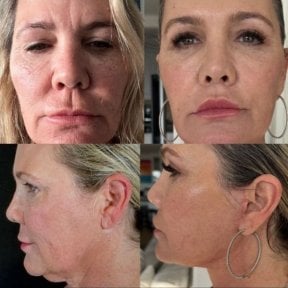
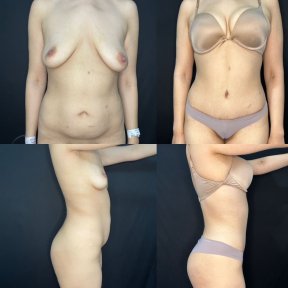
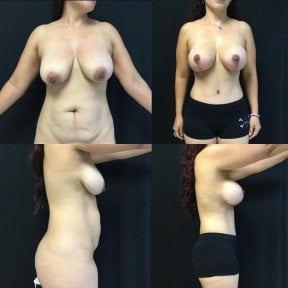
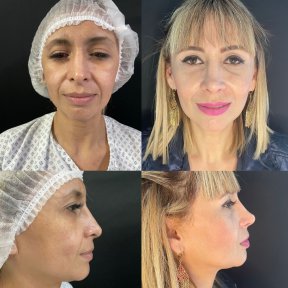
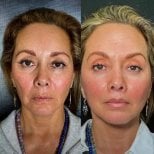
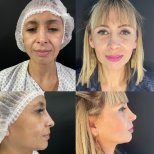
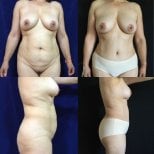
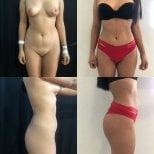
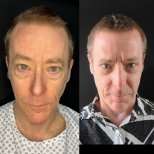
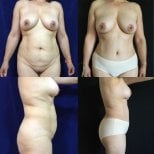
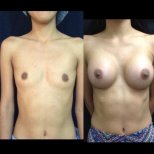
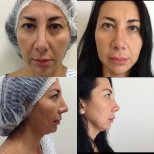
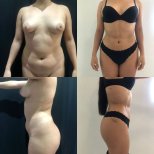
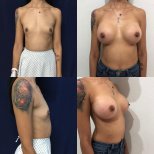
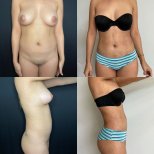
El doctor es un cirujano plástico galardonado que se especializa en procedimientos faciales y corporales. Certificado por el Consejo Mexicano de Cirugía Plástica, Estética y Reconstructiva, el doctor es reconocido como uno de los mejores cirujanos en la Ciudad de México, particularmente conocido por su experiencia en liposucción, rinoplastia y cirugías de levantamiento de glúteos brasileño (BBL).<\/p>
Actualmente practicando en el Centro Médico Salutaris, el doctor tiene un título en medicina general de la Universidad Francisco Marroquín, una especialidad en cirugía general de la Universidad de San Carlos de Guatemala, y una especialidad en cirugía plástica estética y reconstructiva del Instituto de Cirugía Reconstructiva de Jalisco.<\/p>
6 reseñas
Cita con el médico
Precio a consultar