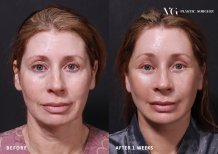
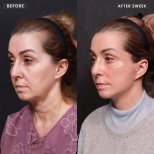
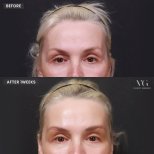
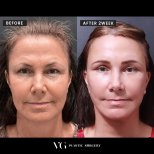
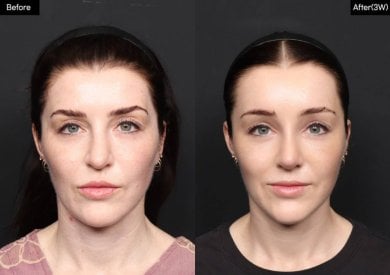
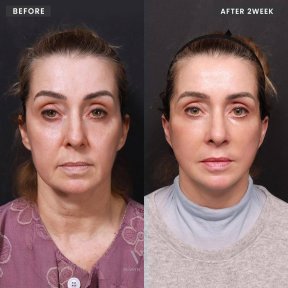
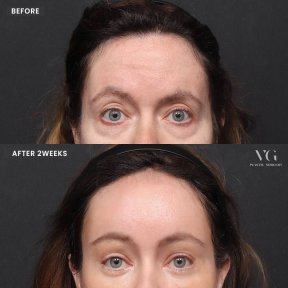
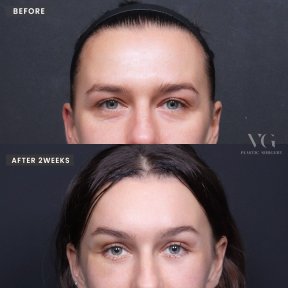
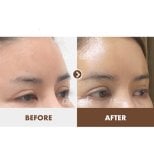
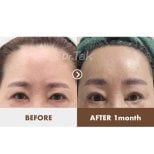
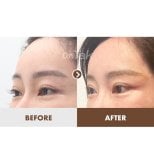
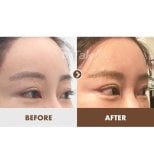
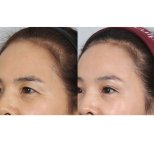
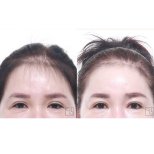
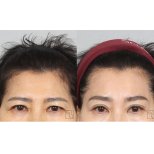
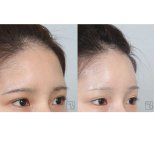
156 personas solicitaron un presupuesto el mes pasado
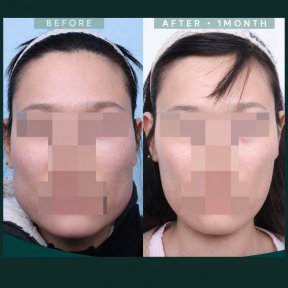
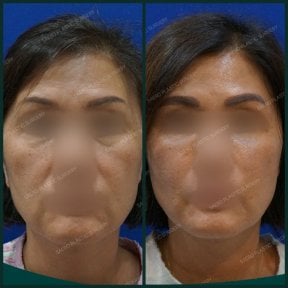
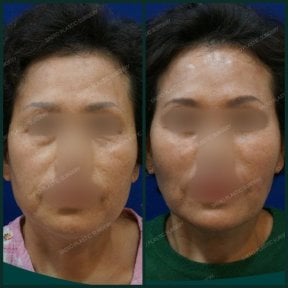
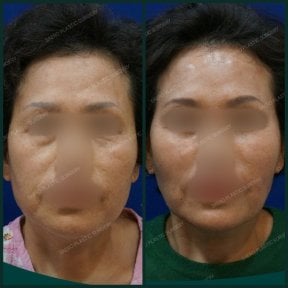
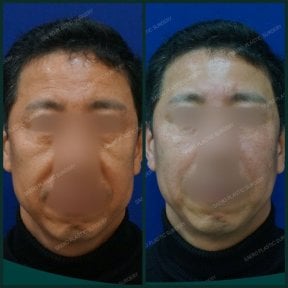
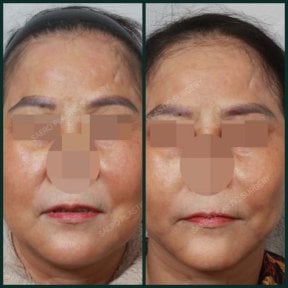
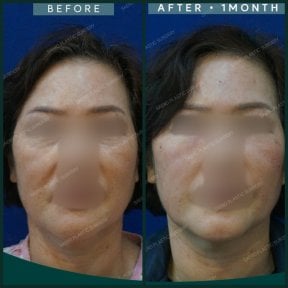
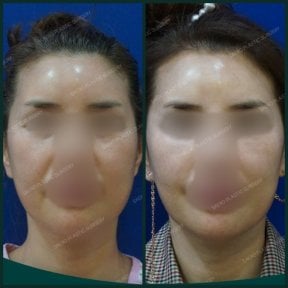
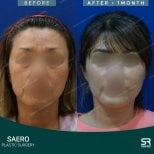
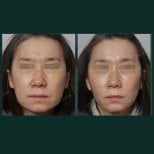
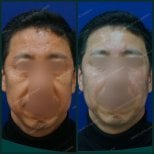
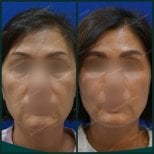
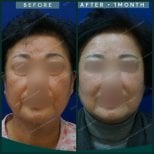
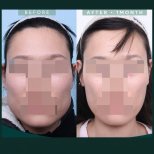
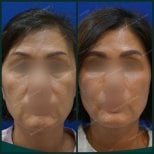
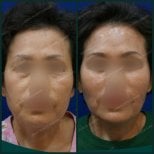
Park Young Kyu
Corea del Sur, Seúl
4.0 Bueno•6 reseñas
25 años de experiencia
Ubicación: Corea del Sur, Seúl
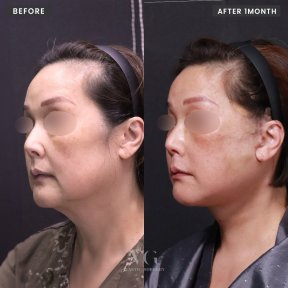
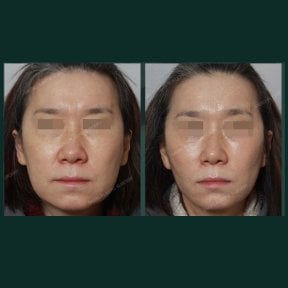
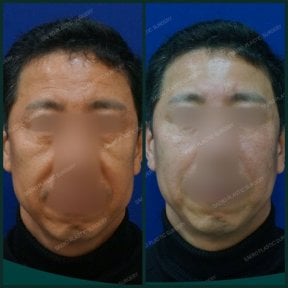
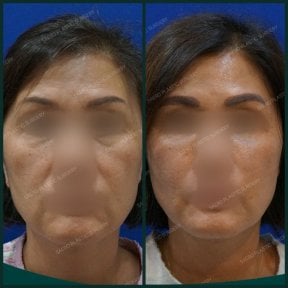
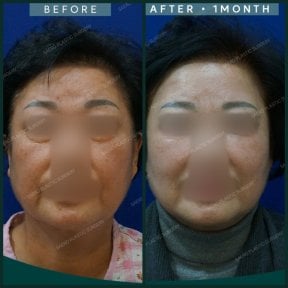
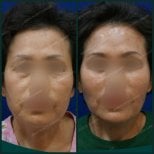
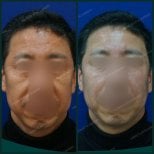
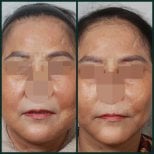
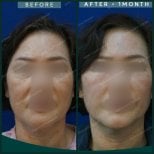
El Dr. Park Young Kyu es un cirujano plástico certificado conocido por su precisión y enfoque centrado en el paciente, con premios que reconocen su excelencia clínica.
- Ganador del premio al mejor residente por la Sociedad Coreana de Cirujanos Plásticos y Reconstructivos
- Miembro de varias sociedades prestigiosas, incluida la Sociedad Estadounidense de Cirujanos Plásticos
- Profesor adjunto en el Hospital Gangnam Sacred Heart
- Especializado en cirugía plástica estética y reconstructiva
4.0 Bueno
6 reseñas
Precio del paquete desde
$3,720Precio del paquete desde$3,720