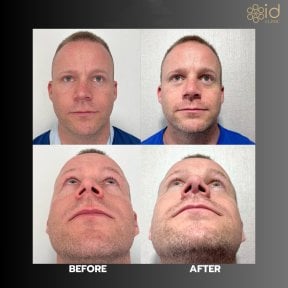
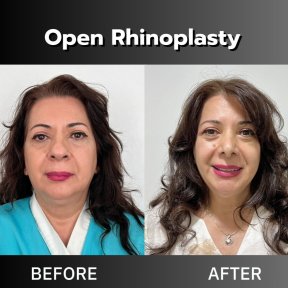
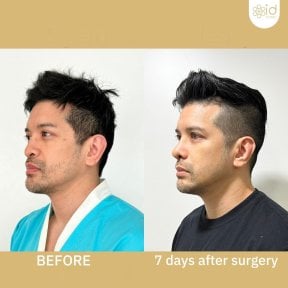
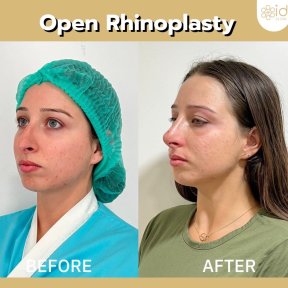
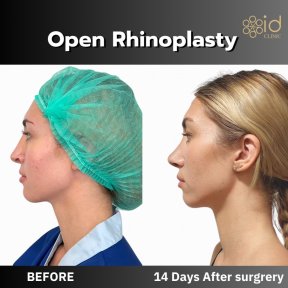
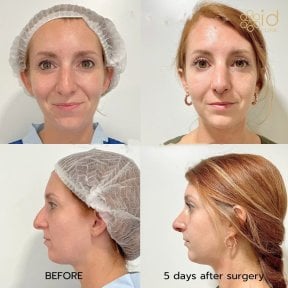
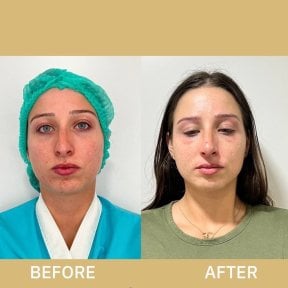
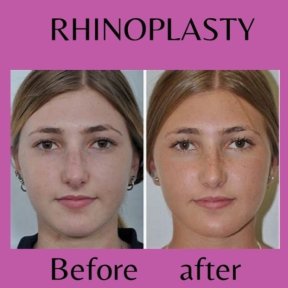
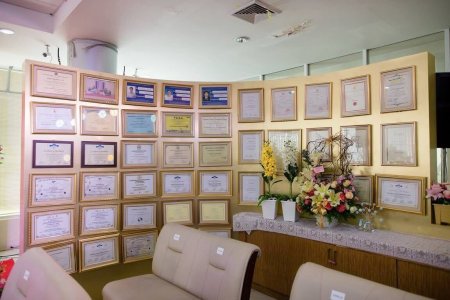
No todos los cirujanos estéticos en Tailandia están certificados en cirugía plástica. Aunque todo profesional debe poseer una licencia médica, los especialistas de élite obtienen diplomas adicionales. Los cirujanos cualificados suelen poseer la certificación del Thai Board of Plastic Surgery. Muchos también son miembros de la International Society of Aesthetic Plastic Surgery (ISAPS).
- Juntas de especialistas: Los médicos líderes poseen diplomas del Thai Board of Plastic Surgery.
- Formación internacional: Los mejores cirujanos cuentan con becas de centros médicos estadounidenses o europeos.
- Enfoque clínico: Algunos especialistas están certificados en otorrinolaringología para la remodelación funcional de la nariz.
- Membresías globales: La membresía en ASPS o ISAPS indica el cumplimiento de los estándares quirúrgicos internacionales.
Perspectiva del experto de Bookimed: Los datos muestran una tendencia significativa hacia la doble especialización entre los mejores cirujanos de rinoplastia de Tailandia. El Dr. Palapong Chayangsu posee una certificación internacional en cirugía plástica facial junto con otorrinolaringología. El Dr. Kanit Wittayavanichai mantiene tres certificaciones mientras ejerce como profesor de medicina. Estos profesionales combinan la experiencia estructural en oído, nariz y garganta con formación estética para lograr resultados funcionales superiores.
Consenso de los pacientes: Los pacientes a menudo se sienten más seguros después de ver las credenciales del Royal College of Surgeons of Thailand. Observan que los cirujanos que ofrecen escaneos 3D proporcionan una imagen más clara del aspecto final. Muchos consideran que los médicos con becas internacionales explican los pasos quirúrgicos de una manera más comprensible.