Ir a inicio
4.6/5
TrustPilot

Los mejores médicos del tratamiento de Cáncer de recto en Eskişehir - TOP-1 médicos

Compara a los mejores médicos de Cáncer de recto y precios en Turquía. Encuentra aquí tu mejor opción.

Recibe cotizaciones de 3 de los mejores especialistas en en Turquía

Seleccionaremos los mejores médicos según tus necesidades y presupuesto.

Mejores médicos

1

Turquía

Reseñas

14000+

De pacientes reales

Recibe planes de tratamiento personalizados gratuitos y elige la mejor opción. Sin compromiso · Sin pagos por nuestros servicios

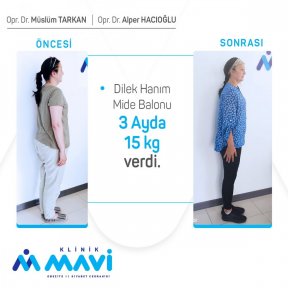
Antes y después de balón gástrico en Klinik Mavi – pérdida de 15 kg en 3 meses
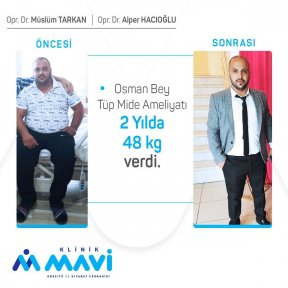
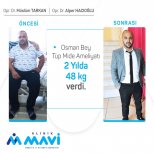
Antes y después de manga gástrica en Klinik Mavi – pérdida de 48 kg en 2 años
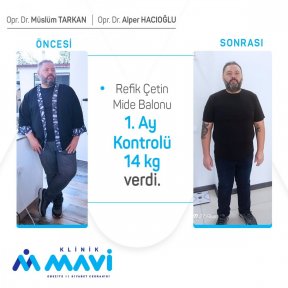
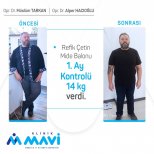
Antes y después de balón gástrico en Klinik Mavi: pérdida de peso visible tras 1 mes
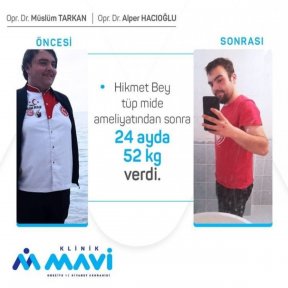
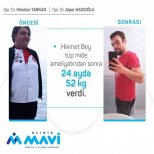
Antes y después de manga gástrica en Klinik Mavi – 52 kg menos en 24 meses
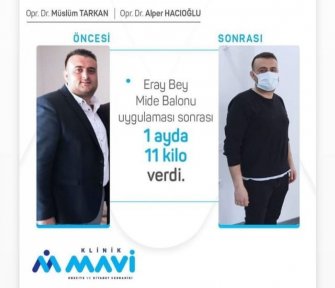
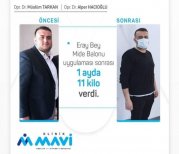
Resultados antes y después del balón gástrico en Klinik Mavi: 11 kg menos en 1 mes
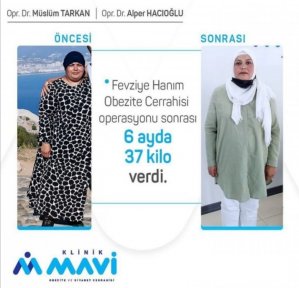
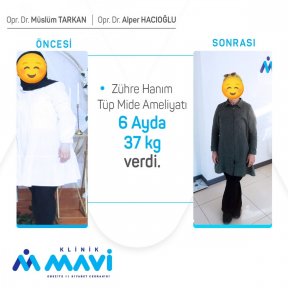
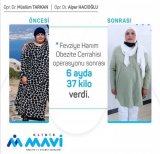
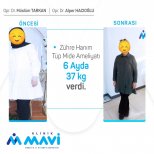
Antes y después de manga gástrica en Klinik Mavi – 37 kg menos en 6 meses
Antes y después de manga gástrica en Klinik Mavi – pérdida de 37 kg en 6 meses
Muslum Tarkan

Muslum Tarkan

29 años de experiencia
Clínica certificada por
Turkish Medical Association
International Federation for the Surgery of Obesity and Metabolic Disorders Certificate
Ubicación: Turquía, Eskişehir

El Dr. Tarkan se especializa en cirugías complejas de cáncer de estómago y recto, con un compromiso con los últimos avances en el campo.

  • Miembro de la Asociación Turca de Cirugía Bariátrica
  • Miembro de la Federación Internacional de Cirugía de la Obesidad y Trastornos Metabólicos
  • Graduado en la Facultad de Medicina de la Universidad de Dicle
Cita con el médicoPrecio a consultar

Elegir una clínica en el extranjero puede ser estresante. En Bookimed, con más de 800K pacientes ayudados, entendemos sus preocupaciones. Sabemos cómo encontrar médicos de confianza, las mejores opciones calidad-precio y soluciones incluso para casos complejos. Estamos aquí para guiarle en cada paso de su viaje médico.

Yan Matsiivskiy

Jefe del Equipo de coordinadores médicos

Más de 4300+ acompañamientos de pacientes

3 años en Bookimed

278 pacientes de Turkey han encontrado a su médico con nosotros este mes

Cómo obtendrás tu coincidencia de médico perfecta

1

Cuestionario de 2 minutos

Cuéntanos tu objetivo, presupuesto, y tiempo estimado

2

Coincidencia humana + IA

Nuestro algoritmo busca coincidencias, el coordinador verifica la compatibilidad

3

Tus opciones listas

Compara precios, paquetes, fechas. Chatea con tu coordinador

¿Demasiadas opciones?

Tu personal El coordinador de Bookimed te ayuda a encontrar el cirujano perfecto adaptado a tus necesidades

  • Te apoya 24/7 en cada etapa
  • Te ayuda a encontrar al médico adecuado y se encarga de toda la comunicación con las clínicas
  • Coordina tu viaje, alojamiento y traslados

Guiando tu tratamiento

Coordinadores personales con formación médica

Peguy Beaugris
Tetyana Hyrych
Zekra Eldeeb
Victoria Olayinka
Iryna Sydorchuk
Tetiana Ihnatiuk

Cómo elegir el médico y la clínica adecuados: Consejos de expertos

Al elegir un médico o una clínica, tenga en cuenta estos puntos clave:
Revise las credenciales
Verifique las certificaciones de entidades como ISAPS, JCI o los consejos médicos relevantes.
Revise las tasas de éxito
Elija médicos con una amplia experiencia y un historial comprobado en su tratamiento específico.
Lea las reseñas de los pacientes
Reseñas de pacientes reales de Bookimed para conocer su experiencia.
Garantía de comunicación eficaz
Elija clínicas que ofrezcan servicio de traducción para facilitar el tratamiento.
Pregunte sobre los servicios
Confirme si el precio incluye servicios como alojamiento, traslados locales y atención de seguimiento para evitar costos ocultos.

Bookimed Insights: Principales especialistas en Cáncer de recto en Turquía (2026)

Bookimed ha coordinado 7 solicitudes para el tratamiento de Cáncer de recto en Turquía, colaborando con 1 especialistas de primer nivel. Los médicos en esta tabla se seleccionan por sus credenciales internacionales, experiencia clínica y resultados de pacientes. La clasificación de 2026 se elabora con datos verificados de casos reales y programas actuales de nuestras clínicas asociadas.
ClasificaciónMédicoexperienciaBuena opción paraQué los distingueUbicación de la clínicaConsulta
#129 años de experienciaCirugías complejas de cáncer de rectoEspecialista en cirugías complejas de cáncer de recto y estómago. Miembro de prestigiosas asociaciones quirúrgicas, garantizando el uso de técnicas actualizadas.
Turquía
Precio a consultar

FAQ

Estas preguntas frecuentes provienen de pacientes reales que buscan atención médica a través de Bookimed. Las respuestas son proporcionadas por coordinadores médicos experimentados y representantes autorizados de las clínicas.

What are the success and survival rates for rectal cancer treatment in Turkey?

Rectal cancer survival rates in Turkey reach 93% for early-stage cases. Specialized centers report five-year survival between 68% and 90% for non-metastatic cancer. Advanced surgical techniques like the Da Vinci Xi system achieve 90% efficacy in successful rectal resections and tumor removal.

  • Localized survival: Stage I cases show survival rates between 87% and 93%.
  • Regional outcomes: Stage II and III patients maintain 60% to 82% survival.
  • Recurrence control: Total response to chemoradiotherapy reduces local recurrence risk to 3.6%.
  • Metastasis-free rate: Approximately 63% of patients remain metastasis-free five years after treatment.
  • Surgical efficacy: Specialized clinics report 85% to 90% success in complex resections.

Bookimed Expert Insight: Turkish oncology centers often use Da Vinci robotic systems for rectal surgeries. This technology is vital for preserving nerve function during deep pelvic procedures. It helps maintain urinary and sexual health while ensuring high survival rates. We see these technologies mostly in JCI-accredited hubs in Istanbul and Ankara.

Patient Consensus: Patients are often surprised by the high technology standards in Istanbul hospitals. Many note that the multidisciplinary team approach helps them feel confident about their recovery.

Is a permanent stoma always required?

A permanent stoma is not always necessary for rectal cancer treatment in Turkey. Surgeons prioritize sphincter-saving techniques to preserve natural bowel function. Permanent stomas are typically reserved for cases where the tumor involves the anal muscles or when the rectum is completely removed.

  • Sphincter preservation: Surgeons aim to avoid permanent stomas by performing ultra-low anterior resections.
  • Temporary diversion: A temporary stoma protects surgical connections while the bowel heals.
  • Reversal timeline: Most temporary stomas are reversed 3 to 12 months after surgery.
  • Medical necessity: Permanent stomas are used if the anus or bladder requires complete removal.

Bookimed Expert Insight: Turkish oncology centers show a strong trend toward robotic-assisted surgery for low rectal tumors. Anadolu Medical Center uses the CyberKnife and robotic systems to shrink tumors before surgery. This approach often helps surgeons save the sphincter and avoid a permanent stoma.

Patient Consensus: Patients note that while a temporary stoma feels overwhelming, clear guidance makes it manageable. They emphasize that specialized nurses in Istanbul clinics provide vital training for stoma care.

Can rectal cancer be treated without surgery?

Rectal cancer treatment without surgery is possible through a watch-and-wait strategy or immunotherapy. Patients showing a complete response to chemoradiation may opt for intensive monitoring. This path preserves organ function and avoids colostomy bags. Success depends on tumor genetics and early-stage diagnosis.

  • Watch-and-wait protocol: Doctors monitor patients whose tumors disappear after initial chemotherapy and radiation.
  • Success rates: Approximately 50% of locally advanced cases may successfully avoid major surgery.
  • Immunotherapy breakthrough: Patients with mismatch repair deficiency (MMRd) mutations may achieve 100% remission.
  • Endoscopic removal: Specialists remove very early-stage polyps during a colonoscopy without external incisions.
  • Intensive monitoring: Patients undergo frequent MRI scans and endoscopies to ensure no regrowth.

Bookimed Expert Insight: Analytics show Turkey's top oncology centers like Anadolu Medical Center and Neolife prioritize organ preservation. They use advanced PET-CT and 3T MRI to confirm complete clinical response. This technology ensures the watch-and-wait approach is safe. Some clinics offer robotic-assisted local excision as a middle ground. This avoids major resection while still removing residual tissue.

Patient Consensus: Patients highlight that avoiding a permanent stoma bag is their primary motivation. They note that the frequent check-ups felt stressful but manageable for a better quality of life.

How long is the hospital stay and overall recovery?

Patients typically stay in a Turkish hospital for 5 to 7 days after rectal cancer surgery. Minimally invasive laparoscopic or robotic techniques allow for faster discharge. Most return to light activities in 3 weeks. Full recovery usually takes 2 to 3 months.

  • Hospital duration: Surgical stay averages 5 to 7 days for most Turkish oncology centers.
  • Minimally invasive benefit: Laparoscopic procedures often reduce hospital stays by 2 to 3 days.
  • Initial recovery phase: Patients generally resume light daily tasks within 14 to 21 days.
  • Full activity return: Resuming strenuous exercise or heavy work takes 8 to 12 weeks.

Bookimed Expert Insight: Turkish clinics often include additional hotel stays in their rectal cancer packages. For example, Anadolu Medical Center packages frequently bundle 5 hospital nights with 10 hotel days. This ensures patients stay near their surgeon during the critical first two weeks of healing.

Patient Consensus: Patients note that having a dedicated companion is vital during the first week. They emphasize that while hospital discharge is quick, walking daily is key to regaining strength. Moving around soon after surgery helped many feel normal much faster than they expected.

What follow-up care can I continue in my home country after treatment in Turkey?

Follow-up care after rectal cancer treatment in Turkey combines remote specialist reviews with local clinical services. Turkish oncology centers provide digital consultations to monitor healing progress. You must coordinate physical exams and routine blood tests with your local oncologist to ensure continuous monitoring and safety.

  • Remote consultations: Turkish doctors review scans and lab results through secure video calls.
  • Local monitoring: Your home GP handles wound care and physical examinations locally.
  • Documentation transfer: Hospitals provide discharge summaries and pathology reports for your local team.
  • Treatment coordination: Turkish surgeons communicate with home doctors regarding medication and therapy updates.
  • Imaging reviews: You can upload new MRIs to Turkish portals for expert second opinions.

Bookimed Expert Insight: Anadolu Medical Center and Liv Hospital provide specialized coordinators for international patients. These clinics use dedicated portals to store digital imaging and pathology reports. This ensures your home oncologist sees the exact surgical techniques used. Having these files ready prevents diagnostic delays once you return home.

Patient Consensus: Patients emphasize the relief of having a direct WhatsApp contact for quick questions. Many suggest bringing a translated medical summary to help local doctors understand specific Turkish protocols.



