Neuroma acústico Tratamiento en Austria — Costos 2026


Revisado médicamente por
Fahad Mawlood
¿Cuál es el precio del diagnóstico y los tratamientos de Neuroma acústico en Austria? Descubra ahora
| Austria | España | Turquía | |
|---|---|---|---|
| Gamma Knife | ≈ $32,000 | de $24,900 | de $5,500 |
Sus beneficios y garantías con Bookimed
Precios directos
Bookimed no añade cargos extra a los precios de los tratamientos de Neuroma acústico. Las tarifas proceden de las listas de precios oficiales de las clínicas. Pagará directamente en la clínica por su tratamiento a su llegada al país.
Sólo clínicas y médicos verificados
Bookimed está comprometido con su seguridad. Solo trabajamos con las clínicas que mantienen altos estándares internacionales en el tratamiento de Neuroma acústico y cuentan con las licencias necesarias para atender a pacientes internacionales en todo el mundo.
Asistencia 24/7 gratuita
Bookimed ofrece asistencia experta gratuita. Un coordinador médico personal le apoya antes, durante y después de su tratamiento, resolviendo cualquier problema. Nunca estará solo en su viaje médico de tratamiento de Neuroma acústico.

Su coordinador médico personal de Bookimed
- Le apoya en cada etapa
- Ayuda a elegir la clínica y el médico adecuados
- Asegura un acceso rápido y conveniente a la información
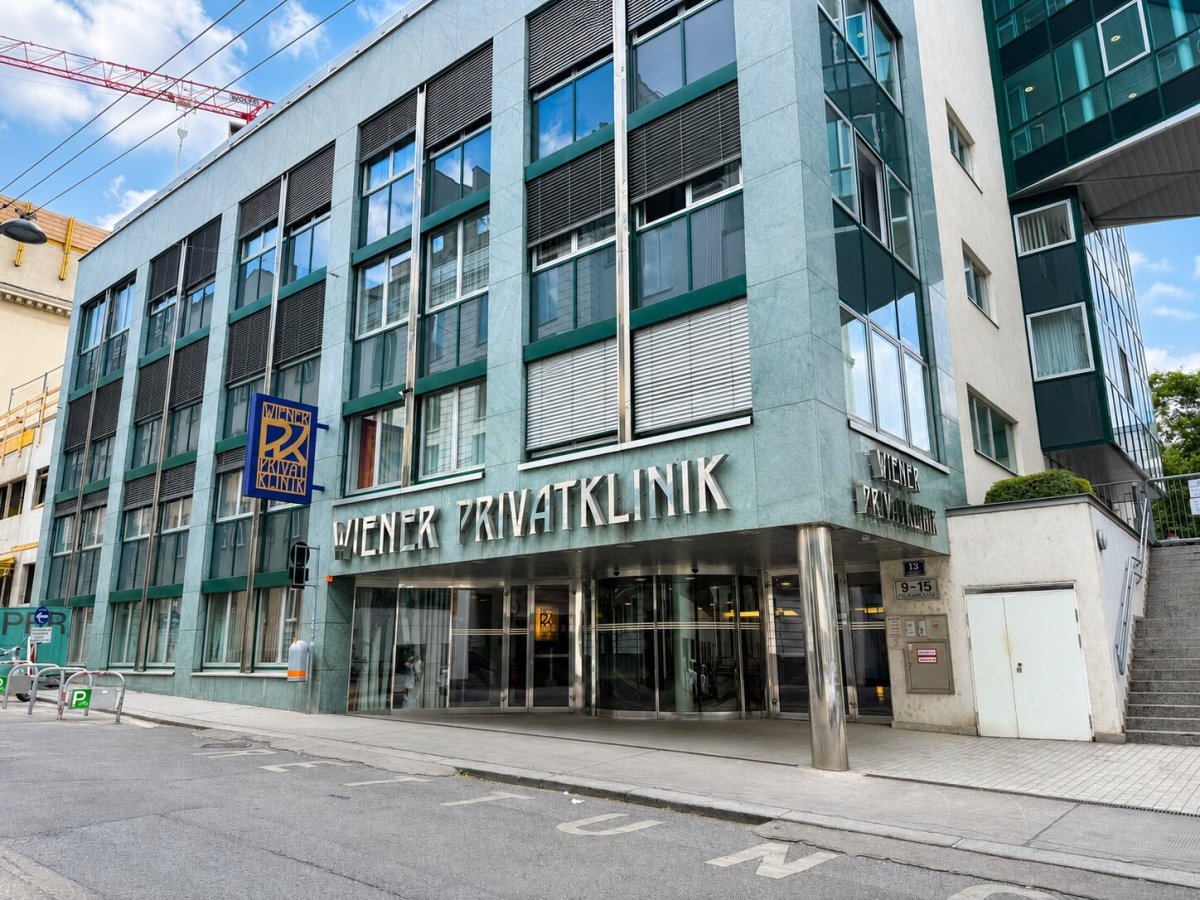
Descubra las mejores clínicas de tratamiento de Neuroma acústico en Austria: 1 opciones verificadas y Precios




Compartir contenido
Historias en video de pacientes de Bookimed
 Olena Sikoza
Preguntas frecuentes sobre el tratamiento de Neuroma acústico en Austria
¿Cuáles son las principales opciones de tratamiento para el neuroma acústico en Austria?
El tratamiento del neuroma acústico en Austria incluye vigilancia activa, microcirugía y radiocirugía estereotáctica, como con el Gamma Knife. Estos tumores son tratados por especialistas en instituciones acreditadas por la JCI y centros universitarios. La elección del tratamiento depende del tamaño del tumor, su tasa de crecimiento y los síntomas neurológicos o la audición del paciente.
- Vigilancia activa: Las resonancias magnéticas periódicas permiten controlar los tumores pequeños de crecimiento lento cada 6 a 12 meses.
- Gamma Knife: La radiación dirigida detiene el crecimiento de tumores de menos de 3 centímetros.
- Terapia de protones: La avanzada terapia de protones de MedAustron permite el tratamiento de tumores delicados ubicados cerca de estructuras cerebrales sensibles.
- Microcirugía: Los cirujanos extirpan tumores grandes mediante un abordaje retrosigmoideo, translaberíntico o a través de la fosa craneal media.
Opinión de expertos de Bookimed: Austria ofrece una ventaja significativa en casos complejos gracias a su alta concentración de especialistas universitarios. Muchos médicos de clínicas privadas, como la Wiener Privatklinik, también son profesores de la Universidad Médica de Viena. Esta estructura permite a los pacientes acceder a la experiencia académica combinada con la atención personalizada de un hospital privado. Para obt
¿Es posible preservar la audición y la función del nervio facial durante el tratamiento?
Los neurocirujanos austriacos preservan la función del nervio facial en el 96 % de los casos mediante radiocirugía con bisturí gamma. El éxito depende del tamaño del tumor y del estado inicial de los nervios. Los especialistas utilizan monitorización intraoperatoria en tiempo real para rastrear las señales nerviosas. Los tumores pequeños, de menos de 1,5 cm, tienen la mayor probabilidad de preservar la función.
- Monitorización nerviosa: Los cirujanos utilizan sistemas eléctricos para monitorizar el nervio facial durante la cirugía.
- Método de tratamiento: La radiocirugía permite preservar la función facial de forma más eficaz que la microcirugía invasiva en el tratamiento de tumores pequeños.
- Tamaño del tumor: Los tumores de menos de 1,5 cm se asocian a un riesgo significativamente menor de daño nervioso permanente.
- Abordaje quirúrgico: La técnica retrosigmoidea tiene como objetivo extirpar el tumor preservando las vías del nervio auditivo.
Reseña de expertos de Bookimed: La Clínica Privada de Viena ofrece acceso a los servicios de más de 400 médicos, incluyendo a numerosos profesores de la Universidad Médica de Viena. Contar con especialistas de tan alta calidad es fundamental, ya que su amplia experiencia se correlaciona directamente con una mejor preservación de los nervios. Elegir un centro donde los especialistas participan en investig
¿En qué casos recomiendan los especialistas austriacos la microcirugía en lugar de la radioterapia?
Los especialistas austriacos recomiendan la intervención microquirúrgica para los neuromas acústicos si el tamaño del tumor supera los 3 cm. Este tratamiento es preferible cuando los tumores provocan compresión del tronco encefálico o hidrocefalia. Los expertos priorizan la extirpación quirúrgica en pacientes jóvenes para evitar los riesgos asociados a la radioterapia. La cirugía sigue siendo el tratamiento principal para los tumores que muestran un crecimiento significativo según los estudios de imagen.
- Tamaño del tumor: La microcirugía es necesaria para tumores de más de 3 cm de diámetro.
- Descompresión mecánica: Los cirujanos utilizan la microcirugía para aliviar la presión potencialmente mortal sobre el tronco encefálico.
- Eficacia a largo plazo: Los especialistas prefieren la intervención quirúrgica en pacientes jóvenes para garantizar la extirpación definitiva del tumor.
- Ineficacia de la radioterapia: Si el tumor continúa creciendo después de la radioterapia, se recomienda la microcirugía.
Opinión de expertos de Bookimed: Los docentes de la Clínica Privada de Viena (Wiener Privatklinik) de la Universidad Médica de Viena suelen centrarse en intervenciones quirúrgicas para pacientes con discapacidad auditiva. Cuando la audición ya está perdida, los cirujanos priorizan la extirpación completa del tumor sobre la preservación de los nervio
¿Está ampliamente disponible la radiocirugía con bisturí gamma en Austria?
La radiocirugía con bisturí gamma no ha alcanzado gran popularidad en Austria. Se concentra en los principales centros médicos. El Hospital Municipal de Viena alberga la unidad principal integrada. Los pacientes suelen ser trasladados desde clínicas privadas a estos centros especializados para someterse al procedimiento. La Clínica CyberKnife de Salzburgo es la principal alternativa.
- Acceso centralizado: La mayor parte de la tecnología y la experiencia se concentra en Viena.
- Prestación conjunta de servicios médicos: especialistas de la universidad de medicina colaboran con clínicas privadas como la Wiener Privatklinik.
- Alternativas regionales: CyberKnife en Salzburgo ofrece opciones de tratamiento no invasivas para pacientes que se encuentran a distancias considerables.
- Tratamientos avanzados: MedAustron ofrece radioterapia de precisión para tumores complejos y profundos.
Reseña de Bookimed: La Clínica Privada de Viena utiliza un modelo único para el tratamiento del neuroma acústico. Conecta a los pacientes con más de 400 médicos, muchos de ellos profesores de la Universidad Médica de Viena. Esta conexión ofrece la comodidad de un hospital privado, manteniendo al mismo tiempo el acceso directo a tecnologías especializadas de radiocirugía. Usted se beneficia de la experiencia académica de profesionales altamente cualificados sin las molest
¿Qué hospitales o clínicas de Austria son conocidos por tratar el neuroma acústico?
Entre los principales centros austriacos para el tratamiento del neuroma acústico se encuentran el Hospital General de Viena (AKH Wien) y el Hospital Privado de Viena (Wiener Privatklinik). Estas instituciones se especializan en el tratamiento de tumores complejos de la base del cráneo y cuentan con equipos interdisciplinarios de neurocirujanos y neurootólogos. Priorizan la resección microquirúrgica y la radiocirugía con bisturí gamma para lograr el máximo control tumoral.
- Hospital Municipal de Viena: Informa de la preservación de la audición en hasta el 83% de los pacientes con tumores pequeños que reciben intervención temprana.
- Clínica Privada de Viena: Sede del Centro Millesi, especializado en microreconstrucción y protección del nervio facial.
- Diagnóstico moderno: las clínicas utilizan resonancia magnética cerebral con contraste y tomografía computarizada para una planificación precisa.
- Monitorización quirúrgica: La neuromonitorización intraoperatoria específica ayuda a proteger el nervio facial durante la resección.
- La Universidad LKH de Graz ofrece tratamientos neuroquirúrgicos de vanguardia para tumores complejos de la vaina nerviosa periférica.
Opinión de expertos de Bookimed: El Hospital Privado de Viena (Wiener Privatklinik) cuenta con una ventaja única, ya que muchos de sus 400 médicos son profesores d
¿Cómo es el proceso de recuperación tras una cirugía en Austria?
La recuperación tras la cirugía de neuroma acústico en Austria requiere cinco días de hospitalización intensiva. Los pacientes reciben especial atención a la movilización temprana y la rehabilitación vestibular para restablecer el equilibrio en 48 horas. Los centros austriacos ofrecen sistemas de derivación a rehabilitación especializada, lo que garantiza el acceso a fisioterapia intensiva para restaurar la función neurológica y del nervio facial.
- Hospitalización: La observación aguda suele durar de 1 a 5 días en departamentos especializados.
- Rehabilitación neurológica: Programas de internamiento de varias semanas de duración centrados en el entrenamiento del equilibrio y la fisioterapia.
- Cuidado del nervio facial: La monitorización especializada ayuda a controlar la debilidad temporal y a garantizar una protección ocular adecuada.
- Terapia vestibular: Los ejercicios específicos ayudan al cerebro a adaptarse a los cambios en las señales que afectan al equilibrio.
Opinión experta de Bookimed: Los datos clínicos de centros como la Clínica Privada de Viena demuestran que la atención al paciente se beneficia de equipos interdisciplinarios compuestos por más de 400 médicos. Una tendencia clave en Austria es el uso de la tecnología Gamma Knife para el tratamiento de tumores pequeños. Este enfoque no invasivo reduce el periodo de recuperación de
¿Ofrece Austria rehabilitación especializada tras el tratamiento?
Austria cuenta con una sólida red de centros de neurorrehabilitación y oncología que ofrecen rehabilitación especializada tras el tratamiento del neuroma acústico. Los pacientes reciben terapia específica para mejorar el equilibrio vestibular, restaurar el nervio facial y adaptar la audición. Los programas están disponibles tanto en régimen de hospitalización intensiva como ambulatorio en todo el país.
- Especialización neurológica: los centros tratan la compensación vestibular, la estabilización de la mirada y la debilidad del nervio facial.
- Instalaciones especializadas: La rehabilitación suele llevarse a cabo en centros especializados que se centran en enfermedades específicas, en lugar de en hospitales convencionales.
- Tecnologías avanzadas: Las clínicas utilizan entrenadores de marcha robóticos e instrumentos especializados para restaurar la función de las extremidades superiores.
- Estándares de tratamiento: Los programas de tratamiento intensivo para pacientes hospitalizados suelen durar entre 3 y 6 semanas.
Opinión de expertos de Bookimed: Si bien muchas clínicas austriacas, como Wiener Privatklinik, destacan en el diagnóstico inicial y el tratamiento con Gamma Knife, la rehabilitación especializada requiere una derivación independiente a una clínica de rehabilitación. Los pacientes deben asegurarse de que su neurocirujano inicie este p