Tratamiento de Cáncer de vejiga en Austria — obtenga 3 coincidencias personalizadas de clínicas


Revisado médicamente por
Fahad Mawlood
Cómo funciona
¿Cuál es el precio del diagnóstico y los tratamientos de Cáncer de vejiga en Austria? Descubra ahora
De $430. Las intervenciones quirúrgicas primarias como la extirpación de la vejiga van desde $24,000 hasta $35,000, mientras que la extirpación de vejiga más compleja con reconstrucción cuesta entre $32,000 y $44,000. Los gastos totales dependen del estadio del cáncer, el nivel del hospital y el uso de tecnologías asistidas por robot. Viena es el centro principal para estos procedimientos.
Costos típicos del tratamiento del cáncer de vejiga en Austria
- Consulta con un oncólogo: de $430
- Extirpación de vejiga: $24,000 – $35,000
- Extirpación de vejiga con reconstrucción: $32,000 – $44,000
- Quimioterapia intraperitoneal hipertérmica (HIPEC): $24,000 – $37,000
- Inmunoterapia con Keytruda: $5,800 – $8,400
- Terapia con bacilo de Calmette-Guérin (BCG): $2,800 – $5,200
- Terapia con Actinio-225: Precio a consultar
- Radioterapia: de $6,800
- Quimioterapia: $9,500 – $18,000
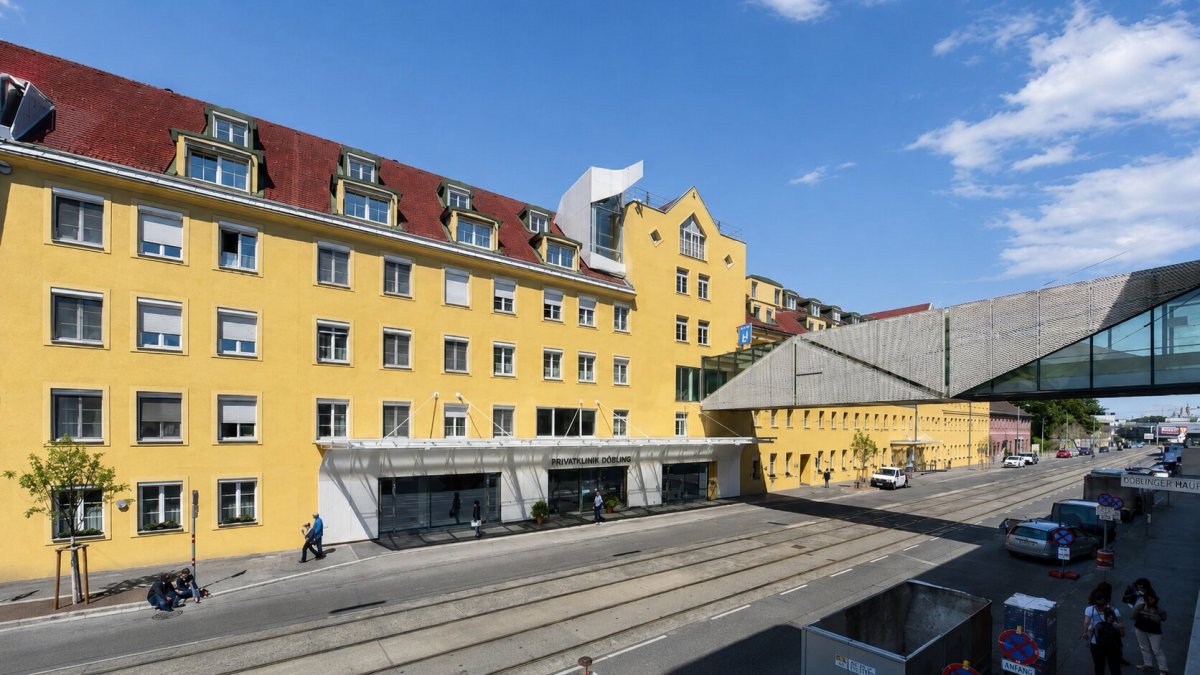
Perspectiva de los expertos de Bookimed: Los pacientes que buscan oncología de alta precisión se benefician del enfoque multidisciplinario en la Wiener Privatklinik. Su Centro Internacional de Oncología cuenta con expertos como el profesor Christoph Zielinski, quien se especializa en protocolos de inmunoterapia. Para necesidades quirúrgicas complejas, el Hospital Privado Döbling es ideal. Reportan tasas de complicaciones por debajo de los valores nominales y mantienen estándares de seguridad acreditados por la JCI. Los entornos universitarios a gran escala como el Hospital General de Viena (AKH) brindan una profunda experiencia respaldada por la investigación para casos avanzados.
| Austria | España | Turquía | |
| Terapia con el bacilo de Calmette-Guérin (BCG) | ≈ $2,800 | ≈ $2,600 | ≈ $1,500 |
| Radioterapia para el cáncer colorrectal | de $6,800 | de $7,500 | de $5,000 |
| Quimioterapia para el cáncer de vesícula biliar | ≈ $7,500 | de $1,300 | ≈ $2,200 |
| Quimioterapia para el cáncer de mama | ≈ $9,500 | de $1,700 | de $3,000 |
| Quimioterapia intraperitoneal hipertérmica (HIPEC) | ≈ $24,000 | de $82,200 | de $18,000 |
Descubra las mejores clínicas de tratamiento de Cáncer de vejiga en Austria: 6 opciones verificadas y Precios
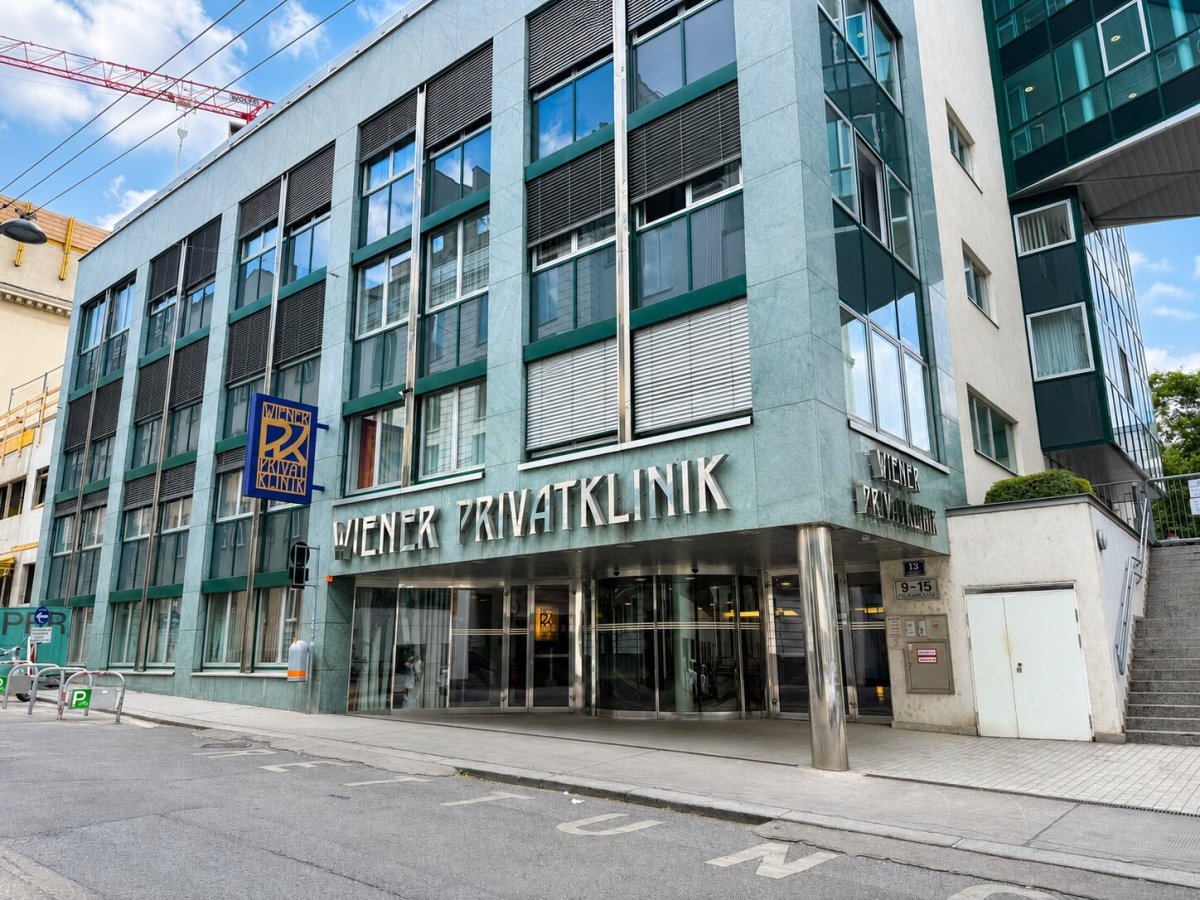




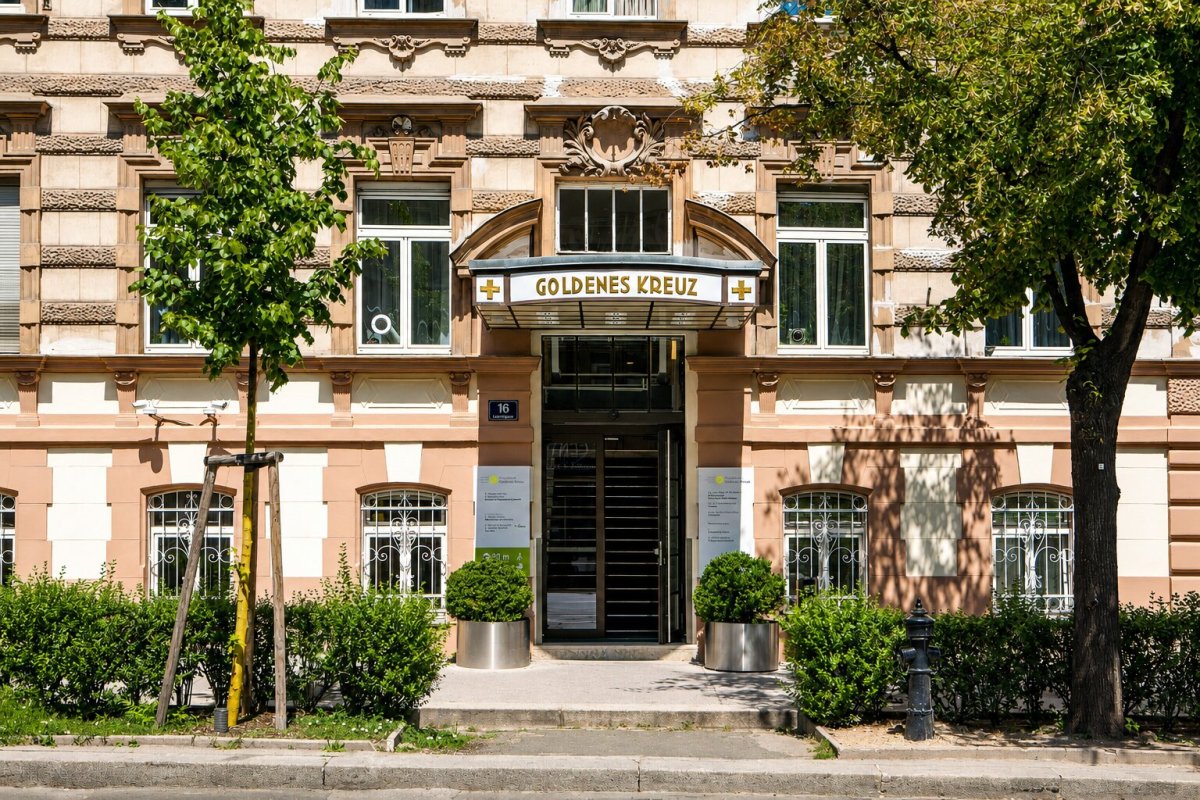
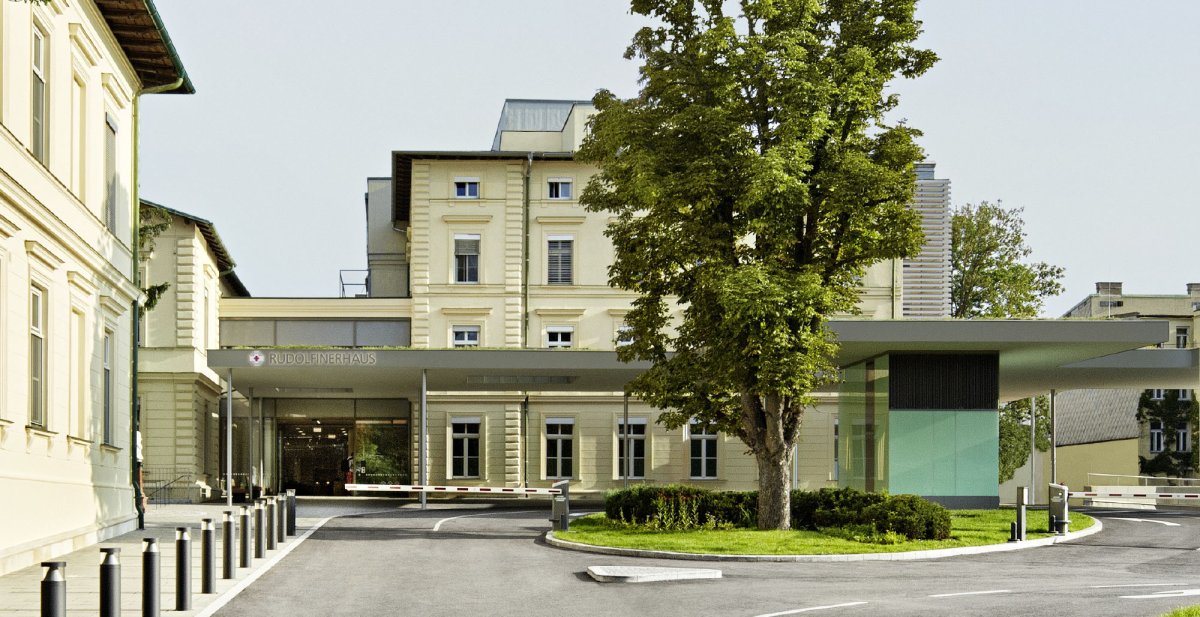
Confraternitaet & Goldenes Kreuz Private Hospital



Obtenga una evaluación médica para Cáncer de vejiga en Austria: consulte con doctores experimentados ahora
Ver todos los médicos
Christoph Zielinski
El Prof. Zielinski dirige el departamento de oncología más grande de Austria y fue pionero en terapias personalizadas contra el cáncer en el Vienna Cancer Center.
- 44 años especializado en oncología médica e inmunoterapia
- Fundador del Comprehensive Cancer Center Vienna (CCC)
- Ex presidente del Central European Cooperative Oncology Group
- Autor de numerosas publicaciones en revistas oncológicas líderes
- Director médico del Centro Internacional de Oncología de la Wiener Privatklinik
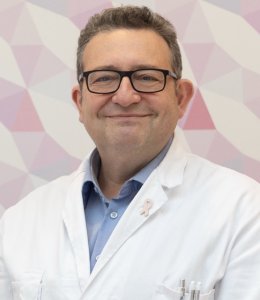
David Kuczer
El Dr. David Kuczer es especialista en radiooncología con muchos años de experiencia en el diagnóstico y tratamiento del cáncer. Ofrece acceso rápido a radioterapia precisa, basada en los estándares científicos actuales.
Es miembro del Cancer Center de la Vienna Private Clinic. Presenta a cada paciente ante el comité de tumores interno, lo que permite una discusión interdisciplinaria por parte de un equipo de prestigio internacional y ayuda a seleccionar el mejor tratamiento.
To

Harald Rosen
_doctor_3825_años_ especializado en procedimientos gastrointestinales mínimamente invasivos – El Dr. Rosen combina la precisión quirúrgica con la experiencia en medicina interna en la Wiener Privatklinik.
- Experto en endoscopia diagnóstica y terapéutica para casos complejos
- Pionero en métodos quirúrgicos endoscópicos modernos en Austria
- Se centra en tratamientos mínimamente invasivos para una recuperación más rápida
- Especializado en neoplasias gastrointestinales y enfermedades hepáticas

Wolfgang Köstler
El Prof. Köstler se especializa en terapias dirigidas para el cáncer de vejiga, con una amplia investigación en oncología de precisión en la Wiener Privatklinik.
- Más de 22 años de experiencia en oncología médica
- Se centra en el desarrollo de biomarcadores e inmunoterapia
- Profesor asociado en la Universidad Médica de Viena
- Publicaciones en las principales revistas internacionales de oncología
Compartir contenido
Historias en video de pacientes de Bookimed
 Olena Sikoza
Preguntas frecuentes sobre el tratamiento de Cáncer de vejiga en Austria
¿Cuáles son las principales opciones de tratamiento para el cáncer de vejiga en Austria?
Austria ofrece tratamientos de vanguardia para el cáncer de vejiga mediante un enfoque multidisciplinario centrado en Viena. Los pacientes tienen acceso a la resección transuretral de la vejiga (RTUV), la cistectomía radical robótica y la reconstrucción vesical especializada. Métodos innovadores como la terapia con actinio-225, la inmunoterapia con Keytruda y la radioterapia en MedAustron proporcionan un tratamiento sistémico de vanguardia.
- Intervenciones quirúrgicas: en las primeras etapas, los cirujanos realizan una resección transuretral del tumor vesical (RTUV) y, en los casos con invasión muscular, una cistectomía radical.
- Reconstrucción del sistema urinario: tras la cistectomía, existen opciones para crear neovejigas urinarias o conductos ileales a partir de segmentos intestinales.
- Tratamientos avanzados: Las clínicas ofrecen terapia con actinio-225, quimioterapia intraperitoneal hipertérmica (HIPEC) e inmunoterapia para casos complejos o enfermedad metastásica.
- Tratamiento intravesical: La vacuna BCG (bacilo de Calmette-Guérin) y los fármacos de quimioterapia se inyectan directamente en la vejiga.
Opinión de expertos de Bookimed: Si bien muchos centros ofrecen servicios oncológicos estándar, Viena es un referente mundial en innovación liderada por médicos. Especialistas como el Dr. Christoph Zielinski y el Dr. Wolfgang Koestler del
¿Qué requisitos deben cumplir los cirujanos urólogos austriacos para tratar el cáncer de vejiga y qué criterios de seguridad se aplican?
Los cirujanos urólogos austriacos se especializan tras seis años de formación médica y seis años de residencia. Para obtener la certificación de Especialista en Urología Facial (Facharzt für Urologie), deben superar rigurosos exámenes de cualificación. Muchos obtienen el título de Miembro del Consejo Europeo de Urología (FEBU). La seguridad está garantizada por las estrictas directrices clínicas de la Asociación Europea de Urología (EAU).
- La estructura de la residencia consta de cuatro años de formación en urología más dos años de formación en cirugía o medicina interna.
- Residencias en Oncología: Los especialistas suelen completar residencias de dos años en oncología urológica en los principales hospitales universitarios.
- Criterios quirúrgicos: Los cirujanos deben realizar una resección completa del tumor con biopsia del músculo detrusor para determinar el estadio de la enfermedad.
- Control de calidad: Los registros nacionales supervisan los resultados del tratamiento y mantienen las tasas de supervivencia a cinco años entre el 75 % y el 80 %.
Opinión experta de Bookimed: Los datos muestran una clara relación entre la carga de trabajo de los especialistas y la seguridad del paciente en Austria. Centros académicos como el Hospital General de Viena (AKH) atienden a aproximadamente 600 000 pacientes al año. Elegir un cirujano que realice más
¿Es frecuente la cistectomía robótica o mínimamente invasiva en Austria y cuál es el tiempo de recuperación típico?
La cistectomía robótica y mínimamente invasiva está ampliamente disponible en Austria en centros especializados de Viena y Linz. Los cirujanos utilizan sistemas de última generación para realizar estos procedimientos. Los pacientes suelen permanecer menos tiempo en el hospital y se recuperan más rápidamente que con las cirugías abiertas tradicionales.
- Estancia hospitalaria: Los pacientes suelen permanecer en el hospital entre 3 y 10 días después de la cirugía.
- Recuperación inicial: La reanudación de actividades ligeras suele tardar de 1 a 2 semanas después de la cirugía.
- Independencia funcional: La mayoría de los pacientes alcanzan la independencia inicial en un plazo de 3 a 6 meses.
- Recuperación completa: La recuperación completa después de una cistectomía radical suele tardar entre 6 y 12 semanas.
- Volumen de procedimientos quirúrgicos: En los centros médicos austriacos se realizan anualmente alrededor de 2.100 cirugías asistidas por robot.
Opinión de expertos de Bookimed: Si bien los tiempos de recuperación a largo plazo son prácticamente los mismos, la cirugía robótica en Austria reduce significativamente la estancia hospitalaria postoperatoria inmediata. El Hospital General de Viena (AKH) atiende a más de 595 000 pacientes anualmente y es un importante centro académico. La elección de centros de esta envergad
¿Cuáles son las posibles complicaciones a corto y largo plazo que pueden surgir tras una cirugía de cáncer de vejiga en Austria, y cómo se tratan?
En los centros especializados austriacos, las complicaciones posteriores a la cirugía de vejiga se tratan mediante protocolos de recuperación intensificada y consultas oncológicas interdisciplinarias. Los riesgos a corto plazo incluyen infecciones y disfunción intestinal. El tratamiento a largo plazo se centra en el seguimiento de la salud metabólica y la función urinaria. Clínicas como la Clínica Privada de Viena y el Hospital General de Viena se adhieren a las estrictas directrices de la Asociación Europea de Urología.
- Infección precoz: El uso selectivo de antibióticos trata las infecciones del tracto urinario o las infecciones de heridas que se producen en el hospital.
- Control intestinal: Los cirujanos utilizan chicle y actividad física temprana para restablecer la digestión después de la cirugía.
- Función urinaria: El entrenamiento de los músculos del suelo pélvico y ciertos medicamentos pueden ayudar a controlar la incontinencia urinaria o los problemas asociados con la retención urinaria en la vejiga.
- Monitorización metabólica: Tras la reconstrucción, se realizan análisis de sangre de por vida para controlar la función renal y los niveles de vitamina B12.
Opinión experta de Bookimed: Los datos de los principales centros vieneses, como la Wiener Privatklinik y el Hospital General de Viena, muestran que las tasas de complicaciones se m
¿Cuánto tiempo tendré que permanecer en Austria para el diagnóstico y tratamiento del cáncer de vejiga, y cuál es la secuencia típica de estos procedimientos?
La duración de la estancia en Austria para el tratamiento del cáncer de vejiga oscila entre 3 días para el diagnóstico y 6 semanas para una cirugía mayor. Las exploraciones iniciales suelen durar entre 3 y 14 días e incluyen una cistoscopia y una biopsia. Los procedimientos mayores, como la cistectomía radical, requieren una hospitalización de 7 días seguida de un periodo de recuperación local.
- Etapa de diagnóstico: Los centros locales realizan la cistoscopia y la biopsia en un plazo de 3 a 7 días.
- Intervención quirúrgica: la resección transuretral (RTUV) generalmente requiere solo 1 o 2 días de hospitalización.
- Recuperación mejorada: Los pacientes que se han sometido a una cistectomía radical deben permanecer en Viena de 4 a 6 semanas.
- Ciclos sistémicos: Los protocolos de inmunoterapia o quimioterapia suelen estar diseñados para un tratamiento de 3 a 4 meses.
Opinión de los expertos de Bookimed: Los pacientes pueden minimizar los desplazamientos eligiendo hospitales como la Wiener Privatklinik o el Hospital General de Viena (AKH), que ofrecen servicios de histopatología in situ. Mientras que algunos laboratorios europeos requieren 10 días, estos importantes centros vieneses suelen agilizar los resultados. Esto permite a los pacientes comenzar la terapia intravesical con BCG o programar una cirugía durante el mismo viaje de dos semanas. E
¿Ofrecen las clínicas austriacas servicios de traducción, documentos en inglés y apoyo para turistas médicos?
Las clínicas austriacas ofrecen una amplia gama de servicios de traducción y documentación en inglés para pacientes con cáncer de vejiga. Instituciones líderes, como la Wiener Privatklinik, ofrecen un enfoque personalizado del tratamiento en un entorno multilingüe. La mayoría de los médicos dominan el inglés. La normativa legal garantiza que los pacientes reciban la información sobre su tratamiento en un idioma que comprendan perfectamente.
- Personal cualificado: Especialistas como el Dr. Christoph Zielinski gestionan casos internacionales de cáncer en inglés.
- Documentación: Las clínicas proporcionan versiones en inglés de los acuerdos de tratamiento y los formularios de consentimiento informado.
- Asistencia para la obtención de visas: Los hospitales suelen emitir invitaciones para recibir tratamiento con el fin de facilitar la tramitación de la visa.
- Servicios de traducción: Hay intérpretes disponibles en el lugar para el registro, los exámenes de diagnóstico y los procedimientos quirúrgicos.
Opinión de expertos de Bookimed: Si bien los hospitales públicos como el AKH de Viena atienden a aproximadamente 600 000 pacientes al año, las clínicas privadas ofrecen una atención más especializada. La Wiener Privatklinik brinda acceso a profesores de la Universidad Médica de Viena en un entorno más personalizado. Esto garantiza que los casos comple
¿Qué ciudades austriacas se consideran las mejores para el tratamiento del cáncer de vejiga y por qué?
Viena, Graz e Innsbruck son ciudades austriacas líderes en el tratamiento del cáncer de vejiga. Albergan tres Centros Oncológicos Integrales (CIC) reconocidos a nivel nacional. Estos centros ofrecen diagnósticos interdisciplinarios y tratamientos basados en la evidencia. Viena es el centro líder del país en cirugía robótica compleja e inmunoterapia avanzada.
- Centro Oncológico de Viena: AKH Viena y Wiener Privatklinik ofrecen cistectomía robótica e inmunoterapia.
- Centros de investigación en Graz: El Centro Ragnitz de Graz y la Universidad Médica de Graz están especializados en la realización de consultas sobre el tratamiento de un gran número de tumores.
- Atención médica académica en Innsbruck: El Hospital Universitario de Innsbruck ofrece servicios de vanguardia en reconstrucción de vejiga mediante prótesis no urinarias y lleva a cabo investigación clínica.
- Terapia de precisión especializada: La clínica MedAustron, situada en la cercana Wiener Neustadt, realiza radioterapia de alta precisión utilizando partículas.
Opinión de expertos de Bookimed: Si bien los hospitales universitarios como el AKH de Viena atienden a aproximadamente 600 000 pacientes al año, las clínicas privadas ofrecen un acceso mucho más rápido para los pacientes internacionales. Clínicas como Wiener Privatklinik o Döbling Private Hospital mantienen tasas de complicacione