Cáncer de vejiga en Turquía: las 34 mejores clínicas para su tratamiento


Revisado médicamente por
Fahad Mawlood
Cómo funciona
¿Cuál es el precio del diagnóstico y los tratamientos de Cáncer de vejiga en Turquía? Descubra ahora
El costo total del tratamiento del cáncer de vejiga en Turquía varía según su plan de tratamiento. Las consultas iniciales con un oncólogo y un radiólogo tienen un precio de 190 €. Un escaneo PET-CT cuesta 670 €, mientras que una resonancia magnética del abdomen con contraste es de 1.290 €. Las pruebas de sangre completas varían de 1.430 € a 2.380 €. Las sesiones de quimioterapia tienen un precio de 3.330 € por ciclo, y 30 fracciones de radioterapia IMRT cuestan 6.800 €. La cirugía de cistectomía radical puede variar de 24.950 € a 33.550 €, dependiendo de si se utiliza un enfoque robótico. El programa de tratamiento se determina después de una evaluación individual de cada paciente.
| España | Turquía | México | |
|---|---|---|---|
| Terapia con el bacilo de Calmette-Guérin (BCG) | ≈ $2,600 | ≈ $1,500 | ≈ $1,800 |
| Radioterapia para el cáncer colorrectal | de $7,500 | de $5,000 | ≈ $6,500 |
| Quimioterapia para el cáncer de vesícula biliar | de $1,300 | ≈ $2,200 | ≈ $4,500 |
| Quimioterapia para el cáncer de mama | de $1,700 | de $1,900 | ≈ $4,500 |
| Quimioterapia intraperitoneal hipertérmica (HIPEC) | de $29,100 | de $18,000 | ≈ $18,000 |
Descubra las mejores clínicas de tratamiento de Cáncer de vejiga en Turquía: 34 opciones verificadas y Precios










Memorial Bahçelievler Hospital
Abdulmuttalip Simsek



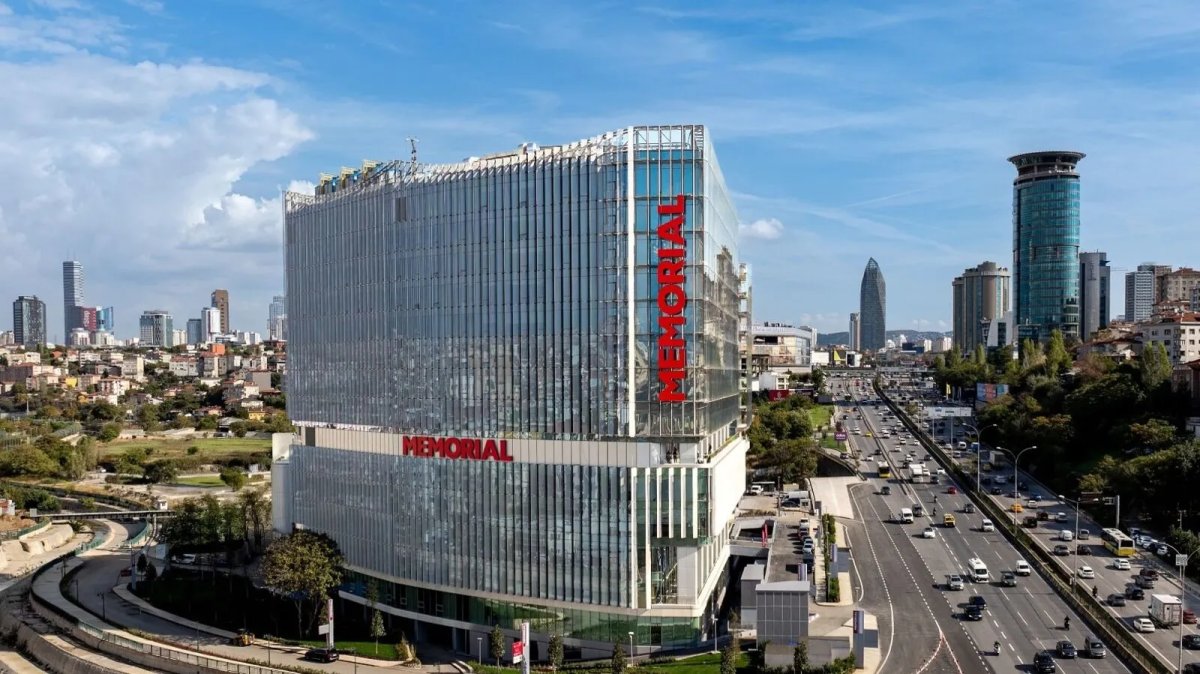
Memorial Göztepe Hospital


Hospital Lokman Hekim de Estambul (Lokman Hekim Istanbul Hospital)



Obtenga una evaluación médica de tratamiento de Cáncer de vejiga en Turquía: haga una consulta con 60 médicos experimentados ahora
Ver todos los médicos
Bulent Karagoz
El Dr. Bülent Karagöz aporta 33 años de experiencia en oncología, especializándose en tratamientos avanzados para el cáncer de vejiga en el Anadolu Medical Center.
- Subespecializado en biología tumoral e inmunoterapia contra el cáncer
- Profesor en la Facultad de Medicina de la Universidad Okan de Estambul
- Autor de más de 40 publicaciones en investigación sobre el cáncer
- Miembro de la Asociación Turca de Oncología Médica
- Ofrece consultas en inglés y turco
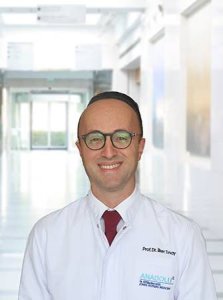
Ilker Tinay
El Prof. Ilker Tinay se especializa en cirugía de cáncer de vejiga y reconstrucción en el Anadolu Medical Center, un hospital afiliado a Johns Hopkins.
- Jefe del Departamento de Oncourología con cargos directivos en asociaciones de oncourología
- Experto en cirugía mínimamente invasiva y técnicas de reconstrucción de neovejiga
- Miembro de la junta directiva de la International Bladder Cancer Network
- Miembro de la Asociación Europea de Urología y del Colegio Americano de Cirujanos

Cenk Acar
El Dr. Cenk Acar es cirujano urólogo en el Hospital Hisar Intercontinental de Estambul. Ha realizado más de 500 cirugías de cáncer urológico. Fue el primer médico en Turquía en aplicar la enucleación prostática bipolar. El Dr. Acar completó una beca en cirugía robótica y laparoscópica en el Instituto del Cáncer de los Países Bajos.
- Realizó más de 250 procedimientos HOLEP para el agrandamiento benigno de la próstata.
- Experto en imágenes de fluorescencia intraoperatoria para
Abdulmuttalip Simsek
El Dr. Abdulmuttalip Simsek es cirujano urólogo en el Hospital Memorial Bahçelievler de Estambul. Se especializa en cirugía robótica y reconstructiva para afecciones urológicas complejas. El Dr. Simsek tiene el rango de profesor y completó su formación en urología reconstructiva en el Reino Unido. Trata una amplia gama de cánceres, incluidos los tumores malignos de riñón, próstata y vejiga.
- Realiza HoLEP para la hiperplasia prostática benigna y cirugía de prótesis de pene.
Reseñas
Todas las reseñasCompartir contenido
Historias en video de pacientes de Bookimed
 Olena Sikoza
Preguntas frecuentes sobre el tratamiento de Cáncer de vejiga en Turquía
¿Es Turquía un buen lugar para el tratamiento del cáncer de vejiga?
Turquía es un destino de primer nivel para el tratamiento del cáncer de vejiga. El país combina instalaciones acreditadas por la Joint Commission International (JCI) con tecnología avanzada como el sistema robótico da Vinci XI. Los centros especializados colaboran a menudo con instituciones globales de primer nivel como el Johns Hopkins Hospital para garantizar una atención oncológica basada en protocolos.
- Personal quirúrgico experto: El Dr. Ilker Tinay se especializa en cirugía robótica de vejiga y reconstrucción de neovejiga.
- Herramientas de diagnóstico avanzadas: Las clínicas utilizan PET/CT digital y resonancia magnética de 3 Teslas asistida por IA para la estadificación.
- Gama de tratamientos: Las opciones incluyen cistectomía radical, terapia con Bacillus Calmette-Guérin (BCG) e inmunoterapia con Keytruda.
- Estándares internacionales: Instalaciones como el Anadolu Medical Center están certificadas por la Organisation of European Cancer Institutes (OECI).
Opinión del experto de Bookimed: Aunque muchos países ofrecen la extirpación estándar de la vejiga, Turquía destaca por la reconstrucción de neovejiga asistida por robot a precios asequibles. Por ejemplo, el Hospital Memorial Göztepe ofrece paquetes complejos de cistectomía robótica que oscilan entre 52.900 y 61.300 dólares. Esto es aproximadamente un 40% menos que en los Estados Un
¿Cuáles son las últimas opciones de tratamiento disponibles en Turquía?
Turquía ofrece tratamientos avanzados para el cáncer de vejiga, incluyendo la cistectomía radical robótica y la quimioterapia intraperitoneal hipertérmica (HIPEC). Los principales centros acreditados por la JCI en Estambul utilizan el sistema robótico da Vinci Xi para la extirpación precisa de tumores. Estos enfoques modernos se centran en preservar la función vesical y mejorar los tiempos de recuperación de los pacientes.
- Cirugía robótica: Los sistemas da Vinci proporcionan una extirpación de vejiga de alta precisión con una pérdida de sangre mínima.
- Terapia HIPEC: Se administra quimioterapia calentada directamente en la cavidad durante los procedimientos quirúrgicos.
- Reconstrucción de vejiga: Los cirujanos crean neovejigas ortotópicas o reservorios continentes para mantener la función urinaria.
- Inmunoterapia: Fármacos novedosos como Keytruda se dirigen a células cancerosas específicas para prevenir la recurrencia de la enfermedad.
Perspectiva del experto de Bookimed: Aunque muchos centros ofrecen cirugía estándar, los resultados más completos provienen de instalaciones como el Hospital Memorial Göztepe. Ofrecen combinaciones especializadas de cistectomía robótica y reconstrucción de reservorio continente. Los datos muestran que estas reconstrucciones avanzadas pueden costar aproximadamente entre 53.000 y 61.000 dólares. Elegir un ciru
¿Cuál es la tasa de éxito del tratamiento del cáncer de vejiga en Turquía?
El tratamiento del cáncer de vejiga en Turquía muestra una tasa de eficacia del 90% al 95% para enfermedades localizadas. La supervivencia general en todas las etapas es de aproximadamente el 77%. Las altas tasas de éxito se deben a herramientas avanzadas como el robot da Vinci y la experiencia de médicos con más de 500 procedimientos.
- Éxito quirúrgico: Los procedimientos de cistectomía radical logran tasas de supervivencia de aproximadamente el 85%.
- Terapias avanzadas: Las tasas de éxito para la reconstrucción de neovejiga superan el 80% en centros especializados.
- Tratamientos integrados: La inmunoterapia y las terapias dirigidas reportan una tasa de supervivencia a cinco años del 70%.
- Precisión robótica: Clínicas como el Anadolu Medical Center utilizan sistemas da Vinci para la extirpación precisa de tumores.
Perspectiva del experto de Bookimed: Aunque muchos pasan por alto los detalles de la estancia hospitalaria, los paquetes turcos de gama media ofrecen una ventaja crítica para la recuperación. A diferencia de las opciones básicas, paquetes específicos en los Hospitales Memorial incluyen hasta 5 días de hospitalización. Este monitoreo extendido es vital para detectar cambios postoperatorios tempranos en reconstrucciones complejas de vejiga.
Consenso de los pacientes: Los pacientes enfatizan la importancia de
¿Afectará el tratamiento a mi vida diaria o a mi capacidad para orinar?
El tratamiento del cáncer de vejiga en Turquía afecta la vida diaria y la micción según el enfoque. Los procedimientos estándar como la RTUV o la terapia con BCG causan urgencia y ardor temporales. Las cirugías complejas que implican la extirpación y reconstrucción de la vejiga, como las neovejigas o los reservorios continentes, requieren adaptaciones más largas para el control urinario.
- Urgencia urinaria: Los pacientes de RTUV a menudo experimentan micción frecuente durante varias semanas.
- Efectos secundarios del tratamiento: La terapia con BCG suele causar irritación de la vejiga y ardor temporal.
- Recuperación quirúrgica: Los pacientes con neovejiga pueden experimentar fugas nocturnas durante hasta un año.
- Niveles de actividad: Los pacientes generalmente recuperan sus rutinas diarias normales en un plazo de seis a doce meses.
Perspectiva del experto de Bookimed: Los centros oncológicos turcos como el Hospital Memorial Göztepe ofrecen reconstrucciones especializadas de neovejiga. Estos reservorios continentes permiten a los pacientes orinar de forma natural sin bolsas externas. Los datos muestran que estos procedimientos avanzados, realizados por cirujanos como el Dr. Eyup Veli Kucuk, mejoran significativamente la confianza social a largo plazo en comparación con las derivaciones estándar.
Consenso de los pacientes:
¿Cuánto tiempo debo planificar para mi tratamiento en Turquía?
El tratamiento del cáncer de vejiga en Turquía suele requerir de 10 a 14 días para la mayoría de los pacientes. Los procedimientos importantes como la cistectomía o la cirugía HIPEC implican de 4 a 5 días de hospitalización. Planifique al menos 6 días de recuperación en hotel para asegurar la autorización médica para un viaje aéreo seguro.
- Estancia hospitalaria: Espere de 4 a 5 noches de hospitalización para cirugías complejas de cáncer de vejiga.
- Recuperación en hotel: Planifique de 2 a 6 días adicionales en un hotel cercano.
- Cronograma preoperatorio: Llegue 2 días antes para escaneos PET/CT y consultas oncológicas.
- Margen de diagnóstico: Reserve 1 semana adicional para resultados de patología o entrenamiento con catéter.
Perspectiva del experto de Bookimed: Los datos de los mejores centros muestran una brecha importante en el apoyo postoperatorio. Mientras que los hospitales Büyük Anadolu incluyen 2 días de hotel, el Liv Hospital Ulus proporciona 6 días en su paquete. Los pacientes que eligen la estancia más larga en el hotel a menudo informan transiciones más fluidas al regresar a casa porque se someten a visitas de seguimiento más extensas antes de volar.
Consenso de los pacientes: Los pacientes señalan que es importante quedarse de 3 a 4 semanas para cirugías radicales. Muchos advierten que los retrasos en l