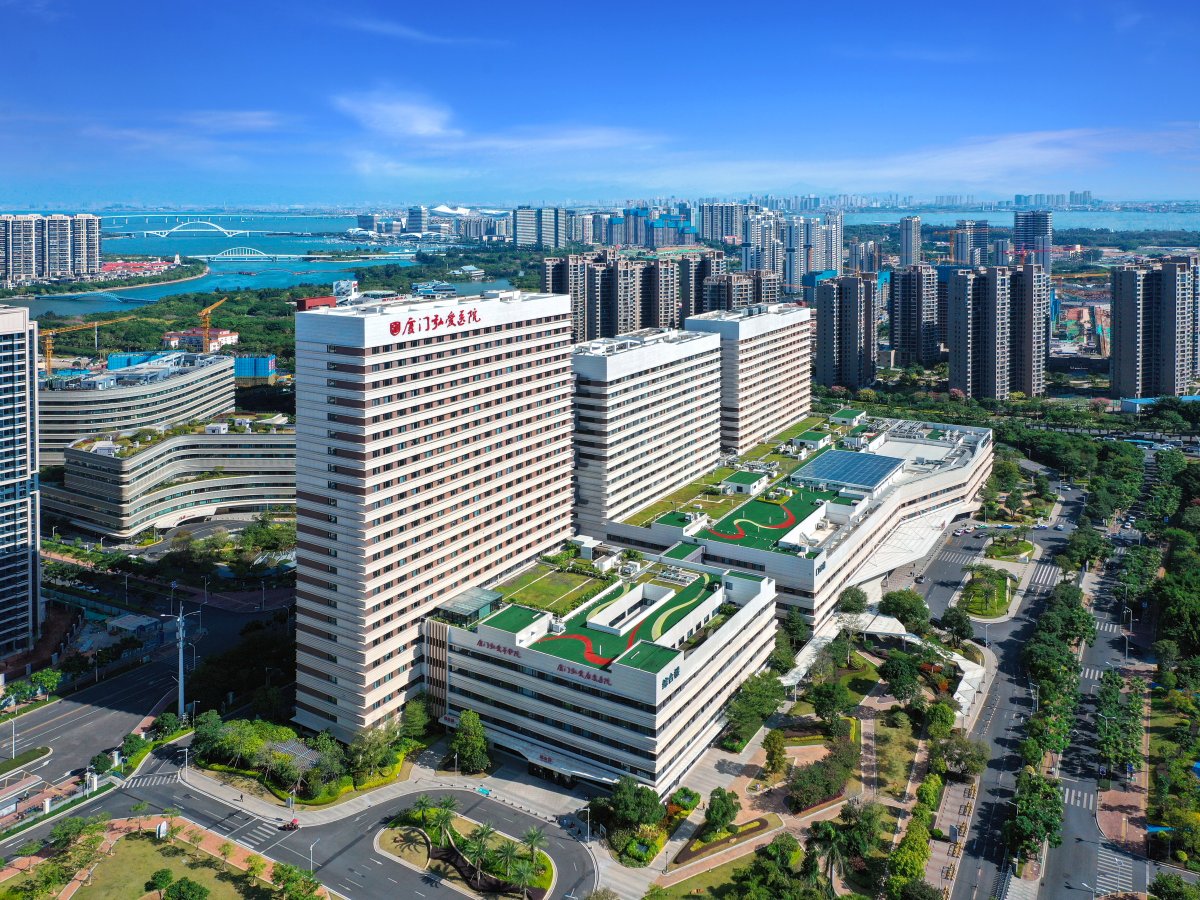
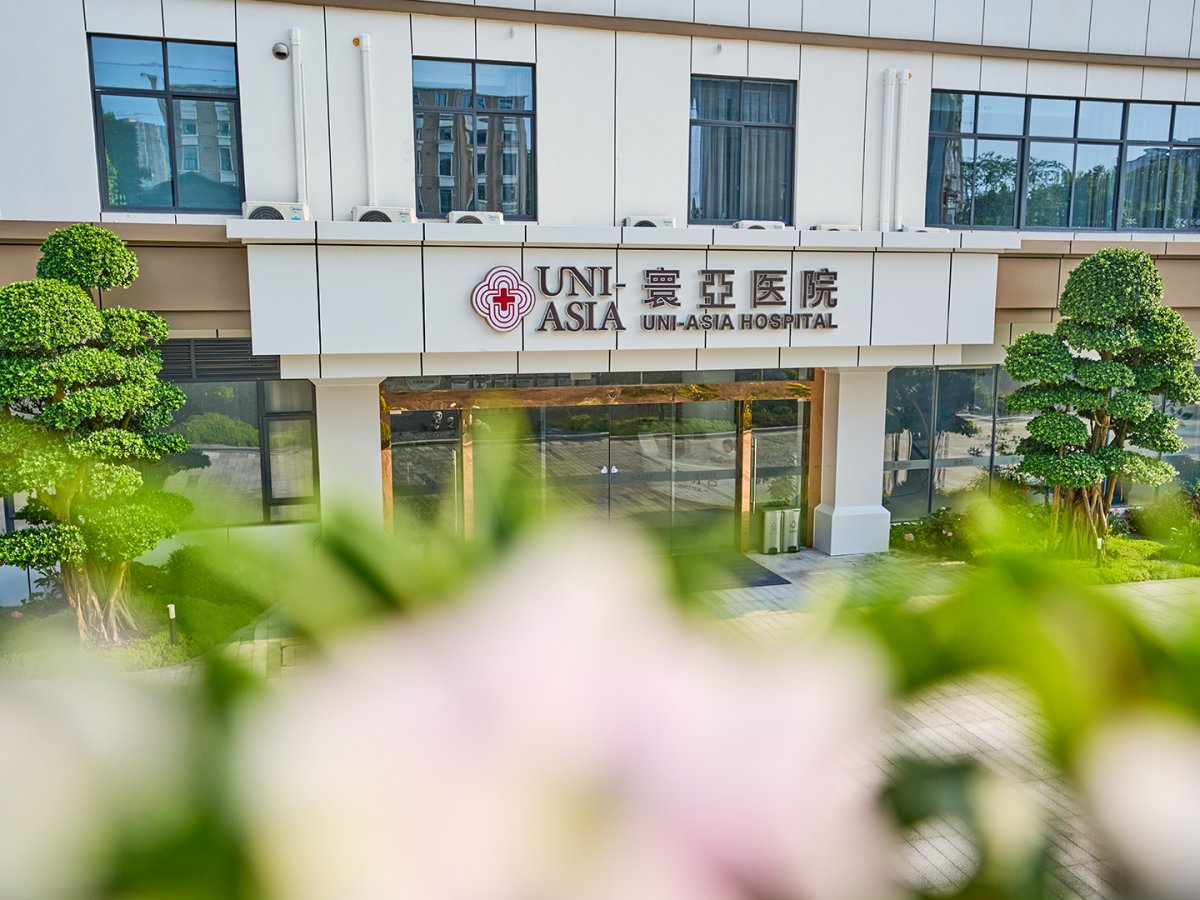
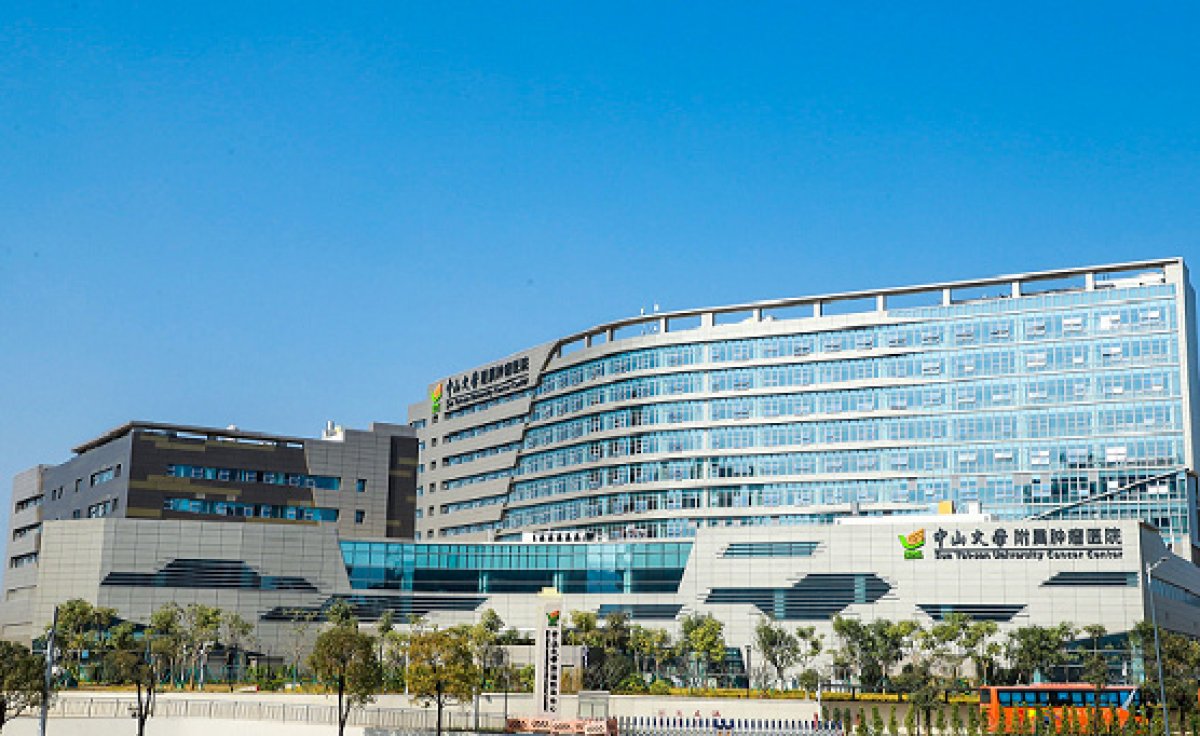
Fuda Cancer Hospital
China, Cantón


Revisado médicamente por
Fahad Mawlood
El costo del tratamiento del cáncer de vejiga en China generalmente depende de la etapa de la enfermedad y de la intervención quirúrgica requerida. Los procedimientos clave, como la extirpación de vejiga con reconstrucción, oscilan entre $17,000 y $28,000, mientras que una extirpación de vejiga estándar cuesta entre $11,000 y $21,000. Los gastos están influenciados por el nivel del hospital y la complejidad del tratamiento, lo que a menudo proporciona ahorros del 40-60% en comparación con los EE. UU. Las principales ciudades para la oncología incluyen Guangzhou y Xiamen.
Costos típicos del tratamiento del cáncer de vejiga en China
Perspectiva de expertos de Bookimed: Los pacientes con cáncer avanzado o en etapa tardía se benefician más de los centros multidisciplinarios que ofrecen tecnologías especializadas. El Fuda Cancer Hospital es una instalación acreditada por la JCI que se centra en la criocirugía mínimamente invasiva y las terapias NanoKnife. Para aquellos que buscan protocolos innovadores, el Xiamen Humanity Hospital brinda acceso a ensayos de medicamentos de Fase I–IV. Estas instituciones especializadas ofrecen atención de alto valor para casos complejos que los hospitales estándar pueden no manejar.
| China | España | Turquía | |
|---|---|---|---|
| Terapia con el bacilo de Calmette-Guérin (BCG) | ≈ $1,800 | ≈ $2,600 | ≈ $1,500 |
| Radioterapia para el cáncer colorrectal | ≈ $7,500 | de $7,500 | de $5,000 |
| Quimioterapia para el cáncer de vesícula biliar | ≈ $5,500 | de $1,300 | ≈ $2,200 |
| Quimioterapia para el cáncer de mama | ≈ $14,800 | de $1,700 | de $1,900 |
| Quimioterapia intraperitoneal hipertérmica (HIPEC) | ≈ $9,000 | de $29,100 | de $18,000 |

Médico jefe y profesor. Experto de nivel 1 en el Centro Oncológico del West China Hospital, Sichuan University (clasificado n.º 2 en China). Completó un posdoctorado en radiología intervencionista en el Chinese PLA General Hospital. Dirige equipos multidisciplinarios (MDT) para tumores complejos. Experto en oncología intervencionista mínimamente invasiva para cánceres de hígado, pulmón y páncreas.
Acreditaciones: Miembro del consejo, WATA. Miembro de los comités de CACA y CMDA sobre in

El profesor Luo Xiaoping es un radiólogo intervencionista reconocido a nivel nacional y una autoridad destacada en el oeste de China. Comenzó a realizar intervenciones vasculares pioneras a principios de la década de 1990. Ayudó a fundar el Grupo de Intervencionismo del Segundo Hospital Afiliado de la Universidad Médica de Chongqing.
Ha realizado más de 100 000 procedimientos intervencionistas, incluidos unos 4 000 casos complejos. Sus competencias clave incluyen TACE para el carcinoma

El Dr. He Weibing es pionero de la crioablación con argón‑helio en China, con más de 20 años de práctica en primera línea. Fue miembro fundador del Hospital Oncológico Fuda (Guangzhou). Cofundó su Centro de Tratamiento Tumoral Mínimamente Invasivo y fue subdirector ejecutivo. También ayudó a crear el Grupo de Ablación de la Asociación China contra el Cáncer. Ha sido operador principal en más de 10.000 procedimientos.
Se especializa en crioablación tumoral y domina la braquiterapia con

El profesor Xiao Yueyong es médico jefe del Departamento de Radiodiagnóstico del Hospital General del EPL de China. Es un experto líder en oncología intervencionista mínimamente invasiva. Es el primer presidente de WATA (2025–). Preside la Sociedad Internacional (2020–) y la Sociedad Asiática (2012–) de Crioterapia. También es subjefe del Grupo de Expertos de la NHC sobre regulaciones de ablación tumoral (2009–).
Ha realizado más de 100 000 procedimientos mínimamente invasivos guiados
 Olena Sikoza
Los centros oncológicos chinos mantienen estándares internacionales gracias a la acreditación de la Joint Commission International (JCI). Instituciones como el Hospital Oncológico Fuda en Guangzhou cuentan con la acreditación JCI. Estos centros tratan el cáncer de vejiga utilizando tecnologías de vanguardia, como la nanocirugía, la criocirugía y la inmunoterapia con fármacos como Keytruda o Padcev.
Opinión de expertos de Bookimed: Si bien los principales hospitales multidisciplinarios de China atienden a más de 1.000.000 de pacientes al año, solo unas 20 instituciones cuentan con la acreditación JCI. Los pacientes deben buscar centros oncológicos especializados acreditados por la JCI. Por ejemplo, el Hospital Oncológico Fuda se especializa en el tratamiento de cánceres avanzados mediante técn
En China, la tasa de supervivencia general a cinco años tras el tratamiento quirúrgico del cáncer de vejiga es de aproximadamente el 71,5 %. En pacientes en estadios tempranos sometidos a resección transuretral, los resultados alcanzan el 86,4 %. Los centros terciarios especializados reportan tasas de supervivencia aún mayores, cercanas al 74 %, gracias a técnicas mínimamente invasivas avanzadas y un tratamiento oncológico integral.
Según los expertos de Bookimed: Elegir instituciones médicas acreditadas por la JCI, como el Hospital Oncológico Fuda, brinda acceso a tecnologías especializadas como la nanocirugía y la criocirugía. Estas clínicas suelen atender a un gran volumen de pacientes; por ejemplo, el Hospital Humanitario de Xiamen trata a 1.000.000 de pacientes al año. La exper
La cistectomía robótica y la laparoscópica son métodos de tratamiento estándar en los principales centros oncológicos chinos. Estas técnicas mínimamente invasivas reducen significativamente la pérdida de sangre intraoperatoria y la necesidad de transfusiones sanguíneas. Los pacientes suelen permanecer menos tiempo en el hospital y se recuperan más rápidamente en comparación con la cirugía abierta tradicional.
Opinión de los expertos de Bookimed: En China, el volumen de pacientes es el indicador más importante de seguridad. El Hospital Oncológico Fuda atiende a más de 30 000 pacientes internacionales y se especializa en más de 10 tipos de terapias mínimamente invasivas. El Hospital Humanitario de Xiamen, un importante centro terciario, atiende a 1 000 000 de pacientes anualmente. Los centros co
Los viajeros procedentes de China deben esperar de 2 a 4 semanas después de una cirugía mayor de vejiga antes de volar. Tras procedimientos menores, como una cistoscopia, se puede autorizar el viaje después de 3 a 5 días. Los pacientes internacionales deben obtener la autorización de su cirujano. Este periodo de espera previene la formación de coágulos sanguíneos y garantiza una correcta cicatrización a gran altitud.
Opinión de expertos de Bookimed: Si bien grandes centros como el Hospital Humanitario de Xiamen atienden a 1.000.000 de pacientes al año, los tiempos de recuperación varían de un paciente a otro. El Hospital Oncológico de Fuda ofrece tratamientos mínimamente invasivos especializados, como la nanocirugía y la criocirugía. Estas técnicas avanzadas pueden acortar la estancia hospitalaria. Sin embar
En China, la hospitalización para el tratamiento del cáncer de vejiga suele oscilar entre 1 y 12 días. La resección transuretral de la vejiga (RTUV) a menudo permite el alta el mismo día o una estancia de una noche. Los procedimientos complejos, como la cistectomía radical con reconstrucción, requieren de 5 a 12 días en hospitales acreditados por la JCI.
Opinión de expertos de Bookimed: Los principales centros oncológicos de China muestran una tendencia hacia una rápida rotación de pacientes tras la cirugía. El Hospital Oncológico Fuda trata a más de 30 000 pacientes internacionales mediante técnicas mínimamente invasivas. Estos tratamientos especializados suelen reducir el periodo de recuperación habitual de 10 días tras la cirugía a tan solo 3. Los pacientes deben elegir centros acreditados por la JCI para garantiz
La cirugía de vejiga mínimamente invasiva en China suele dejar de 2 a 6 cicatrices pequeñas y discretas. Estas incisiones miden entre 5 y 12 milímetros. La mayoría de las cicatrices se desvanecen significativamente en un plazo de 6 a 12 meses. A menudo se convierten en líneas finas y pálidas, apenas visibles a simple vista.
Opinión experta de Bookimed: Los datos de grandes centros como el Hospital Humanitario de Xiamen, que atiende a 1.000.000 de pacientes al año, muestran que el volumen de procedimientos quirúrgicos se correlaciona con los resultados estéticos. Los centros oncológicos especializados de Guangzhou suelen priorizar la terapia multimodal sobre las cirugías abiertas a gran escala. Este énfasis en la preservación de los pulmones y la vejiga a me
Guangzhou, Pekín y Shanghái albergan los centros de tratamiento de cáncer de vejiga más grandes de China para pacientes internacionales. Estos centros cuentan con clínicas acreditadas por la JCI que utilizan tecnologías de vanguardia en criocirugía y nanocirugía. Instituciones como el Hospital Oncológico Fuda en Guangzhou han tratado a más de 30 000 pacientes internacionales procedentes de 100 países.
Opinión de expertos de Bookimed: Si bien Pekín y Shanghái son reconocidas por su investigación académica, Guangzhou destaca como líder práctico en cuanto a la accesibilidad para pacientes internacionales. El Hospital Oncológico Fuda sobresale porque casi el 50 % de sus pacientes son internacionales. Este alto volumen de