Cáncer de vejiga en Corea del Sur: las 10 mejores clínicas para su tratamiento


Revisado médicamente por
Fahad Mawlood
¿Cuál es el precio del diagnóstico y los tratamientos de Cáncer de vejiga en Corea del Sur? Descubra ahora
De $18,000. Los gastos totales dependen de la etapa del cáncer, el uso de sistemas asistidos por robot y el nivel del hospital. Los pacientes suelen encontrar ahorros del 40-60% en comparación con los EE. UU. Seúl e Incheon son los principales centros de atención médica.
Costos típicos del tratamiento del cáncer de vejiga en la República de Corea
- Consulta con un oncólogo: $50 – $75
- Escáner PET/CT: $1,100 – $1,400
- TC (tomografía computarizada): $300 – $330
- Biopsia: de $370
- Revisión histopatológica: de $350
- Análisis extendido de sangre: de $200
- Quimioterapia intraperitoneal hipertérmica (HIPEC): de $18,000
- Quimioterapia: de $3,000
Perspectiva de expertos de Bookimed: Para casos localizados, la cirugía robótica ofrece una precisión superior. El Hospital St. Mary's de Seúl ofrece cirugía robótica especializada para el cáncer de vejiga a partir de unos 35.500 dólares. Los pacientes que buscan tecnología avanzada deberían considerar el Hospital Anam de la Universidad de Corea. Realizó la primera cirugía robótica exitosa de Asia para el cáncer de vejiga en etapa previa. Los pacientes internacionales a menudo eligen el Samsung Medical Center por su atención de nivel presidencial y su oncología integral especializada en IGRT.
| Corea del Sur | España | Turquía | |
|---|---|---|---|
| Terapia con el bacilo de Calmette-Guérin (BCG) | ≈ $2,500 | ≈ $2,600 | ≈ $1,500 |
| Radioterapia para el cáncer colorrectal | ≈ $9,000 | de $7,500 | de $5,000 |
| Quimioterapia para el cáncer de vesícula biliar | ≈ $6,500 | de $1,300 | ≈ $2,200 |
| Quimioterapia para el cáncer de mama | de $3,000 | de $1,700 | de $3,000 |
| Quimioterapia intraperitoneal hipertérmica (HIPEC) | de $18,000 | de $82,000 | de $18,000 |
Sus beneficios y garantías con Bookimed
Precios directos
Bookimed no añade cargos extra a los precios de los tratamientos de Cáncer de vejiga. Las tarifas proceden de las listas de precios oficiales de las clínicas. Pagará directamente en la clínica por su tratamiento a su llegada al país.
Sólo clínicas y médicos verificados
Bookimed está comprometido con su seguridad. Solo trabajamos con las clínicas que mantienen altos estándares internacionales en el tratamiento de Cáncer de vejiga y cuentan con las licencias necesarias para atender a pacientes internacionales en todo el mundo.
Asistencia 24/7 gratuita
Bookimed ofrece asistencia experta gratuita. Un coordinador médico personal le apoya antes, durante y después de su tratamiento, resolviendo cualquier problema. Nunca estará solo en su viaje médico de tratamiento de Cáncer de vejiga.

Su coordinador médico personal de Bookimed
- Le apoya en cada etapa
- Ayuda a elegir la clínica y el médico adecuados
- Asegura un acceso rápido y conveniente a la información
Descubra las mejores clínicas de tratamiento de Cáncer de vejiga en Corea del Sur: 10 opciones verificadas y Precios













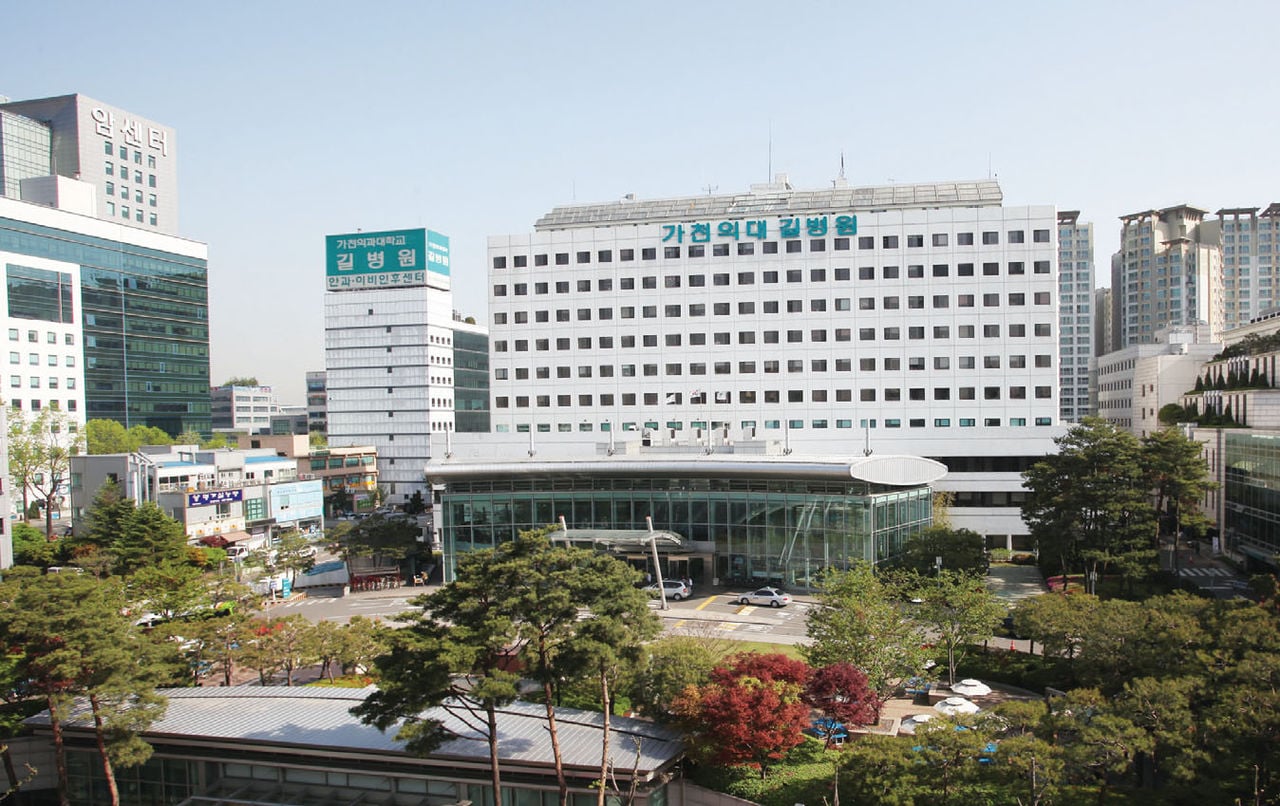



Obtenga una evaluación médica para Cáncer de vejiga en Corea del Sur: consulte con doctores experimentados ahora
Ver todos los médicos
Choi Han Yong
Jefe del Departamento de Urología de Samsung – El Dr. Choi Han Yong se especializa en tratamientos contra el cáncer de vejiga en el Samsung Medical Center.
- Cirujano oncológico especializado en cánceres urológicos
- Dirige un departamento de urología de primer nivel
- Con experiencia en procedimientos avanzados para el cáncer de vejiga

Koon Ho Rha
Especialista en cirugías laparoscópicas y robóticas para el cáncer de vejiga en el Hospital Severance.
- Urólogo y cirujano oncológico con amplia experiencia
- Experto en técnicas quirúrgicas mínimamente invasivas
- Se centra en la precisión y los resultados del paciente

Won Sik Ham
El Dr. Won Sik Ham se especializa en urología y oncología quirúrgica en el Hospital Severance.
- Experiencia en el tratamiento del cáncer de vejiga
- Ejerce en una institución médica líder
- Se centra en enfoques quirúrgicos y oncológicos

Dong Hyeon Lee
El Dr. Dong Hyeon Lee es un hematólogo-oncólogo con de experiencia, especializado en cáncer de vejiga en el Centro Médico de la Universidad Femenina Ewha.
- Experiencia en el tratamiento de cáncer de colon, oncología hematológica, mielomas y linfomas
- Miembro de múltiples sociedades y asociaciones médicas prestigiosas
- Autor de múltiples artículos de investigación en oncología
- Realiza trasplantes de médula ósea, incluidos trasplantes de donantes alternativos y no compatibles
Compartir contenido
Historias en video de pacientes de Bookimed
 Olena Sikoza
Preguntas frecuentes sobre el tratamiento de Cáncer de vejiga en Corea del Sur
¿Está disponible la cirugía robótica para el cáncer de vejiga en Corea del Sur?
La cirugía robótica está ampliamente disponible para el cáncer de vejiga en Corea del Sur. Los principales centros médicos de Seúl e Incheon utilizan el sistema quirúrgico da Vinci para oncología compleja. Estas instalaciones mantienen altos estándares con acreditaciones de la Joint Commission International y KOIHA para la seguridad del paciente.
- Procedimientos disponibles: Los cirujanos realizan cistectomías radicales asistidas por robot y reconstrucciones complejas de neovejiga utilizando brazos robóticos.
- Tecnología especializada: Centros como el Samsung Medical Center y el Severance Hospital utilizan sistemas da Vinci avanzados.
- Experiencia clínica: El Dr. Koon Ho Rha del Severance Hospital se especializa en urología laparoscópica y robótica.
- Éxito comprobado: El Hospital Anam de la Universidad de Corea realizó la primera cirugía robótica de vejiga en etapa temprana exitosa en Asia.
Perspectiva del experto de Bookimed: El volumen clínico de Corea del Sur proporciona una ventaja de seguridad única para los pacientes internacionales. Solo el Severance Hospital trata a más de 4.000.000 de pacientes al año y mantiene un centro dedicado a la cirugía robótica. Esta escala masiva permite a cirujanos como el Dr. Koon Ho Rha desarrollar niveles de experiencia que son raros incluso en centros terciarios occidentales. Los pacientes deben prior
¿Qué inmunoterapias avanzadas están disponibles en Corea?
Corea del Sur ofrece inmunoterapias sistémicas, incluyendo Keytruda y Opdivo, junto con tratamientos celulares como la terapia de células CAR-T y NK. Estos protocolos están disponibles en centros acreditados por la JCI en Seúl. Los especialistas utilizan estos productos biológicos para cánceres de vejiga, pulmón e hígado con el fin de estimular las respuestas inmunitarias naturales.
- Inhibidores de puntos de control inmunitario: Medicamentos como el Pembrolizumab (Keytruda) ayudan al sistema inmunitario a identificar el cáncer.
- Terapia celular: Los tratamientos con células CAR-T y NK modifican genéticamente las células para atacar los tumores.
- Protocolos para el cáncer de vejiga: Los centros avanzados combinan Keytruda con cirugía robótica para casos de invasión muscular.
- Atención multidisciplinaria: Grandes instalaciones como el Samsung Medical Center integran IA e imágenes digitales.
Perspectiva del experto de Bookimed: Aunque muchos se centran en los costes de los medicamentos, el verdadero factor diferenciador en Corea es la integración digital. Centros como el Hospital Universitario Nacional de Seúl Bundang utilizan el sistema BESTcare para sincronizar datos genómicos con protocolos de inmunoterapia. Esto reduce los errores de dosificación y alinea el tratamiento con precisión con los marcadores sanguíneos del paciente en tiempo rea
¿Existen alternativas no quirúrgicas como el reemplazo de vejiga?
El reemplazo de vejiga es un procedimiento quirúrgico llamado reconstrucción de neovejiga. Aunque la cirugía es el enfoque curativo principal para el cáncer músculo-invasivo, las alternativas no quirúrgicas en Corea incluyen la inmunoterapia basada en fármacos con Keytruda. Otras opciones incluyen la quimioterapia y la quimioterapia intraperitoneal hipertérmica para manejar casos avanzados sin extirpación inmediata.
- Inmunoterapia: Keytruda (Pembrolizumab) proporciona una opción no invasiva para pacientes específicos de alto riesgo.
- Quimioterapia avanzada: Los fármacos sistémicos atacan las células cancerosas en todo el cuerpo para reducir los tumores.
- Quimioterapia intraperitoneal: Se utiliza una administración especializada de fármacos calentados para ciertas etapas complejas del cáncer.
- Preservación robótica: Los cirujanos pueden utilizar sistemas Da Vinci para preservar la vejiga original.
Perspectiva del experto de Bookimed: El Hospital Anam de la Universidad de Corea posee una notable experiencia en oncología urológica asiática y fue uno de los primeros en realizar cirugías robóticas. Nuestros datos muestran que, si bien la reconstrucción de neovejiga es estándar para casos invasivos, centros como el Samsung Medical Center utilizan IA e imágenes avanzadas para determinar si los tratamientos de preservación de vejiga son viables bas
¿Qué hospitales en Corea son los mejores para el cáncer de vejiga?
Los principales hospitales coreanos para el cáncer de vejiga incluyen el Samsung Medical Center y el Severance Hospital. Estas instalaciones se especializan en cistectomía robótica y reconstrucción de vejiga artificial. Muchas clínicas cuentan con acreditaciones JCI y KOIHA. Ofrecen terapias avanzadas como HIPEC e inmunoterapia para mejorar la supervivencia a largo plazo de los pacientes oncológicos.
- Experiencia robótica: El Korea University Anam Hospital realizó la primera cirugía robótica de cáncer de vejiga en Asia.
- Volumen quirúrgico: El Severance Hospital atiende a 1,6 millones de pacientes ambulatorios al año con departamentos de oncología de alto volumen.
- Diagnóstico digital: El SNUBH utiliza el sistema BESTcare para garantizar la precisión y prevenir errores.
- Técnicas de preservación: Cirujanos como el Dr. Won Sik Ham se centran en la preservación urinaria mínimamente invasiva.
Opinión del experto de Bookimed: El Korea University Anam Hospital destaca para los pacientes que priorizan los avances tecnológicos. Mientras que grandes centros como Samsung tratan a más de 2.000.000 de pacientes al año, el Hospital Anam fue pionero en la cirugía robótica de vejiga en Asia. Esta concentración en la innovación robótica a menudo conduce a técnicas más refinadas para procedimientos de preservación nerviosa y sin sangre.
¿Necesito una visa especial para el tratamiento del cáncer?
Los pacientes internacionales suelen ingresar a Corea del Sur para el tratamiento del cáncer de vejiga utilizando la autorización electrónica K-ETA o una visa médica estándar C-3-9. La atención a corto plazo de menos de 90 días a menudo solo requiere una entrada de turista. Los protocolos más largos, como la quimioterapia o la inmunoterapia, pueden requerir una extensión formal de la visa médica.
- Autorización de entrada: Los ciudadanos exentos de visa utilizan K-ETA para estancias de hasta 90 días.
- Visa médica: Las visas C-3-9 cubren específicamente el turismo médico y la terapia a largo plazo.
- Documentación hospitalaria: Se requiere una carta de invitación oficial de un centro médico coreano.
- Apoyo para la extensión: Las instalaciones acreditadas por la JCI, como el Severance Hospital, ayudan con las extensiones de visa después de la llegada.
Perspectiva del experto de Bookimed: El Hospital Anam de la Universidad de Corea realizó la primera cirugía robótica de cáncer de vejiga en Asia. Nuestros datos muestran que, si bien muchos pacientes ingresan con exenciones de 90 días, los casos oncológicos complejos a menudo requieren la transición a una visa médica C-3-M o G-1. Los principales centros como el Samsung Medical Center y el Asan Medical Center cuentan con equipos especializados para coordinar estas transiciones legales con la oficin