Ir a inicio

Cómo funciona

Hemos transformado el proceso de búsqueda de clínicas, haciéndolo simple, rápido y personalizado.
Responda algunas preguntasComplete un breve formulario para contarnos sobre su estado de salud y necesidades médicas.
Obtenga ofertas personalizadas3 clínicas seleccionadas especialmente según sus respuestas le proporcionan planes de tratamiento personalizados y presupuestos.
Elija la mejor opciónCompare ofertas y elija la clínica que más le convenga.
También puede consultar las 3 clínicas a continuación.
820К+ pacientes han recibido asistencia desde 2014
50 países
1,500 clínicas
6K+ reseñas
3K+ médicos calificados

¿Cuál es el precio del diagnóstico y los tratamientos de Colelitiasis en Austria? Descubra ahora

El precio se proporciona bajo petición

Descubra las mejores clínicas de tratamiento de Colelitiasis en Austria: 3 opciones verificadas y Precios

El ranking de clínicas de Bookimed se basa en algoritmos de data science, ofreciendo una comparación confiable, transparente y objetiva. Tiene en cuenta la demanda de pacientes, las puntuaciones de reseñas (positivas y negativas), la frecuencia de actualización de opciones de tratamiento y precios, la rapidez de respuesta y las certificaciones de las clínicas.
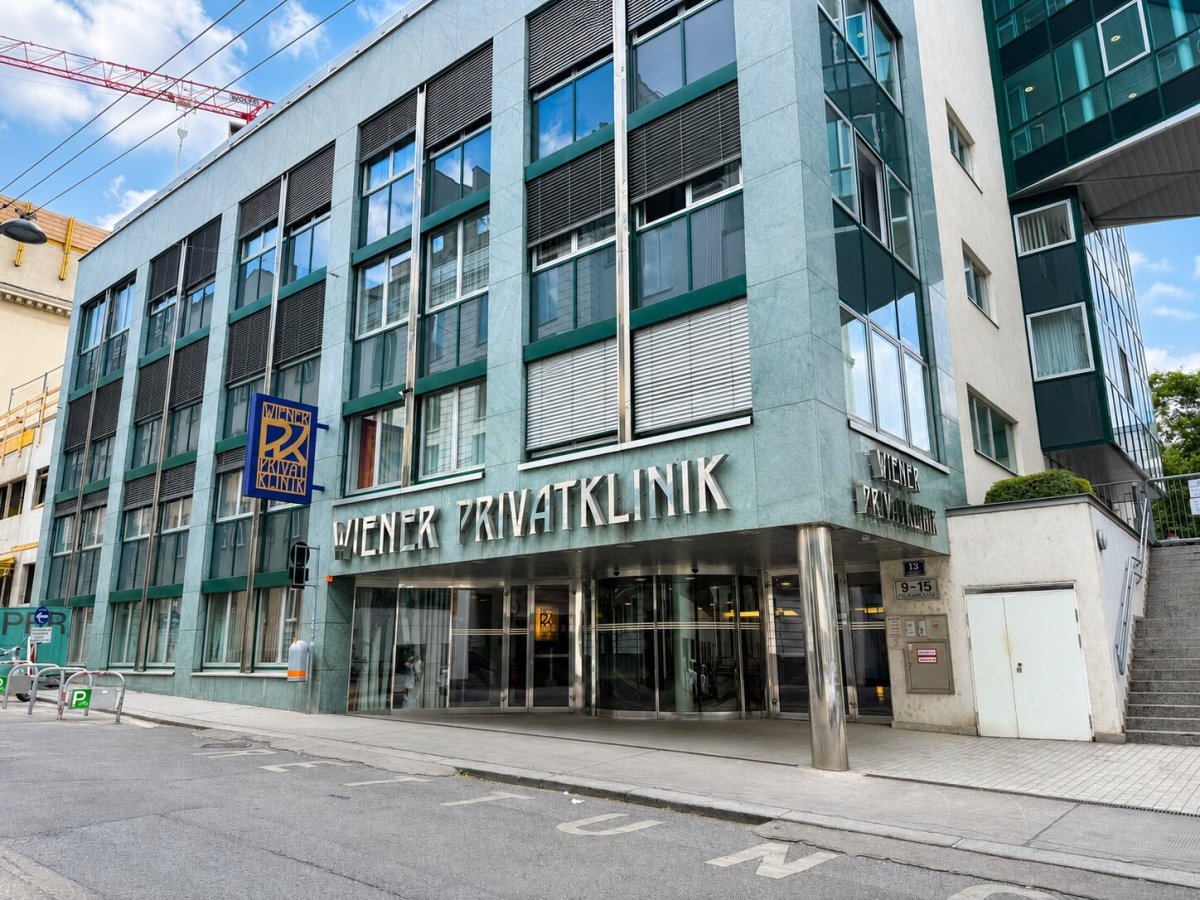
Clínica privada Wiener (Wiener Privatklinik)
4.7164 reseñas
Precio a consultar
Más información
Vienna General Hospital
4.519 reseñas
Precio a consultar
Más información
Döbling Private Hospital
4.320 reseñas
Precio a consultar
Más información

Obtenga una evaluación médica para Colelitiasis en Austria: consulte con doctores experimentados ahora

Ver todos los médicos
verificado

Martin Schindl

32 años de experiencia

El Prof. Schindl se especializa en cirugía hepatopancreatobiliar, un área clave para casos complejos de colelitiasis. Combina décadas de experiencia quirúrgica con el liderazgo académico en la Universidad Médica de Viena.

  • Experto en cirugía de hígado y páncreas desde la década de 2000
  • Consultor senior en la Wiener Privatklinik para tumores abdominales
  • Investigador publicado sobre regeneración hepática y resultados quirúrgicos
  • Profesor de Cirugía en la Universidad Médica de Viena
verificado

Camel Kopty

36 años de experiencia

Especialista en medicina interna y hematología/oncología, con enfoque en terapias sistémicas para afecciones complejas en la Wiener Privatklinik.

  • Graduado en la Universidad de Medicina de Viena
  • Más de 20 años de experiencia en oncología
  • Experto en quimioterapia, terapia dirigida e inmunoterapia
  • Enfatizar la atención integral y de apoyo al paciente
verificado

Dr Arnulf Ferlitsch

26 años de experiencia

El Dr. Ferlitsch es un destacado especialista en gastroenterología y hepatología, galardonado en múltiples ocasiones por su labor clínica y de investigación.

  • Completar los estudios de medicina en la Universidad de Viena
  • Formarse en gastroenterología y hepatología en el Hospital General de Viena
  • Establecer el laboratorio de hemodinámica hepática en la Universidad Médica de Viena
  • Jefe del Departamento de Medicina Interna I en el Hospital de los Barmherzigen Brüder de Viena
  • Múltiples premios al mejor resumen (Best Abstract Awards) de la UEGW

Compartir contenido

Historias en video de pacientes de Bookimed

Dayana
Combiné mis vacaciones en Antalya con un chequeo médico.
Procedimiento: Chequeo femenino
Igor
¡Fue genial! Traslados, alojamiento, tratamiento, todo incluido.
Procedimiento: Implante dental
Clínica: WestDent Clinic
Marina
Bookimed se encargó de todo. No tuve que preocuparme por nada.
Procedimiento: Chequeo femenino
Actualizado: 05/27/2022
Escrito por
Olena Sikoza
Olena Sikoza
Сopywriter en español
Copywriter médica certificada responsable del contenido en español de Bookimed. Más de 7 años de experiencia en redacción sobre salud y turismo médico, con formación académica en edición científica y desarrollo de contenidos.
Fahad Mawlood
Editor médico y Científico de datos
Médico general. Ganador de 4 premios científicos. Sirvió en Asia Occidental. Es el ex jefe del equipo médico que soporta a pacientes de habla árabe. Ahora es responsable del procesamiento de datos y la precisión del contenido médico.
Fahad Mawlood Linkedin
Esta página puede incluir información relacionada con diversas afecciones médicas, tratamientos y servicios de salud disponibles en diferentes países. Tenga en cuenta que el contenido se proporciona sólo con fines informativos y no debe interpretarse como asesoramiento médico o orientación. Por favor consulte con su médico o con un profesional médico calificado antes de comenzar o cambiar el tratamiento médico.

Preguntas frecuentes sobre el tratamiento de Colelitiasis en Austria

Estas preguntas frecuentes provienen de pacientes reales que buscan atención médica a través de Bookimed. Las respuestas son proporcionadas por coordinadores médicos experimentados y representantes autorizados de las clínicas.

Do I need treatment if my gallstones are not causing any symptoms?

Asymptomatic or silent gallstones generally do not require treatment. Statistics show 80% of patients never develop symptoms or need surgery. Medical guidelines in Austria recommend watchful waiting. This is because surgical risks typically outweigh the low chance of spontaneous complications in silent cases.

  • Size threshold: Treatment is recommended if stones exceed 3 centimeters to prevent gallbladder cancer.
  • Structural changes: Porcelain gallbladder with calcified walls requires preemptive surgery due to malignancy risks.
  • Duct obstruction: Bile duct stones must be removed even without symptoms to prevent infection.
  • High-risk conditions: Chronic hemolytic diseases like sickle cell anemia often necessitate prophylactic surgical intervention.

Bookimed Expert Insight: Choosing between large academic centers and specialized private hospitals in Vienna offers a distinct trade-off. Vienna General Hospital (AKH) manages massive volumes of 595,000 patients annually. In contrast, Döbling Private Hospital reports complication rates significantly below nominal values. If you have silent gallstones with special risk factors, seeking a surgeon like Dr. Martin Schindl at Wiener Privatklinik provides access to dual expertise in both general surgery and transplant medicine for complex cases.

Patient Consensus: Patients note that vague symptoms like mild bloating or discomfort after fatty meals are often mistaken for indigestion. Many emphasize learning the red flags early, as silent stones can suddenly cause severe pain if they move and block a duct.

What is the standard surgical treatment for cholelithiasis in Austria?

Laparoscopic cholecystectomy is the standard surgical treatment for cholelithiasis in Austria. This minimally invasive gallbladder removal follows German-language clinical guidelines. Surgeons typically use a four-trocar technique. Procedure completion occurs within 24 hours for acute cases to ensure safety.

  • Surgical indication: Reserved for symptomatic gallstones or stones exceeding 3 cm.
  • Bile duct management: Surgeons perform ERCP before gallbladder removal for duct stones.
  • Recovery duration: Patients typically remain in the hospital for 2 to 5 days.
  • Minimally invasive approach: Keyhole surgery remains the gold standard for most elective cases.

Bookimed Expert Insight: While many countries push for same-day discharge, Austrian private hospitals like Wiener Privatklinik and Döbling Private Hospital emphasize safety. They maintain 2-5 night hospital stays for monitoring. This approach is backed by highly specialized professors from the Medical University of Vienna. Data shows these clinics prioritize complete recovery before discharge to keep complication rates low.

Patient Consensus: Patients note they are often walking on the same day as their surgery. They emphasize that while surgery stops painful attacks, the body needs time to adjust to fatty foods.

How long is the recovery after laparoscopic gallbladder removal in Austria?

Recovery after laparoscopic gallbladder removal in Austria typically takes 1 to 2 weeks for normal activities. Full internal healing usually requires 4 to 6 weeks. Austrian clinical protocols prioritize safety through a conservative 1 to 3 night hospital stay to monitor for early post-operative complications.

  • Hospital stay: Patients stay 1 to 3 nights for pain management and observation.
  • Initial activity: Gentle walking is encouraged within 24 hours to help dissipate surgical gas.
  • Lifting restrictions: Patients must avoid lifting over 5 kilograms for at least 1 week.
  • Sick leave: Manual laborers often receive 3 to 4 weeks of medical leave (Krankenstand).

Bookimed Expert Insight: Clinical data shows a distinct focus on safety in Vienna. Döbling Private Hospital reports complication rates significantly below international averages. This is likely driven by the Austrian preference for multi-day inpatient stays compared to outpatient models elsewhere. Patients benefit from being under the care of professors from the Medical University of Vienna at clinics like Wiener Privatklinik during the most critical 48-hour recovery window.

Patient Consensus: Patients often feel mobile quickly but note that lingering fatigue and shoulder pain from surgical gas are frequently underestimated. While most return to desk work early, light meals and abdominal bracing with a pillow are essential for comfort during the first month.

What happens if a gallstone blocks my bile duct?

A gallstone blocking your bile duct causes bile to back up into the bloodstream. This blockage triggers severe abdominal pain and jaundice. Without treatment, it often leads to dangerous complications like bile duct infection or acute pancreatitis. This requires urgent medical intervention.

  • Pain patterns: Constant, intense upper-right abdominal pain radiating to the shoulder blade.
  • Physical signs: Yellowing of eyes and skin indicates elevated bilirubin levels.
  • Digestive changes: Bile obstruction causes dark-colored urine and pale, clay-colored stools.
  • Medical risks: Untreated blockages may result in life-threatening sepsis or liver damage.

Bookimed Expert Insight: Vienna's medical landscape offers a rare advantage for biliary cases. Facilities like Vienna General Hospital house over 40 university hospitals. This concentration of expertise allows for rapid collaboration. Surgeons like Dr. Martin Schindl at Wiener Privatklinik specialize in complex hepatobiliary cases. These specialists often manage patients with both duct stones and underlying liver issues. This integrated approach helps minimize post-surgical complications.

Patient Consensus: Patients note that pain from a blocked duct is much worse than regular attacks. Many emphasize that yellowing eyes or tea-colored urine are critical signs for seeking emergency care.

Which hospitals in Austria are recognized for high-quality gallstone surgery?

Austrian hospitals offer high-quality gallstone surgery through advanced laparoscopic techniques at JCI and ISO-accredited facilities. Leading centers like Vienna General Hospital (AKH) and Wiener Privatklinik specialize in minimally invasive cholecystectomy. These institutions feature dedicated hepatobiliary units and expert visceral surgeons from the Medical University of Vienna.

  • Vienna General Hospital (AKH): Austria academic leader with specialized hepatobiliary units for complex cases.
  • Wiener Privatklinik: Premier private facility featuring over 30 departments and university-affiliated surgical professors.
  • Döbling Private Hospital: JCI-accredited clinic reporting complication rates significantly below international nominal values.
  • Expert surgical teams: Surgeons like Dr. Martin Schindl specialize in complex hepato-pancreato-biliary interventions.

Bookimed Expert Insight: Data shows a clear distinction between public academic giants and niche private clinics in Vienna. While AKH handles a massive volume of 595,000 patients annually, private facilities like Döbling focus on personalized safety protocols. Choosing a specialist like Dr. Martin Schindl at a private clinic often grants faster access to university-level expertise without the wait times of large public systems.

Patient Consensus: Patients emphasize finding a surgeon who performs gallbladder removals daily rather than focusing on clinic prestige. They also note that walking immediately after surgery significantly reduces the temporary shoulder pain caused by laparoscopic gas.

Can gallstones be treated without removing the gallbladder in Austria?

Gallstones can be treated without surgery in Austria through bile acid dissolution or lithotripsy. These methods apply only to small, uncalcified cholesterol stones. Austrian specialists generally recommend gallbladder removal as the definitive cure for symptomatic cases to prevent stone recurrence.

  • Bile acid therapy: Ursodeoxycholic acid tablets dissolve small stones over 6 to 12 months.
  • Shock wave lithotripsy: Acoustic waves fragment stones at specialized medical hubs in Vienna.
  • ERCP procedure: Endoscopic techniques remove stones trapped specifically within the common bile duct.
  • Active monitoring: Asymptomatic silent stones often require no active medical or surgical intervention.

Bookimed Expert Insight: While many seeking non-surgical options focus on medication, the high-volume clinics in Vienna like Vienna General Hospital (AKH) prioritize diagnostic precision first. This facility serves 595,000 patients annually and uses 6 dedicated laboratories to confirm stone composition. Choosing a center with this diagnostic scale ensures you do not spend months on dissolution therapy for calcified stones that cannot actually be dissolved.

Patient Consensus: Patients often find that while medications or diet changes manage symptoms temporarily, the relief from laparoscopic surgery is much faster than expected. Many realize that avoiding surgery often leads to repeated painful attacks before eventually choosing the procedure.

How is cholelithiasis diagnosed before treatment in Austria?

Diagnosis in Austria begins with a physical exam and medical history review. Abdominal ultrasound is the primary imaging standard to confirm gallstones. Physicians supplement this with blood tests to evaluate liver function and pancreatic enzymes. This workflow ensures diagnosis before choosing a surgical or conservative path.

  • Physical examination: Doctors check signs like Murphy sign to detect gallbladder inflammation.
  • Abdominal sonography: Standard ultrasound detects gallstones in more than 90% of cases non-invasively.
  • Blood panels: Labs assess bilirubin, liver enzymes, and white blood cell counts for infection.
  • Secondary imaging: MRCP or endoscopic ultrasound helps find stones hidden in the bile ducts.
  • Gastroscopy: Specialized clinics may use gastroscopy to rule out other digestive issues during diagnosis.

Bookimed Expert Insight: Patients seeking diagnosis at university centers like Vienna General Hospital benefit from a city within a city infrastructure. This scale allows for rapid transitions between ultrasound and advanced MRCP within one facility. High-volume centers often maintain 1,000+ staff members to handle complex cases that smaller clinics might refer elsewhere.

Patient Consensus: Patients note that symptoms often feel like severe indigestion or back pain before tests begin. They emphasize that while CT scans are common for emergencies, ultrasound remains the most reliable tool to see the stones clearly.

Pedir una consulta gratis

Seleccione la mejor manera de contactarle