Ir a inicio
820К+ pacientes han recibido asistencia desde 2014
50 países
1,500 clínicas
6K+ reseñas
3K+ médicos calificados

¿Cuál es el precio del diagnóstico y los tratamientos de Colelitiasis en Tailandia? Descubra ahora

Cholelithiasis treatment cost in Thailand typically involves diagnostic workups and surgical intervention. A consultation with a gastroenterologist runs from $100 / 3,700฿ to $200 / 7,400฿, while a biochemical blood analysis generally ranges from $100 / 3,700฿ to $100 / 3,700฿. Total expenses depend on the surgical approach, hospital tier, and patient complications. Patients often see 30-50% savings compared to the US. Top cities for this treatment include Bangkok, Pattaya, and Chiang Mai.

Typical Cholelithiasis Treatment Costs in Thailand

  • Consultation with a gastroenterologist: $100 / 3,700฿ – $200 / 7,400฿
  • Gastroscopy: $600 / 22,200฿ – $600 / 22,200฿
  • Biochemical blood analysis: $100 / 3,700฿ – $100 / 3,700฿
  • Extended analysis of blood: $100 / 3,700฿ – $200 / 7,400฿
  • Coagulogram: $100 / 3,700฿ – $100 / 3,700฿
  • ECG: $100 / 3,700฿ – $100 / 3,700฿

Bookimed Expert Insight: Patients seeking high-tech solutions should prioritize JCI-accredited centers like Bumrungrad International Hospital. This facility utilizes advanced robotic surgery and AI-driven diagnostics for complex gallstone cases. For efficient, rapid diagnoses, Intrarat Hospital offers ISO-certified care with 26 specialized departments. Those requiring integrated gastrointestinal care benefit from specialists like Dr. Pichai Kittipanyaworakul, who holds advanced diplomas in hepatology.

Sus beneficios y garantías con Bookimed

Precios directos

Bookimed no añade cargos extra a los precios de los tratamientos de Colelitiasis. Las tarifas proceden de las listas de precios oficiales de las clínicas. Pagará directamente en la clínica por su tratamiento a su llegada al país.

Sólo clínicas y médicos verificados

Bookimed está comprometido con su seguridad. Solo trabajamos con las clínicas que mantienen altos estándares internacionales en el tratamiento de Colelitiasis y cuentan con las licencias necesarias para atender a pacientes internacionales en todo el mundo.

Asistencia 24/7 gratuita

Bookimed ofrece asistencia experta gratuita. Un coordinador médico personal le apoya antes, durante y después de su tratamiento, resolviendo cualquier problema. Nunca estará solo en su viaje médico de tratamiento de Colelitiasis.

¿Por qué nosotros?

Su coordinador médico personal de Bookimed

  • Le apoya en cada etapa
  • Ayuda a elegir la clínica y el médico adecuados
  • Asegura un acceso rápido y conveniente a la información

Descubra las mejores clínicas de tratamiento de Colelitiasis en Tailandia: 5 opciones verificadas y Precios

El ranking de clínicas de Bookimed se basa en algoritmos de data science, ofreciendo una comparación confiable, transparente y objetiva. Tiene en cuenta la demanda de pacientes, las puntuaciones de reseñas (positivas y negativas), la frecuencia de actualización de opciones de tratamiento y precios, la rapidez de respuesta y las certificaciones de las clínicas.
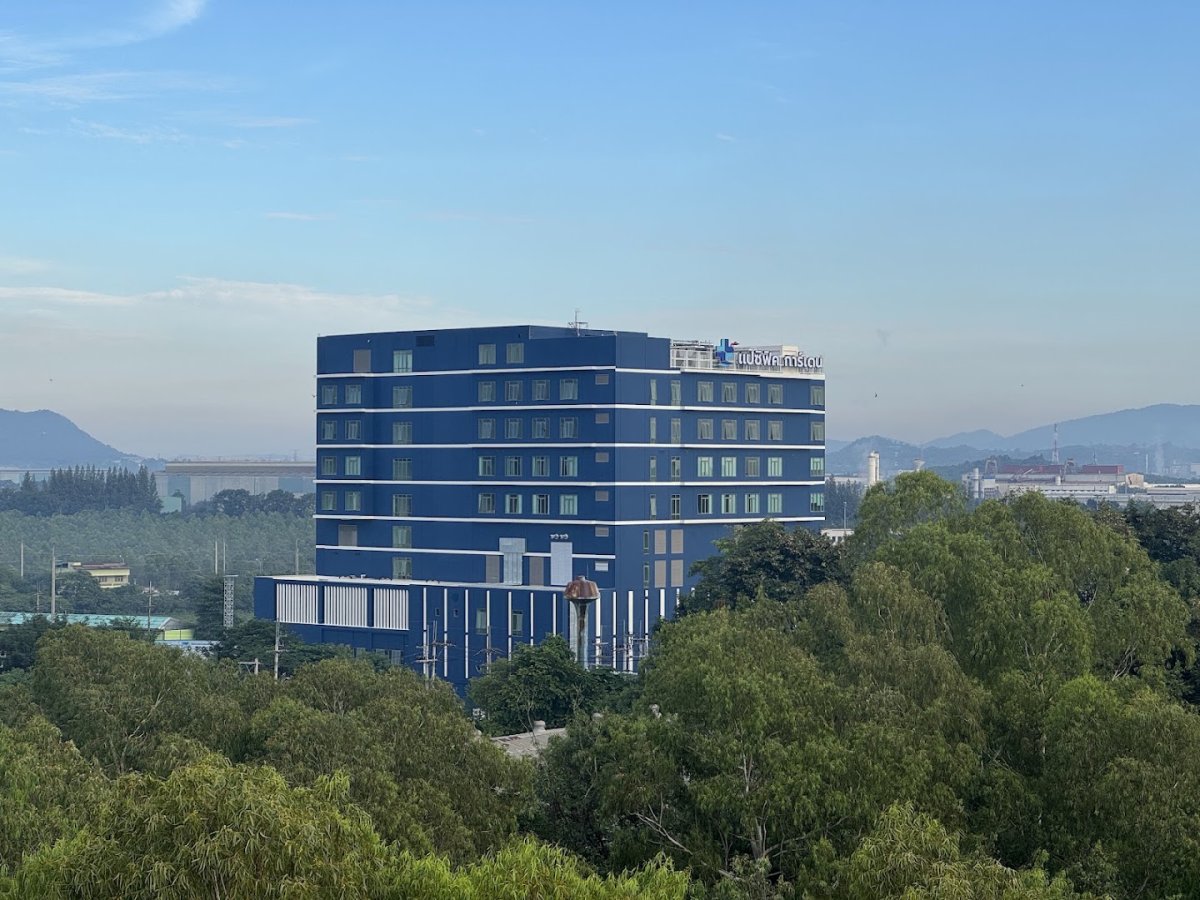
Intrarat Hospital
4.58 reseñas
Precio a consultar
Más información
Bumrungrad International Hospital
MedConsult Bangkok Medical Clinic
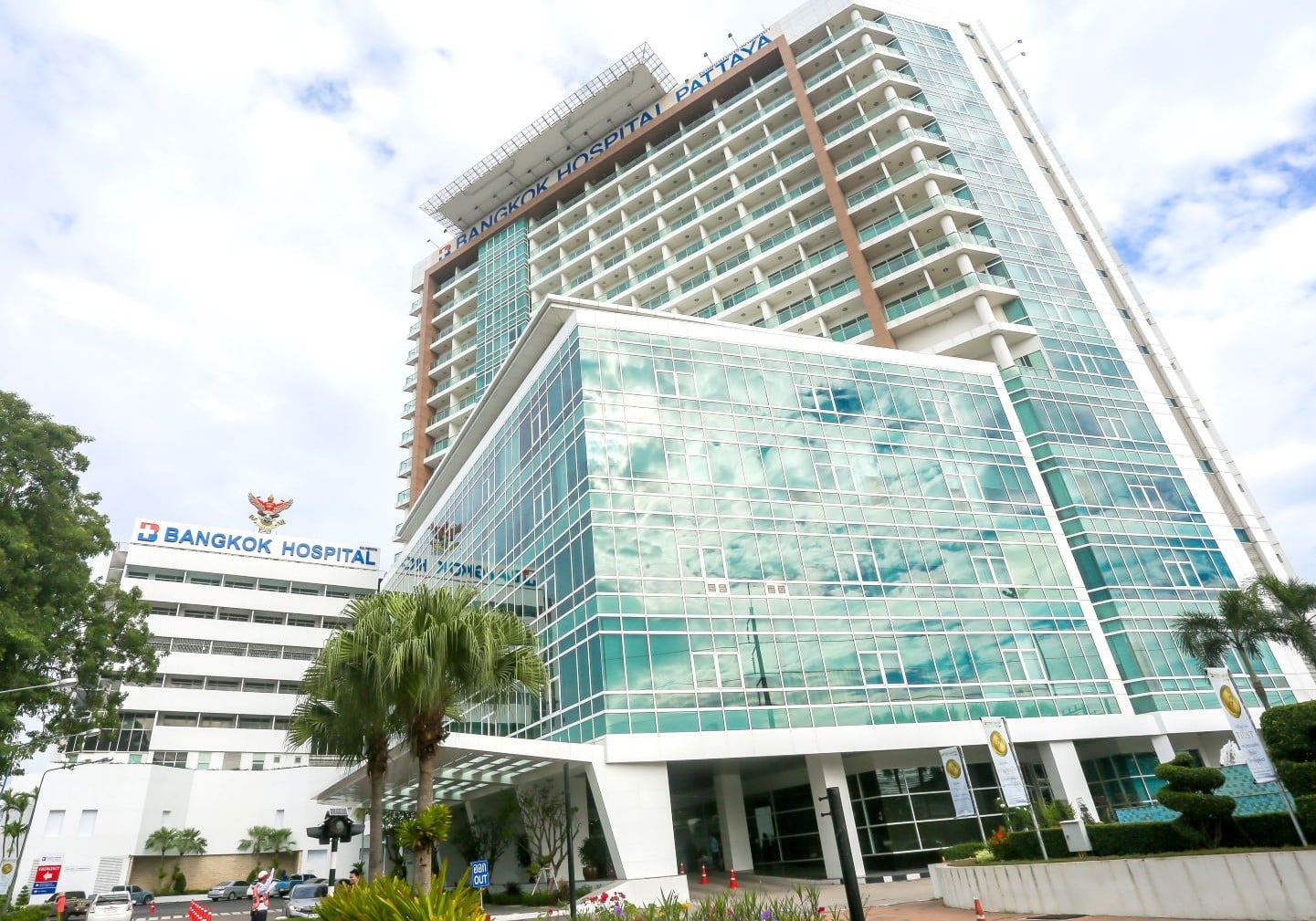
Bangkok Hospital Pattaya
Sikarin Hospital
4.17 reseñas
Precio a consultar
Más información

Obtenga una evaluación médica para Colelitiasis en Tailandia: consulte con doctores experimentados ahora

Ver todos los médicos
verificado

Pichai Kittipanyaworakul

15 años de experiencia

Pichai Kittipanyaworakul, M.D., es internista. Se especializa en gastroenterología y hepatología.

Formación: Doctor en Medicina (M.D.), Facultad de Medicina, Universidad de Chiang Mai.

Acreditaciones: Diploma en Medicina Interna, Hospital Conmemorativo Chulalongkorn, Sociedad de la Cruz Roja Tailandesa. Diploma en Medicina Interna (Gastroenterología y Hepatología), Facultad de Medicina del Hospital Ramathibodi, Universidad Mahidol.

Compartir contenido

Historias en video de pacientes de Bookimed

Dayana
Combiné mis vacaciones en Antalya con un chequeo médico.
Procedimiento: Chequeo femenino
Igor
¡Fue genial! Traslados, alojamiento, tratamiento, todo incluido.
Procedimiento: Implante dental
Clínica: WestDent Clinic
Marina
Bookimed se encargó de todo. No tuve que preocuparme por nada.
Procedimiento: Chequeo femenino
Actualizado: 10/22/2024
Escrito por
Olena Sikoza
Olena Sikoza
Сopywriter en español
Copywriter médica certificada responsable del contenido en español de Bookimed. Más de 7 años de experiencia en redacción sobre salud y turismo médico, con formación académica en edición científica y desarrollo de contenidos.
Fahad Mawlood
Editor médico y Científico de datos
Médico general. Ganador de 4 premios científicos. Sirvió en Asia Occidental. Es el ex jefe del equipo médico que soporta a pacientes de habla árabe. Ahora es responsable del procesamiento de datos y la precisión del contenido médico.
Fahad Mawlood Linkedin
Esta página puede incluir información relacionada con diversas afecciones médicas, tratamientos y servicios de salud disponibles en diferentes países. Tenga en cuenta que el contenido se proporciona sólo con fines informativos y no debe interpretarse como asesoramiento médico o orientación. Por favor consulte con su médico o con un profesional médico calificado antes de comenzar o cambiar el tratamiento médico.

Preguntas frecuentes sobre el tratamiento de Colelitiasis en Tailandia

Estas preguntas frecuentes provienen de pacientes reales que buscan atención médica a través de Bookimed. Las respuestas son proporcionadas por coordinadores médicos experimentados y representantes autorizados de las clínicas.

¿Es seguro someterse a una cirugía de vesícula biliar en Tailandia?

La cirugía de vesícula biliar en Tailandia es extremadamente segura en instalaciones acreditadas por JCI. Estos hospitales siguen protocolos globales para la colecistectomía laparoscópica. Los centros líderes reportan tasas de éxito de hasta el 95%. Los cirujanos expertos a menudo cuentan con formación y certificaciones internacionales del Royal College of Surgeons of Thailand.

  • Instalaciones acreditadas: Hospitales como Bumrungrad International poseen certificaciones de calidad JCI y GHA.
  • Técnicas quirúrgicas: Más del 95% de los procedimientos utilizan métodos laparoscópicos mínimamente invasivos para la recuperación.
  • Control de infecciones: Los hospitales privados de primer nivel mantienen tasas de infección postoperatoria cercanas al cero por ciento.
  • Acceso a tecnología: Los centros utilizan sistemas laparoscópicos 3D-4K avanzados para una visualización precisa de alta definición.

Perspectiva del experto de Bookimed: Tailandia ocupa el séptimo lugar a nivel mundial en nuestra red para solicitudes médicas. Los centros de gran volumen como Bumrungrad atienden a más de 1 millón de pacientes al año. Su escala garantiza que los cirujanos gestionen miles de casos de vesícula biliar. Este alto volumen se correlaciona directamente con una seguridad constante y una atención especializada.

Consenso de los pacientes: Los pacientes señalan que los grandes hospitales privados brindan un servicio muy eficiente y personal que habla inglés. Enfatizan que, si bien la cirugía es de rutina, debe considerar días adicionales antes de volar a casa.

Is laparoscopic (keyhole) surgery better than open surgery for cholelithiasis treatment in Thailand?

Laparoscopic (keyhole) surgery is better than open surgery for cholelithiasis in Thailand. It offers faster recovery, less pain, and smaller scars with lower infection risk. Most patients return to normal activities within two weeks. Thai hospitals provide quality laparoscopic care backed by international accreditation.

  • Recovery speed: laparoscopic surgery patients resume normal activities in about 2 weeks.
  • Post-op pain: keyhole surgery causes less pain and smaller scars than open surgery.
  • Complication risk: laparoscopy lowers infection and bleeding chances versus open surgery.
  • Patient volume: Bumrungrad treats over 1 million patients yearly with JCI and ISO accreditation.
  • Follow-up care: digestive normalisation takes 4–6 weeks; diet adjustment is vital.

Bookimed Expert Insight: Thai hospitals like Bumrungrad and Sikarin offer JCI-accredited laparoscopic surgery with strong patient volumes. Patients seeking lasting value often choose mid-tier hospitals with good international reputations, balancing cost and care options. Early recovery support, including gas relief and heating pads, is widely recommended.

Patient Consensus: Patients appreciate quicker healing and less pain after laparoscopic surgery in Thailand. Many mention returning to spicy Thai food sooner and recommend hospitals like St. Louis and Paolo for good care and reasonable prices. Managing shoulder pain with walking and gas-relief meds often helps after surgery.

Is it safe to have gallbladder surgery in Thailand for cholelithiasis?

Gallbladder surgery for cholelithiasis in Thailand is generally safe at private hospitals. JCI-accredited centres offer laparoscopic cholecystectomy with low complication rates and fast recovery. Patients are often discharged within 1–2 days. Top hospitals like Bumrungrad and Bangkok Hospital maintain excellent safety standards.

  • Accreditation: Bumrungrad and Bangkok Hospital Pattaya hold JCI and ISO certifications.
  • Surgical approach: Laparoscopic keyhole surgery reduces pain and speeds recovery.
  • Safety record: Major Thai private hospitals have very low rates of infection or bile leakage.
  • Recovery time: Patients often walk within 4–6 hours and resume light activity quickly.
  • Diagnostics: Hospitals use ECG, gastroscopy, and detailed blood tests before surgery.

Bookimed Expert Insight: Bumrungrad International attracts over 1 million patients yearly, half from overseas, reflecting trust in Thai care. Intrarat Hospital, despite being newer, serves 100,000 patients annually with ISO certification. Checking hospital accreditation like JCI or ISO helps identify quality centres offering safe procedures for international patients, including Australians.

Patient Consensus: Patients note gallbladder surgery in Thailand is cost-effective and smooth at private hospitals. Many recommend having the procedure before any infection appears and advise a low-fat diet post-surgery. Recovery is quick, with regular walking encouraged but heavy exercise avoided initially.

How long does the recovery take after gallbladder surgery for cholelithiasis in Thailand?

Recovery after gallbladder surgery for cholelithiasis in Thailand usually takes about 2 weeks for most patients. Laparoscopic surgery involves a short hospital stay and allows return to light activities within this time. Full comfort and diet adjustments may last up to 6 to 8 weeks.

  • Hospital stay: Usually same-day or 1 night for laparoscopic surgery.
  • Return to light work: Possible within 4 days to 2 weeks, depending on job type.
  • Diet: Normal meals resume after 3 to 4 weeks, with a low-fat, low-spice diet advised.
  • Post-op symptoms: Shoulder pain and digestion changes may persist up to 6 to 8 weeks.

Bookimed Expert Insight: Leading Bangkok hospitals like Bumrungrad and Intrarat treat 100,000+ patients yearly, offering quick laparoscopic gallbladder surgery recovery. Patients with desk jobs often resume work within a week, while those in physical roles allow 2+ weeks. Support at home during the first week boosts mobility and healing.

Patient Consensus: Patients in Thailand find pain mainly in the first week, easing with walking and heat packs. Most note it helps to follow a bland, soft diet early on. Many highlight the importance of rest and gentle activity to manage shoulder pain and digestion changes during recovery.

Do I need to have my gallbladder removed if I have no symptoms of cholelithiasis when seeking treatment in Thailand?

Gallbladder removal is usually not needed if gallstones cause no symptoms in Thailand. Surgery is considered only for large stones, polyps, or high-risk conditions. Private hospitals in Thailand offer thorough check-ups with experienced gastroenterologists and surgeons to decide the best approach.

  • Diagnostic tests: include ECG, gastroscopy, and biochemical blood analysis.
  • High-risk cases: removal advised for stones over 2 cm or polyps above 1 cm.
  • Special factors: calcified gallbladder or severe diabetes increase removal likelihood.
  • Clinics: Bangkok Hospital Pattaya, Bumrungrad, and Intrarat Hospital provide advanced care.
  • Consultation: gastroenterologist Dr Pichai Kittipanyaworakul offers expert assessment in Bangkok.

Bookimed Expert Insight: Thailand’s top private hospitals have global accreditations like Joint Commission International (JCI), making them safe for careful evaluation. Clinics such as Bumrungrad use AI diagnostics and telemedicine to monitor asymptomatic gallstones. Many surgeries are avoided through precise risk assessments, saving patients unnecessary operations.

Patient Consensus: Patients travelling to Thailand note that doctors usually recommend surgery only for symptoms. They advise watching for pain and avoiding rich foods to prevent attacks. Many value having clear warning signs explained before any decision on surgery.

Can gallstones be dissolved instead of having surgery in Thailand for cholelithiasis?

Gallstones in Thailand are rarely dissolved with medication due to low success and slow results. Surgery, mainly laparoscopic cholecystectomy, is the preferred, effective treatment for cholelithiasis.

  • Dissolution medication: Ursodeoxycholic acid may dissolve small cholesterol gallstones under 5 mm.
  • Treatment duration: Dissolution can take 6–12 months with 30–50% success and high recurrence risk.
  • Surgical preference: Laparoscopic gallbladder removal is standard and offers a one-time, reliable cure.
  • Non-surgical methods: ERCP removes duct stones but does not treat the gallbladder itself.
  • Diagnostic services: Thai clinics use gastroscopy, ECG, and blood tests to assess gallstone complications.

Bookimed Expert Insight: Thailand’s top hospitals like Bumrungrad and Intrarat focus on surgery over dissolution. Medical centres perform extensive diagnostics but rarely offer non-surgical gallstone dissolution. Surgery packages are widely available, making surgery the quicker, more dependable option for Australian patients.

Patient Consensus: Patients in Thailand note that medication to dissolve stones takes ages and may not fix gallbladder issues. Most say surgery gave faster, lasting relief. Many Australians highlight the thorough checks and quick hospital care available for gallstone surgery.

What should I eat after gallbladder surgery for cholelithiasis when treated in Thailand?

After gallbladder surgery in Thailand, focus on low-fat, bland foods like steamed chicken, plain rice, and clear soups. Avoid spicy, fried, and fatty Thai dishes for at least 4–6 weeks. Drink plenty of water, and small frequent meals help ease digestion.

  • Hydration: Drink water and electrolyte drinks to reduce nausea and aid recovery.
  • Food choices: Eat bland items like chicken noodle soup, mashed potatoes, and rice.
  • Avoid: Fatty meats, fried foods, spicy dishes, dairy, sweets, alcohol, and eggs early on.
  • Reintroduction: Slowly add small fat portions after 3–4 weeks while monitoring tolerance.
  • Local advice: Ask for "mai nam man" (no oil) in stir-fries to reduce fat intake.

Bookimed Expert Insight: Thailand’s top hospitals, like Bumrungrad International and Intrarat Hospital, treat large international patient volumes. Many patients benefit from combining bland diet advice with local low-fat Thai dishes. Some recover better by starting with simple clear soups and gradually adding mild, steamed options unique to Thai cuisine.

Patient Consensus: Patients in Thailand say bland soups and steamed chicken helped prevent nausea early on. They note it’s smart to avoid spicy street food initially. Hydration and small meals made a big difference during recovery.

What are the top hospitals in Thailand for cholelithiasis treatment?

Top hospitals in Thailand for cholelithiasis treatment include Bumrungrad International Hospital and Intrarat Hospital, known for advanced care and international standards. Both provide minimally invasive surgery options, with Bumrungrad recognised globally for quality and safety by Joint Commission International (JCI) and ISO.

  • Bumrungrad International Hospital: JCI-accredited, serves 1,000,000 patients yearly, advanced tech like robotic surgery.
  • Intrarat Hospital: ISO 9001:2015 certified, 200 doctors across 26 departments, treats 100,000 patients annually.
  • Sikarin Hospital: JCI and ISO certified, focused on gastroenterology and serves international patients from Australia.
  • Bangkok Hospital Pattaya: JCI-accredited, main hospital for eastern Thailand, part of Bangkok Hospital Group.
  • MedConsult Bangkok Clinic: Smaller centre with a focus on international patients from Australia and beyond.

Bookimed Expert Insight: Bumrungrad leads with 1,300 doctors and global recognition as a top hospital. Intrarat stands out recently with its modern ISO certification and broad patient volume. For Australians, Sikarin Hospital is a strong choice due to its good rating and experience treating patients from the region.

Patient Consensus: Patients note Thailand offers quality gallstone treatment at private and university hospitals. Bangkok Hospital Group is praised for care quality, but some prefer mid-range hospitals for cost balance. Language support and after-hours clinics at public hospitals help Australians navigate care.

Pedir una consulta gratis

Seleccione la mejor manera de contactarle