Colelitiasis en India: las 16 mejores clínicas para su tratamiento


Revisado médicamente por
Fahad Mawlood
¿Cuál es el precio del diagnóstico y los tratamientos de Colelitiasis en India? Descubra ahora
Sus beneficios y garantías con Bookimed
Precios directos
Bookimed no añade cargos extra a los precios de los tratamientos de Colelitiasis. Las tarifas proceden de las listas de precios oficiales de las clínicas. Pagará directamente en la clínica por su tratamiento a su llegada al país.
Sólo clínicas y médicos verificados
Bookimed está comprometido con su seguridad. Solo trabajamos con las clínicas que mantienen altos estándares internacionales en el tratamiento de Colelitiasis y cuentan con las licencias necesarias para atender a pacientes internacionales en todo el mundo.
Asistencia 24/7 gratuita
Bookimed ofrece asistencia experta gratuita. Un coordinador médico personal le apoya antes, durante y después de su tratamiento, resolviendo cualquier problema. Nunca estará solo en su viaje médico de tratamiento de Colelitiasis.

Su coordinador médico personal de Bookimed
- Le apoya en cada etapa
- Ayuda a elegir la clínica y el médico adecuados
- Asegura un acceso rápido y conveniente a la información
Descubra las mejores clínicas de tratamiento de Colelitiasis en India: 16 opciones verificadas y Precios














Dr. Rela Institute & Medical Centre
Obtenga una evaluación médica para Colelitiasis en India: consulte con doctores experimentados ahora
Ver todos los médicos
Jaydeep Palep
25 años especializado en cirugía del tracto gastrointestinal superior y cirugía bariátrica – El Dr. Palep es uno de los primeros cirujanos de la India formados en técnicas bariátricas avanzadas en Los Ángeles.
- Realiza cirugía gastrointestinal robótica con mayor precisión y recuperación más rápida
- Solo el 1% de los pacientes experimenta morbilidad significativa – cumple con los estándares globales
- El 90% de los pacientes diabéticos logran la independencia de la insulina después de la cirugía
- Formado en Italia en técnicas de cirugía gastrointestinal robótica
- Departamento certificado como Centro de Excelencia por la IEF

Chetan Kantharia
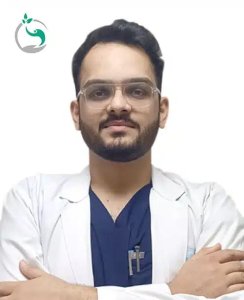
Paras Kumar Gupta
El Dr. Paras Kumar Gupta es cirujano general y gastrointestinal en SilverStreak Multispecialty Hospital, en Gurgaon. Realiza cirugía mínimamente invasiva para tratar afecciones de la pared abdominal y del aparato gastrointestinal. El Dr. Gupta trabaja en un centro acreditado por la JCI.
- Realiza colecistectomías laparoscópicas para tratar cálculos biliares y la inflamación de la vesícula biliar.
- Realiza reparaciones mínimamente invasivas de hernias inguinales, umbilicales y
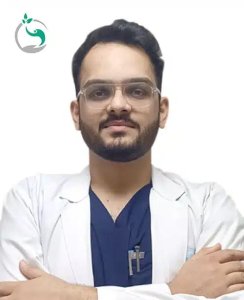
Utkarsh Gupta
El Dr. Utkarsh Gupta es cirujano consultor en cirugía mínimamente invasiva y gastrointestinal en SilverStreak Multispecialty Hospital. Realiza procedimientos laparoscópicos y asistidos por robot para la extirpación de la vesícula biliar y el apéndice. El Dr. Gupta completó su formación quirúrgica en Indraprastha Apollo Hospital, en Nueva Delhi. Trabaja en un centro acreditado por la JCI que cumple con las normas internacionales de seguridad.
- Utiliza técnicas láser para tratar afecc
Compartir contenido
Historias en video de pacientes de Bookimed
 Olena Sikoza
Preguntas frecuentes sobre el tratamiento de Colelitiasis en India
¿Es siempre necesaria la cirugía para tratar la colelitiasis, o pueden los medicamentos disolver los cálculos?
La cirugía no siempre es necesaria para la colelitiasis, ya que los cálculos asintomáticos a menudo solo requieren seguimiento. Medicamentos como el ursodiol pueden disolver los cálculos pequeños a base de colesterol. Sin embargo, el tratamiento médico sigue siendo una opción de segunda línea. Por lo general, se reserva para pacientes que no pueden someterse a cirugía debido a condiciones médicas de alto riesgo.
- Elegibilidad de los cálculos: Solo los cálculos de colesterol pequeños y no calcificados responden a los medicamentos de disolución oral.
- Plazo de éxito: La disolución de cálculos con ácidos biliares requiere de 6 a 24 meses de uso diario.
- Riesgo de recurrencia: Los cálculos reaparecen en aproximadamente el 50 % de los pacientes dentro de los 5 años posteriores a la interrupción de la medicación.
- Estándar quirúrgico: La colecistectomía en hospitales indios acreditados por la JCI elimina permanentemente la fuente de los cálculos.
Perspectiva de expertos de Bookimed: La infraestructura médica de la India ofrece una alta densidad de instalaciones acreditadas por la JCI para el cuidado de la vesícula biliar. Clínicas como Manipal Hospitals y Apollo Hospital Indraprastha atienden a más de 1.000.000 de pacientes al año. Grandes redes como Gleneagles Global Hospitals realizan más de 18.000 operaciones al año. Este volumen masivo garant
¿Cuáles son los riesgos si la colelitiasis no se trata?
La colelitiasis sintomática no tratada puede provocar obstrucciones de las vías biliares potencialmente mortales o infecciones graves. Si los cálculos biliares bloquean el flujo biliar, los pacientes corren el riesgo de sufrir colecistitis aguda, gangrena de la vesícula biliar o ictericia. La inflamación también puede desencadenar una pancreatitis biliar, una afección crítica en la que las enzimas digestivas dañan el propio páncreas.
- Obstrucción biliar: Los cálculos pueden bloquear los conductos causando ictericia, fiebre y heces pálidas.
- Colecistitis aguda: El bloqueo permanente de los conductos provoca una inflamación grave y fiebre alta.
- Riesgo de pancreatitis: Los cálculos migratorios pueden bloquear el conducto pancreático, lo que requiere hospitalización urgente.
- Peligro de gangrena: La inflamación prolongada puede causar la muerte del tejido o una perforación de la vesícula biliar.
Perspectiva del experto de Bookimed: Los datos clínicos de los principales centros indios como Delhi y Mumbai muestran que las clínicas suelen tratar a más de 1.000.000 de pacientes internacionales al año. Si bien algunos pacientes tienen cálculos asintomáticos, esperar a una crisis a menudo conduce a cirugías de emergencia complejas. El diagnóstico proactivo en centros como el Global Hospital Chennai o el Apollo Hospital suele utilizar modernas resona
¿Qué técnica quirúrgica se utiliza más comúnmente para los cálculos biliares en la India y qué la convierte en el método preferido?
La colecistectomía laparoscópica es la técnica quirúrgica estándar para los cálculos biliares en la India. Los cirujanos priorizan este método mínimamente invasivo por su alto perfil de seguridad y sus rápidos tiempos de recuperación. Las instalaciones acreditadas por el National Accreditation Board for Hospitals and Healthcare Providers (NABH) y la JCI realizan habitualmente miles de estos procedimientos al año.
- Tamaño de la incisión: Los cirujanos operan a través de 3 o 4 incisiones diminutas, generalmente de 5 mm a 10 mm de ancho.
- Estancia hospitalaria: La mayoría de los pacientes reciben el alta dentro de las 24 horas posteriores a su procedimiento electivo por laparoscopia.
- Velocidad de recuperación: Los pacientes generalmente regresan a sus rutinas diarias y al trabajo en un plazo de 7 días.
- Precisión visual: Los laparoscopios proporcionan vistas magnificadas de alta definición para un clipaje seguro del conducto cístico.
Perspectiva de expertos de Bookimed: Las redes médicas más grandes de la India, como Apollo y Manipal, aprovechan los enormes volúmenes de pacientes para perfeccionar la precisión quirúrgica. Solo el Global Hospital Chennai realiza más de 18 000 operaciones al año. Esta alta frecuencia en más de 15 redes hospitalarias garantiza que incluso la colecistectomía de rutina se beneficie de equipos quirúrgicos altamente
¿Es posible conservar la vesícula biliar y extraer solo los cálculos?
Extraer solo los cálculos biliares conservando la vesícula biliar es técnicamente posible, pero rara vez se recomienda. Los médicos generalmente aconsejan extirpar el órgano completo porque la propia vesícula biliar suele ser la causa de la formación de cálculos. Conservarla a menudo conduce a cálculos recurrentes y riesgos quirúrgicos repetidos.
- Salud y recurrencia: Conservar el órgano conduce a la formación de nuevos cálculos en la mayoría de los pacientes.
- Resolución de síntomas: La colecistectomía es el estándar mundial definitivo para un alivio duradero del dolor.
- Alternativas especializadas: La CPRE elimina los cálculos del conducto biliar, pero generalmente precede a la extirpación completa de la vesícula biliar.
- Mínimamente invasivo: Centros indios como el Global Hospital Chennai utilizan técnicas laparoscópicas para la recuperación.
Opinión de expertos de Bookimed: La India se ha convertido en un centro de gastroenterología de gran volumen, con centros como el Apollo Hospital que atienden a 1.000.000 de pacientes al año. Aunque algunos pacientes buscan opciones de preservación de órganos, nuestros datos muestran que los mejores hospitales indios enfatizan la colecistectomía laparoscópica por su tasa de éxito del 99%. Elegir un centro de gran volumen es más crítico que intentar salvar un órgano no vital que puede causar futuras
¿Cuál es la tasa de éxito de la cirugía de vesícula biliar en la India?
La cirugía de vesícula biliar en la India tiene una tasa de éxito de entre el 95% y el 99% para el alivio de los síntomas. La mayoría de los procedimientos utilizan técnicas laparoscópicas para garantizar una alta seguridad. Clínicas como el Global Hospital Chennai realizan más de 18.000 operaciones al año. Los cirujanos reportan una tasa de supervivencia del 99% para estos procedimientos.
- Éxito del procedimiento: Alcanzando tasas del 95% al 99% para la eliminación completa de cálculos.
- Conversión laparoscópica: Solo del 1,4% al 2% de los casos requieren cirugía abierta.
- Tiempo de recuperación: El alta hospitalaria suele ocurrir dentro de 1 a 2 días.
- Estándares de seguridad: Los principales centros reportan tasas de lesiones en las vías biliares inferiores al 0,5%.
Perspectiva del experto de Bookimed: Elegir a un cirujano como el Dr. Jaydeep Palep en HCG Manavata, quien tiene más de 15 años de experiencia, es fundamental. Nuestros datos muestran que los mejores especialistas indios a menudo se capacitan internacionalmente en técnicas robóticas avanzadas. Estos expertos mantienen altas tasas de éxito incluso en casos complejos que involucran complicaciones diabéticas. El Global Hospital Chennai lidera en volumen con más de 18.000 procedimientos anuales, lo que indica una alta competencia institucional.
Consenso del pacient
¿Cuál es el tiempo de recuperación esperado después de una colecistectomía laparoscópica en la India?
La recuperación después de una colecistectomía laparoscópica en la India generalmente toma de 1 a 2 semanas para reanudar las actividades diarias. Los pacientes suelen lograr una curación interna completa dentro de 4 a 6 semanas. La mayoría de las personas son dadas de alta de instalaciones acreditadas por la JCI dentro de las 24 horas posteriores al procedimiento.
- Estancia hospitalaria: La mayoría de los pacientes regresan a casa después de un período de observación de un día o 24 horas.
- Movilidad inicial: Los cirujanos fomentan caminatas cortas el día de la cirugía para prevenir gases.
- Reanudación del trabajo: Los profesionales de oficina generalmente regresan al trabajo dentro de los 7 a 10 días.
- Actividad física: Evite levantar más de 5 kg durante al menos 4 semanas para prevenir hernias.
Perspectiva de expertos de Bookimed: La India ofrece una alta densidad de hospitales con doble acreditación JCI y NABH. Manipal Hospitals y Apollo Hospital Indraprastha gestionan más de 1,000,000 de pacientes al año cada uno. Este alto volumen a menudo resulta en protocolos simplificados donde el alta ocurre dentro de las 24 horas. Los pacientes deben asegurarse de que su cirujano tenga experiencia especializada en procedimientos biliopancreáticos para obtener los mejores resultados.
Consenso de los pacientes: Los pacientes
¿Cómo se verá afectada mi digestión después de la extirpación de la vesícula biliar?
La digestión generalmente se estabiliza en unas pocas semanas a medida que el cuerpo se ajusta al flujo continuo de bilis desde el hígado. Los pacientes a menudo experimentan heces blandas temporales o hinchazón después de comidas grasas. La mayoría vuelve a sus patrones de alimentación normales dentro de los 3 a 6 meses posteriores a la cirugía en la India.
- Cambios en el flujo biliar: La bilis gotea continuamente hacia el intestino delgado en lugar de almacenarse y concentrarse.
- Tolerancia inicial a las grasas: Las comidas pesadas y grasosas pueden causar gases o calambres durante el primer mes.
- Cambios en las deposiciones: Aproximadamente del 20% al 25% de los pacientes informan diarrea temporal o heces blandas.
- Adaptación a largo plazo: El hígado y los intestinos se adaptan naturalmente para mantener una digestión normal de la mayoría de los alimentos.
Perspectiva de expertos de Bookimed: Los hospitales indios como el Global Hospital Chennai y el Apollo Hospital se especializan en técnicas laparoscópicas mínimamente invasivas. Nuestros datos muestran que estas clínicas realizan miles de procedimientos de gastroenterología anualmente con altas tasas de éxito. Elegir centros experimentados garantiza que el tracto digestivo sea monitoreado de cerca durante las primeras 48 horas críticas. Esto ayuda a identificar los desencadenantes temp