Colelitiasis en Turquía: las 28 mejores clínicas para su tratamiento


Revisado médicamente por
Fahad Mawlood
Cómo funciona
¿Cuál es el precio del diagnóstico y los tratamientos de Colelitiasis en Turquía? Descubra ahora
El costo total del tratamiento de la colelitiasis en Turquía varía dependiendo de los procedimientos y servicios específicos requeridos. Una consulta con un profesor cuesta 142 €. La extracción quirúrgica de la vesícula biliar, conocida como colecistectomía laparoscópica, cuesta entre 4,735 € y 5,682 € e incluye pruebas preoperatorias, un día de estancia hospitalaria y comidas. Además, un procedimiento endoscópico, CPRE, cuesta entre 2,841 € y 3,788 €. El plan de tratamiento se adapta según las necesidades del paciente y la evaluación médica.
Descubra las mejores clínicas de tratamiento de Colelitiasis en Turquía: 28 opciones verificadas y Precios






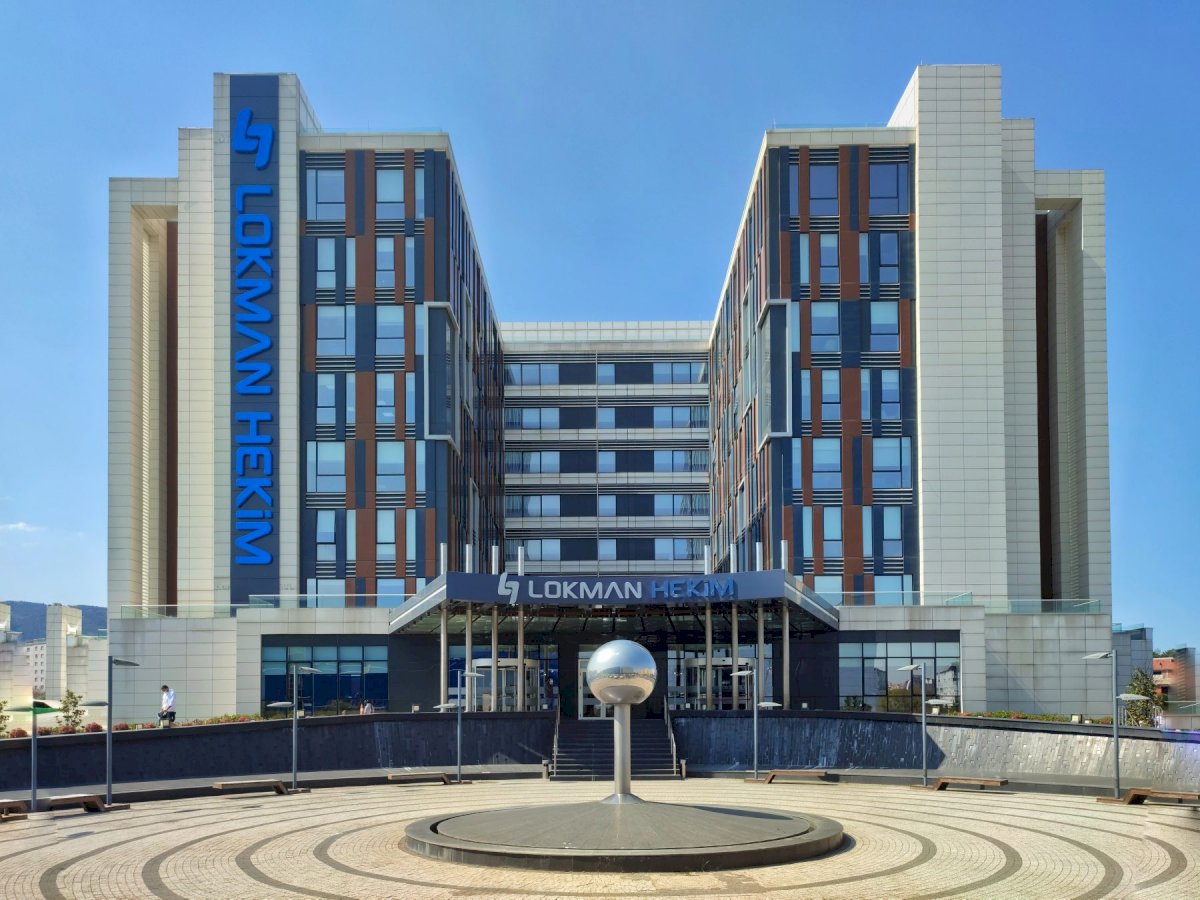
Hospital Lokman Hekim de Estambul (Lokman Hekim Istanbul Hospital)



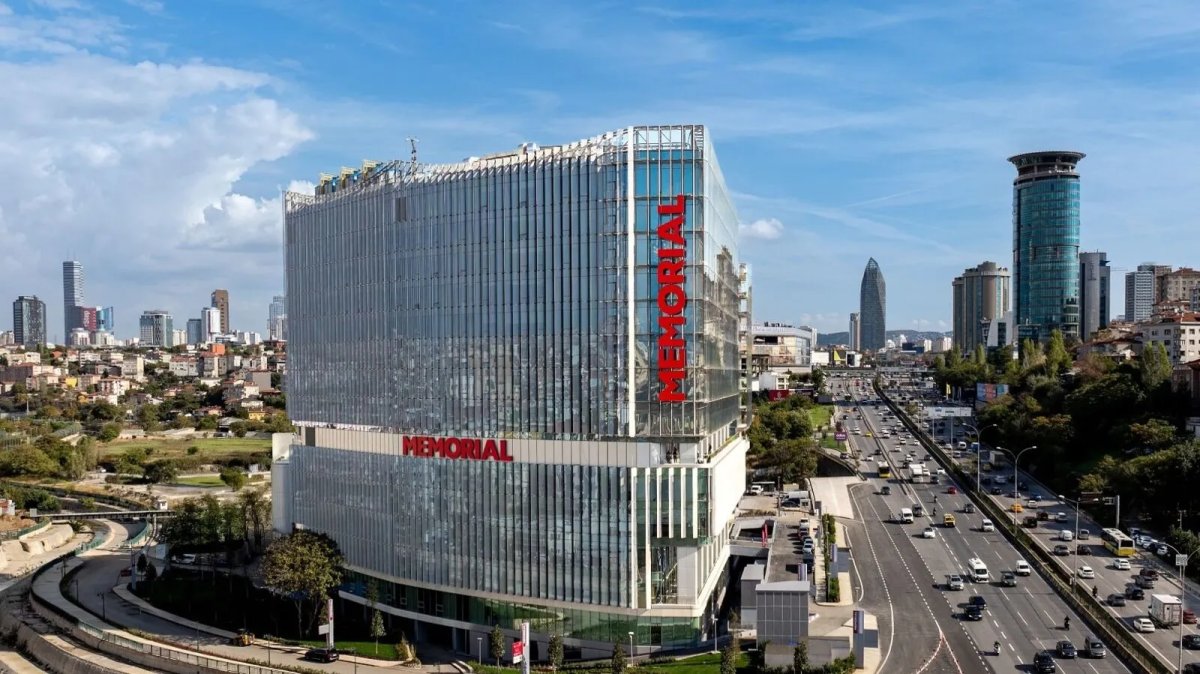
Memorial Göztepe Hospital
Koray Karabulut









Obtenga una evaluación médica de tratamiento de Colelitiasis en Turquía: haga una consulta con 40 médicos experimentados ahora
Ver todos los médicosKoray Karabulut
El Dr. Koray Karabulut es especialista en cirugía general en el Hospital Memorial Göztepe (2025–). Su enfoque es la cirugía HPB (hepatopancreatobiliar), el trasplante hepático y la cirugía robótica o mínimamente invasiva. Fue el especialista responsable del Centro de Trasplante Hepático de la Universidad de Fırat (2014–2018). Luego trabajó como especialista en trasplante de órganos en Memorial Şişli (2018–2019). En 2024, trabajó en cirugía HPB robótica en Ageo Medical Center.
Entre los

Mehmet Guler
El Prof. Mehmet Guler aporta más de _doctor_9532_ años de experiencia quirúrgica, especializándose en colelitiasis en el complejo hospitalario Medical Park Antalya.
- Completó su residencia en cirugía general en el Hospital de Formación e Investigación Ankara Numune
- Posee una cátedra de la Universidad de Estambul Aydın
- Profesor asistente de cirugía general en la Universidad de Gaziantep
- Especializado en técnicas laparoscópicas avanzadas

Mete Akin
Profesor asociado con _doctor_9537_ años de experiencia en gastroenterología, especializado en trastornos del sistema digestivo en el complejo hospitalario Medical Park Antalya.
- Subespecialidad en gastroenterología por la Universidad Süleyman Demirel
- Amplia experiencia en medicina interna y afecciones digestivas
- Anteriormente ocupó cargos académicos en la Facultad de Medicina de la Universidad de Akdeniz

Aziz Kemal Emek
El Prof. Aziz Kemal Emek aporta rigor académico a la cirugía de vesícula biliar, formado en la Universidad de Ankara y actualmente profesor en la Universidad de Akdeniz.
- Especializado en cirugía general en la Universidad de Ankara
- Profesor en la Facultad de Medicina de la Universidad de Akdeniz
- Miembro de la Asociación Nacional de Cirugía y de la Asociación Médica Turca
- Vinculado a la Asociación de Coordinación de Organizaciones de Trasplantes
Compartir contenido
Historias en video de pacientes de Bookimed
 Olena Sikoza
Preguntas frecuentes sobre el tratamiento de Colelitiasis en Turquía
¿Qué tipo de cirugía se utiliza para los cálculos biliares en Turquía?
Los cirujanos en Turquía utilizan principalmente la colecistectomía laparoscópica para los cálculos biliares. Esta técnica mínimamente invasiva utiliza de 3 a 4 pequeñas incisiones y una cámara. La mayoría de los procedimientos se realizan en instalaciones acreditadas por la JCI, como el Hospital Memorial Şişli. La cirugía abierta se utiliza solo para casos complejos o emergencias médicas específicas.
- Colecistectomía laparoscópica: El enfoque estándar de oro que utiliza pequeñas incisiones para una recuperación rápida y una cicatrización mínima.
- Procedimiento CPRE: Utilizado por especialistas como el Dr. Tarik Akar para extraer cálculos de los conductos biliares.
- Cirugía robótica: Centros avanzados como Memorial Bahçelievler utilizan sistemas robóticos para mejorar la precisión quirúrgica.
- Colecistectomía abierta: Cirugía tradicional reservada para casos complicados que involucran inflamación grave o anatomía única.
Opinión experta de Bookimed: Si bien muchas clínicas turcas realizan miles de cirugías generales, es vital priorizar los centros con departamentos de gastroenterología dedicados. Expertos como el Dr. Tarik Akar en el Hospital Hisar se especializan en CPRE. Esta técnica puede eliminar las obstrucciones de los conductos biliares antes o durante la extirpación de la vesícula biliar. Elegir una clínica con esta experiencia inter
¿Están calificados los cirujanos turcos para realizar una cirugía laparoscópica de la vesícula biliar?
Los cirujanos turcos están altamente calificados para la cirugía laparoscópica de la vesícula biliar. La mayoría posee certificaciones de la junta y completa capacitación avanzada en técnicas mínimamente invasivas. Muchos especialistas líderes también mantienen membresías en la Asociación Nacional de Cirugía Laparoscópica Endoscópica (ELCD) y operan en instalaciones acreditadas por la JCI.
- Credenciales del cirujano: Especialistas como el Dr. Adil Baykan tienen más de 25 años de experiencia.
- Estándares clínicos: Hospitales como Memorial Şişli fueron de los primeros a nivel mundial en obtener la acreditación JCI.
- Volumen de pacientes: Grandes centros como el Centro Médico Anadolu atienden a más de 65,000 pacientes internacionales anualmente.
- Afiliación universitaria: Los mejores médicos a menudo sirven como profesores en instituciones prestigiosas como la Universidad de Ankara.
Perspectiva del experto de Bookimed: Si bien muchos países ofrecen colecistectomía, el volumen quirúrgico masivo de Turquía crea una brecha de experiencia única. Clínicas como Memorial Şişli operan en 53,000 metros cuadrados con 13 quirófanos especializados. Cirujanos experimentados como el Dr. Yilmaz Bilgic han realizado miles de procedimientos biliares. Los datos muestran que estos centros de alto volumen a menudo logran mejores resultados que los hospitales gene
¿Cuáles son los riesgos documentados de la extirpación laparoscópica de la vesícula biliar?
La extirpación laparoscópica de la vesícula biliar es generalmente segura, pero los riesgos documentados incluyen lesiones en los conductos biliares y perforación iatrogénica. Las complicaciones mayores ocurren en menos del 1% de los casos. Los centros turcos acreditados por la JCI mantienen altos estándares de seguridad utilizando imágenes avanzadas para proteger los órganos circundantes y minimizar la pérdida de sangre.
- Lesión del conducto biliar: El daño a los conductos biliares puede causar fugas, infecciones o problemas digestivos a largo plazo.
- Perforación de la vesícula biliar: La perforación accidental ocurre en aproximadamente el 5,27% de los procedimientos durante el proceso de extracción.
- Sangrado intraoperatorio: Las lesiones en los vasos del lecho hepático o arterias cercanas afectan a alrededor del 2,83% de los pacientes.
- Cálculos biliares derramados: Los cálculos que escapan a la cavidad peritoneal ocurren en el 2,02% de los casos, con riesgo de infección.
Perspectiva del experto de Bookimed: Si bien la mayoría de las clínicas se centran en la cirugía, los mejores profesores turcos como el Dr. Adil Baykan del Hospital Medistate aportan más de 25 años de experiencia tanto en técnicas laparoscópicas como endoscópicas. Esta doble experiencia es vital porque si se pasa por alto un cálculo o se estrecha un conducto, a menudo p
¿Se pueden tratar los cálculos biliares sin cirugía y qué tan efectivas son las opciones no quirúrgicas?
Los cálculos biliares se pueden tratar sin cirugía mediante terapia de disolución oral o litotricia para cálculos pequeños basados en colesterol. Sin embargo, estos métodos son generalmente menos efectivos a largo plazo. Las tasas de éxito de la disolución basada en medicamentos son de alrededor del 20%, y los cálculos a menudo reaparecen una vez que se detiene el tratamiento.
- Disolución oral: Medicamentos como el ácido ursodesoxicólico disuelven los cálculos de colesterol a lo largo de meses o años.
- Recurrencia de cálculos: Las estadísticas muestran tasas de recurrencia del 30% al 50% en un plazo de 5 años.
- Limitaciones del tratamiento: Los métodos no quirúrgicos son ineficaces para los cálculos pigmentarios a base de calcio.
- Monitoreo activo: Los cálculos biliares silenciosos a menudo no requieren tratamiento a menos que se desarrollen síntomas como dolor.
Perspectiva del experto de Bookimed: Los gastroenterólogos turcos como el Dr. Tarik Akar en el Hospital Hisar a menudo usan CPRE para cálculos en los conductos biliares. Este método endoscópico no quirúrgico elimina eficazmente las obstrucciones sin extirpar la vesícula biliar. Este enfoque especializado en clínicas acreditadas por la JCI ayuda a evitar la cirugía en casos específicos de los conductos.
Consenso de los pacientes: Los pacientes señalan que espe
¿Cuánto tiempo debo planificar para una cirugía de vesícula biliar laparoscópica en Turquía?
Los pacientes deben planificar una estancia de 7 días en Turquía para la cirugía de vesícula biliar por laparoscopia. La mayoría de las personas pasan 1 noche en el hospital para observación. Unos 5 a 6 días adicionales en el país aseguran una recuperación segura y la autorización médica antes de su vuelo de regreso.
- Estancia hospitalaria: Espere 1 noche de monitoreo hospitalario para una extracción laparoscópica de vesícula biliar de rutina.
- Preparación preoperatoria: Llegue 1 día antes para análisis de sangre y consultas quirúrgicas.
- Autorización de vuelo: Los cirujanos suelen aprobar los viajes aéreos de 3 a 5 días después del procedimiento.
- Monitoreo médico: Quédese de 4 a 5 días después del alta para controlar los síntomas iniciales de recuperación.
Perspectiva del experto de Bookimed: Los centros de gran volumen en Estambul, como Anadolu Medical Center o Memorial Şişli, atienden a miles de pacientes internacionales cada año. Si bien los protocolos clínicos permiten volar después de 3 días, nuestros datos sugieren que 7 días es el umbral ideal. Este margen permite a los cirujanos monitorear el sitio quirúrgico de manera efectiva antes de un viaje de larga distancia.
Consenso de los pacientes: Los pacientes señalan que el dolor por gases y las molestias en los hombros son comunes en las primeras 72 horas. Des