Colelitiasis Tratamiento en Corea del Sur — Costos 2026


Revisado médicamente por
Fahad Mawlood
¿Cuál es el precio del diagnóstico y los tratamientos de Colelitiasis en Corea del Sur? Descubra ahora
El costo del tratamiento de la colelitiasis en la República de Corea generalmente incluye diagnósticos esenciales como una consulta con un gastroenterólogo, que oscila entre $55 y $75, e intervenciones quirúrgicas primarias. Los gastos totales dependen generalmente del enfoque quirúrgico, la duración de la estancia hospitalaria y el nivel de la clínica. Los pacientes a menudo ahorran aproximadamente entre un 30% y un 50% en comparación con los costos de atención médica en los Estados Unidos y Europa Occidental. Seúl e Incheon son los principales centros para estos procedimientos.
Costos típicos del tratamiento de la colelitiasis en la República de Corea
- Consulta con un gastroenterólogo: $55 – $75
- Gastroscopia: $150 – $210
- Análisis de sangre extendido: de $200
- ECG: de $30
Perspectiva de expertos de Bookimed: Para casos complejos que involucran complicaciones biliares, se recomiendan centros multidisciplinarios como el Asan Medical Center. Mantienen una tasa de éxito del 90% en procedimientos de alta complejidad relacionados con órganos. Los pacientes que buscan tecnología avanzada deberían considerar el Seoul National University Bundang Hospital (SNUBH), el primer centro digitalizado de Corea. Utiliza el sistema BESTcare para minimizar los errores médicos. Las operaciones mínimamente invasivas en el Ewha Womans University Medical Center son ideales para pacientes que priorizan los resultados estéticos con cicatrices mínimas.
Sus beneficios y garantías con Bookimed
Precios directos
Bookimed no añade cargos extra a los precios de los tratamientos de Colelitiasis. Las tarifas proceden de las listas de precios oficiales de las clínicas. Pagará directamente en la clínica por su tratamiento a su llegada al país.
Sólo clínicas y médicos verificados
Bookimed está comprometido con su seguridad. Solo trabajamos con las clínicas que mantienen altos estándares internacionales en el tratamiento de Colelitiasis y cuentan con las licencias necesarias para atender a pacientes internacionales en todo el mundo.
Asistencia 24/7 gratuita
Bookimed ofrece asistencia experta gratuita. Un coordinador médico personal le apoya antes, durante y después de su tratamiento, resolviendo cualquier problema. Nunca estará solo en su viaje médico de tratamiento de Colelitiasis.

Su coordinador médico personal de Bookimed
- Le apoya en cada etapa
- Ayuda a elegir la clínica y el médico adecuados
- Asegura un acceso rápido y conveniente a la información
Descubra las mejores clínicas de tratamiento de Colelitiasis en Corea del Sur: 11 opciones verificadas y Precios
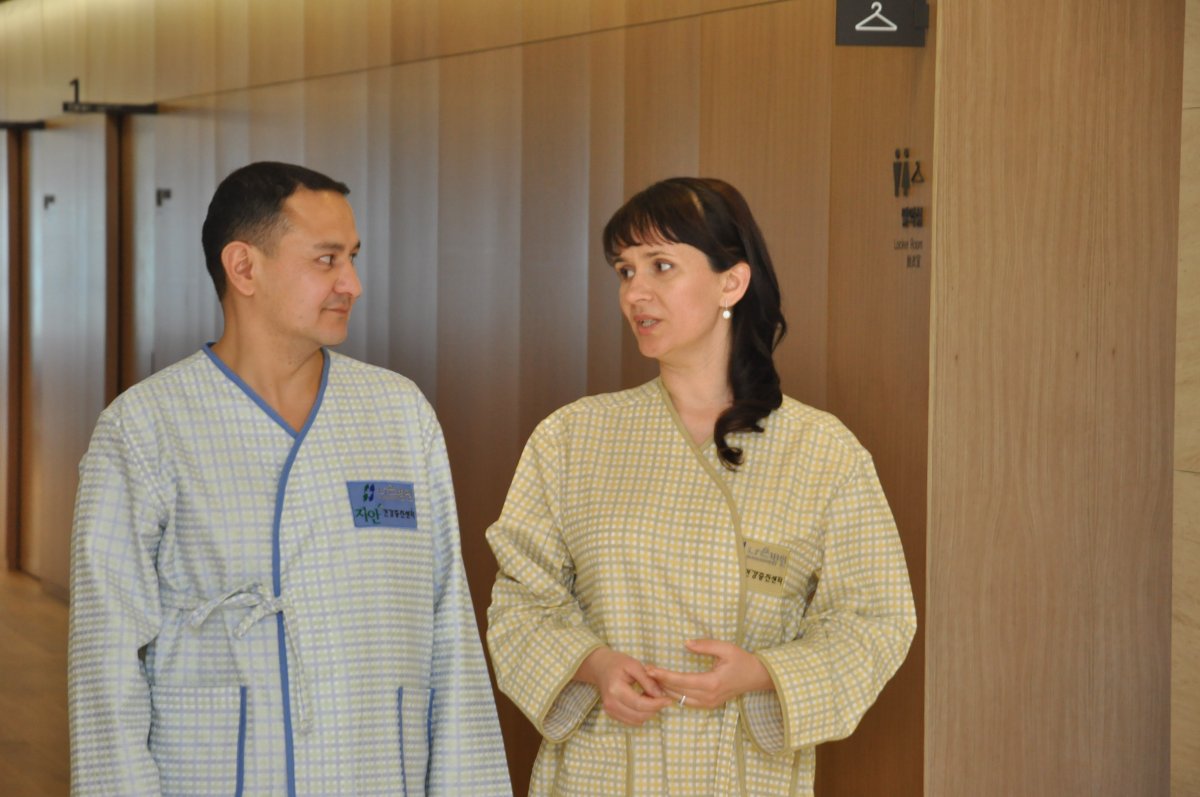










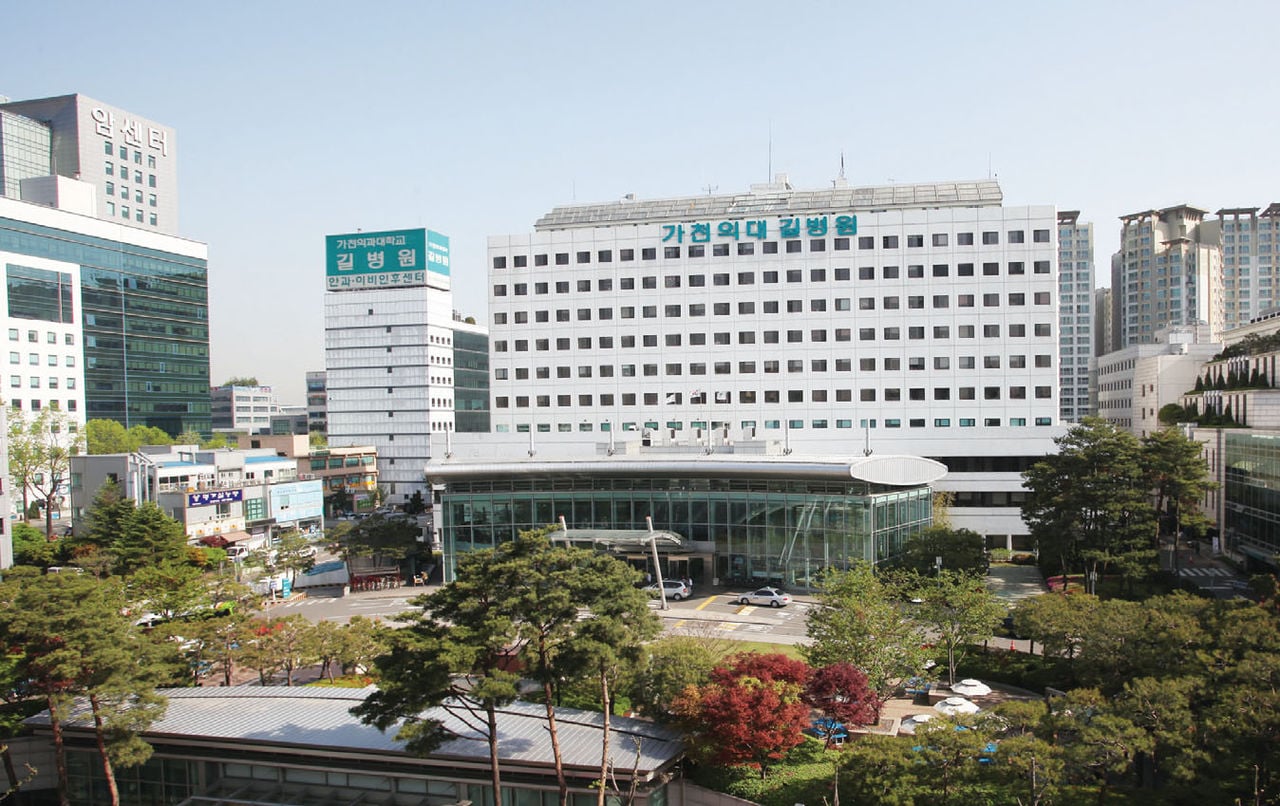




Bumin Hospital Seoul


Obtenga una evaluación médica de tratamiento de Colelitiasis en Corea del Sur: haga una consulta con 7 médicos experimentados ahora
Ver todos los médicos
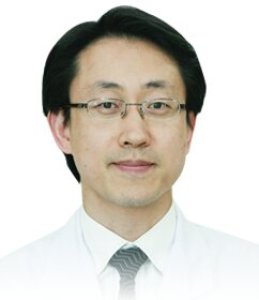
Yu Yeonghun
El Dr. Yu Yeonghun es cirujano del aparato digestivo y doctor en Medicina. Se especializa en enfermedades y cánceres hepatopancreatobiliares (HPB). Su enfoque abarca los cánceres de hígado, páncreas, vía biliar y vesícula biliar, así como la colelitiasis y otras enfermedades de la vesícula.
Realizó el internado y la residencia en cirugía general en el Centro Médico CHA Bundang. Luego completó una subespecialización en cirugía HPB en el Centro Médico Samsung. Se desempeñó como profesor
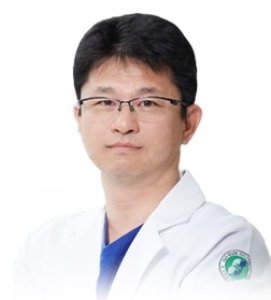
Cheon Wonseok
El Dr. Cheon Wonseok es Jefe de Gastroenterología en el Hospital Na-Eun. Trata trastornos gastrointestinales. Realiza endoscopia digestiva alta, colonoscopia, polipectomía y disección endoscópica submucosa (ESD). Maneja el cáncer gástrico y esofágico y la infección por Helicobacter pylori. También trata enfermedades hepáticas y enfermedad inflamatoria intestinal, incluidas la enfermedad de Crohn y la colitis ulcerosa. Ofrece endoscopia por cápsula del intestino delgado.
Acreditaciones:
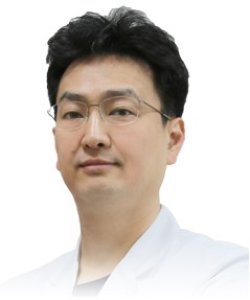
Song Hwayeong
Dr. Song Hwayeong es especialista en gastroenterología. Sus áreas de enfoque incluyen los cánceres gastrointestinales (de estómago y de esófago) y la endoscopia avanzada (gastroscopia, colonoscopia, disección endoscópica submucosa [DES] y polipectomía). También trata enfermedades digestivas y hepáticas, como la ERGE, la gastritis, la hepatitis, la infección por H. pylori y la enfermedad hepática.
Completó la formación de subespecialización en gastroenterología en el Hospital Ilsan Paik
Kim Taekhyeon
El Dr. Kim Taekhyeon es cirujano gastrointestinal y jefe de Cirugía Gastrointestinal en el Hospital Naeun. Obtuvo los títulos de M.D. y M.S. en la Facultad de Medicina de la Universidad Chung‑Ang. Realizó el internado en el Hospital Sungae y la residencia de cirugía general en el Hospital Universitario Chung‑Ang. Posteriormente completó una subespecialización en cirugía gastrointestinal en el Seoul St. Mary’s Hospital. Anteriormente fue cirujano adjunto en el Gwangmyeong Sungae Hospital.
Compartir contenido
Historias en video de pacientes de Bookimed
 Olena Sikoza
Preguntas frecuentes sobre el tratamiento de Colelitiasis en Corea del Sur
¿Cuál es el tratamiento quirúrgico estándar para la colelitiasis sintomática en Corea del Sur?
La colecistectomía laparoscópica es el tratamiento quirúrgico estándar para la colelitiasis sintomática en Corea del Sur. Los cirujanos extirpan la vesícula biliar a través de pequeñas incisiones abdominales. Este enfoque mínimamente invasivo es altamente preferido. Permite una recuperación rápida y generalmente requiere solo de 1 a 2 días de hospitalización.
- Técnica quirúrgica: La extirpación laparoscópica sigue siendo el estándar de oro en los principales centros de Corea del Sur.
- Opciones avanzadas: La cirugía asistida por robot utilizando el sistema Da Vinci optimiza la precisión y los resultados cosméticos.
- Reducción de cicatrices: La laparoscopia de sitio único se realiza con frecuencia para minimizar aún más el dolor postoperatorio inmediato.
- Alternativa de tratamiento: La colecistectomía abierta se reserva estrictamente para casos complejos o inflamación anatómica grave.
Perspectiva del experto de Bookimed: Corea del Sur es un centro médico global, ocupando el sexto lugar en nuestros datos de demanda mundial. Hospitales como el Seoul National University Bundang Hospital (SNUBH) son totalmente digitales. Utilizan el sistema BESTcare para eliminar errores médicos durante cirugías abdominales complejas. Grandes centros como el Asan Medical Center realizan más de 65,000 operaciones al año. Este alto volumen a menudo conduce a mejore
¿Está disponible la cirugía robótica de vesícula biliar para pacientes internacionales que visitan Corea?
La cirugía robótica de vesícula biliar está ampliamente disponible para pacientes internacionales en centros médicos acreditados en Corea del Sur. Las instalaciones modernas utilizan sistemas robóticos Da Vinci y Hugo para procedimientos de colecistectomía. La mayoría de los hospitales terciarios en Seúl cuentan con departamentos internacionales dedicados para gestionar la logística y la coordinación médica.
- Tecnología disponible: Los sistemas robóticos Da Vinci y Hugo realizan resecciones mínimamente invasivas.
- Instituciones líderes: Centros acreditados por la JCI como el Severance Hospital y el Asan Medical Center.
- Cirujanos expertos: Especialistas como el Prof. Dr. Jong Kyun Lee manejan casos complejos de cálculos biliares.
- Protocolos de seguridad: Las clínicas registradas deben contar con un seguro de mala praxis para proteger a los pacientes internacionales.
Perspectiva del experto de Bookimed: Aunque la cirugía robótica ofrece una alta precisión, a menudo se trata como una mejora opcional. Los datos muestran que los centros académicos como el Hospital de la Universidad Nacional de Seúl mantienen las estadísticas de éxito más altas. Los pacientes deben verificar la disponibilidad de la robótica durante la revisión inicial de su expediente para asegurarse de que el equipo no esté reservado.
Consenso de los pacientes:<
¿Cuánto tiempo debo planificar quedarme en Corea del Sur para una cirugía laparoscópica de vesícula biliar?
Planifique quedarse en Corea del Sur de 7 a 10 días para una cirugía laparoscópica de vesícula biliar. Este plazo cubre las pruebas preoperatorias, el procedimiento mínimamente invasivo y el seguimiento postoperatorio. La mayoría de los pacientes requieren de 1 a 2 noches de hospitalización. Debe permanecer localmente hasta que un seguimiento final confirme que está apto para volar.
- Estancia hospitalaria: Espere de 1 a 2 noches de monitoreo hospitalario después del procedimiento de 2 horas.
- Fase preoperatoria: Dedique de 1 a 2 días a análisis de sangre, ecografías y autorización de anestesia.
- Autorización de vuelo: Los cirujanos generalmente requieren un chequeo obligatorio de 5 a 7 días después de la cirugía antes de viajar.
- Margen de recuperación: Presupueste de 3 a 4 días en un hotel local para controlar el dolor postoperatorio.
Perspectiva del experto de Bookimed: Aunque muchos eligen clínicas más pequeñas, el Asan Medical Center y el Seoul National University Hospital ofrecen redes de seguridad inigualables para casos complejos. Estas instalaciones tratan a más de 10,000 pacientes diariamente y mantienen la acreditación JCI. Este alto volumen garantiza que los equipos quirúrgicos estén preparados para cualquier variación anatómica durante la extirpación de la vesícula biliar.
Consenso de los pacientes: Los p
¿Es seguro volar después de una extirpación de vesícula biliar en Corea?
Volar después de una extirpación de vesícula biliar en Corea es seguro de 7 a 10 días después de una cirugía laparoscópica. Los vuelos de larga distancia requieren esperar 14 días. Los pacientes de cirugía abierta deben esperar de 4 a 6 semanas. Obtenga siempre un certificado de aptitud para volar de su cirujano coreano antes de dirigirse al Aeropuerto Internacional de Incheon.
- Cronograma de viaje: Espere de 7 a 14 días para procedimientos laparoscópicos o de 4 a 6 semanas para procedimientos abiertos.
- Documentación médica: Lleve un resumen de alta y un informe operatorio en inglés para el tránsito internacional.
- Prevención de coágulos: Use medias de compresión y camine cada hora para prevenir la trombosis venosa profunda.
- Límites físicos: Solicite asistencia en silla de ruedas para evitar levantar equipaje pesado o forzar las incisiones abdominales.
Opinión de expertos de Bookimed: Aunque existen clínicas básicas, elegir centros acreditados por la JCI como el Severance Hospital o el Asan Medical Center garantiza el acceso a equipos multidisciplinarios. Estos hospitales gestionan más de 30.000 cirugías al año. Su experiencia es vital si surgen complicaciones como fugas biliares antes de su vuelo. Los grandes centros también proporcionan informes médicos completos en inglés requeridos por las aerolíneas y los seguros.
Cons
¿Requieren los cálculos biliares asintomáticos cirugía en Corea?
Los cálculos biliares asintomáticos generalmente no requieren cirugía en Corea. Las pautas quirúrgicas locales favorecen la espera vigilante para los cálculos silenciosos. Los especialistas suelen recomendar la intervención solo si aparecen factores de riesgo. La cirugía generalmente se reserva para cálculos que causan dolor, inflamación o complicaciones específicas como el engrosamiento crónico de la pared de la vesícula biliar.
- Tamaño del cálculo: Los cirujanos a menudo recomiendan la extirpación para cálculos que superan los 2 a 3 cm.
- Presencia de pólipos: Los pólipos coexistentes en la vesícula biliar aumentan los riesgos de malignidad, lo que a menudo justifica una cirugía proactiva.
- Calcificación de la pared: Una vesícula biliar de porcelana requiere extirpación debido a su alta asociación con el cáncer.
- Monitoreo diagnóstico: Los pacientes se someten a ecografías regulares y análisis de sangre bioquímicos para rastrear los cambios.
Perspectiva del experto de Bookimed: Los datos de Bookimed muestran una alta concentración de instalaciones acreditadas por la JCI en Seúl, como el Hospital Severance y el Centro Médico Asan. Estos centros priorizan las técnicas laparoscópicas mínimamente invasivas. Si bien los cálculos pequeños se monitorean, los cirujanos coreanos utilizan sistemas electrónicos avanzados como BESTcare para rastrear l
¿Se ofrecen tratamientos no quirúrgicos o de preservación de la vesícula biliar para pacientes de alto riesgo en Corea?
Corea del Sur ofrece tratamientos no quirúrgicos y de preservación de la vesícula biliar específicamente para pacientes de alto riesgo. Los centros acreditados por la JCI en Seúl ofrecen drenaje de la vesícula biliar y extracción endoscópica de cálculos. Estas opciones ayudan a los pacientes de edad avanzada o a aquellos con afecciones agudas a evitar una colecistectomía completa. Los médicos utilizan imágenes avanzadas para garantizar la seguridad del procedimiento.
- Procedimientos de drenaje: El drenaje percutáneo o endoscópico estabiliza a los pacientes de alto riesgo con colecistitis aguda.
- Técnicas mínimamente invasivas: Los cirujanos utilizan cirugía endoscópica a través de orificios naturales (NOTES) para minimizar las cicatrices.
- Diagnóstico avanzado: Las clínicas utilizan gastroscopia y análisis bioquímico de sangre para evaluar los riesgos del tratamiento.
- Sistemas robóticos: Los centros especializados emplean la robótica Da Vinci para lograr precisión en casos complejos de vesícula biliar.
Perspectiva del experto de Bookimed: Aunque Corea del Sur ocupa el sexto lugar a nivel mundial en turismo médico en Bookimed, los pacientes deben tener en cuenta que los centros de gran volumen como el Hospital Severance atienden a 4 millones de pacientes al año. Esta escala masiva permite a los especialistas mantener una alta competencia en
¿Tendré que cambiar permanentemente mi dieta después de la extirpación de la vesícula biliar en Corea?
No se requieren cambios dietéticos permanentes después de la extirpación de la vesícula biliar en Corea. La mayoría de los pacientes vuelven a sus hábitos alimenticios normales en un plazo de 4 semanas. El hígado sigue produciendo bilis, pero ahora fluye directamente al intestino delgado. Los platos coreanos ricos en grasas pueden causar hinchazón o indigestión temporal durante la recuperación.
- Cronograma de recuperación: La mayoría de los pacientes retoman una dieta estándar dentro del primer mes posterior a la cirugía.
- Dieta inicial: Priorice los alimentos suaves y bajos en grasa, como la papilla de arroz Juk, durante 2 semanas.
- Alimentos básicos coreanos: Cambie el kimchi rojo picante por kimchi blanco suave para evitar irritaciones.
- Alimentos de alto riesgo: Evite el Samgyeopsal (panceta de cerdo) y el pollo frito durante el primer mes.
Perspectiva del experto de Bookimed: Aunque la recuperación suele ser rápida, elija clínicas como el Seoul National University Hospital o el Asan Medical Center por su alto volumen quirúrgico. Asan realiza más de 65.000 operaciones al año. Este nivel de experiencia garantiza procedimientos mínimamente invasivos precisos, lo que ayuda a estabilizar la digestión más rápidamente. Muchos de los mejores cirujanos coreanos también ofrecen consultas integrales de gastroenterología postoperatoria para ayudar