Hemorroides en Austria: las 3 mejores clínicas para su tratamiento


Revisado médicamente por
Fahad Mawlood
Cómo funciona
¿Cuál es el precio del diagnóstico y los tratamientos de Hemorroides en Austria? Descubra ahora
El costo del tratamiento de hemorroides en Austria fluctúa según la gravedad de la afección y el enfoque quirúrgico elegido. Los procedimientos esenciales como la ligadura con banda elástica de hemorroides oscilan entre $650 y $1,300, mientras que una terapia de hemorroides más integral varía de $1,800 a $3,500. Los gastos totales dependen del nivel de la clínica y la experiencia del especialista. Los pacientes a menudo encuentran ahorros del 10-20% en comparación con la atención médica privada de EE. UU. Los mejores centros médicos se encuentran en Viena y Graz.
Costos típicos del tratamiento de hemorroides en Austria
- Ligadura con banda elástica de hemorroides: $650 – $1,300
- Terapia de hemorroides: $1,800 – $3,500
- Cirugía por sangrado rectal: $3,200 – $5,600
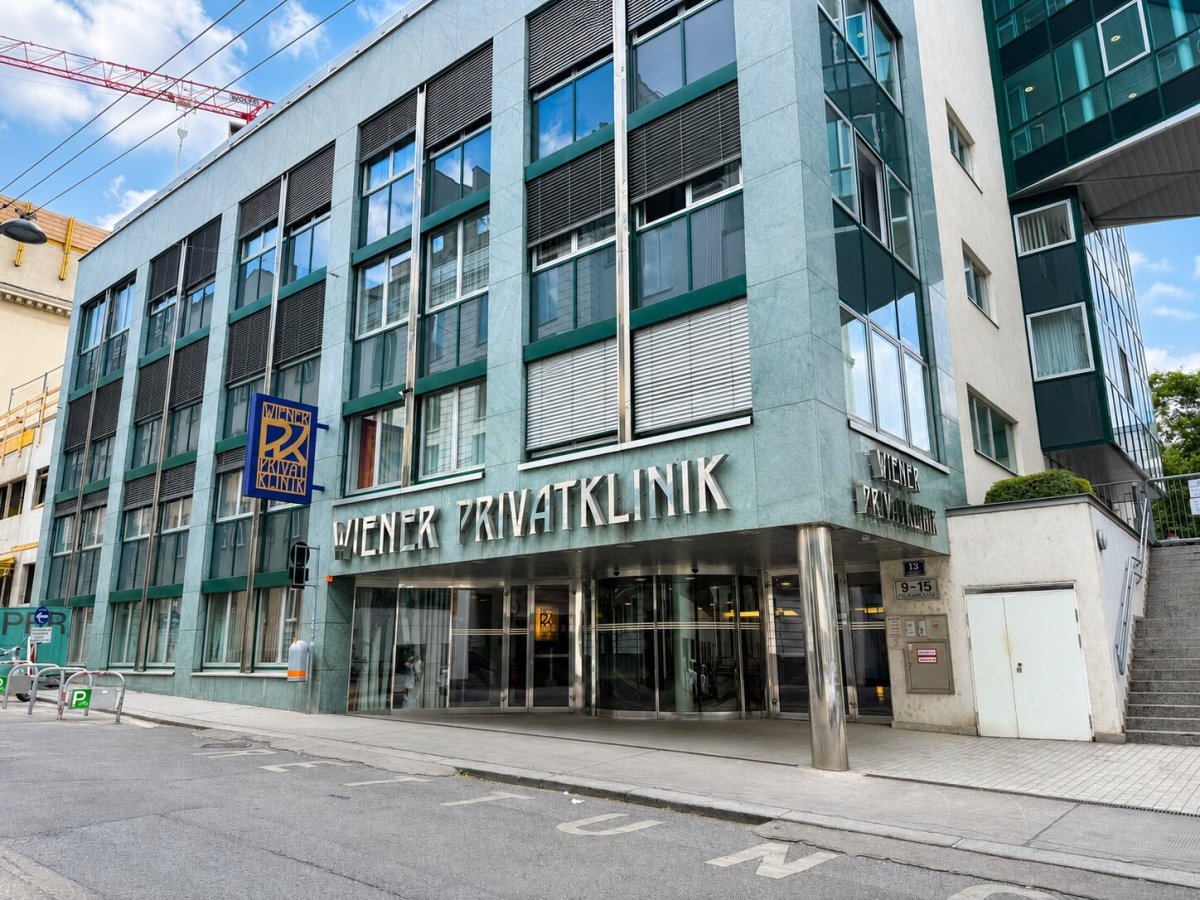
Perspectiva de expertos de Bookimed: Para casos complejos, elegir especialistas afiliados a universidades proporciona el más alto nivel de atención. El Hospital General de Viena (AKH) cuenta con expertos de clase mundial como el profesor Sebastian Schoppmann para necesidades quirúrgicas avanzadas. Los pacientes que buscan un entorno premium y multilingüe a menudo prefieren la Wiener Privatklinik, que cuenta con la acreditación de Mejores Hospitales de Newsweek. Para diagnósticos quirúrgicos, la Clínica Privada Leech en Graz ofrece modernas instalaciones de endoscopia y resonancia magnética. Aquellos con síntomas leves se benefician más de la ligadura ambulatoria para minimizar los costos de recuperación.
| Austria | España | Turquía | |
|---|---|---|---|
| Terapia de hemorroides | ≈ $1,800 | de $3,500 | de $3,600 |
| Ligadura de hemorroides con banda elástica | ≈ $650 | de $5,100 | de $3,600 |
| Extirpación de colgajo cutáneo anal | ≈ $550 | de $3,900 | ≈ $350 |
| Cirugía de sangrado rectal | ≈ $3,200 | ≈ $2,300 | de $1,300 |
Descubra las mejores clínicas de tratamiento de Hemorroides en Austria: 3 opciones verificadas y Precios








Obtenga una evaluación médica para Hemorroides en Austria: consulte con doctores experimentados ahora
Ver todos los médicos
Sebastian Schoppmann
El Dr. Sebastian Schoppmann dirige la Unidad de Tumores Gastroesofágicos en el Hospital General de Viena y ha sido autor de más de 240 artículos especializados.
- Jefe del Servicio de Tracto Gastrointestinal Superior en la Universidad Médica de Viena
- Secretario General de la Sociedad Austriaca de Oncología Quirúrgica
- Especialista en cirugía del tracto gastrointestinal superior con un amplio enfoque en investigación
- Investigador principal del grupo de investigación del tracto gastrointestinal superior
Compartir contenido
Historias en video de pacientes de Bookimed
 Olena Sikoza
Preguntas frecuentes sobre el tratamiento de Hemorroides en Austria
¿Qué hospitales austriacos están certificados para realizar tratamientos mínimamente invasivos para las hemorroides?
Hospitales austriacos como el Hospital General de Viena (AKH) y la Clínica Privada de Viena cuentan con la certificación ISO para el tratamiento mínimamente invasivo de las hemorroides. Estos centros utilizan técnicas de vanguardia, como la cirugía laparoscópica asistida por robot (HAL-RAR) y la ligadura con banda elástica. Los departamentos especializados de gastroenterología están dirigidos por cirujanos experimentados, como el Dr. Sebastian Schoppmann, para garantizar procedimientos de alta calidad.
- Instituciones certificadas: El AKH de Viena y la clínica privada Leech cuentan con departamentos quirúrgicos con certificación ISO.
- Experiencia clínica: La Clínica Privada de Viena cuenta con cirujanos acreditados por la Sociedad Europea de Cirugía.
- Métodos modernos: Los centros ofrecen HAL-RAR, procedimiento de Longo y ligadura con banda elástica.
- Capacidad de atención al paciente: El AKH de Viena atiende a más de 595.000 pacientes al año en sus departamentos médicos especializados.
Opinión experta de Bookimed: Los datos muestran una clara diferencia entre las grandes instituciones públicas de Viena y las clínicas privadas especializadas. Mientras que el AKH de Viena atiende a un gran volumen de pacientes con 1600 médicos, las clínicas privadas como Leech en Graz ofrecen una atención proctológica más especializada con tan solo 44 camas. Pa
¿Cuál es el tiempo de recuperación típico después de una cirugía de hemorroides en Austria?
La recuperación tras una cirugía de hemorroides en Austria suele tardar entre dos y cuatro semanas para retomar la mayoría de las actividades diarias. La cicatrización interna completa suele tardar entre cuatro y ocho semanas. Los procedimientos mínimamente invasivos, como la cirugía láser o el vendaje de látex, a menudo permiten una reincorporación laboral más rápida, en un plazo de dos a siete días.
- Hospitalización: La mayoría de los procedimientos se realizan de forma ambulatoria. Algunas clínicas requieren una estancia de observación de una noche.
- Reincorporación al trabajo: Los pacientes suelen regresar al trabajo de oficina en un plazo de 7 a 14 días.
- Restricciones físicas: Evite levantar objetos pesados o realizar ejercicio intenso durante tres o cuatro semanas.
- Recuperación temprana: Las primeras 72 horas suelen requerir el alivio más intensivo del dolor.
Opinión experta de Bookimed: Si bien las clínicas más pequeñas se centran en la rapidez, los grandes centros como el Hospital General de Viena (AKH) atienden a 595 000 pacientes al año. Este alto volumen suele implicar que cirujanos como el Dr. Sebastian Schopmann tengan experiencia en el manejo de casos complejos que las instituciones más pequeñas podrían derivar a otros especialistas. Para una recuperación más rápida, elegir un especialista en un gran hospital universitario bri
¿El tratamiento de hemorroides con láser o THD deja cicatrices visibles?
Los tratamientos con láser y THD para las hemorroides no dejan cicatrices externas visibles, ya que se realizan dentro del canal anal. Los cirujanos llevan a cabo estas técnicas mínimamente invasivas por encima de la línea dentada. Esta zona carece de nervios sensibles al dolor y no es visible externamente durante el periodo de recuperación.
- Enfoque sin incisiones: Las fibras láser y los anoscopios THD no requieren incisiones externas en la piel ni heridas grandes.
- Compactación interna: La energía láser crea pequeñas adherencias internas para encoger las almohadillas sin afectar la piel externa.
- Guía Doppler: La técnica THD utiliza ultrasonido para localizar las arterias para la sutura interna, evitando la extirpación de tejido externo.
- Signos de recuperación: Puede aparecer hinchazón temporal o pequeñas verrugas cutáneas, pero estas suelen desaparecer en un plazo de 4 semanas.
Opinión experta de Bookimed: Si bien ambos métodos no dejan cicatrices, la elección de la tecnología clínica es crucial. Hospitales como el Hospital General de Viena (AKH) cuentan con especialistas como el Dr. Sebastian Schoppmann, quien supervisa unidades gastrointestinales complejas. Elegir un centro académico con un alto volumen de pacientes —el AKH atiende a 595 000 pacientes anualmente— brinda acceso a técnicas avanzadas, como los protocolos láser FiLaC o HeLP
¿Qué complicaciones debo tener en cuenta antes de optar por la cirugía de hemorroides en Austria?
Las clínicas austriacas utilizan principalmente la ligadura de la arteria hemorroidal guiada por Doppler (LAH). Esta técnica es mínimamente invasiva, pero conlleva ciertos riesgos. Entre los problemas a corto plazo se incluye la retención urinaria en hasta el 15 % de los casos. Algunos pacientes pueden experimentar dolor o presión crónicos tras la cirugía. La tasa de recurrencia puede alcanzar el 22 % en dos años.
- Retención urinaria: La incapacidad temporal para vaciar la vejiga se presenta en el 1% al 15% de los pacientes.
- Riesgo de recurrencia: Las técnicas de ligadura mínimamente invasivas muestran tasas de recurrencia que oscilan entre el 18% y el 22%.
- Malestar crónico: La urgencia o los espasmos persistentes afectan entre el 1,6% y el 31% de los casos quirúrgicos.
- Tiempo de recuperación: La curación completa y la estabilización del ritmo intestinal suelen tardar de 3 a 4 semanas.
Opinión experta de Bookimed: El volumen de pacientes en centros importantes como el Hospital General de Viena (VGA), que atiende a 595 000 pacientes anualmente, demuestra la alta pericia quirúrgica. Si bien la cirugía laparoscópica asistida por mano (HAL) es popular por su bajo nivel de dolor inmediato, nuestros datos muestran que los pacientes suelen optar por la cirugía tradicional en departamentos especializados para reducir el riesgo de recurrencia a lar
¿Cuánto tiempo deberían planificar los turistas médicos su estancia en Austria para recibir tratamiento para las hemorroides?
Los pacientes que realizan tratamientos médicos deben planificar una estancia en Austria de 10 a 14 días para el tratamiento de las hemorroides. La mayoría de los procedimientos se realizan de forma ambulatoria o requieren una noche de hospitalización. Sin embargo, un plazo de dos semanas permite la recuperación antes de la partida y las citas de seguimiento necesarias con especialistas en Viena o Graz.
- Estancia hospitalaria: La mayoría de las hemorroidectomías quirúrgicas requieren de 0 a 1 noche de hospitalización.
- Recuperación inicial: Los pacientes suelen necesitar de 2 a 3 días de reposo absoluto después del procedimiento.
- Preparación para el viaje: Se recomienda encarecidamente no volar a casa durante 48 horas debido al riesgo de hemorragia.
- Momento de la revisión de seguimiento: Los cirujanos suelen programar la primera revisión importante para dentro de 3 a 5 días.
Opinión experta de Bookimed: Si bien clínicas como el Hospital General de Viena (AKH) atienden a casi 600 000 pacientes al año, las instituciones privadas como la Wiener Privatklinik suelen ofrecer un acceso más rápido a profesores de la Universidad Médica de Viena. Los datos muestran que reservar una estancia de 12 a 14 días es más seguro que un viaje de una semana, ya que cubre tanto el período de recuperación inicial como un período de 14 días para descartar complica
¿Qué tipo de anestesia se utiliza y qué tipo de apoyo lingüístico se proporciona durante las consultas?
Las clínicas austriacas suelen utilizar anestesia local para la ligadura con banda elástica o anestesia raquídea para la hemorroidectomía quirúrgica. Las consultas médicas se realizan a menudo en alemán. Sin embargo, los departamentos internacionales de instituciones como la Wiener Privatklinik ofrecen atención multilingüe. En centros más grandes, como Viena, suele haber médicos que hablan inglés.
- Tipos de anestesia: La anestesia local es el método estándar para la ligadura con banda elástica mínimamente invasiva.
- Sedación quirúrgica: Los bloqueos espinales adormecen la parte inferior del cuerpo para cirugías complejas de disección total de cadera o de recto.
- Disponibilidad de idiomas: Los principales hospitales, como el Hospital General de Viena (AKH), funcionan en un entorno multilingüe.
- Apoyo de expertos: El Dr. Sebastian Schoppmann y otros cirujanos académicos suelen comunicarse con fluidez en inglés.
Opinión experta de Bookimed: Los modelos de asistencia lingüística varían significativamente entre las ciudades austriacas. Si bien la Clínica Privada de Viena ofrece un entorno multilingüe especializado, los pacientes de los hospitales públicos suelen encontrar que las enfermeras hablan mejor inglés que el personal quirúrgico. Elegir una clínica en Viena ofrece un mejor acceso a especialistas que hablan inglés con fluidez en comparación
¿Soy un candidato adecuado para los procedimientos mínimamente invasivos disponibles en Austria?
En Austria, la elegibilidad para el tratamiento mínimamente invasivo de las hemorroides depende del estadio de la afección. Los cirujanos suelen recomendar técnicas como la ligadura con banda elástica o la escleroterapia para las hemorroides internas de estadio 1 o 2. Las consultas de proctología diagnóstica en centros como el Hospital General de Viena (AKH) confirman la elegibilidad mediante exámenes físicos.
- Estadio de la afección: Las opciones mínimamente invasivas se dirigen principalmente a las hemorroides internas de grado 1 a 2.
- Alivio de los síntomas: Estos tratamientos tratan eficazmente el sangrado rectal activo y las molestias o el picor persistentes.
- Estado de salud: Los candidatos ideales gozan de buena salud general y no presentan afecciones médicas subyacentes graves, como enfermedades cardíacas.
- Evaluación de expertos: Especialistas como el profesor adjunto Dr. Sebastian Schoppmann determinan la idoneidad del procedimiento tras un examen diagnóstico exhaustivo.
Opinión de expertos de Bookimed: Si bien las clínicas más pequeñas ofrecen la ligadura básica con banda elástica, los grandes centros universitarios como el Hospital General de Viena (AKH) ofrecen un mayor nivel de seguridad para casos complejos. El AKH atiende a 595 000 pacientes anualmente e incluye 42 institutos especializados. Este alto volumen de pacientes suel