Ir a inicio
820К+ pacientes han recibido asistencia desde 2014
50 países
1,500 clínicas
6K+ reseñas
3K+ médicos calificados

¿Cuál es el precio del diagnóstico y los tratamientos de Quiste de mandíbula en Austria? Descubra ahora

El precio se proporciona bajo petición

Sus beneficios y garantías con Bookimed

Precios directos

Bookimed no añade cargos extra a los precios de los tratamientos de Quiste de mandíbula. Las tarifas proceden de las listas de precios oficiales de las clínicas. Pagará directamente en la clínica por su tratamiento a su llegada al país.

Sólo clínicas y médicos verificados

Bookimed está comprometido con su seguridad. Solo trabajamos con las clínicas que mantienen altos estándares internacionales en el tratamiento de Quiste de mandíbula y cuentan con las licencias necesarias para atender a pacientes internacionales en todo el mundo.

Asistencia 24/7 gratuita

Bookimed ofrece asistencia experta gratuita. Un coordinador médico personal le apoya antes, durante y después de su tratamiento, resolviendo cualquier problema. Nunca estará solo en su viaje médico de tratamiento de Quiste de mandíbula.

¿Por qué nosotros?

Su coordinador médico personal de Bookimed

  • Le apoya en cada etapa
  • Ayuda a elegir la clínica y el médico adecuados
  • Asegura un acceso rápido y conveniente a la información

Descubra las mejores clínicas de tratamiento de Quiste de mandíbula en Austria: 1 opciones verificadas y Precios

El ranking de clínicas de Bookimed se basa en algoritmos de data science, ofreciendo una comparación confiable, transparente y objetiva. Tiene en cuenta la demanda de pacientes, las puntuaciones de reseñas (positivas y negativas), la frecuencia de actualización de opciones de tratamiento y precios, la rapidez de respuesta y las certificaciones de las clínicas.

Obtenga una evaluación médica para Quiste de mandíbula en Austria: consulte con doctores experimentados ahora

Ver todos los médicos
verificado

Werner Millesi

40 años de experiencia

El Prof. Werner Millesi es un pionero en la reconstrucción de mandíbula, habiendo desarrollado técnicas que ahora se utilizan en todo el mundo. Combina la precisión quirúrgica con la experiencia estética.

  • Más de 40 años de especialización en cirugía oral y maxilofacial
  • Ex jefe de cirugía maxilofacial del Hospital General de Viena
  • Desarrollar técnicas microquirúrgicas innovadoras para la reconstrucción de mandíbula
  • Reconocimiento internacional por los métodos de reparación del nervio facial
  • Consultor senior en la Wiener Privatklinik para casos complejos
verificado

Emeka Nkenke

24 años de experiencia

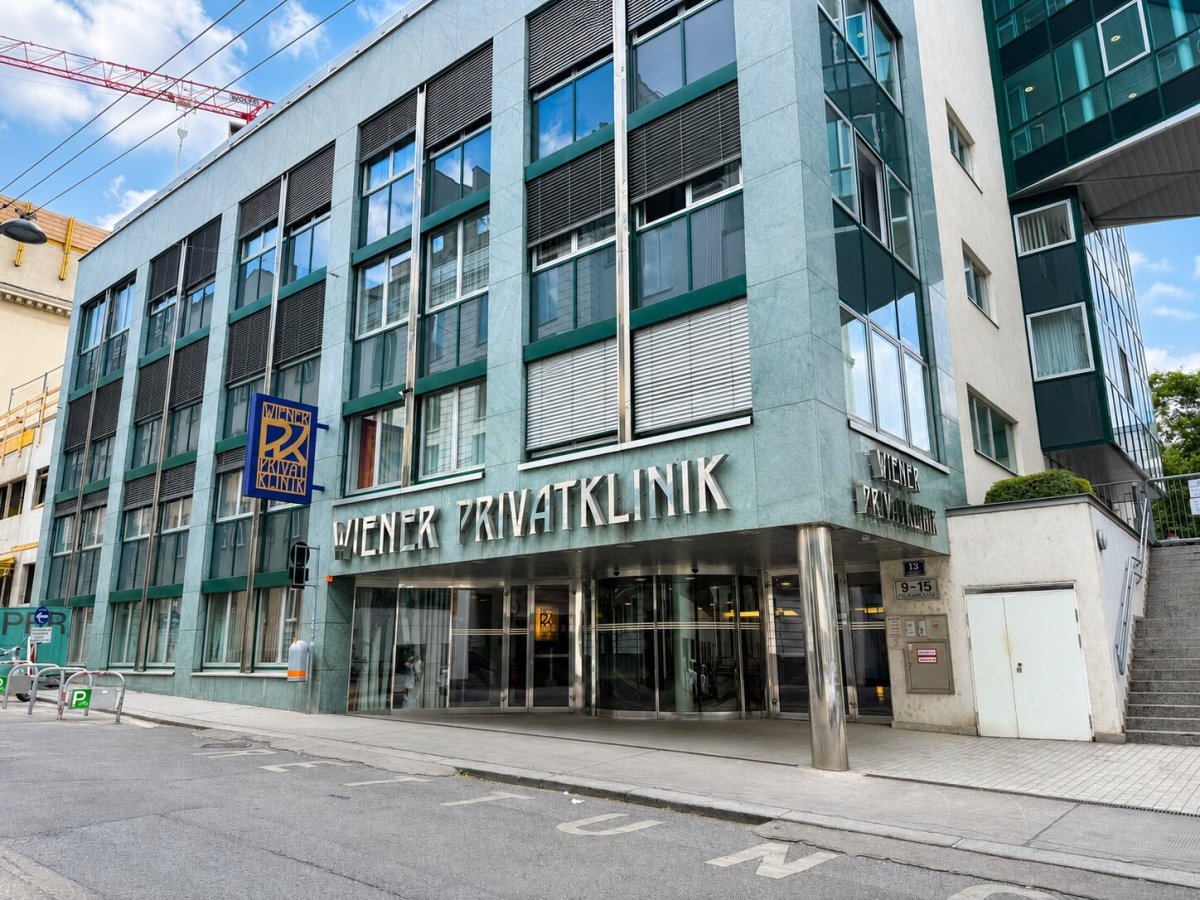
El Prof. Emeka Nkenke es un destacado cirujano oral y maxilofacial, especializado en reconstrucción de mandíbula y cirugía craneofacial en la Wiener Privatklinik.
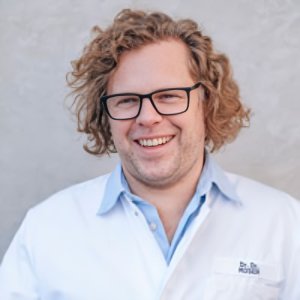
  • Doble titulación en medicina y odontología por la Universidad de Erlangen-Nürnberg
  • Profesor y catedrático de la Universidad de Medicina de Viena
  • Experto en cirugía asistida por ordenador e ingeniería de tejidos
  • Especializado en resultados funcionales y estéticos en cirugía reconstructiva

Compartir contenido

Historias en video de pacientes de Bookimed

Dayana
Combiné mis vacaciones en Antalya con un chequeo médico.
Procedimiento: Chequeo femenino
Igor
¡Fue genial! Traslados, alojamiento, tratamiento, todo incluido.
Procedimiento: Implante dental
Clínica: WestDent Clinic
Marina
Bookimed se encargó de todo. No tuve que preocuparme por nada.
Procedimiento: Chequeo femenino
Actualizado: 05/27/2022
Escrito por
Olena Sikoza
Olena Sikoza
Сopywriter en español
Copywriter médica certificada responsable del contenido en español de Bookimed. Más de 7 años de experiencia en redacción sobre salud y turismo médico, con formación académica en edición científica y desarrollo de contenidos.
Fahad Mawlood
Editor médico y Científico de datos
Médico general. Ganador de 4 premios científicos. Sirvió en Asia Occidental. Es el ex jefe del equipo médico que soporta a pacientes de habla árabe. Ahora es responsable del procesamiento de datos y la precisión del contenido médico.
Fahad Mawlood Linkedin
Esta página puede incluir información relacionada con diversas afecciones médicas, tratamientos y servicios de salud disponibles en diferentes países. Tenga en cuenta que el contenido se proporciona sólo con fines informativos y no debe interpretarse como asesoramiento médico o orientación. Por favor consulte con su médico o con un profesional médico calificado antes de comenzar o cambiar el tratamiento médico.

Preguntas frecuentes sobre el tratamiento de Quiste de mandíbula en Austria

Estas preguntas frecuentes provienen de pacientes reales que buscan atención médica a través de Bookimed. Las respuestas son proporcionadas por coordinadores médicos experimentados y representantes autorizados de las clínicas.

What surgical methods are used for jaw cyst removal in Austria?

Austrian maxillofacial surgeons remove jaw cysts using enucleation, decompression, and endoscopic-assisted techniques. Specialists in Vienna employ minimally invasive methods to extract cyst sacs while preserving bone and nerves. Procedures often incorporate reconstruction using bone substitutes to ensure structural integrity and rapid recovery.

  • Standard enucleation: Surgeons extract small cyst sacs entirely through minor gum incisions.
  • Two-stage decompression: Large cysts are drained to shrink before final surgical removal.
  • Marsupialization technique: Creating a permanent pouch allows the cyst to reduce over months.
  • Endoscopic navigation: Endoscopes provide high precision for cysts located near sensitive facial nerves.
  • Radical resection: Aggressive cysts may require bone removal followed by microvascular reconstruction.

Bookimed Expert Insight: The strongest quality signal in Austria is the presence of university-affiliated professors at private facilities. For instance, Wiener Privatklinik features clinicians like Dr. Werner Millesi and Dr. Emeka Nkenke. Both serve as professors at the Medical University of Vienna. Their deep academic background in tissue engineering and jaw reconstruction suggests a high level of expertise for complex, recurring cysts.

Patient Consensus: Patients note it's important to confirm the cyst type via CT scans before surgery. They mention recovery typically takes 14 days and emphasize eating soft foods during healing.

What are the main risks of jaw-cyst surgery?

Jaw cyst surgery risks include temporary nerve numbness, infection, and damage to adjacent tooth roots. Surgeons in Austria minimize these through 3D planning and computer-assisted technologies. Rare complications include jaw fractures for large cysts or sinus openings during upper jaw procedures.

  • Nerve injury: Inferior alveolar nerve damage may cause temporary chin or lip numbness.
  • Tooth vitality: Proximity to roots may require root canals or extraction post-surgery.
  • Cyst recurrence: Rates reach 30% for specific types like odontogenic keratocysts.
  • Sinus complications: Maxillary cysts risk creating unintended openings into the sinus cavity.

Bookimed Expert Insight: Advanced centers like Wiener Privatklinik utilize virtual surgical planning to map nerve pathways before the first incision. This technology is vital for complex reconstructions involving microsurgical tissue transfer. Selecting surgeons like Dr. Werner Millesi, who pioneered facial nerve repair techniques, significantly reduces the likelihood of long-term sensory loss.

Patient Consensus: Patients note that swelling and jaw stiffness often peak around two weeks after surgery. Many emphasize that a surgeon’s specific experience with complex cysts matters more than general clinic reputation.

What does the recovery and after-care process involve?

Recovery from jaw cyst removal in Austria involves a structured two-week healing phase. Specialized surgeons perform enucleation or marsupialization to protect nerves and bone. Patients typically return to a soft diet within 7 days. Most centers provide dedicated post-operative monitoring and specialist follow-up care.

  • Dietary plan: Stick to liquid or soft foods for 1 to 2 weeks.
  • Wound hygiene: Start daily saltwater rinses from the second day to prevent infection.
  • Physical activity: Avoid gym sessions or heavy lifting for at least 14 days.
  • Healing timeline: Swelling usually peaks by day 5 and nerves heal within 4 months.
  • Symptom management: Apply ice packs for 48 hours then switch to warm compresses.

Bookimed Expert Insight: Patients in Austria benefit from surgeons like Dr. Werner Millesi and Dr. Emeka Nkenke at Wiener Privatklinik. These specialists are professors at the Medical University of Vienna. Their academic background is vital because they use computer-assisted planning to avoid nerve damage. This precision often shortens the period of post-operative numbness compared to standard techniques.

Patient Consensus: Patients emphasize stocking up on protein shakes and ice packs before the procedure. They recommend booking follow-up appointments on the day of surgery to ensure prompt bone monitoring.

How do I identify a high-quality Austrian clinic for jaw-cyst treatment?

High-quality Austrian clinics for jaw-cyst treatment are identified by their specialized oral and maxillofacial surgery (OMFS) departments. Select facilities with Newsweek World Best Hospital rankings or ISO certification. Prioritize dual-qualified surgeons holding medical and dental degrees who utilize 3D virtual surgical planning.

  • Specialist qualification: Surgeons should be board-certified in mouth, jaw, and facial surgery.
  • Advanced diagnostics: Top centers use cone-beam CT (CBCT) for precise 3D cyst assessment.
  • Institutional affiliation: Look for professors linked to the Medical University of Vienna.
  • Facility accreditation: Verify ISO 9001 standards or Newsweek rankings for clinical safety.

Bookimed Expert Insight: Data shows that premier facilities like Wiener Privatklinik often recruit department heads from major university hospitals. Dr. Werner Millesi and Dr. Emeka Nkenke are prime examples. Their academic links ensure access to innovative microsurgical techniques that general clinics rarely offer. This institutional crossover is a key indicator of surgical precision.

Patient Consensus: Patients emphasize choosing surgeons who openly discuss nerve proximity using 3D imaging. They note that follow-up protocols and the surgeon's willingness to show previous case imaging are vital signs of a reliable clinic.

Pedir una consulta gratis

Seleccione la mejor manera de contactarle