Quiste renal en Austria: clínicas verificadas para su tratamiento


Revisado médicamente por
Fahad Mawlood
Cómo funciona
¿Cuál es el precio del diagnóstico y los tratamientos de Quiste renal en Austria? Descubra ahora
Descubra las mejores clínicas de tratamiento de Quiste renal en Austria: 2 opciones verificadas y Precios




Compartir contenido
Historias en video de pacientes de Bookimed
 Olena Sikoza
Preguntas frecuentes sobre el tratamiento de Quiste renal en Austria
¿Cuándo se vuelve peligroso un quiste renal o requiere tratamiento?
Un quiste renal se vuelve peligroso si presenta características estructurales complejas o causa complicaciones físicas. Los especialistas utilizan la clasificación de Bosniak para evaluar el riesgo de desarrollar cáncer. La intervención quirúrgica para los quistes de clase III y IV es crucial para la supervivencia en el 50-90% de los casos debido al potencial de transformación maligna.
- Bosniak IIF: Las anomalías menores requieren vigilancia periódica mediante imágenes por razones de seguridad.
- Síntomas físicos: Dolor intenso, fiebre o hematuria visible indican la necesidad de una evaluación médica urgente.
- Obstrucción: Los quistes grandes que bloquean el flujo de orina pueden causar un agrandamiento doloroso de los riñones.
- Signos complejos: Las paredes gruesas o los nódulos densos indican un alto riesgo de desarrollar cáncer.
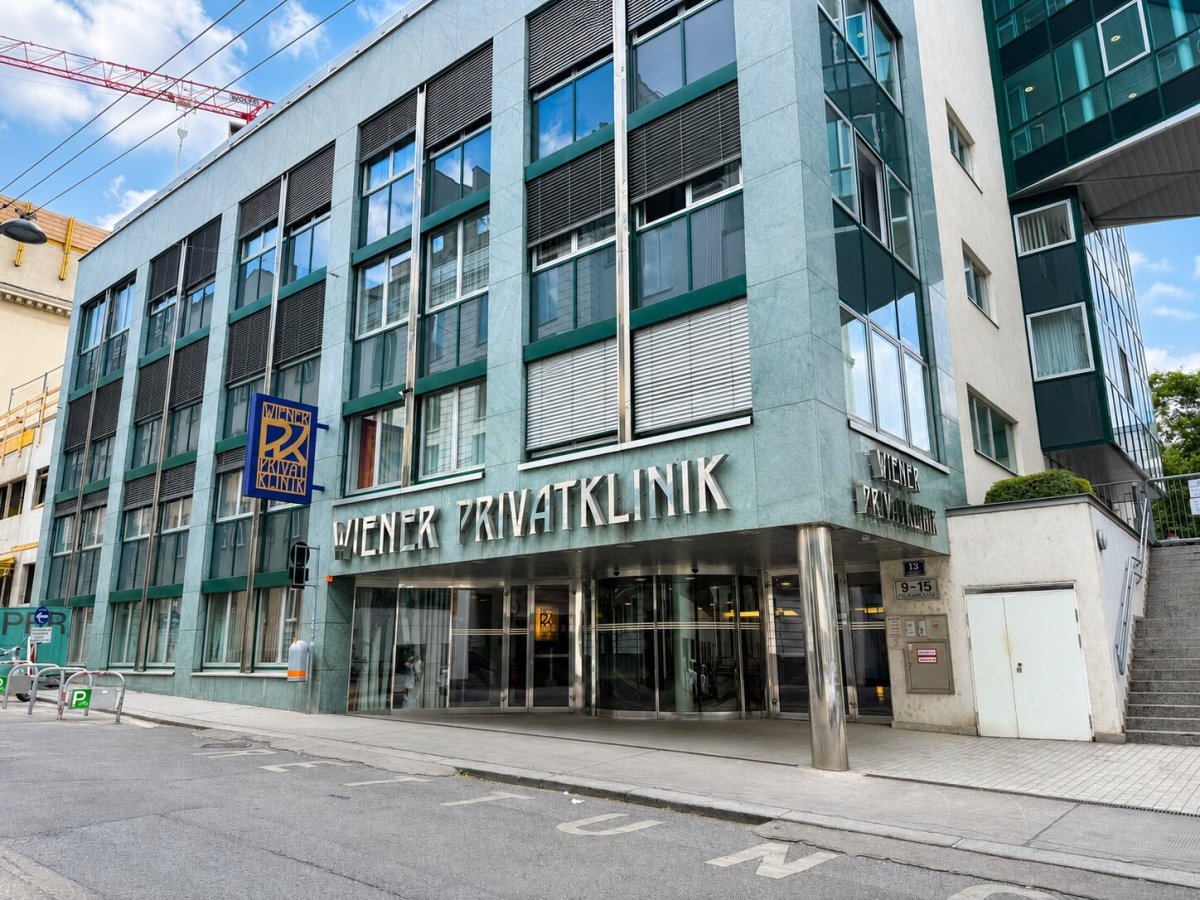
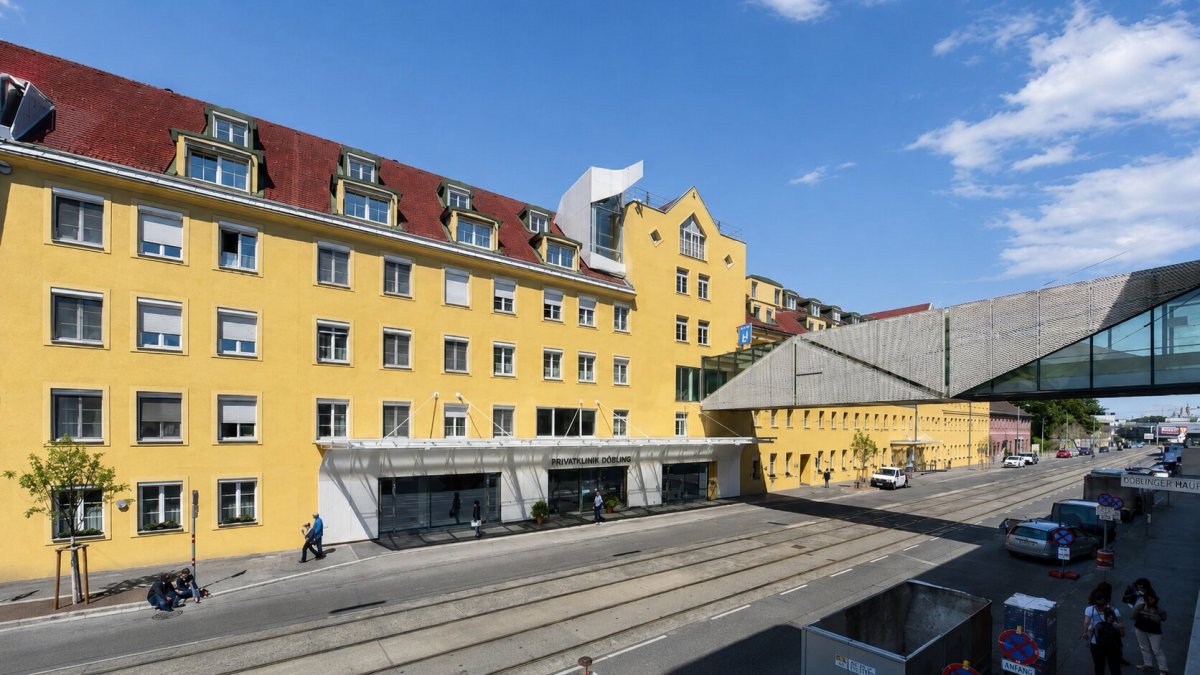
Experiencia de Bookimed: Centros especializados en Viena, como la Wiener Privatklinik y el Hospital Privado Döbling, cuentan con un gran número de expertos académicos de la Universidad Médica de Viena. Los datos muestran que estas instituciones privadas priorizan el análisis interdisciplinario de casos complejos según la clasificación Bosniak III. Este alto nivel de especialización permite realizar cirugías conservadoras de órganos. Esta precisión ayuda a preservar al máximo la función renal al tiempo que se extirpa
¿Cuáles son los principales métodos de tratamiento para los quistes renales en Austria?
En Austria, el tratamiento de los quistes renales se basa en la clasificación de Bosniak. Los quistes simples suelen requerir únicamente observación. Los quistes sintomáticos o de gran tamaño se tratan mediante aspiración percutánea o decorticación laparoscópica. Los quistes complejos pueden requerir extirpación quirúrgica en centros oncológicos especializados para eliminar el riesgo de transformación maligna.
- Vigilancia activa: Las ecografías o las tomografías computarizadas periódicas permiten monitorizar los quistes bosnios simples y asintomáticos de tipos I y II.
- Escleroterapia: Los médicos drenan el líquido e inyectan alcohol para evitar que los quistes sintomáticos se vuelvan a llenar.
- Decorticación laparoscópica: Los cirujanos extirpan la pared del quiste a través de pequeñas incisiones para lograr un alivio permanente de los síntomas.
- Nefrectomía parcial: Se extirpan quirúrgicamente los quistes malignos o complejos, preservando el tejido renal sano.
Opinión de expertos de Bookimed: Los pacientes que buscan atención médica en Viena se benefician de una alta concentración de expertos académicos. En la Wiener Privatklinik, muchos de los más de 400 médicos son también profesores de la Universidad Médica de Viena. Esto garantiza que incluso el drenaje rutinario de quistes se realice de acuerdo con las últimas investigaciones quirúrgica
¿Es dolorosa la cirugía para extirpar un quiste renal y cuánto tiempo dura la recuperación?
La extirpación de quistes renales en Austria suele realizarse con mínimo dolor, ya que los cirujanos utilizan técnicas laparoscópicas. Los pacientes generalmente controlan las molestias con medicamentos convencionales. La recuperación completa en casos complejos tarda de 3 a 4 semanas. La mayoría de los pacientes retoman actividades ligeras en 10 a 12 días.
- Estancia hospitalaria: Para cirugías laparoscópicas en hospitales vieneses, se prevé una estancia hospitalaria de 1 a 2 noches.
- Control del dolor: En la mayoría de los casos, los pacientes pasan de la medicación intravenosa para el dolor a la medicación oral en un plazo de 2 días.
- Actividad física: Se recomienda comenzar la tarde después de la cirugía con un paseo tranquilo para mejorar la digestión.
- Restricciones para levantar objetos pesados: Los pacientes deben evitar levantar objetos que pesen más de 4,5 kg durante al menos 4 semanas.
Opinión de expertos de Bookimed: Los datos de instituciones médicas austriacas líderes, como Wiener Privatklinik y el Hospital Privado Döbling, demuestran un énfasis en la excelencia académica. Muchos cirujanos de estas instituciones son profesores de la Universidad Médica de Viena. Este alto nivel de especialización contribuye a que las tasas de complicaciones reportadas sean significativamente inferiores al promedio mundial.
Opinión d
¿Todos los quistes renales requieren tratamiento?
En la mayoría de los casos, los quistes renales no requieren tratamiento. Los quistes simples suelen observarse si no causan síntomas ni deterioro funcional. La cirugía está indicada para quistes complejos con paredes irregulares o quistes simples sintomáticos. El tratamiento se hace necesario si el quiste causa dolor persistente, infección u obstrucción.
- Quistes simples: Estos sacos benignos llenos de líquido generalmente requieren un seguimiento regular en lugar de cirugía.
- Factores sintomáticos que provocan una exacerbación: El tratamiento está indicado para el dolor crónico, la obstrucción del tracto urinario o el sangrado recurrente.
- Clasificación de Bosniak: Los expertos utilizan esta escala para evaluar el riesgo de transformación maligna de los quistes complejos.
- Diagnóstico moderno: Clínicas como la Wiener Privatklinik ofrecen servicios especializados en los campos de la oncología y el diagnóstico por imagen.
Opinión de expertos de Bookimed: Si bien muchas instituciones médicas ofrecen drenaje básico, elegir centros como el Hospital Privado Döbling en Viena ofrece una ventaja en cuanto a seguridad. Sus tasas de complicaciones reportadas son significativamente menores de lo esperado. Esto es crucial para la descrofección laparoscópica, donde la precisión previene la recurrencia del quiste y protege el tejido renal circundante.
¿En qué lugar de Austria puedo recibir tratamiento para un quiste renal?
En Austria, el tratamiento de los quistes renales se ofrece en clínicas privadas especializadas y en los principales hospitales universitarios de Viena, Graz, Linz e Innsbruck. Instituciones como la Wiener Privatklinik y el Hospital Privado Döbling ofrecen servicios de diagnóstico avanzados, así como cirugías laparoscópicas mínimamente invasivas y escleroterapia guiada por ultrasonido, realizadas por urólogos certificados y profesores universitarios.
- Capacidades especializadas: El Hospital Privado Döbling atiende anualmente a más de 16.000 pacientes internacionales y nacionales.
- Acceso a expertos: Wiener Privatklinik coordina los tratamientos con más de 400 médicos y profesores afiliados a universidades.
- Normas de seguridad: Las clínicas austriacas cuentan con la certificación ISO e implementan los objetivos internacionales de seguridad del paciente de la JCI.
- Técnicas mínimamente invasivas: Los cirujanos utilizan técnicas laparoscópicas mínimamente invasivas y asistencia robótica para extirpar quistes complejos.
Opinión de expertos de Bookimed: Si bien los hospitales universitarios realizan un gran número de intervenciones quirúrgicas, las clínicas privadas de Viena ofrecen una clara ventaja para los pacientes internacionales. Estas instituciones brindan acceso directo a destacados profesores universitarios, sin las listas de espera típi