Quiste renal en España: las 8 mejores clínicas para su tratamiento


Revisado médicamente por
Fahad Mawlood
Cómo funciona
¿Cuál es el precio del diagnóstico y los tratamientos de Quiste renal en España? Descubra ahora
Descubra las mejores clínicas de tratamiento de Quiste renal en España: 8 opciones verificadas y Precios










Hospital Sant Joan de Déu Barcelona








Obtenga una evaluación médica de tratamiento de Quiste renal en España: haga una consulta con 6 médicos experimentados ahora
Ver todos los médicos
Josep Torremade Barreda
El Dr. Torremade Barreda dirige el Departamento de Andrología en el Centro Médico Teknon, con una amplia experiencia en urología y medicina reproductiva.
- Residencia y práctica en el Hospital Universitario de Bellvitge
- Jefe de Andrología en el Hospital Clínic de Barcelona
- Miembro del Comité Europeo de Medicina Sexual
- Profesor asociado de Andrología Clínica

Antonio Alcaraz Asensio
El doctor es un urólogo y uro-oncólogo altamente distinguido, especializado en tratamientos quirúrgicos complejos para el cáncer de próstata, riñón y vejiga. Con una amplia experiencia en cirugía robótica y laparoscópica, el doctor ha sido fundamental en el avance de las técnicas urológicas mínimamente invasivas, incluida la implementación del sistema robótico Da Vinci. Actualmente, el doctor dirige el Departamento de Urología en el Centro Médico Teknon y es Jefe del Departamento de Urología

Navarro Vilches
Formado en el Memorial Sloan-Kettering Cancer Centre de Nueva York, el Dr. Vilches está especializado en cirugía renal avanzada en Quirónsalud Marbella.
- Jefe de la Unidad de Urología de Quirónsalud Marbella desde 2019
- Cofundador del Instituto de Cirugía Urológica de Málaga
- Miembro de la Unidad de Trasplante Renal del Hospital Carlos Haya
- Autor de múltiples artículos sobre patologías urológicas
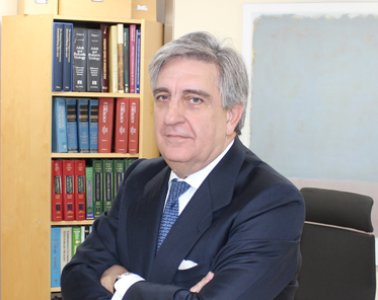
Antonio Allona
El Dr. Antonio Allona es director de la Unidad de Urología del Hospital Ruber Internacional (Madrid) desde 1993. Cuenta con más de 40 años de experiencia en cáncer de próstata, urología reconstructiva y andrología. Es reconocido por la cirugía urológica compleja y los tratamientos oncológicos avanzados.
Trayectoria: Jefe de Urología y Andrología en Ruber Internacional. Urólogo sénior en el Hospital Universitario Ramón y Cajal (1981–2010). Especialista en el Centro Médico Teknon.
Compartir contenido
Historias en video de pacientes de Bookimed
 Olena Sikoza
Preguntas frecuentes sobre el tratamiento de Quiste renal en España
¿Requieren tratamiento activo todos los quistes renales encontrados durante exploraciones en España?
La mayoría de los quistes renales descubiertos durante exploraciones en España no requieren tratamiento activo. Los especialistas utilizan la clasificación de Bosniak para evaluar el riesgo de malignidad. Los quistes simples (Bosniak I-II) son inofensivos y rara vez necesitan intervención. El tratamiento se reserva para lesiones complejas o quistes grandes que causan dolor significativo.
- Bosniak I-II: Estos sacos benignos tienen una probabilidad cercana al 0% de ser cancerosos.
- Vigilancia activa: Las imágenes periódicas durante 5 años monitorean irregularidades menores en quistes IIF.
- Lesiones complejas: Las categorías Bosniak III y IV generalmente requieren cirugía robótica o laparoscópica.
- Alivio sintomático: Se utiliza drenaje percutáneo o cirugía si los quistes causan dolor en el flanco.
Perspectiva del experto de Bookimed: Aunque muchos creen que la atención urológica especializada solo se encuentra en Madrid, las clínicas de Barcelona como el Centro Médico Teknon y el Hospital HM Nou Delfos atienden a más de 400.000 pacientes al año. Estos centros a menudo ofrecen cirugías robotizadas para casos complejos de Bosniak IV. Este alto volumen permite técnicas de preservación de órganos que mantienen la función renal mientras se eliminan las lesiones sospechosas.
Consenso de los pacientes: Los pacientes señalan q
¿Cómo evalúan las clínicas españolas un quiste renal para descartar cáncer?
Las clínicas españolas identifican los riesgos de cáncer de riñón utilizando el Sistema de Clasificación de Bosniak. Los urólogos en centros como el Hospital HM Nou Delfos realizan ecografías iniciales. Si aparecen características complejas, verifican la vascularización con TC o RM con contraste multifásico. Estos protocolos de imagen distinguen los quistes benignos de las masas potencialmente malignas.
- Diagnóstico por imagen: La TC o RM con contraste identifica el suministro de sangre en las paredes quísticas.
- Categoría Bosniak: Los grados I y II son benignos y no requieren cirugía.
- Vigilancia activa: Los quistes de categoría IIF se someten a pruebas de imagen cada 6 a 12 meses.
- Protocolo de biopsia: Los cirujanos evitan las biopsias con aguja para prevenir la posible fuga de líquido maligno.
Perspectiva del experto de Bookimed: Los centros oncológicos españoles como Quironsalud Madrid y la Clínica Universidad de Navarra muestran un patrón claro de priorización de la cirugía conservadora de nefronas. Cuando un quiste alcanza el nivel Bosniak III o IV, estas instituciones prefieren sistemas robotizados para extirpar la lesión. Este enfoque se centra en preservar la parte sana del riñón en lugar de la extirpación total. El Hospital HM Nou Delfos informa que atiende a 400.000 pacientes al año, lo que demuestra el gran volumen necesario pa
¿Qué opciones de tratamiento avanzado están disponibles en España para quistes renales sintomáticos o complejos?
España ofrece tratamientos de alta precisión para quistes renales, incluyendo escleroterapia, decorticación laparoscópica y nefrectomía parcial asistida por robot. Los especialistas en Barcelona y Madrid priorizan técnicas que preservan el parénquima. La imagenología avanzada como la resonancia magnética multiparamétrica y el PET-CT guían estos procedimientos para asegurar la precisión en casos sintomáticos o casos complejos de Bosniak.
- Escleroterapia percutánea: Guiada por ultrasonido para aspirar líquido e inyectar agentes esclerosantes en quistes simples.
- Decorticación laparoscópica: Un enfoque quirúrgico mínimamente invasivo para eliminar la pared del quiste y prevenir la recurrencia.
- Nefrectomía parcial robótica: Escisión precisa para quistes de categoría Bosniak III o IV mientras se preserva el tejido sano.
- Terapias ablativas: Emplea calor o frío extremo para destruir células sospechosas dentro de las paredes de quistes complejos.
Opinión del experto de Bookimed: España se clasifica entre los 10 principales destinos mundiales para atención compleja porque sus centros líderes como el Centro Médico Teknon y el Hospital Quirón Barcelona integran la seguridad acreditada por la JCI con un volumen quirúrgico masivo. El Dr. Antonio Allona del Hospital Ruber Internacional aporta por sí solo más de 40 años de experiencia en casos urológico
¿Qué hospitales y especialistas en España son líderes reconocidos en el tratamiento de quistes renales?
España es un líder mundial en nefrología y urología. Clínicas como el Centro Médico Teknon y la Clínica Universidad de Navarra ofrecen atención avanzada para los quistes renales. Estas instalaciones utilizan cirugía asistida por robot y drenaje guiado por imagen. Especialistas expertos garantizan un manejo preciso tanto para condiciones genéticas simples como complejas.
- Rankings hospitalarios: La Clínica Universidad de Navarra cuenta con la acreditación de la Joint Commission International y está altamente clasificada por Newsweek.
- Tecnología quirúrgica: El Hospital Quirónsalud Madrid utiliza sistemas robóticos Da Vinci para la escisión precisa y mínimamente invasiva de quistes.
- Experiencia de expertos: El Dr. Antonio Allona del Hospital Ruber Internacional cuenta con más de 40 años de experiencia urológica.
- Liderazgo académico: El Dr. Javier Romero Otero dirige la investigación en urología en el Hospital Universitario HM Sanchinarro.
Perspectiva del experto de Bookimed: Los datos muestran que España es uno de los 7 principales destinos mundiales con 83 clínicas especializadas en atención compleja. Aunque muchos buscan centros de marca en Barcelona, el Hospital Universitario HM Sanchinarro y el Hospital HM Nou Delfos atienden a más de 400,000 pacientes al año cada uno. Estos centros de alto volumen a menudo brindan un acceso más inmedia