Quiste renal en Corea del Sur: las 8 mejores clínicas para su tratamiento


Revisado médicamente por
Fahad Mawlood
¿Cuál es el precio del diagnóstico y los tratamientos de Quiste renal en Corea del Sur? Descubra ahora
Sus beneficios y garantías con Bookimed
Precios directos
Bookimed no añade cargos extra a los precios de los tratamientos de Quiste renal. Las tarifas proceden de las listas de precios oficiales de las clínicas. Pagará directamente en la clínica por su tratamiento a su llegada al país.
Sólo clínicas y médicos verificados
Bookimed está comprometido con su seguridad. Solo trabajamos con las clínicas que mantienen altos estándares internacionales en el tratamiento de Quiste renal y cuentan con las licencias necesarias para atender a pacientes internacionales en todo el mundo.
Asistencia 24/7 gratuita
Bookimed ofrece asistencia experta gratuita. Un coordinador médico personal le apoya antes, durante y después de su tratamiento, resolviendo cualquier problema. Nunca estará solo en su viaje médico de tratamiento de Quiste renal.

Su coordinador médico personal de Bookimed
- Le apoya en cada etapa
- Ayuda a elegir la clínica y el médico adecuados
- Asegura un acceso rápido y conveniente a la información
Descubra las mejores clínicas de tratamiento de Quiste renal en Corea del Sur: 8 opciones verificadas y Precios
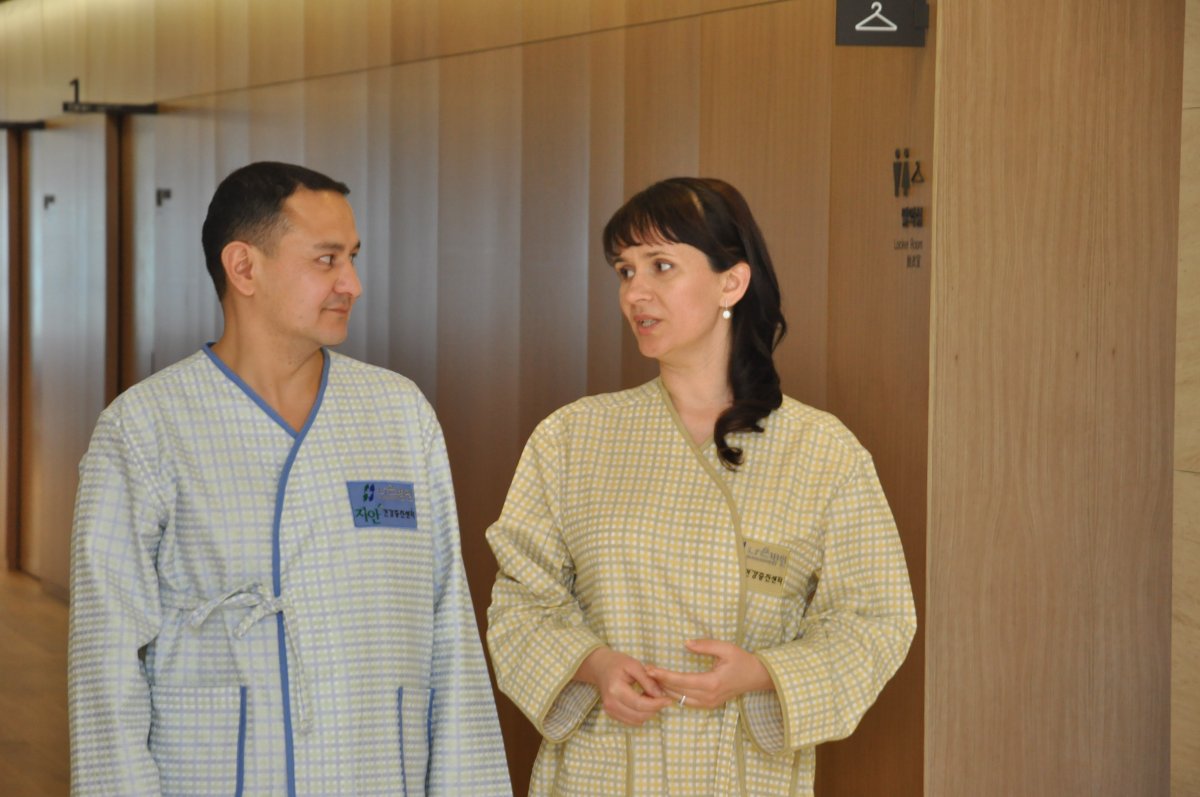















Hospital de mujeres MizMedi (MizMedi Women`s hospital)

Obtenga una evaluación médica para Quiste renal en Corea del Sur: consulte con doctores experimentados ahora
Ver todos los médicos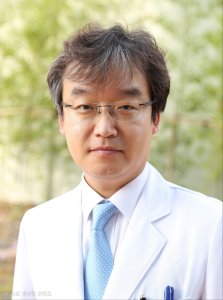
Sohn Dong-wan
El Dr. Son Dong-wan está especializado en oncología urológica, incontinencia urinaria y disfunción sexual. Realiza cirugía prostática con láser. Ofrece tratamiento robótico y laparoscópico para cáncer de próstata, vejiga, uréter y riñón. También trata la obstrucción de la unión pieloureteral.
Su práctica mínimamente invasiva incluye nefrectomía y prostatectomía laparoscópicas. Realiza resección transuretral de tumor vesical y resección transuretral de próstata por cistoscopia. Ofrece u
Compartir contenido
Historias en video de pacientes de Bookimed
 Olena Sikoza
Preguntas frecuentes sobre el tratamiento de Quiste renal en Corea del Sur
¿Cuáles son las opciones de tratamiento de quistes renales más comunes utilizadas en los mejores hospitales coreanos?
Los mejores hospitales coreanos priorizan los tratamientos mínimamente invasivos para los quistes renales, incluyendo la decorticación laparoscópica y la aspiración con escleroterapia. Centros como el Severance Hospital y el Asan Medical Center utilizan protocolos acreditados por la JCI. Estos métodos permiten una recuperación rápida mientras gestionan con precisión los quistes complejos clasificados según Bosniak.
- Cirugía laparoscópica: Los cirujanos extirpan la pared del quiste a través de tres pequeñas incisiones.
- Decorticación asistida por robot: Se utiliza instrumentación de alta precisión para quistes cercanos a estructuras sensibles.
- Escleroterapia: Los médicos drenan el líquido e inyectan alcohol para prevenir recurrencias.
- Vigilancia activa: La obtención de imágenes periódicas permite monitorear quistes simples que no causan síntomas.
Perspectiva del experto de Bookimed: Los datos muestran una clara distinción entre los centros académicos como el Hospital de la Universidad Nacional de Seúl y las clínicas especializadas. Los principales hospitales coreanos suelen gestionar más de 30.000 cirugías al año. Este alto volumen garantiza que los cirujanos sean excepcionalmente hábiles en reparaciones urogenitales asistidas por robot. Los pacientes deben verificar si su clínica utiliza un sistema digital de gestión de pacientes. Estos s
¿Cuándo se considera necesario el tratamiento para un quiste renal en Corea?
El tratamiento para un quiste renal en Corea del Sur es necesario cuando los puntos de referencia sugieren malignidad o síntomas graves. Los urólogos especializados suelen intervenir en quistes complejos clasificados como Bosniak III o IV. La intervención también es necesaria para quistes simples que causan dolor crónico, hematuria o disfunción renal obstructiva.
- Riesgo de malignidad: Los médicos priorizan la cirugía para quistes con componentes sólidos o paredes gruesas.
- Manejo de síntomas: El tratamiento comienza si los pacientes experimentan dolor persistente en el flanco o fiebres recurrentes.
- Impacto funcional: Los quistes grandes que causan presión en los órganos o deterioro de la función renal requieren drenaje.
- Complicaciones clínicas: La hemorragia, la infección o la formación de abscesos requieren una intervención quirúrgica mínimamente invasiva inmediata.
Perspectiva del experto de Bookimed: Los centros médicos coreanos como el Hospital de la Universidad Nacional de Seúl y el Centro Médico Asan a menudo favorecen los protocolos de espera vigilante para quistes simples. Nuestros datos muestran que estas instalaciones utilizan monitoreo digital avanzado para rastrear el crecimiento de los quistes a lo largo del tiempo. Muchos pacientes pueden evitar la cirugía porque los especialistas coreanos recomiendan frecuentemente el dren
¿Cuál es el riesgo esperado de recurrencia después del tratamiento?
El riesgo de recurrencia después del tratamiento de quistes renales en la República de Corea depende del tipo de procedimiento. La escleroterapia miniquirúrgica muestra una tasa de recurrencia del 20% al 30%. La decorticación laparoscópica proporciona una mayor estabilidad. Los centros coreanos reportan una recurrencia mínima para el manejo quirúrgico. Las imágenes de seguimiento generalmente se realizan cada 6 a 12 meses.
- Elección del procedimiento: La decorticación laparoscópica ofrece una recurrencia significativamente menor que la escleroterapia con aguja.
- Factores de la escleroterapia: La recurrencia a menudo ocurre dentro de los 6 meses si el tiempo de permanencia del etanol es insuficiente.
- Éxito quirúrgico: El Severance Hospital y el Asan Medical Center utilizan técnicas quirúrgicas mínimamente invasivas.
- Protocolo de imagen: Las ecografías o tomografías computarizadas a los 12 meses ayudan a detectar el rellenado temprano de líquido.
Perspectiva del experto de Bookimed: Aunque la escleroterapia es menos invasiva, los datos sugieren que puede requerir procedimientos repetidos. Los pacientes que eligen el Hospital de la Universidad Nacional de Seúl se benefician de sistemas altamente digitalizados que previenen errores. Urólogos expertos como el Dr. Lee Chun Yong priorizan la ablación completa de la pared del quiste. Elegir la de
¿Están los hospitales coreanos bien equipados para el cuidado especializado de enfermedades renales?
Los hospitales de Corea del Sur brindan atención de élite para enfermedades renales a través de centros especializados en las principales instituciones académicas. Las instalaciones utilizan sistemas robóticos da Vinci avanzados y laparoscopia para intervenciones precisas. Muchos cuentan con la acreditación de la Joint Commission International, lo que garantiza que los estándares clínicos se alineen con los protocolos de seguridad globales.
- Especialización experta: El Dr. Lee Chun Yong es un experto reconocido en urología y trastornos de la micción.
- Credenciales avanzadas: El Asan Medical Center informa una tasa de éxito del 90% en procedimientos de trasplante de órganos.
- Infraestructura digital: El Hospital de la Universidad Nacional de Seúl ha mantenido registros de pacientes totalmente digitales desde 2004.
- Capacidad de alto volumen: Los principales centros como el Severance Hospital tratan a más de 1,6 millones de pacientes ambulatorios al año.
Perspectiva del experto de Bookimed: El volumen de pacientes es un indicador fiable de la experiencia en Corea. El Asan Medical Center y el Hospital de la Universidad Nacional de Seúl gestionan juntos más de 20.000 pacientes diarios. Esta alta frecuencia permite a los cirujanos perfeccionar técnicas para quistes renales complejos y afecciones renales raras más rápidamente que en regiones con
¿Cuánto tiempo necesitaré permanecer en Corea para un procedimiento de quiste renal?
Los pacientes suelen permanecer en la República de Corea de 10 a 14 días para procedimientos de quistes renales. Los tratamientos laparoscópicos mínimamente invasivos a menudo requieren de 1 a 4 noches de hospitalización. La autorización para viajar suele seguir a un chequeo postoperatorio 10 días después del procedimiento para garantizar una recuperación segura.
- Estancia hospitalaria: Espere de 1 a 4 noches para cirugías estándar de extirpación de quistes por laparoscopia.
- Preparación preoperatoria: Llegue 1 o 2 días antes para pruebas de diagnóstico por imagen y análisis de sangre.
- Seguimiento postoperatorio: Los cirujanos programan chequeos esenciales aproximadamente 10 días después del procedimiento.
- Reanudación de actividades: La mayoría de los pacientes retoman actividades ligeras poco antes de su partida definitiva.
Perspectiva de expertos de Bookimed: Los centros líderes de Seúl, como el Asan Medical Center y el Severance Hospital, gestionan volúmenes masivos de pacientes, atendiendo a más de 1,5 millones de pacientes ambulatorios al año. Esta alta intensidad significa que los seguimientos postquirúrgicos están estrictamente programados. Los pacientes deben reservar vuelos de regreso flexibles porque los mejores especialistas, incluidos aquellos con más de 30 años de experiencia, a menudo requieren un escaneo final para confirma
¿Qué medidas de estilo de vida recomiendan los médicos coreanos después de un tratamiento de quistes?
Los médicos coreanos recomiendan restricciones físicas específicas y protocolos de monitoreo después del tratamiento de quistes renales. Los pacientes deben priorizar la hidratación y evitar el ejercicio extenuante durante 4 a 6 semanas. Seguir estas pautas ayuda a asegurar que el riñón sane adecuadamente y previene complicaciones como sangrado o recurrencia.
- Actividad física: Evite levantar objetos pesados y realizar esfuerzos abdominales durante 4 a 6 semanas.
- Cuidado de la herida: Mantenga la zona seca y evite saunas o baños calientes durante la recuperación.
- Hidratación: Mantenga una ingesta constante de agua para apoyar la función renal, especialmente después del drenaje del quiste.
- Monitoreo médico: Programe una ecografía o tomografía computarizada de seguimiento dentro de 1 a 2 meses.
Perspectiva del experto de Bookimed: Los datos de centros de primer nivel en Seúl, como el Asan Medical Center y el Severance Hospital, muestran un enfoque en el seguimiento digital. Estas instalaciones utilizan sistemas electrónicos avanzados para monitorear los hitos de recuperación del paciente de forma remota. Este enfoque de alta tecnología garantiza que cualquier cambio postoperatorio se identifique antes de que se convierta en un problema grave.
Consenso de los pacientes: Los pacientes señalan que es importante estar a