Quiste renal en India: las 11 mejores clínicas para su tratamiento


Revisado médicamente por
Fahad Mawlood
¿Cuál es el precio del diagnóstico y los tratamientos de Quiste renal en India? Descubra ahora
Sus beneficios y garantías con Bookimed
Precios directos
Bookimed no añade cargos extra a los precios de los tratamientos de Quiste renal. Las tarifas proceden de las listas de precios oficiales de las clínicas. Pagará directamente en la clínica por su tratamiento a su llegada al país.
Sólo clínicas y médicos verificados
Bookimed está comprometido con su seguridad. Solo trabajamos con las clínicas que mantienen altos estándares internacionales en el tratamiento de Quiste renal y cuentan con las licencias necesarias para atender a pacientes internacionales en todo el mundo.
Asistencia 24/7 gratuita
Bookimed ofrece asistencia experta gratuita. Un coordinador médico personal le apoya antes, durante y después de su tratamiento, resolviendo cualquier problema. Nunca estará solo en su viaje médico de tratamiento de Quiste renal.

Su coordinador médico personal de Bookimed
- Le apoya en cada etapa
- Ayuda a elegir la clínica y el médico adecuados
- Asegura un acceso rápido y conveniente a la información
Descubra las mejores clínicas de tratamiento de Quiste renal en India: 11 opciones verificadas y Precios














Dr. Rela Institute & Medical Centre

Hospital Indraprastha Apollo
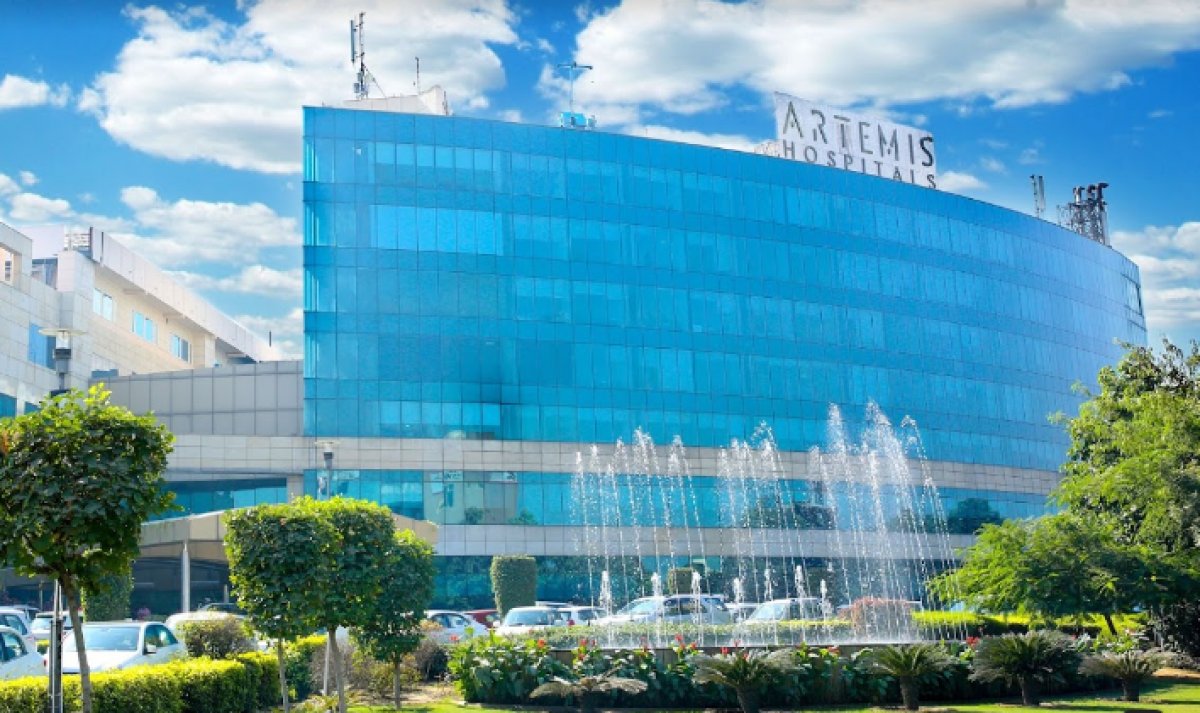
Artemis Hospital Gurgaon

Aarvy Healthcare Super Speciality Hospital
Compartir contenido
Historias en video de pacientes de Bookimed
 Olena Sikoza
Preguntas frecuentes sobre el tratamiento de Quiste renal en India
¿Todos los quistes renales requieren tratamiento?
La mayoría de los quistes renales son inofensivos y no requieren tratamiento. Los quistes simples son sacos llenos de líquido comunes que rara vez causan síntomas. La intervención médica solo es necesaria si un quiste crece mucho, causa dolor, se infecta o muestra características complejas sospechosas de malignidad durante las pruebas de diagnóstico por imagen.
- Quistes simples: Sacos lisos de paredes delgadas que generalmente solo requieren un control ecográfico periódico.
- Quistes complejos: Formas irregulares o paredes gruesas que requieren una evaluación mediante el sistema de clasificación de Bosniak.
- Desencadenantes de síntomas: El tratamiento comienza si los quistes causan dolor de espalda, presión arterial alta o hematuria.
- Opciones quirúrgicas: La escleroterapia mínimamente invasiva o la cirugía laparoscópica eliminan los quistes grandes o problemáticos.
Perspectiva del experto de Bookimed: India se ha convertido en un centro mundial para la atención renal, ocupando el tercer lugar en nuestra red en cuanto a solicitudes de pacientes. Centros como el Global Hospital Chennai y el Apollo Hospital Indraprastha atienden a más de 1.000.000 de pacientes al año. Aunque muchos pacientes se preocupan por los hallazgos incidentales, estos grandes centros informan que los laboratorios de diagnóstico de alto volumen a menudo evitan cirugías i
¿Qué síntomas indican que un quiste renal requiere intervención médica?
Los quistes renales requieren intervención médica cuando causan dolor persistente en el flanco, sangre visible en la orina o fiebre recurrente. Aunque los quistes simples suelen ser asintomáticos, los quistes grandes o complejos pueden obstruir el flujo urinario. Estos casos requieren una evaluación especializada en centros acreditados como Artemis Hospitals o Manipal Hospitals.
- Dolor persistente: Los dolores sordos o agudos en el flanco a menudo indican una ruptura del quiste o compresión del órgano.
- Cambios urinarios: La sangre en la orina o la orina de color té sugieren una fuga o ruptura del quiste.
- Infección sistémica: La fiebre alta y los escalofríos pueden indicar un quiste infectado que requiere drenaje inmediato.
- Hipertensión: Puede aparecer una nueva presión arterial alta si un quiste comprime el tejido renal.
- Características complejas: Los quistes con paredes gruesas o partes sólidas en las tomografías computarizadas requieren una revisión quirúrgica.
Perspectiva del experto de Bookimed: Los datos sobre el volumen de pacientes sugieren que las principales instalaciones indias, como Apollo Hospitals y Global Hospital Chennai, gestionan más de 1.000.000 de pacientes al año. Estos centros de alta capacidad a menudo combinan diagnósticos avanzados, como aceleradores lineales con una precisión de 1 mm, co
¿Qué tamaño de quiste renal se considera peligroso?
Los quistes renales generalmente se consideran peligrosos cuando superan los 5 centímetros o muestran rasgos estructurales complejos. Los quistes simples llenos de líquido suelen ser benignos. Sin embargo, el tamaño combinado con paredes gruesas, calcificaciones o componentes sólidos aumenta significativamente el riesgo de malignidad o daño orgánico.
- Umbral de tamaño: Los quistes de más de 5 centímetros pueden causar dolor, ruptura u obstrucción urinaria.
- Riesgo de malignidad: Los quistes de categoría Bosniak III y IV requieren extirpación quirúrgica debido al riesgo de cáncer.
- Complicaciones físicas: Los quistes grandes pueden causar infecciones, fiebre y sangre en la orina.
- Función renal: La presión extrema de los quistes masivos puede provocar la pérdida de tejido localizado.
Perspectiva del experto de Bookimed: Las señales de calidad para el tratamiento renal en la India son excepcionalmente altas en los centros especializados. Los hospitales Manipal y el Apollo Hospital Indraprastha atienden a más de 1.000.000 de pacientes al año cada uno. Este alto volumen garantiza que los cirujanos se enfrenten a diario a casos complejos de Bosniak. El Global Hospital Chennai realizó el primer trasplante combinado de corazón y riñón en la India. Esta profundidad de experiencia es vital para los quistes que requieren una cirugía robótica o mínima
¿Qué tratamientos no quirúrgicos existen para los quistes renales?
Los tratamientos no quirúrgicos para los quistes renales incluyen la vigilancia activa, la aspiración percutánea y la escleroterapia. Los médicos utilizan imágenes como tomografías computarizadas o ecografías para realizar un seguimiento de los quistes simples. Si aparecen síntomas, los especialistas realizan una aspiración con aguja para drenar el líquido. La escleroterapia evita que el quiste se vuelva a llenar al cicatrizar el tejido.
- Vigilancia activa: Los quistes simples a menudo requieren ecografías o tomografías periódicas sin intervención.
- Aspiración con aguja: Los radiólogos intervencionistas drenan el líquido bajo anestesia local como un procedimiento ambulatorio.
- Escleroterapia: La inyección de una solución a base de alcohol en el saco vacío evita la reacumulación de líquido.
- Medicamentos sistémicos: Los médicos pueden recetar tolvaptán para ralentizar el crecimiento de los quistes en afecciones genéticas.
Perspectiva de expertos de Bookimed: El análisis de la infraestructura clínica en la India muestra una alta concentración de departamentos especializados, como los más de 60 departamentos de los hospitales Manipal. Esto permite una consulta cruzada fluida entre nefrólogos y radiólogos intervencionistas para la aspiración. Centros como el Dr. Rela Institute utilizan tomografías por emisión de positrones (PET-CT) para diferen
¿Cuándo es necesaria la cirugía y cómo se realiza en la India?
La cirugía para quistes renales en la India es necesaria si un quiste se vuelve sintomático, causando dolor crónico, infección u obstrucción. Los especialistas recomiendan la intervención cuando las imágenes revelan características complejas o un crecimiento rápido. Los hospitales indios utilizan principalmente la laparoscopia mínimamente invasiva para extirpar la pared del quiste y prevenir la recurrencia.
- Indicaciones quirúrgicas: Los quistes grandes que causan dolor persistente, hipertensión o bloqueos del tracto urinario requieren extirpación.
- Complejidad diagnóstica: Los quistes complejos que muestran paredes irregulares o calcificaciones en las tomografías PET-CT requieren exploración quirúrgica.
- Técnica quirúrgica: El destechamiento (deroofing) laparoscópico es el estándar, utilizando pequeñas incisiones para una recuperación física más rápida.
- Estándares de las instalaciones: Los procedimientos se realizan en centros acreditados por la JCI como Apollo o Artemis utilizando sistemas robóticos.
Perspectiva del experto de Bookimed: Aunque muchos piensan que las grandes instalaciones son idénticas, nuestros datos muestran que centros especializados como el Global Hospital Chennai y Mumbai lideran en casos renales complejos. Fueron pioneros en trasplantes combinados de corazón-riñón y riñón-hígado. Esta experiencia de alto volumen en