Quiste renal en Lituania: clínicas verificadas para su tratamiento


Revisado médicamente por
Fahad Mawlood
¿Cuál es el precio del diagnóstico y los tratamientos de Quiste renal en Lituania? Descubra ahora
Sus beneficios y garantías con Bookimed
Precios directos
Bookimed no añade cargos extra a los precios de los tratamientos de Quiste renal. Las tarifas proceden de las listas de precios oficiales de las clínicas. Pagará directamente en la clínica por su tratamiento a su llegada al país.
Sólo clínicas y médicos verificados
Bookimed está comprometido con su seguridad. Solo trabajamos con las clínicas que mantienen altos estándares internacionales en el tratamiento de Quiste renal y cuentan con las licencias necesarias para atender a pacientes internacionales en todo el mundo.
Asistencia 24/7 gratuita
Bookimed ofrece asistencia experta gratuita. Un coordinador médico personal le apoya antes, durante y después de su tratamiento, resolviendo cualquier problema. Nunca estará solo en su viaje médico de tratamiento de Quiste renal.

Su coordinador médico personal de Bookimed
- Le apoya en cada etapa
- Ayuda a elegir la clínica y el médico adecuados
- Asegura un acceso rápido y conveniente a la información
Descubra las mejores clínicas de tratamiento de Quiste renal en Lituania: 2 opciones verificadas y Precios



Compartir contenido
Historias en video de pacientes de Bookimed
 Olena Sikoza
Preguntas frecuentes sobre el tratamiento de Quiste renal en Lituania
¿Todos los quistes renales requieren cirugía o tratamiento?
La mayoría de los quistes renales son quistes simples benignos que no requieren cirugía ni tratamiento médico. La intervención solo es necesaria si un quiste causa dolor persistente, bloquea el flujo de orina o se infecta. Los quistes complejos con estructuras irregulares pueden requerir extirpación quirúrgica para descartar malignidad.
- Quistes simples asintomáticos: Estos sacos llenos de líquido generalmente permanecen estables y solo requieren un control periódico.
- Drenaje mínimamente invasivo: La aspiración con escleroterapia utiliza una aguja para drenar el líquido y evitar que se vuelva a llenar.
- Extirpación laparoscópica de quistes: Los cirujanos utilizan pequeñas incisiones para extirpar el tejido de la pared en quistes grandes o recurrentes.
- Clasificación de Bosniak: Los médicos utilizan este sistema de clasificación para identificar quistes complejos que necesitan intervención quirúrgica activa.
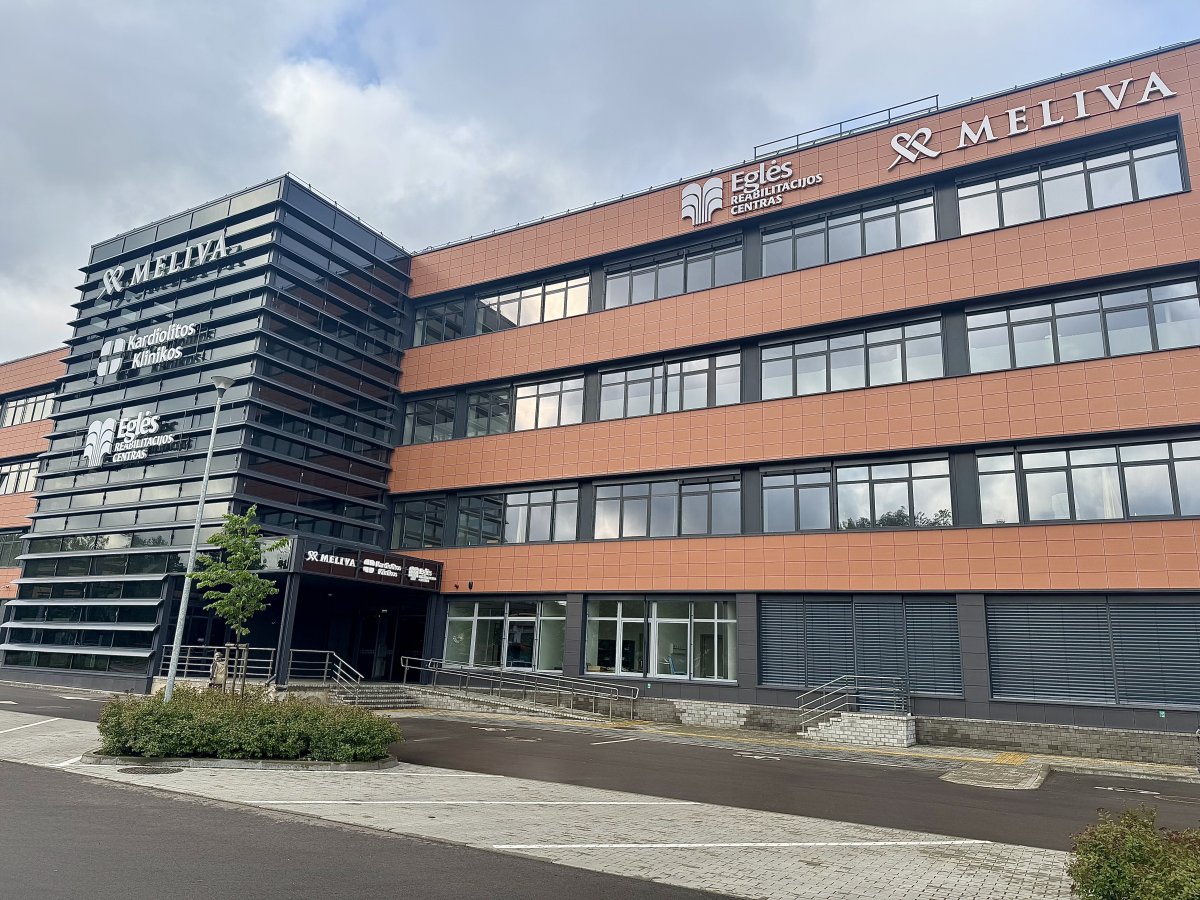
Perspectiva de expertos de Bookimed: Aunque Lituania es un destino médico más pequeño, sus instalaciones privadas como el Hospital Meliva Kardiolita y el Centro de Diagnóstico y Tratamiento Médico mantienen altos estándares de seguridad con la acreditación JCI. Los datos muestran que estos centros manejan volúmenes masivos, con Meliva Kardiolita tratando a 298,000 pacientes anualmente. Para los quistes renales, estas clínicas de alto vo
¿Cuáles son los principales procedimientos utilizados para tratar los quistes renales sintomáticos en Lituania?
Los urólogos lituanos tratan los quistes renales sintomáticos mediante aspiración percutánea con escleroterapia y decorticación laparoscópica de quistes. Centros como el Hospital Meliva Kardiolita siguen las directrices urológicas europeas. Estos procedimientos abordan los quistes que causan dolor en el flanco u obstrucción urinaria. La selección depende de la clasificación de Bosniak y del tamaño del quiste.
- Procedimiento de aspiración: Los cirujanos utilizan guía ecográfica para drenar el líquido a través de una aguja fina.
- Adición de escleroterapia: Los médicos inyectan un agente esclerosante para evitar que el quiste se vuelva a llenar.
- Decorticación laparoscópica: Los cirujanos extirpan la pared del quiste a través de tres pequeñas incisiones abdominales o en el flanco.
- Estancia hospitalaria: Las opciones quirúrgicas suelen requerir un período de recuperación hospitalaria de 1 a 3 días.
Perspectiva del experto de Bookimed: Los datos sugieren que los centros privados en Vilna, como el Hospital Meliva Kardiolita y el Centro de Diagnóstico y Tratamiento Médico, gestionan grandes volúmenes de pacientes. En conjunto, atienden a más de 340.000 pacientes al año. Aunque existen clínicas más pequeñas, estos centros acreditados por la JCI son la opción principal para los pacientes internacionales. Ofrecen una densidad de más de 700 especiali
¿Se utiliza la clasificación internacional de Bosniak en Lituania para evaluar las lesiones quísticas renales?
Los centros médicos lituanos utilizan la clasificación internacional de Bosniak como herramienta de diagnóstico estándar para las lesiones quísticas renales. Los radiólogos en instalaciones como el Hospital Universitario de Vilna Santaros Klinikos emplean este sistema. Estratifica el riesgo de malignidad y guía las decisiones quirúrgicas o de seguimiento para los pacientes.
- Informes estandarizados: Los radiólogos proporcionan un lenguaje común para que los urólogos aseguren un tratamiento consistente.
- Imágenes avanzadas: Los especialistas aplican los criterios de Bosniak tanto a los hallazgos de TC como de RM en Lituania.
- Estratificación de riesgo: Los clínicos separan las lesiones benignas de aquellas que requieren monitoreo o intervención quirúrgica.
- Guía quirúrgica: Las categorías 3 y 4 generalmente desencadenan discusiones sobre cirugía o biopsia.
Perspectiva del experto de Bookimed: El volumen de pacientes en centros privados lituanos como el Hospital Meliva Kardiolita alcanza los 298,000 anuales. Este alto flujo sugiere que los protocolos de diagnóstico deben estar estrictamente estandarizados. Si bien los hospitales públicos lideran la investigación, las instalaciones privadas acreditadas por la JCI a menudo brindan un acceso más rápido a las imágenes con contraste necesarias para una estadificación precisa de Bosniak.
¿Cómo se gestionan de forma no quirúrgica los pacientes con poliquistosis renal genética (PKD) en Lituania?
Los nefrólogos lituanos gestionan la poliquistosis renal genética (PKD) mediante farmacoterapia dirigida y un estricto control cardiovascular. Los pacientes de alto riesgo reciben Tolvaptán para inhibir la expansión de los quistes. Centros especializados como el Hospital Meliva Kardiolita y el Centro Médico de Diagnóstico y Tratamiento proporcionan el diagnóstico necesario. El tratamiento se centra en preservar la función renal.
- Terapia dirigida: Los antagonistas de los receptores V2 de vasopresina ralentizan la acumulación de líquido en los quistes en adultos de alto riesgo.
- Presión arterial: Los médicos priorizan los inhibidores del SRAA, como los inhibidores de la ECA, para una estricta protección vascular.
- Protocolos dietéticos: Los pacientes siguen una ingesta elevada de líquidos y una restricción estricta de sodio de menos de 6 g diarios.
- Gestión de infecciones: Los especialistas utilizan antibióticos lipofílicos para penetrar las paredes de los quistes en caso de infecciones del tracto urinario.
Perspectiva del experto de Bookimed: Mientras que los centros universitarios manejan protocolos complejos de fármacos modificadores de la enfermedad, las instalaciones privadas como el Centro Médico de Diagnóstico y Tratamiento destacan en el seguimiento frecuente que requiere la PKD. Observamos que 1 de cada 10 pacientes en este centro p
¿Qué clínicas lituanas tienen experiencia en el tratamiento de pacientes internacionales de urología?
Lituania ofrece atención urológica avanzada en centros acreditados por la JCI, como el Hospital Meliva Kardiolita y el Centro de Diagnóstico y Tratamiento Médico. Estas clínicas se especializan en tratamientos mínimamente invasivos para quistes renales. Ofrecen equipos de habla inglesa, diagnósticos rápidos y gestores personalizados para pacientes internacionales de Europa y América del Norte.
- Centros acreditados: Meliva Kardiolita es el primer hospital báltico con acreditación JCI.
- Urólogos especializados: El Prof. Dr. Balys Dainys cuenta con más de 30 años de experiencia en urología.
- Velocidad de diagnóstico: Hila (Centro de Diagnóstico y Tratamiento Médico) completa las pruebas de detección en 24 horas.
- Volumen de pacientes: El Hospital Meliva Kardiolita trata a aproximadamente 298.000 pacientes cada año.
Perspectiva del experto de Bookimed: Los datos revelan una diferencia significativa en el volumen de pacientes y la escala de personal entre las principales clínicas. Meliva Kardiolita emplea a más de 510 médicos en 33 departamentos. Este alto volumen a menudo permite realizar procedimientos especializados con mayor frecuencia, como la decorticación laparoscópica. Hila se centra en la eficiencia con su protocolo de diagnóstico de 1 día. Esto lo hace ideal si necesita una segunda opinión rápida sobre un quiste complejo.
¿Por qué los turistas médicos eligen Lituania para el tratamiento de quistes renales?
Los turistas médicos viajan a Lituania para el tratamiento de quistes renales debido a las instalaciones médicas con estándares de la UE y la atención urológica especializada. Centros como el Hospital Meliva Kardiolita y el Medical Diagnostic and Treatment Center ofrecen ablación laparoscópica mínimamente invasiva y escleroterapia guiada por ultrasonido. Los pacientes se benefician de tiempos de espera significativamente más cortos en comparación con el Reino Unido o Escandinavia.
- Estándares de calidad: Las instalaciones cuentan con acreditaciones JCI y Temos que garantizan protocolos de alta seguridad para el paciente.
- Experiencia especializada: Las clínicas emplean a más de 700 médicos en múltiples departamentos en Vilna.
- Logística eficiente: Los pacientes pueden programar estudios de diagnóstico por imagen y consultas con especialistas en cuestión de días.
- Tecnologías de tratamiento: Los centros utilizan resonancia magnética de alta resolución y técnicas laparoscópicas para la extirpación precisa de quistes.
Perspectiva del experto de Bookimed: Lituania funciona como un centro de diagnóstico de alta eficiencia donde la velocidad es la principal ventaja. El Medical Diagnostic and Treatment Center trata a 48 000 pacientes hospitalarios al año, con un 10 % proveniente del extranjero. Este alto volumen de casos internacionales significa