Schwannoma Tratamiento en Austria — Costos 2026


Revisado médicamente por
Fahad Mawlood
¿Cuál es el precio del diagnóstico y los tratamientos de Schwannoma en Austria? Descubra ahora
Sus beneficios y garantías con Bookimed
Precios directos
Bookimed no añade cargos extra a los precios de los tratamientos de Schwannoma. Las tarifas proceden de las listas de precios oficiales de las clínicas. Pagará directamente en la clínica por su tratamiento a su llegada al país.
Sólo clínicas y médicos verificados
Bookimed está comprometido con su seguridad. Solo trabajamos con las clínicas que mantienen altos estándares internacionales en el tratamiento de Schwannoma y cuentan con las licencias necesarias para atender a pacientes internacionales en todo el mundo.
Asistencia 24/7 gratuita
Bookimed ofrece asistencia experta gratuita. Un coordinador médico personal le apoya antes, durante y después de su tratamiento, resolviendo cualquier problema. Nunca estará solo en su viaje médico de tratamiento de Schwannoma.

Su coordinador médico personal de Bookimed
- Le apoya en cada etapa
- Ayuda a elegir la clínica y el médico adecuados
- Asegura un acceso rápido y conveniente a la información
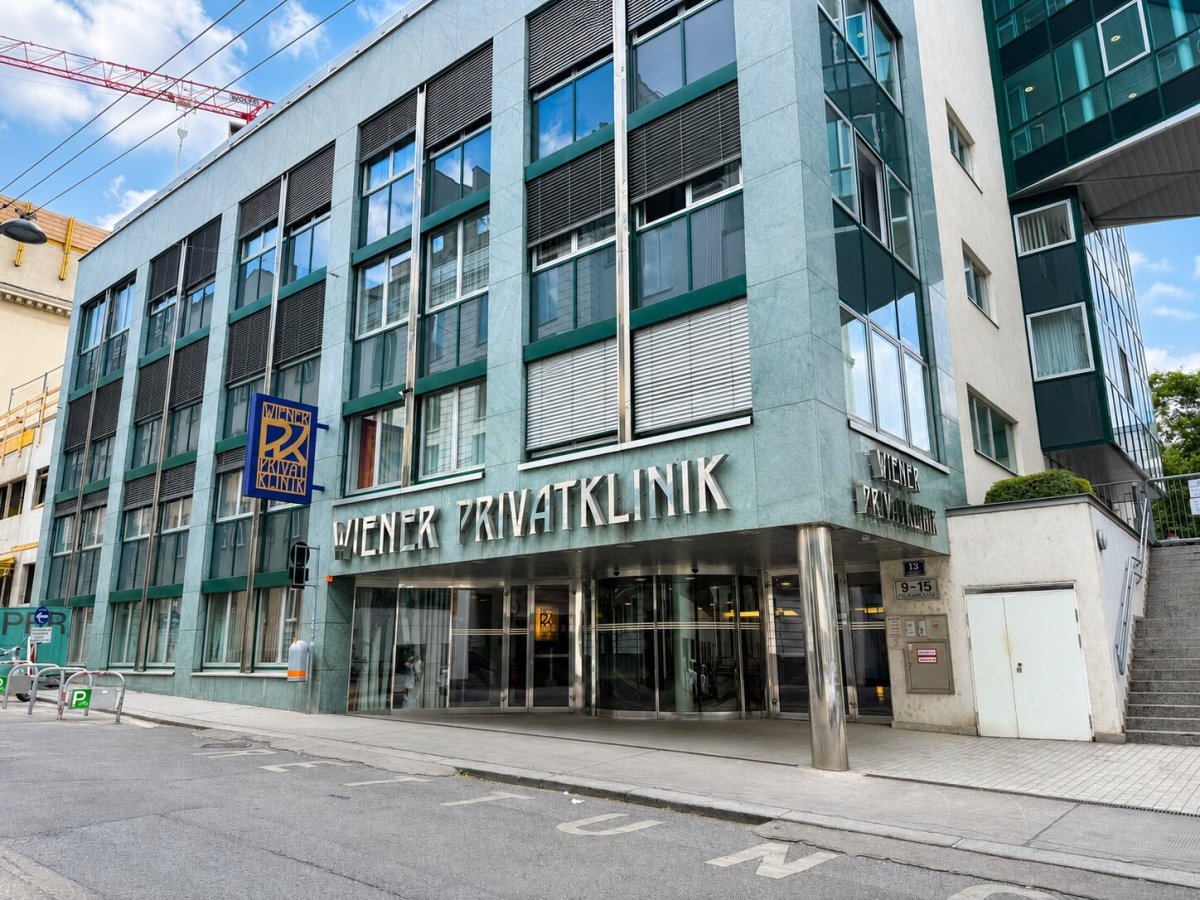
Descubra las mejores clínicas de tratamiento de Schwannoma en Austria: 1 opciones verificadas y Precios




Compartir contenido
Historias en video de pacientes de Bookimed
 Olena Sikoza
Preguntas frecuentes sobre el tratamiento de Schwannoma en Austria
¿Cuáles son los principales métodos de tratamiento para el schwannoma que se utilizan en Austria?
Los neurocirujanos austriacos tratan los schwannomas mediante monitorización activa, microcirugía y radioterapia dirigida. Clínicas como la Wiener Privatklinik se adhieren a los estándares de la Asociación Europea de Neurooncología. Estos protocolos priorizan la preservación nerviosa y el control tumoral a largo plazo. Los médicos utilizan monitorización neurofisiológica intraoperatoria para proteger la función facial y motora durante la extirpación del tumor.
- Seguimiento activo: Los médicos realizan un seguimiento de los tumores pequeños y asintomáticos mediante resonancias magnéticas de alta resolución periódicas.
- Resección microquirúrgica: Los cirujanos utilizan microscopios para extirpar tumores que causan compresión nerviosa o dolor.
- Radioterapia: La radiocirugía estereotáctica se utiliza para tratar tumores de tamaño mediano o en casos con alto riesgo quirúrgico.
- Protección nerviosa: Los especialistas utilizan la monitorización en tiempo real para garantizar la integridad de los nervios craneales y periféricos.
Opinión de expertos de Bookimed: Los pacientes que buscan atención especializada deben tener en cuenta que la Clínica Privada de Viena colabora con profesores de la Universidad Médica de Viena. Esta colaboración facilita el acceso a neurocirujanos altamente cualificados, que a menudo se especializan en la localización de tumo
¿Puede reaparecer un schwannoma después del tratamiento en Austria?
La recidiva del schwannoma en Austria es posible, pero sigue siendo poco frecuente tras la resección total del tumor. La mayoría de los centros neuroquirúrgicos austriacos reportan una tasa de éxito del 95 % en la extirpación completa del tumor. El éxito depende de la exclusión de la cápsula tumoral y de las técnicas quirúrgicas precisas empleadas en centros oncológicos especializados.
- Profundidad de la resección: La extirpación completa de la cápsula tumoral reduce el riesgo de recurrencia a menos del 5%.
- Tejido residual: Dejar pequeños fragmentos para proteger los nervios puede propiciar la regeneración del tejido posterior.
- Protocolo de monitorización: Los especialistas austriacos utilizan la monitorización mediante resonancia magnética durante 5 a 15 años después de la cirugía.
- Opciones de tratamiento adicionales: en caso de recaída, se utiliza radiocirugía con bisturí gamma o microcirugía repetida.
Opinión experta de Bookimed: El tratamiento de alta calidad para el schwannoma en Viena suele estar asociado a vínculos académicos. En la Clínica Privada de Viena, muchos médicos son también profesores de la Universidad Médica de Viena. Esto garantiza que los pacientes reciban un tratamiento basado en las últimas investigaciones neurológicas y protocolos quirúrgicos. Los centros médicos que cumplen con las normas ISO y figuran en la clasif
¿Cómo protegen los cirujanos austriacos el nervio facial y la función auditiva?
Los cirujanos austriacos protegen el nervio facial y la función auditiva mediante monitorización neurofisiológica intraoperatoria y precisión microquirúrgica. Utilizan nimodipino de forma profiláctica para prevenir vasoespasmos. La electromiografía en tiempo real y los potenciales evocados auditivos en el tronco encefálico alertan a los equipos sobre la irritación nerviosa. Estos protocolos garantizan la extirpación segura del tumor, preservando al mismo tiempo mecanismos neurológicos esenciales.
- Neuromonitorización: La electromiografía continua registra las contracciones de los músculos faciales durante la disección del tumor.
- Protección farmacológica: la nimodipina y los sustitutos del plasma mantienen el flujo sanguíneo microvascular hacia los nervios.
- Abordaje quirúrgico: Cuando se utilizan técnicas basadas en el acceso a través de la fosa craneal media, se da prioridad a las lesiones pequeñas y localizadas.
- Resección funcional: Los cirujanos dejan fragmentos tumorales adyacentes para prevenir la parálisis irreversible del nervio facial.
Opinión de expertos de Bookimed: Los indicadores de calidad en Austria suelen estar determinados por los vínculos académicos. Muchos especialistas de la Clínica Privada de Viena son también profesores de la Universidad Médica de Viena. Esto garantiza que los pacientes reciban un tratamiento basado en
¿Qué hospitales de Austria se consideran líderes en el tratamiento del schwannoma?
Entre los principales hospitales austriacos para el tratamiento de los schwannomas se encuentran el Hospital Privado de Viena (Wiener Privatklinik) y el Hospital General de Viena (AKH Wien). Estos centros se especializan en la extirpación microquirúrgica de tumores y en procedimientos de la base del cráneo. Utilizan sistemas avanzados de monitorización intraoperatoria para proteger la función nerviosa y garantizar altas tasas de éxito quirúrgico en Viena.
- Clínica Privada de Viena: Este centro médico con certificación ISO está especializado en schwannomas de los nervios periféricos y la base del cráneo.
- Hospital General de Viena: El Departamento de Neurocirugía trata los schwannomas vestibulares complejos con la ayuda de equipos interdisciplinarios.
- Diagnóstico avanzado: los centros austriacos utilizan neuroimágenes de alta resolución para mapear con precisión los tumores antes de la cirugía.
- Radioterapia: MedAustron ofrece terapia de protones e iones de carbono de alta precisión para el tratamiento de tumores craneales profundos.
Opinión experta de Bookimed: La Clínica Privada de Viena destaca por contar con un equipo de más de 400 médicos, entre ellos profesores de la Universidad Médica de Viena. Esta estructura permite a los pacientes acceder a la experiencia académica en un entorno de clínica privada. Su calificación de 4,7 estrellas r
¿Qué deben esperar los pacientes durante el período de recuperación y rehabilitación posterior al tratamiento?
La recuperación tras el tratamiento de un schwannoma en Austria suele seguir un programa estructurado de 12 meses. Los centros austriacos, como la Wiener Privatklinik, priorizan la estabilidad médica durante la primera semana. A esto le siguen tres meses de rehabilitación subaguda destinada a restaurar el sistema nervioso. La recuperación funcional completa suele producirse en el plazo de un año.
- Seguimiento inicial: se controlan las constantes vitales y la cicatrización de la herida durante 7 días clínicos.
- Terapia funcional: La fisioterapia especializada o la terapia vestibular comienzan alrededor de la segunda semana de recuperación.
- Remodelación tisular: Las cicatrices internas profundas y los tejidos nerviosos continúan madurando durante 12 meses.
- Seguimiento clínico: Los profesionales de los centros con certificación ISO suelen programar exámenes de seguimiento durante el primer año.
Opinión de expertos de Bookimed: La recuperación de los pacientes en Viena se beneficia de la singular estructura organizativa de los hospitales privados. Muchos médicos de la Clínica Privada de Viena son también profesores de la Universidad Médica de Viena. Esto garantiza que los planes de rehabilitación postoperatoria incorporen las últimas investigaciones científicas en regeneración nerviosa. Los pacientes suelen recibir una atención más personalizad