Tratamiento de Siringomielia en Austria — obtenga 3 coincidencias personalizadas de clínicas


Revisado médicamente por
Fahad Mawlood
Cómo funciona
¿Cuál es el precio del diagnóstico y los tratamientos de Siringomielia en Austria? Descubra ahora
Descubra las mejores clínicas de tratamiento de Siringomielia en Austria: 2 opciones verificadas y Precios





Clínica Privada Leech
Compartir contenido
Historias en video de pacientes de Bookimed
 Olena Sikoza
Preguntas frecuentes sobre el tratamiento de Siringomielia en Austria
¿Qué clínicas y neurocirujanos en Austria se especializan en siringomielia?
En Austria, el tratamiento de la siringomielia se realiza en importantes centros neuroquirúrgicos como la Clínica Privada de Viena y el Hospital Universitario de Viena (AKH Wien). Cirujanos especialistas, entre ellos el profesor Manfred Mühlbauer, utilizan técnicas de descompresión microquirúrgica. Estas instituciones cuentan con la certificación ISO y se centran en restablecer el flujo del líquido cefalorraquídeo mediante técnicas modernas de diagnóstico por imagen.
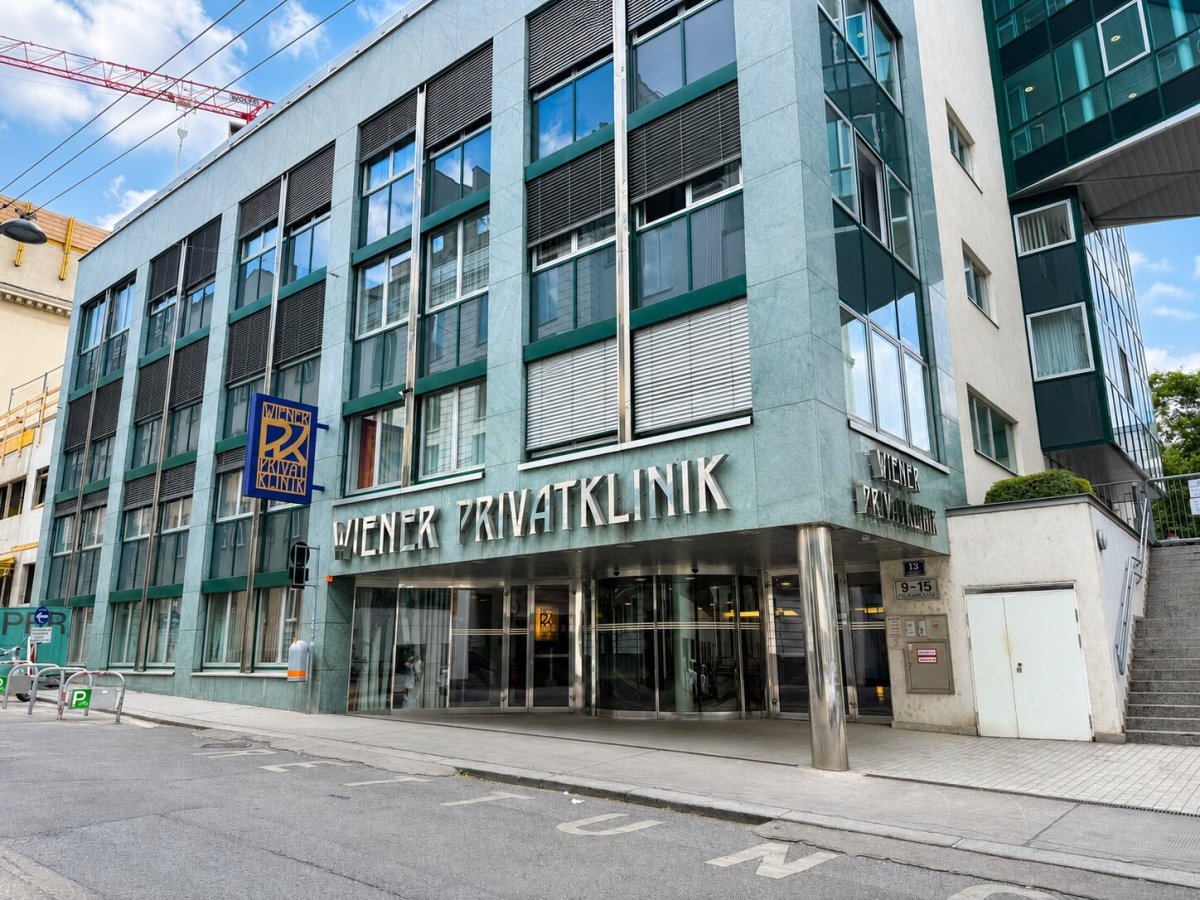
- Servicios especializados: La Clínica Privada de Viena (Wiener Privatklinik) ofrece métodos modernos de reconstrucción microquirúrgica de nervios.
- Experto destacado: El Prof. Dr. Manfred Mühlbauer cuenta con más de 40 años de experiencia especializada.
- Diagnóstico moderno: La clínica privada Leech ofrece servicios de diagnóstico por resonancia magnética (RM) y tomografía computarizada (TC) de alta precisión.
- Especialización en cirugía: Médicos como el profesor Bernhard Sutter tratan enfermedades del sistema nervioso central.
Los expertos de Bookimed recomiendan: Los pacientes que buscan tratamiento en Austria deben priorizar las clínicas con estrechos vínculos con universidades. Los especialistas de la Wiener Privatklinik suelen ser profesores de la Universidad Médica de Viena, lo que garantiza el acceso a la investigación científica. Los grandes centros con más de 30 departam
¿Qué herramientas de diagnóstico avanzadas se utilizan en Austria para evaluar la siringomielia?
Los neurocirujanos austriacos utilizan resonancia magnética de alta resolución con campos magnéticos de 3T y 7T para evaluar la siringomielia. Estos métodos permiten detectar pliegues aracnoideos mínimos y edema presiringomielítico. Los especialistas también emplean resonancia magnética cine con contraste de fase para visualizar el flujo del líquido cefalorraquídeo, lo que permite detectar con precisión obstrucciones en el foramen magno.
- Resonancia magnética con contraste de fase: Permite mapear el movimiento de fluidos y detectar movimientos pulsátiles dentro de la siringomielia.
- Imágenes con contraste: El contraste con gadolinio ayuda a diferenciar la siringomielia de los tumores espinales microscópicos.
- Análisis volumétrico: Un software 3D computarizado realiza un seguimiento de la relación volumétrica precisa entre la siringomielia y la médula espinal para guiar la intervención quirúrgica.
- Examen electrofisiológico: la electromiografía (EMG) permite evaluar el daño a las neuronas motoras y los trastornos funcionales del sistema nervioso.
Opinión experta de Bookimed: La calidad de los diagnósticos en Austria depende de la afiliación a un hospital especializado. Los médicos de la Wiener Privatklinik suelen ser profesores de la Universidad Médica de Viena. Estos médicos tratan casos complejos utilizando protocolos de imagen de nivel acad
¿Cuáles son los principales tratamientos quirúrgicos para la siringomielia disponibles en Austria?
Los neurocirujanos austriacos tratan la siringomielia restableciendo el flujo normal del líquido cefalorraquídeo para aliviar la presión sobre la médula espinal. Los procedimientos estándar incluyen la descompresión de la fosa posterior, la eliminación quirúrgica de obstrucciones y la cirugía de derivación para la siringomielia. Centros especializados en Viena y Graz realizan estas intervenciones utilizando técnicas microquirúrgicas avanzadas.
- Descompresión de la fosa posterior: Los cirujanos extirpan hueso de la base del cráneo para tratar las malformaciones de Chiari.
- Eliminación de obstrucciones: Los médicos realizan una resección tumoral o una adhesiolisis para eliminar las obstrucciones en los vasos sanguíneos.
- Derivaciones para siringomielia: Las derivaciones drenan el exceso de líquido hacia el abdomen o el tórax si persisten las causas subyacentes.
- Cirugía de liberación de la médula espinal: Un procedimiento microquirúrgico que separa la médula espinal del tejido circundante para restablecer el flujo de fluidos.
Opinión experta de Bookimed: La clínica privada Wiener Privatklinik cuenta con profesores de la Universidad Médica de Viena. Estos especialistas suelen tratar casos complejos en los que cirugías previas han resultado ineficaces. Esta sólida formación académica es crucial, ya que los resultados positivos de las pruebas de i
¿Es siempre necesaria la cirugía o es aceptable el tratamiento conservador?
La intervención quirúrgica para la siringomielia no siempre es necesaria. El tratamiento conservador es la opción preferida inicialmente para los casos estables o leves. En Austria, los médicos priorizan la observación cuando la siringomielia es leve y los síntomas permanecen sin cambios. El deterioro neurológico progresivo o los problemas estructurales generalmente requieren intervención quirúrgica.
- Observación asintomática: En casos de siringomielitis leve, a menudo se realizan resonancias magnéticas periódicas y observación clínica.
- Control de los síntomas: El tratamiento conservador tiene como objetivo aliviar el dolor y evitar los factores físicos específicos que desencadenan su aparición.
- Principales razones: La cirugía es la prioridad en casos de malformaciones de Chiari, síndrome de médula anclada o lesiones medulares.
- Signos de progresión de la enfermedad: Los cirujanos intervienen cuando aparecen debilidad en los brazos, cambios en la forma de caminar o problemas para tragar.
Opinión de expertos de Bookimed: Elegir una clínica como Vienna Privatklinik brinda acceso a más de 400 médicos, incluyendo numerosos profesores universitarios. Esta sólida formación académica es crucial, ya que el tratamiento de la siringomielia suele requerir el consenso de neurólogos y neurocirujanos. En Austria, antes de recomendar procedimientos invasi
¿Cómo es el periodo de recuperación postoperatoria?
La recuperación tras la cirugía de siringomielia en Austria implica un proceso en varias etapas, que comienza con la estabilización clínica y finaliza con la recuperación neurológica a largo plazo. Los pacientes suelen someterse a una descompresión o a la colocación de una derivación en centros especializados como la Clínica Privada de Viena. El periodo inicial de recuperación, que incluye la movilidad básica y el control del dolor, dura de 1 a 2 semanas.
- Estabilización inmediata: Se controlan las constantes vitales y los niveles de oxígeno durante 72 horas después de la cirugía.
- Cicatrización de la herida: Los apósitos quirúrgicos se cambian después de 48 horas para garantizar el cuidado adecuado de la incisión.
- Restricciones físicas: Se debe evitar agacharse y levantar objetos que pesen más de 4,5 kg durante 6 semanas.
- Mejora neurológica: La alteración sensorial significativa tras la descompresión puede tardar varios meses en estabilizarse.
Opinión experta de Bookimed: Las avanzadas capacidades de diagnóstico de clínicas como el Hospital Privado Lich en Graz ayudan a monitorizar los cambios en la siringomielia tras la cirugía. Los datos muestran que, si bien es posible trabajar en un escritorio durante dos semanas, la fatiga neurológica suele retrasar la reincorporación laboral completa. Los centros austriacos priorizan el seguimiento a