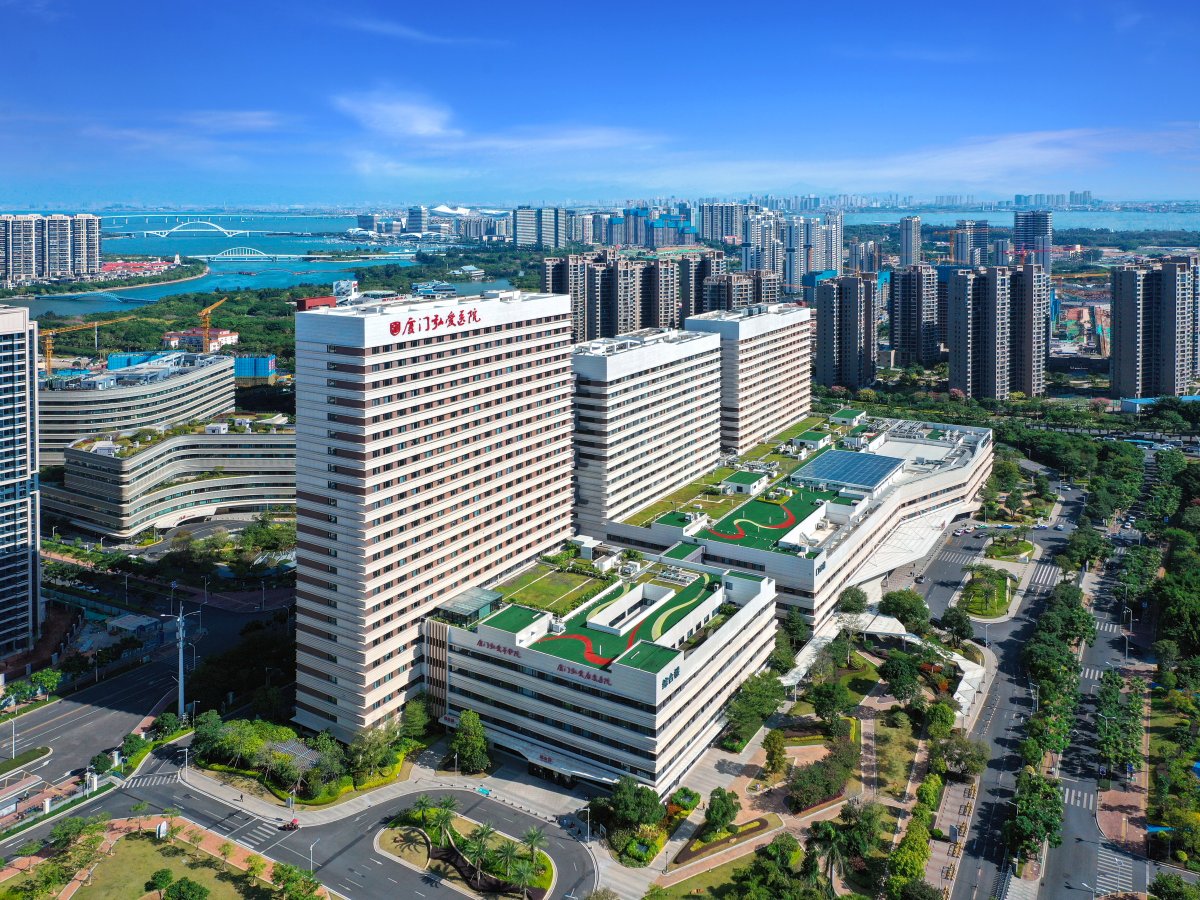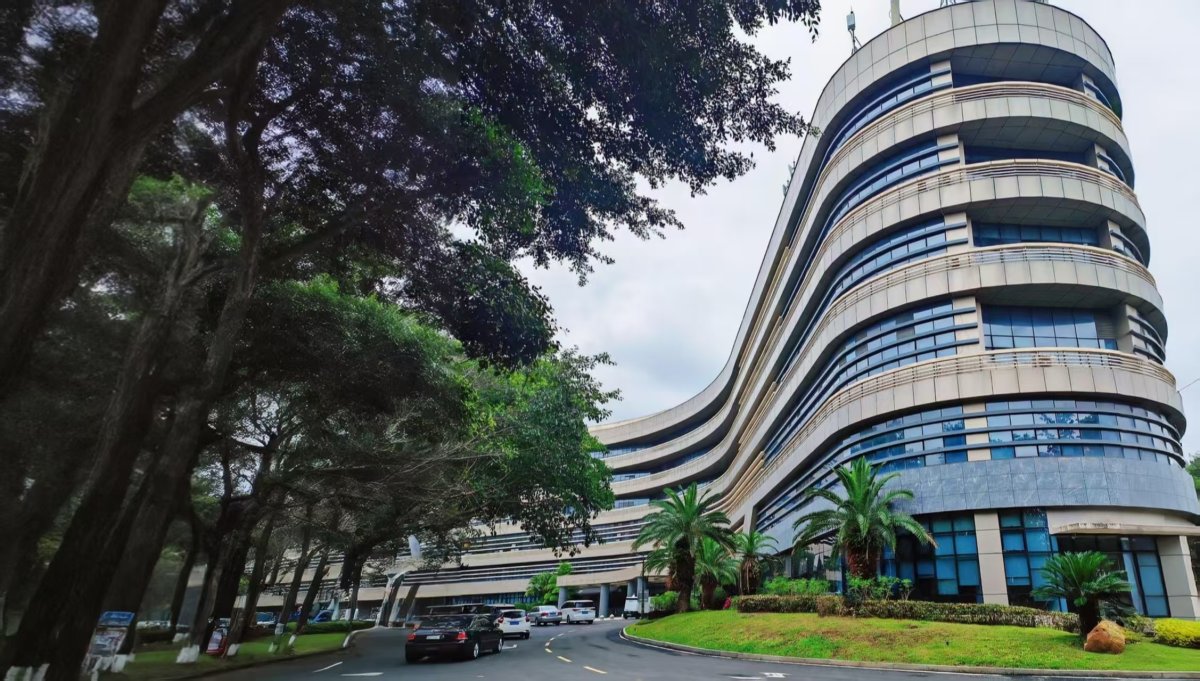
Boao International Medical Center
China, Qionghai


Revisado médicamente por
Fahad Mawlood
La oncología pediátrica en China suele costar desde $24,900 hasta $144,700. Los gastos totales dependen del tipo de cáncer, de si el centro es un hospital estatal o de estándar internacional, y de la necesidad de terapias avanzadas como el tratamiento con células CAR-T. Las familias suelen ahorrar entre un 40 y un 60% en comparación con los EE. UU. en procedimientos oncológicos complejos.
Costos típicos de oncología pediátrica en China
Los centros especializados en cáncer pediátrico se encuentran principalmente en Pekín, Shanghái y Cantón. Los costos en centros de estándar internacional en estas ciudades pueden ser significativamente más altos que en los hospitales municipales. Consulte con un especialista para obtener precios precisos para su caso médico específico.
| China | España | Turquía | |
|---|---|---|---|
| Trasplante de médula ósea | de $266,000 | de $101,000 | de $30,000 |
| Trasplante autólogo de médula ósea | ≈ $52,000 | ≈ $48,000 | de $25,000 |
| Trasplante alogénico de médula ósea de un donante emparentado | ≈ $38,000 | de $130,000 | de $54,500 |
| Terapia biológica | ≈ $6,000 | ≈ $3,800 | ≈ $2,500 |
| Resección transnasal de tumor | ≈ $9,500 | de $24,700 | de $8,600 |
Bookimed no añade cargos extra a los precios de los tratamientos de Oncología pediátrica. Las tarifas proceden de las listas de precios oficiales de las clínicas. Pagará directamente en la clínica por su tratamiento a su llegada al país.
Bookimed está comprometido con su seguridad. Solo trabajamos con las clínicas que mantienen altos estándares internacionales en el tratamiento de Oncología pediátrica y tienen las licencias necesarias para atender a pacientes internacionales en todo el mundo.
Bookimed ofrece asistencia experta gratuita. Un coordinador médico personal le apoya antes, durante y después del tratamiento, resolviendo cualquier problema. Nunca estará solo en su viaje médico de procedimientos de Oncología pediátrica.

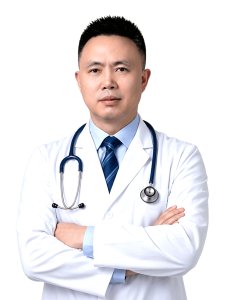
Médico jefe y profesor. Experto de nivel 1 en el Centro Oncológico del West China Hospital, Sichuan University (clasificado n.º 2 en China). Completó un posdoctorado en radiología intervencionista en el Chinese PLA General Hospital. Dirige equipos multidisciplinarios (MDT) para tumores complejos. Experto en oncología intervencionista mínimamente invasiva para cánceres de hígado, pulmón y páncreas.
Acreditaciones: Miembro del consejo, WATA. Miembro de los comités de CACA y CMDA sobre in
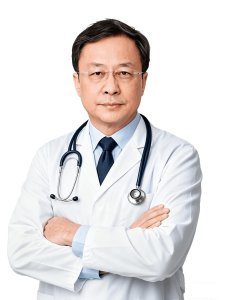
El profesor Luo Xiaoping es un radiólogo intervencionista reconocido a nivel nacional y una autoridad destacada en el oeste de China. Comenzó a realizar intervenciones vasculares pioneras a principios de la década de 1990. Ayudó a fundar el Grupo de Intervencionismo del Segundo Hospital Afiliado de la Universidad Médica de Chongqing.
Ha realizado más de 100 000 procedimientos intervencionistas, incluidos unos 4 000 casos complejos. Sus competencias clave incluyen TACE para el carcinoma
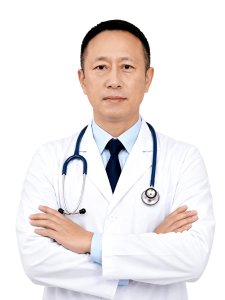
El Dr. He Weibing es pionero de la crioablación con argón‑helio en China, con más de 20 años de práctica en primera línea. Fue miembro fundador del Hospital Oncológico Fuda (Guangzhou). Cofundó su Centro de Tratamiento Tumoral Mínimamente Invasivo y fue subdirector ejecutivo. También ayudó a crear el Grupo de Ablación de la Asociación China contra el Cáncer. Ha sido operador principal en más de 10.000 procedimientos.
Se especializa en crioablación tumoral y domina la braquiterapia con
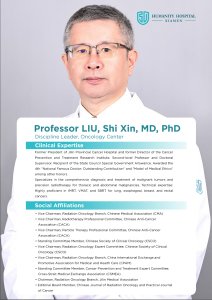
El profesor Shixin Liu, MD, PhD, es el líder de la disciplina del Centro de Oncología. Fue presidente del Hospital Oncológico Provincial de Jilin y director del Instituto de Investigación en Prevención y Tratamiento del Cáncer. Es profesor de nivel II y tutor de doctorado. Ha recibido la Asignación Especial del Gobierno del Consejo de Estado, el 4.º premio Médico Nacional Famoso (Contribución Sobresaliente) y la distinción Modelo de Ética Médica.
Se especializa en el diagnóstico y trat

Escrito por Veronika Kazina
 Olena Sikoza
En los principales centros chinos, la tasa de supervivencia al cáncer infantil alcanza actualmente el 77,2 %. Los centros más destacados de Pekín y Shanghái registran tasas de supervivencia del 90 % para la leucemia linfoblástica aguda. Esto concuerda con los estándares internacionales. Estos resultados se logran mediante protocolos estandarizados y el inicio inmediato del tratamiento a los pocos días del diagnóstico.
Opinión experta de Bookimed: Los datos del Hospital Internacional Yanda muestran que las clínicas de categoría A III suelen combinar protocolos internacionales con enfoques tradicionales. Esta combinación les permite tratar a más de 2.500.000 pacientes al año. El elevado volumen de pacientes en estas clínicas de primer nivel de Pekín permite a los cirujanos adquirir más experi
En los principales centros chinos, los oncólogos pediátricos están certificados por la Comisión Nacional de Salud (NHC) y ostentan altos cargos académicos, como el de médico jefe. Instituciones líderes, como el Hospital Oncológico Fuda y el Hospital Internacional Yanda, están acreditadas por la Joint Commission International (JCI). Esto garantiza el cumplimiento de estrictos estándares globales de seguridad y tratamiento.
Opinión de expertos de Bookimed: Los datos del Hospital Internacional Janda y del Hospital Oncológico Fuda indican una tendencia hacia la alta especialización. El Hospital Janda atiende a 2.500.000 pacientes anualmente y cuenta con la categoría III A. Este volumen de trabajo permite a los médicos
En los centros de oncología pediátrica chinos, las dosis de quimioterapia se calculan mediante fórmulas basadas en la superficie corporal o el peso. Los métodos varían según la edad, el tamaño y la madurez fisiológica del paciente para garantizar la precisión. Los médicos de instituciones como el Hospital Oncológico Fuda utilizan estos parámetros junto con cuidados intensivos de apoyo para minimizar la toxicidad sistémica durante el tratamiento.
Opinión de los expertos de Bookimed: Los principales hospital
Los niños pueden recibir ambas terapias durante un único viaje médico de varias semanas. China ofrece acceso rápido a la terapia con haz de protones. Sin embargo, este proceso depende del tiempo biológico. La producción de células CAR-T requiere al menos 10 días. La planificación de la terapia con protones lleva varios días después del estudio de imagen inicial.
Opinión de expertos de Bookimed: Los datos clínicos muestran que centros chinos como Yanda International y Xiamen Humanity atienden a un gran volumen de pacientes. Este alto volumen de pacientes suele traducirse en procesos de diagnóstico más eficientes. Si bien la producción de células CAR-T requiere un tiempo de espera fijo, estos hospitales utilizan departamentos clínicos integrados para realizar simulaciones con haz de protones simultáneamente. Esto permite reducir los tiempos de espera simultáneos y disminuye la estancia h
Los centros de oncología pediátrica chinos utilizan secuenciación de nueva generación, análisis de PCR y pruebas FISH para identificar mutaciones potencialmente efectivas. Estos perfiles genómicos ayudan a los médicos a seleccionar terapias dirigidas, como larotrectinib, para fusiones genéticas específicas. Los resultados del análisis molecular estándar suelen tardar entre una y tres semanas, dependiendo de la complejidad del panel.
Opinión de expertos de Bookimed: Los centros de tratamiento de enfermedades crónicas, como el Hospital Humanitario de Xiamen, atienden a aproximadamente 1.000.000 de pacientes al año. Este elevado volumen de pacientes permite, a menudo, realizar ensayos
El tratamiento del cáncer infantil en China suele requerir de 2 a 6 semanas de hospitalización. Los trasplantes autólogos generalmente requieren de 2 a 3 semanas de hospitalización. Los procedimientos alogénicos suelen extender la estancia hospitalaria a 4 o 6 semanas. La recuperación completa de los niños tarda de 3 a 18 meses, dependiendo del tipo de trasplante.
Opinión de expertos de Bookimed: Los hospitales multidisciplinarios chinos, como Yanda International y Xiamen Humanity Hospital, atienden a un gran volumen de pacientes, que a menudo supera el millón al año. Este elevado volumen permite a los médicos optimizar los protocolos de alta. Algunos centros utilizan infusiones ambulatorias de células NK para reduc
Las familias internacionales prefieren Pekín y Guangzhou para el tratamiento del cáncer pediátrico debido a su infraestructura desarrollada. Pekín alberga centros de categoría A, nivel III, como el Hospital Internacional Yanda, acreditado por la JCI. El Hospital Oncológico Fuda de Guangzhou atrae a pacientes de más de 100 países y ofrece tratamientos mínimamente invasivos especializados para casos avanzados.
Opinión de los expertos de Bookimed: Se observa una clara tendencia: los grandes centros aprovechan su envergadura para mejorar la atención médica especializada. El Hospital Internacional de Yanda realiza 9000 cirugías al año, mientras que el Hospital Humanitario de Xiamen atiende a 1.000.000 de pacientes. Este enorme volumen de proce