
Fuda Cancer Hospital
China, Cantón


Revisado médicamente por
Fahad Mawlood
El costo del tratamiento del rabdomiosarcoma en China suele oscilar entre $38,000 y $75,000 para una atención integral. Los procedimientos esenciales como la extirpación del rabdomiosarcoma varían de $9,000 a $20,000. Los gastos totales dependen del estadio del tumor, los ciclos de terapia requeridos y el nivel de la clínica. Los pacientes suelen encontrar ahorros del 40% al 60% en comparación con los EE. UU. Las principales ciudades para este tratamiento incluyen Guangzhou, Shanghái y Pekín.
Costos típicos del tratamiento del rabdomiosarcoma en China
Perspectiva de los expertos de Bookimed: Los pacientes en estadios avanzados deben priorizar las clínicas especializadas en oncología de etapa tardía. El Hospital Oncológico Fuda ofrece criocirugía especializada y tecnologías NanoKnife para casos complejos. Para necesidades de radiación pediátrica o adulta, el Dr. Liu Shi Xin en el Hospital Xiamen Humanity brinda experiencia reconocida internacionalmente en IMRT. Estas instalaciones acreditadas por la JCI ofrecen una alternativa de alto valor para los pacientes que necesitan atención multidisciplinaria más allá de los protocolos de quimioterapia estándar.
| China | España | Turquía | |
|---|---|---|---|
| Tratamiento complejo del rabdomiosarcoma | ≈ $38,000 | ≈ $38,000 | ≈ $22,000 |
| Radioterapia para sarcomas | ≈ $9,000 | de $9,000 | de $5,000 |
| Radioterapia para el cáncer colorrectal | ≈ $7,500 | de $7,500 | de $5,000 |
| Quimioterapia para el cáncer de mama | ≈ $14,800 | de $1,700 | de $1,900 |
| Eliminación de rabdomiosarcoma | ≈ $9,000 | de $33,600 | de $3,000 |
Bookimed no añade cargos extra a los precios de los tratamientos de Rabdomiosarcoma. Las tarifas proceden de las listas de precios oficiales de las clínicas. Pagará directamente en la clínica por su tratamiento a su llegada al país.
Bookimed está comprometido con su seguridad. Solo trabajamos con las clínicas que mantienen altos estándares internacionales en el tratamiento de Rabdomiosarcoma y cuentan con las licencias necesarias para atender a pacientes internacionales en todo el mundo.
Bookimed ofrece asistencia experta gratuita. Un coordinador médico personal le apoya antes, durante y después de su tratamiento, resolviendo cualquier problema. Nunca estará solo en su viaje médico de tratamiento de Rabdomiosarcoma.

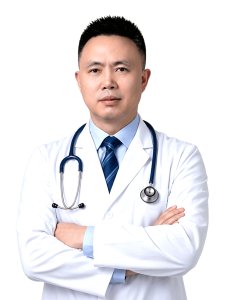
Médico jefe y profesor. Experto de nivel 1 en el Centro Oncológico del West China Hospital, Sichuan University (clasificado n.º 2 en China). Completó un posdoctorado en radiología intervencionista en el Chinese PLA General Hospital. Dirige equipos multidisciplinarios (MDT) para tumores complejos. Experto en oncología intervencionista mínimamente invasiva para cánceres de hígado, pulmón y páncreas.
Acreditaciones: Miembro del consejo, WATA. Miembro de los comités de CACA y CMDA sobre in
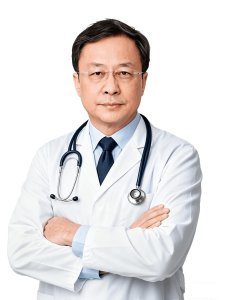
El profesor Luo Xiaoping es un radiólogo intervencionista reconocido a nivel nacional y una autoridad destacada en el oeste de China. Comenzó a realizar intervenciones vasculares pioneras a principios de la década de 1990. Ayudó a fundar el Grupo de Intervencionismo del Segundo Hospital Afiliado de la Universidad Médica de Chongqing.
Ha realizado más de 100 000 procedimientos intervencionistas, incluidos unos 4 000 casos complejos. Sus competencias clave incluyen TACE para el carcinoma
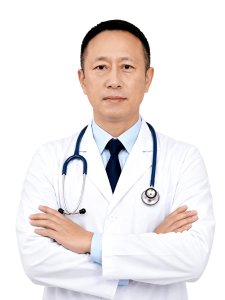
El Dr. He Weibing es pionero de la crioablación con argón‑helio en China, con más de 20 años de práctica en primera línea. Fue miembro fundador del Hospital Oncológico Fuda (Guangzhou). Cofundó su Centro de Tratamiento Tumoral Mínimamente Invasivo y fue subdirector ejecutivo. También ayudó a crear el Grupo de Ablación de la Asociación China contra el Cáncer. Ha sido operador principal en más de 10.000 procedimientos.
Se especializa en crioablación tumoral y domina la braquiterapia con
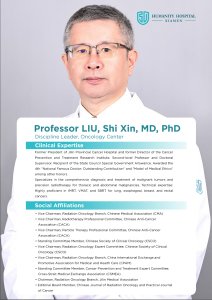
El profesor Shixin Liu, MD, PhD, es el líder de la disciplina del Centro de Oncología. Fue presidente del Hospital Oncológico Provincial de Jilin y director del Instituto de Investigación en Prevención y Tratamiento del Cáncer. Es profesor de nivel II y tutor de doctorado. Ha recibido la Asignación Especial del Gobierno del Consejo de Estado, el 4.º premio Médico Nacional Famoso (Contribución Sobresaliente) y la distinción Modelo de Ética Médica.
Se especializa en el diagnóstico y trat
 Olena Sikoza
Los principales centros oncológicos chinos siguen los protocolos internacionales utilizando el marco CCCG-RMS. Esta estructura se alinea directamente con los estándares del Children's Oncology Group de EE. UU. y los estándares europeos. Los equipos multidisciplinarios en ciudades como Guangzhou y Xiamen utilizan una estratificación de riesgo estandarizada. Estos métodos coinciden con las métricas de diagnóstico globales.
Perspectiva del experto de Bookimed: Una señal importante de calidad en China es la presencia de supervisores pediátricos especializados. El profesor Liu Shi Xin en el Xiamen Humanity Hospital tiene estatus de supervisor doctoral y honores nacionales. Este nivel de antigüedad a menudo se correlaciona con centros de alto volumen que manejan sarcomas pediátricos complejos y raros. Elegir una instalación con acreditación JCI garantiza que se cumplan rigurosos están
Los ciclos de quimioterapia estándar en China suelen seguir un programa de 21 o 28 días. Los profesionales priorizan la administración hospitalaria durante los primeros 1 a 3 días de cada ciclo. Este modelo permite una hidratación intensiva y un seguimiento clínico. Se adhiere a los protocolos establecidos por la Sociedad China de Oncología Clínica (CSCO).
Perspectiva del experto de Bookimed: La infraestructura oncológica de China está diseñada para una atención estandarizada de alto volumen. El Fuda Cancer Hospital por sí solo trata a más de 30.000 pacientes internacionales. Esta escala permite a las clínicas ofrecer más de 10 tipos de terapias mínimamente invasivas. Estas a menudo sirven como alternativas o complementos a la quimioterapia tradicional. Los pacientes deben confirmar si su protocolo incluye estas intervenciones especializadas desde el principio.
Cons
La terapia de protones está disponible para el rabdomiosarcoma en China. Los principales centros oncológicos de Shanghái y Cantón utilizan esta radiación de precisión. Estos centros tratan eficazmente los sarcomas de tejidos blandos en niños y adultos. Las tecnologías clave incluyen el escaneo activo de haz de lápiz y la terapia de protones de intensidad modulada.
Perspectiva del experto de Bookimed: Aunque varios centros chinos poseen tecnología de protones, la experiencia en casos pediátricos varía significativamente. El Dr. Liu Shi Xin en el Hospital Xiamen Humanity ocupa cargos de liderazgo en comités nacionales de terapia de partículas. Trabajar con un médico de este calibre garantiza que el plan de tratamiento se alinee con rigurosos estándares nacionales. Los pacientes deben priorizar los centros donde el jefe de radiación tenga una amplia experiencia
Los mejores hospitales para el rabdomiosarcoma en China incluyen el Fuda Cancer Hospital, acreditado por la JCI, y el Xiamen Humanity Hospital. Estos centros se especializan en oncología pediátrica multidisciplinaria. Utilizan terapias avanzadas como la criocirugía y la radiación precisa. Muchas instalaciones integran protocolos internacionales para mejorar los resultados en sarcomas de tejidos blandos poco comunes.
Perspectiva del experto de Bookimed: Los datos de los pacientes muestran que elegir un hospital con un alto volumen internacional como Fuda es vital. Esta clínica ha atendido a pacientes de más de 100 países. Dichos centros a menudo tienen más experiencia con la logística necesaria para casos de sarcomas raros. Por lo general, ofrecen opciones más flexibles y mínimamente invasivas que los centros públicos estándar.
Consenso de los pacientes: Las familias enfatizan comenzar el tratamie
China es un centro mundial para ensayos de oncología pediátrica y nuevas terapias dirigidas. La Administración Nacional de Productos Médicos acelera la aprobación de más del 60% de los agentes oncológicos. Los pacientes acceden a terapias de células con receptores de antígenos quiméricos e inhibidores de la tirosina quinasa. Centros especializados en Guangzhou y Xiamen ofrecen perfiles moleculares avanzados para sarcomas raros.
Perspectiva de expertos de Bookimed: Aunque los ensayos son numerosos, el acceso en centros como el Fuda Cancer Hospital depende de protocolos específicos del hospital. Nuestros datos muestran que los hospitales oncológicos en China aplican con frecuencia más de 10 tipos de terapias mínimamente invasivas. Este volumen sugiere que los pacientes deben priorizar los centros académicos con acreditación JCI para garant
Los centros chinos de sarcomas ofrecen terapias localizadas avanzadas, incluyendo ultrasonido focalizado de alta intensidad (HIFU), criocirugía y NanoKnife. Estas técnicas mínimamente invasivas atacan los tumores preservando el tejido sano y la función de los órganos. Los centros acreditados por la JCI, como el Fuda Cancer Hospital, combinan estos procedimientos con radioterapia de precisión para tratar eficazmente casos complejos o recurrentes de rabdomiosarcoma.
Perspectiva del experto de Bookimed: Los datos de pacientes del Fuda Cancer Hospital destacan una tendencia significativa hacia el control local multimodal. Las clínicas suelen emplear más de 10 tipos de terapias mínimamente invasivas. Este enfoque se utiliza específicamente para cánceres en etapa avanzada para evitar la quimioterapia intensiva. Elegir centros con un alto volumen de pacientes, como aquellos que atiend