Oncología pediátrica en Austria — Costos 2026


Revisado médicamente por
Fahad Mawlood
¿Cuál es el precio de procedimientos de Oncología pediátrica en Austria? Descubra ahora
La oncología pediátrica en Austria suele costar desde $28,900 hasta $100,500. Los gastos totales dependen del tipo específico de cáncer, los ciclos de tratamiento requeridos y si el caso implica terapia celular avanzada o cirugía compleja. Las familias a menudo pueden ahorrar entre un 40 y un 55% en comparación con los costos en los Estados Unidos.
Costos típicos de oncología pediátrica en Austria
- Consulta con un oncólogo: Precio a consultar
- Análisis de laboratorio: Precio a consultar
- Trasplante de médula ósea: $62,000 – $95,000
- Radioterapia: de $6,700
- Extirpación de tumor cerebral: $18,000 – $33,000
- Cirugía de sarcoma: Precio a consultar
- CyberKnife: $7,500 – $12,000
- Crioterapia: Precio a consultar
- Cirugía de tumor hipofisario: Precio a consultar
- Gamma Knife para tumor cerebral: Precio a consultar
Los principales centros médicos se concentran en Viena, Graz e Innsbruck. Las instalaciones en Viena a menudo sirven como centros nacionales para casos complejos, mientras que los centros en otras ciudades pueden ofrecer diferentes estructuras de precios. Consulte con un especialista para obtener precios precisos para el diagnóstico específico de su hijo.
| Austria | España | Turquía | |
|---|---|---|---|
| Trasplante de médula ósea | ≈ $62,000 | de $100,900 | de $30,000 |
| Trasplante autólogo de médula ósea | ≈ $38,000 | ≈ $48,000 | de $25,000 |
| Trasplante alogénico de médula ósea de un donante emparentado | ≈ $95,000 | de $130,000 | de $55,000 |
| Terapia biológica | ≈ $7,500 | ≈ $3,800 | ≈ $2,500 |
| Resección transnasal de tumor | ≈ $16,500 | de $24,700 | de $8,600 |
Todas las enfermedades de Oncología pediátrica
Sus beneficios y garantías con Bookimed
Precios directos
Bookimed no añade cargos extra a los precios de los tratamientos de Oncología pediátrica. Las tarifas proceden de las listas de precios oficiales de las clínicas. Pagará directamente en la clínica por su tratamiento a su llegada al país.
Sólo clínicas y médicos verificados
Bookimed está comprometido con su seguridad. Solo trabajamos con las clínicas que mantienen altos estándares internacionales en el tratamiento de Oncología pediátrica y tienen las licencias necesarias para atender a pacientes internacionales en todo el mundo.
Asistencia 24/7 gratuita
Bookimed ofrece asistencia experta gratuita. Un coordinador médico personal le apoya antes, durante y después del tratamiento, resolviendo cualquier problema. Nunca estará solo en su viaje médico de procedimientos de Oncología pediátrica.

Su coordinador médico personal de Bookimed
- Le apoya en cada etapa
- Ayuda a elegir la clínica y el médico adecuados
- Asegura un acceso rápido y conveniente a la información
Descubra las mejores clínicas de Oncología pediátrica en Austria: 7 opciones verificadas y Precios




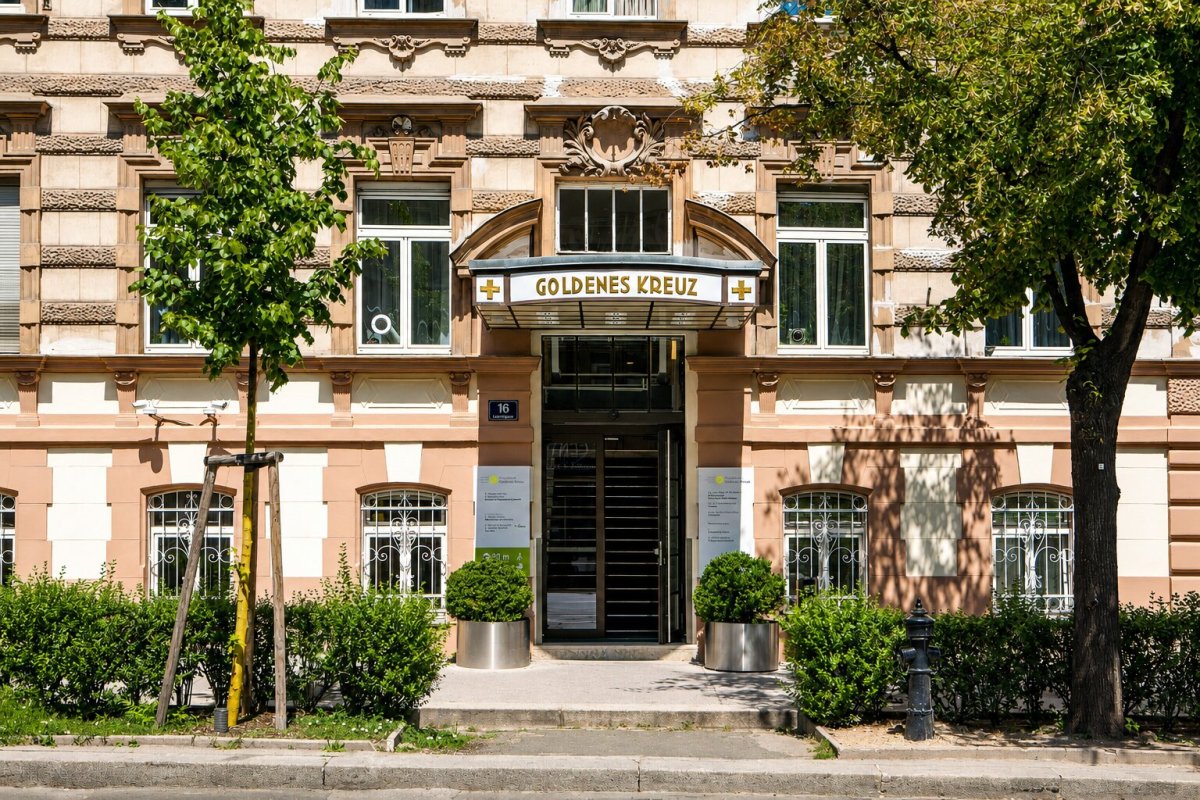
Confraternitaet & Goldenes Kreuz Private Hospital




Clínica Privada Leech
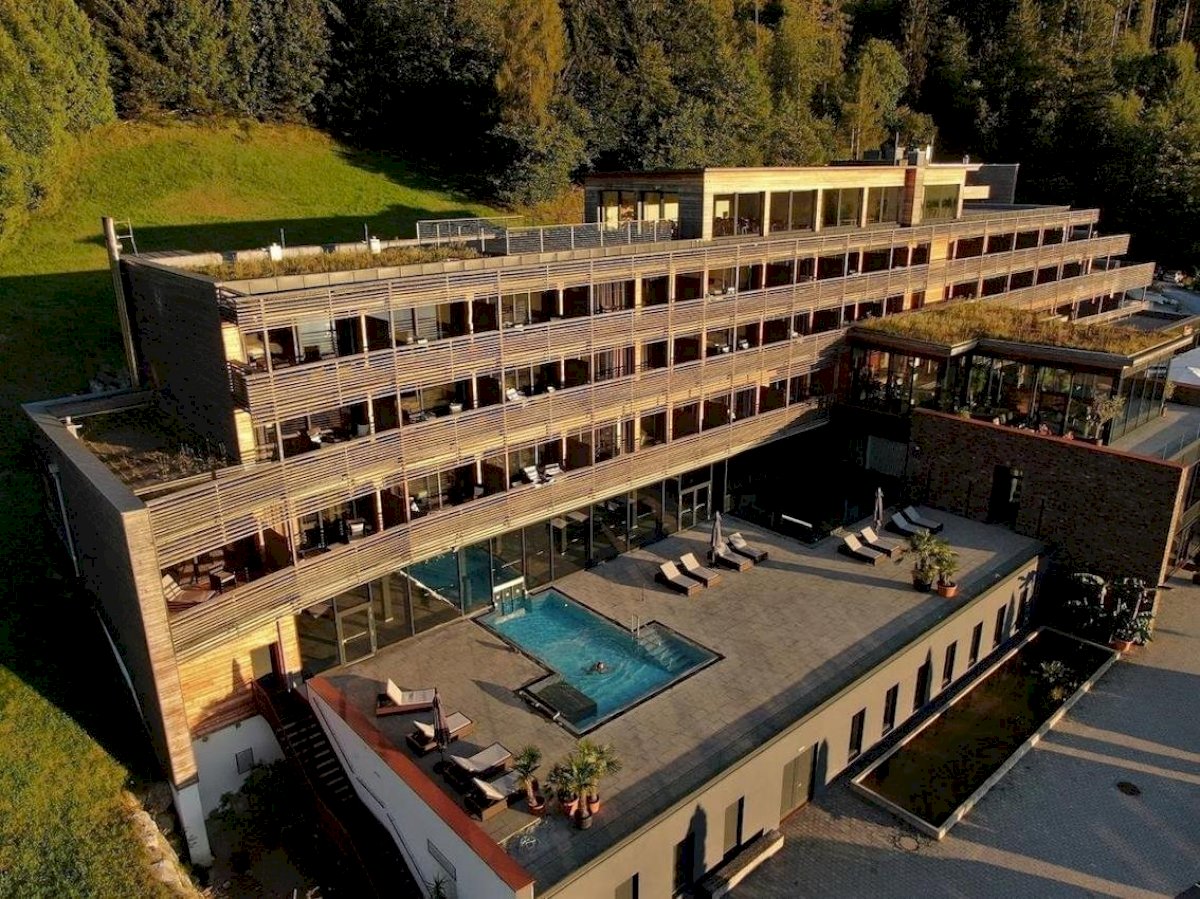
Los mejores centros médicos de Oncología pediátrica en Austria
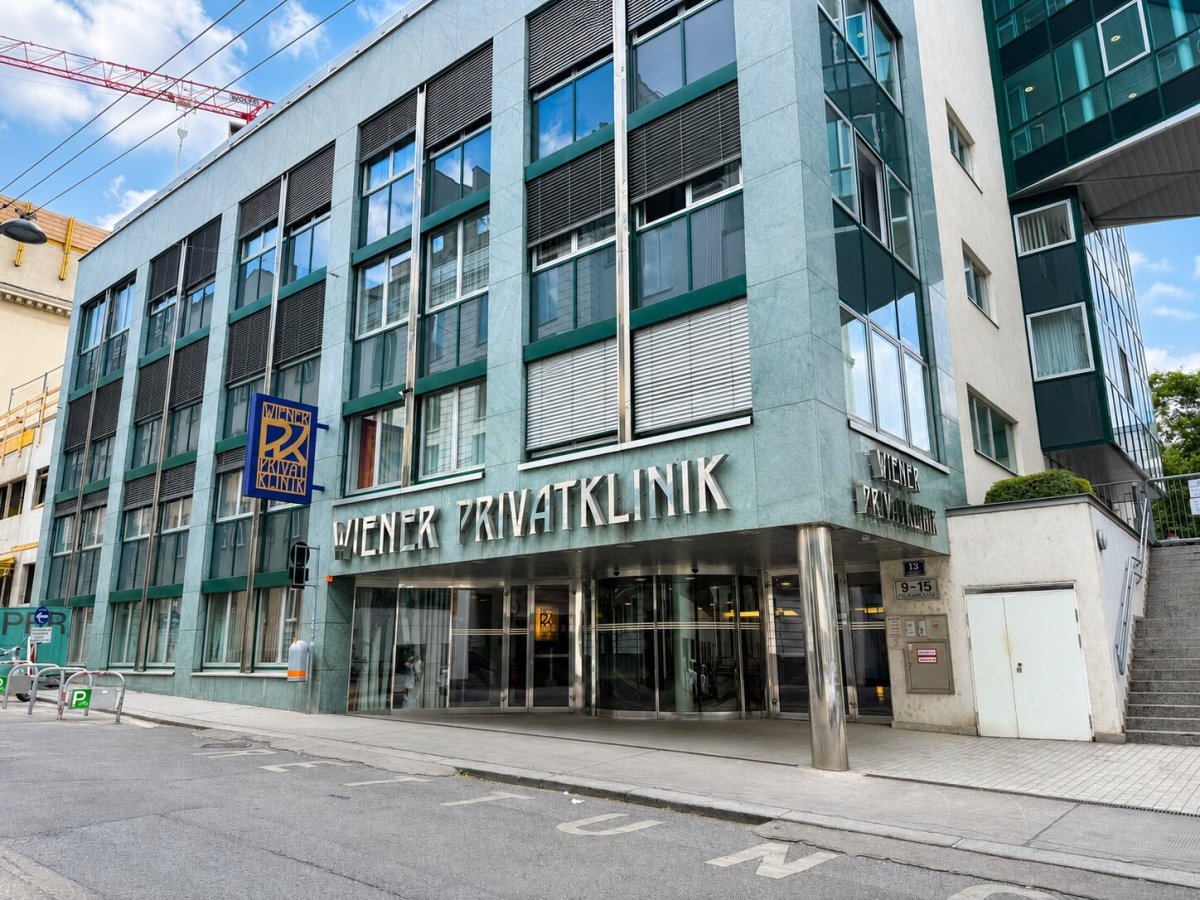
- Clínica privada Wiener (Wiener Privatklinik), Austria
- Confraternitaet & Goldenes Kreuz Private Hospital, Austria
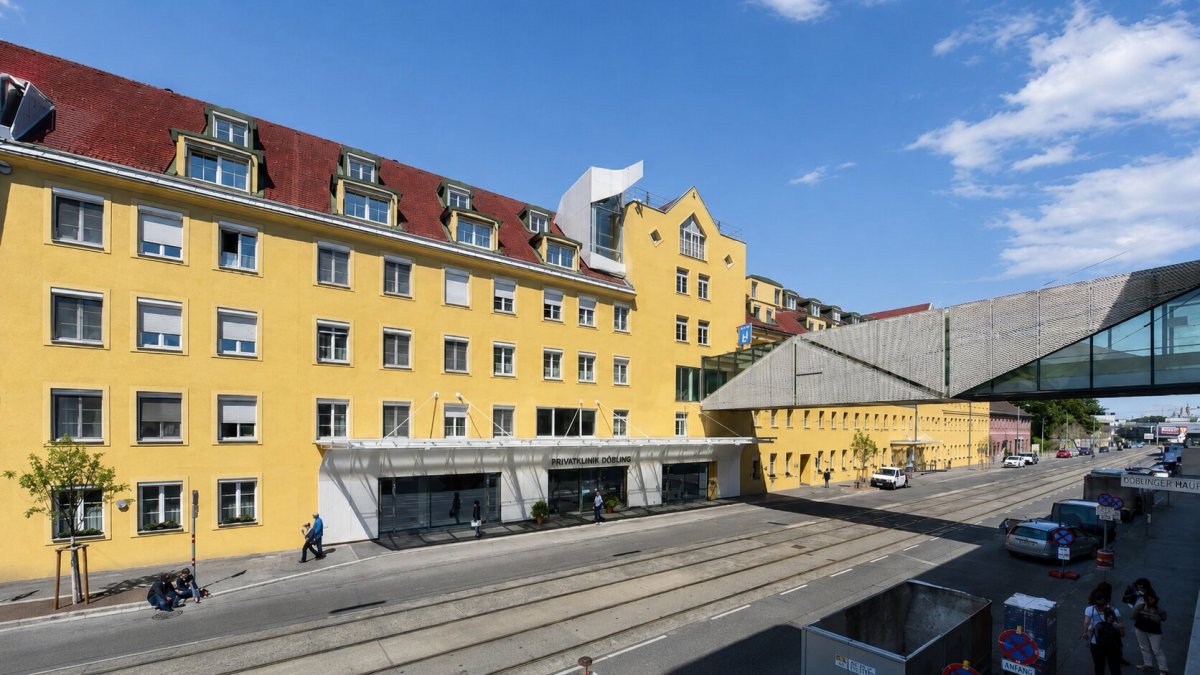
- Döbling Private Clinic, Austria
- Vienna General Hospital, Austria
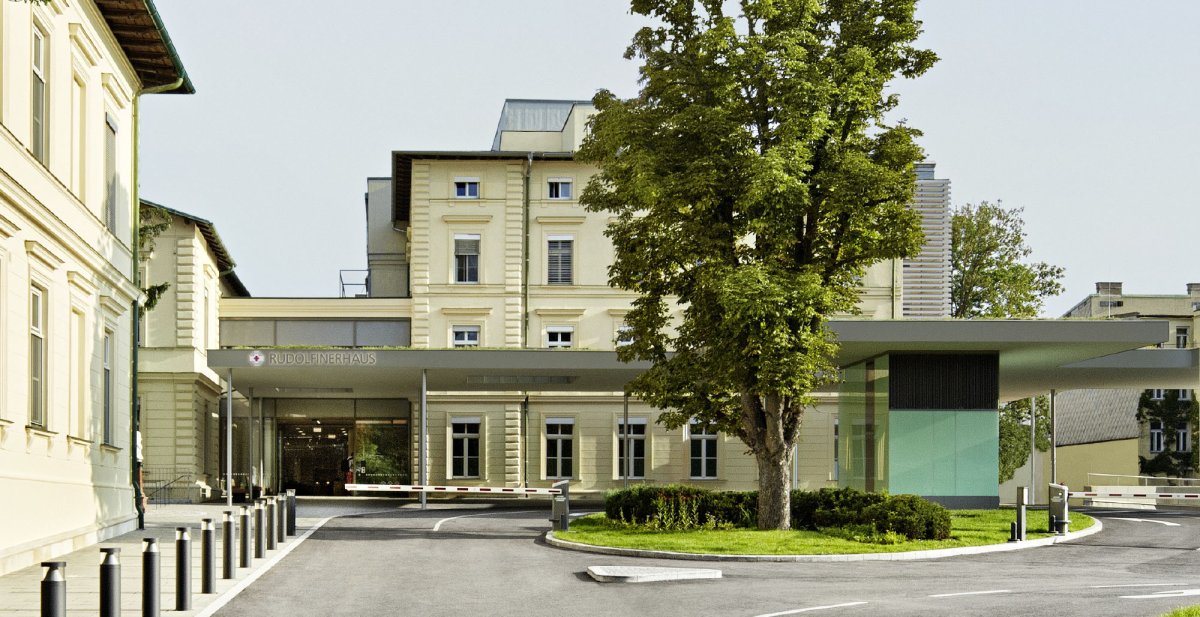
- Rudolfinerhaus, Austria
- Clínica Privada Leech, Austria
- Armona Medical Alpinresort, Austria
Reseñas
Todas las reseñasArtículos relacionados

Los 10 mejores hospitales oncológicos pediátricos: clasificación de pacientes de Bookimed
Escrito por Veronika Kazina
Compartir contenido
Historias en video de pacientes de Bookimed
 Olena Sikoza
Preguntas frecuentes sobre Oncología pediátrica en Austria
¿Cuáles son los posibles efectos a largo plazo del tratamiento del cáncer infantil sobre el crecimiento, el desarrollo y la fertilidad?
Los tratamientos contra el cáncer infantil, como la quimioterapia y la radioterapia, pueden causar efectos a largo plazo en el crecimiento, el desarrollo y la fertilidad. Estos efectos suelen manifestarse años después del tratamiento. Algunos problemas comunes incluyen retraso en el crecimiento óseo, deficiencias hormonales, retraso en el desarrollo cognitivo y disminución de la fertilidad. El seguimiento especializado es fundamental para la salud a largo plazo.
- Alteraciones del crecimiento: La radiación en la columna vertebral o las extremidades puede provocar un desarrollo óseo asimétrico.
- Disfunción endocrina: El daño a la glándula pituitaria suele provocar deficiencia de la hormona del crecimiento y una disminución de la estatura en la edad adulta.
- Retrasos neurocognitivos: La irradiación craneal puede ralentizar la velocidad de procesamiento de la información, afectando al rendimiento académico y a la memoria.
- Riesgos para la fertilidad: Los agentes alquilantes pueden reducir de forma permanente el recuento de espermatozoides o provocar insuficiencia ovárica prematura.
Opinión de expertos de Bookimed: En casos complejos, el volumen de pacientes suele correlacionarse con la precisión diagnóstica. El Hospital General de Viena (AKH) atiende a 595 000 pacientes anualmente e incluye 42 clínicas universitarias. Esta amplia infraestructura
¿Cómo se personalizan los protocolos de quimioterapia para niños extranjeros tratados en salas de pediatría en Austria?
Los centros oncológicos pediátricos austriacos personalizan la quimioterapia mediante la estratificación del riesgo y el perfil molecular. Más del 90 % de los pacientes participan en ensayos clínicos, recibiendo dosis individualizadas. La intensidad del tratamiento depende de los marcadores genéticos y la respuesta inicial. Este enfoque maximiza la supervivencia y reduce los efectos secundarios a largo plazo en niños de diversos países.
- Perfil genético: Las clínicas utilizan la secuenciación de nueva generación para identificar objetivos específicos para la terapia.
- Estratificación del riesgo: Los médicos ajustan las dosis de los medicamentos en función del grupo de riesgo específico de cada paciente.
- Enfoque interdisciplinario: las consultas oncológicas centralizadas con especialistas planifican cada etapa del tratamiento integral.
- Estándares internacionales: Los protocolos cumplen con el plan de tratamiento de Berlín-Fráncfort-Múnich, lo que garantiza un tratamiento moderno y de eficacia probada.
Opinión de expertos de Bookimed: Las clínicas con un alto volumen de pacientes, como el Hospital General de Viena (AKH), ofrecen ventajas para familias de diferentes países. Estos centros cuentan con seis laboratorios propios, lo que garantiza diagnósticos rápidos. Esta organización permite a los médicos ajustar los protocolos de quimioterapia
¿Qué medidas de prevención de infecciones se están tomando para los niños con sistemas inmunitarios debilitados que se encuentran en el extranjero?
Los centros de oncología pediátrica austriacos están implementando estrictos protocolos de prevención de infecciones para pacientes internacionales inmunocomprometidos. Estas medidas incluyen filtros de aire de partículas de alta eficiencia (HEPA) y salas de aislamiento con presión positiva. Instituciones como el Hospital General de Viena (AKH) y el Hospital Privado de Döbling cumplen con los estrictos estándares internacionales de seguridad del paciente (JCI) y las normas ISO.
- Aislamiento clínico: los pacientes permanecen en habitaciones individuales con esclusas de aire y ventilación con presión positiva.
- Control de acceso: Control obligatorio de visitantes y toma de muestras nasales a todas las personas que ingresen a las salas.
- Seguridad medioambiental: prohibición estricta de flores y plantas frescas y riesgo de contaminación por hongos transmitidos por el suelo.
- Normas de higiene: El personal deberá usar batas y guantes a diario, y en los departamentos de oncología se realizará una purificación del aire mediante luz ultravioleta.
Opinión experta de Bookimed: Los datos de los principales hospitales vieneses demuestran que se presta especial atención a la seguridad integral a pesar del enorme volumen de pacientes. El Hospital General de Viena (AKH) atiende a más de 590 000 pacientes al año, contando con los recursos de 42 institutos u
¿Cuánto tiempo debemos prever que durará la estancia en Austria durante el tratamiento del cáncer infantil?
El tratamiento del cáncer infantil en Austria suele consistir en un tratamiento intensivo inicial de 6 a 9 meses, que incluye fases de inducción y consolidación. Los protocolos europeos estándar para enfermedades como la leucemia suelen durar 2 años. Tras los primeros 6 meses de terapia, las familias suelen pasar a un tratamiento de mantenimiento ambulatorio.
- Fase inicial del tratamiento: estancia en Viena de 4 a 6 semanas para la primera fase más intensiva del tratamiento.
- Ciclos de tratamiento: Presupuesto para 6-12 meses de tratamiento de quimioterapia en régimen de internamiento, de acuerdo con estrictos protocolos médicos europeos.
- Fase de mantenimiento: Planificar entre 1,5 y 2 años de tratamiento de menor intensidad, que a menudo se administra de forma ambulatoria.
- Periodo de diagnóstico: Se deben destinar 2 semanas para el examen inicial antes de comenzar el tratamiento principal.
Opinión experta de Bookimed: El Hospital Municipal de Viena (AKH) y la Clínica Privada de Viena (Wiener Privatklinik) se benefician de ser centros donde muchos médicos son profesores de la Universidad Médica de Viena. Esta conexión académica permite a los pacientes un acceso más rápido a protocolos estandarizados. Nuestros datos muestran que elegir clínicas en Viena suele simplificar la logística. Estas instituciones se encuentran en la misma ubicación,
¿Qué ciudades austriacas cuentan con centros de oncología pediátrica de referencia que aceptan pacientes internacionales?
Viena, Graz e Innsbruck son las principales ciudades austriacas que albergan centros de oncología pediátrica de referencia para pacientes internacionales. Estos centros cuentan con hospitales universitarios especializados y clínicas privadas acreditadas por la Comisión Conjunta para la Cooperación Internacional (JCI). Combinan la investigación de vanguardia con la atención clínica para casos complejos como la leucemia y el neuroblastoma.
- Viena: Centro nacional que comprende el Hospital General de Viena (VGH) y centros privados especializados en cáncer.
- Graz: Un importante centro de referencia para las regiones del sureste, que ofrece servicios avanzados en los campos del diagnóstico y la cirugía pediátrica.
- Innsbruck: El principal centro de atención terciaria del oeste de Austria, involucrado en más de 50 estudios clínicos.
- Credenciales de las clínicas: Instituciones como la Wiener Privatklinik y el Hospital Privado Döbling cuentan con las acreditaciones ISO y JCI.
Opinión experta de Bookimed: Viena es líder en oncología pediátrica en Austria. Clínicas como el Hospital General de Viena (AKH) y el Hospital Privado de Viena atienden a aproximadamente 600 000 pacientes al año. Este enorme volumen les permite mantener más de 20 departamentos especializados. Estos centros suelen contar con sus propios laboratorios. Esta organización agiliza la