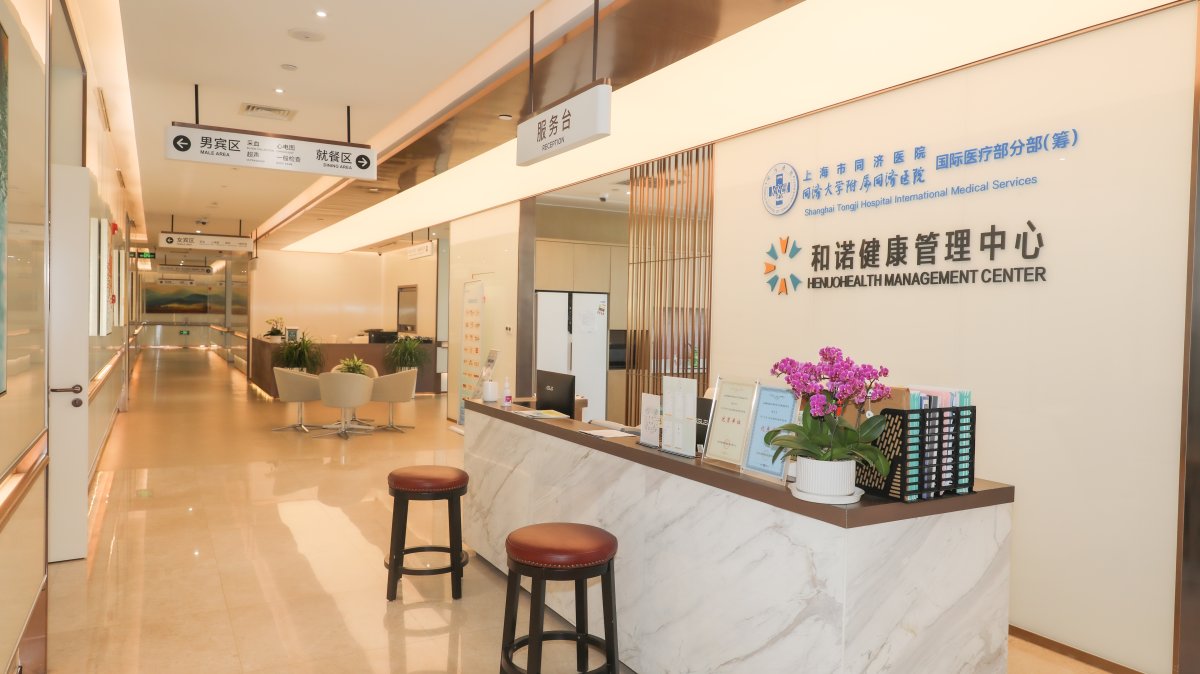
Centro de hematología y terapia celular Shanghai Tongji Hospital
China, Shanghái


Revisado médicamente por
Fahad Mawlood
La psiquiatría en China suele costar desde $5,000 hasta $10,300. Los gastos finales dependen del tipo de centro, como hospitales públicos o clínicas internacionales, la duración de la atención hospitalaria y el enfoque terapéutico específico requerido. Los pacientes a menudo pueden encontrar ahorros del 40-70% en comparación con los Estados Unidos.
Costos típicos de psiquiatría en China
Los principales servicios psiquiátricos se concentran en Shanghái y Pekín, donde la atención de estándar internacional está fácilmente disponible. Las clínicas privadas en estos centros suelen tener tarifas más altas que las instalaciones públicas en ciudades más pequeñas. Consulte con un especialista para obtener precios precisos para sus necesidades específicas.
| China | España | Turquía | |
|---|---|---|---|
| Tratamiento para niños y adolescentes con esquizofrenia | ≈ $4,500 | ≈ $6,500 | ≈ $4,500 |
| Tratamiento del autismo | ≈ $4,800 | de $20,200 | de $11,500 |
| Tratamiento del alcoholismo | ≈ $2,500 | de $20,200 | de $4,200 |
| Tratamiento de la esquizofrenia en adultos | ≈ $3,500 | de $20,200 | ≈ $3,000 |
| Psicoterapia | ≈ $90 | de $20,200 | de $150 |
Bookimed no añade cargos extra a los precios de los tratamientos de Psiquiatría. Las tarifas proceden de las listas de precios oficiales de las clínicas. Pagará directamente en la clínica por su tratamiento a su llegada al país.
Bookimed está comprometido con su seguridad. Solo trabajamos con las clínicas que mantienen altos estándares internacionales en el tratamiento de Psiquiatría y tienen las licencias necesarias para atender a pacientes internacionales en todo el mundo.
Bookimed ofrece asistencia experta gratuita. Un coordinador médico personal le apoya antes, durante y después del tratamiento, resolviendo cualquier problema. Nunca estará solo en su viaje médico de procedimientos de Psiquiatría.

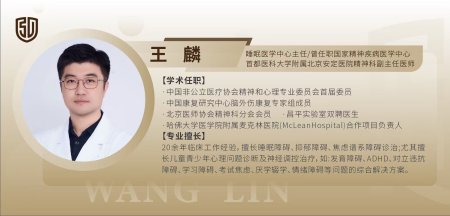
El Dr. Wang Lin es director del Centro de Medicina del Sueño. Tiene más de 20 años de experiencia clínica. Anteriormente trabajó en el Centro Nacional de Trastornos Mentales. También se desempeñó como médico jefe asociado de Psiquiatría en el Hospital Anding de Beijing, de la Universidad Médica de la Capital.
Especialidades: trastornos del sueño; trastornos del espectro de la depresión y la ansiedad; salud mental infantil y del adolescente (trastornos del desarrollo, TDAH, trastorno ne
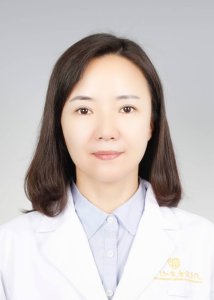
La profesora Liang Xiaoxiao es Directora del Departamento y Jefa de Servicio de Neurorrehabilitación. Cuenta con una maestría en neurología. Es experta en neuromodulación para trastornos de la conciencia, la cognición y el movimiento. Su labor se centra en casos de enfermedad cerebrovascular, enfermedad de Parkinson y afecciones relacionadas. También realiza inyecciones de toxina botulínica guiadas por ecografía para el blefaroespasmo, el espasmo hemifacial, la espasticidad de las extremidade

 Olena Sikoza
Los servicios psiquiátricos en China son seguros para pacientes internacionales cuando se prestan en hospitales internacionales acreditados por la JCI en ciudades de primer nivel. Instituciones como el Hospital de Rehabilitación Familiar Unida de Pekín se adhieren a los estándares clínicos estadounidenses, emplean especialistas que hablan inglés y mantienen protocolos de seguridad rigurosos. La mayoría de los centros privados garantizan el respeto a la dignidad del paciente y el consentimiento informado.
Opinión de expertos de Bookimed: Los datos muestran una clara diferencia de calidad entre los hospitales multidisciplinarios y los centros privados internacionales. Instituciones como el Hospital de Rehabilitación Familiar Unida de Pekín atienden a más de 120
Verifique el certificado de cualificación del médico y su autorización para ejercer en el registro de la Comisión Nacional de Salud (CNS). Estos documentos confirman que el psiquiatra ha aprobado los exámenes nacionales y que está registrado legalmente para ejercer en una localidad específica. Asegúrese de que la psiquiatría figure como especialidad médica.
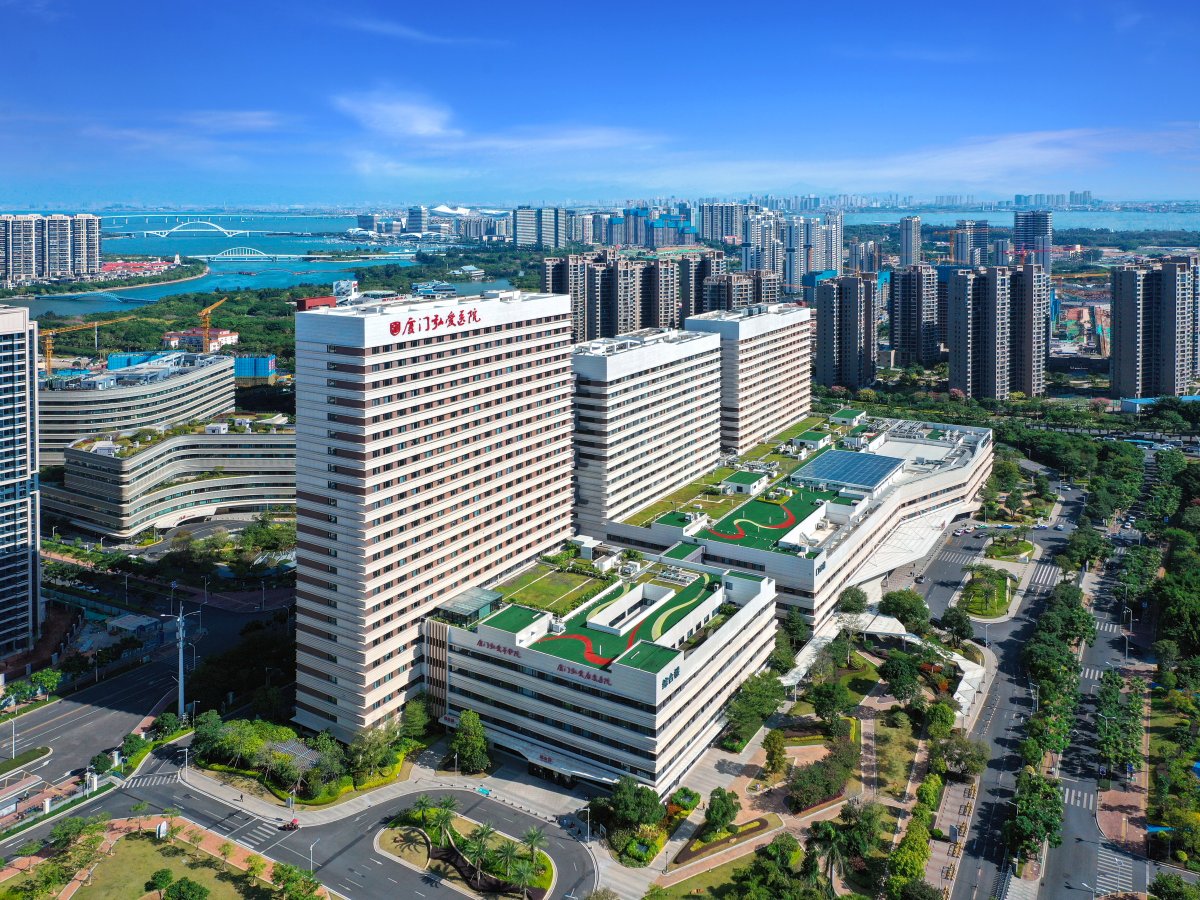
Opinión de expertos de Bookimed: Los datos de Bookimed muestran una clara tendencia entre los grandes hospitales chinos. Las instituciones médicas que atienden a más de 1.000.000 de pacientes, como el Hospital Humanitario de Xiamen, suelen contar con acreditaciones especializadas para la realización de ensayos clínicos. Estas acreditaciones indican un mayor nivel de supervisión que los centros de consulta p
Los pacientes que viajan a China para recibir tratamiento médico suelen buscar atención psiquiátrica que combine la neuroestimulación moderna con la medicina tradicional china (MTC). Entre los principales métodos de tratamiento se incluyen la estimulación magnética transcraneal repetitiva (EMTr), la terapia electroconvulsiva (TEC) y la acupuntura terapéutica. Las instituciones médicas acreditadas por la JCI en Pekín combinan estos protocolos clínicos con servicios de rehabilitación intensiva para pacientes internacionales.
Opinión de expertos de Bookimed: Los datos muestran una clara tendencia: los principales hospitales de Pekín, como el Hospital Internacional Yanda, están clasificados como Nivel III Clase A. Esta es la máxima calificación clínic
En China, la evaluación y el tratamiento psiquiátrico suelen requerir una hospitalización de entre 20 y 60 días. La evaluación inicial en grandes ciudades como Pekín o Shanghái a menudo comienza con un período de observación de urgencia de 72 horas. La estancia media en un hospital para trastornos mentales comunes es de aproximadamente 22 días.
Opinión de expertos de Bookimed: Los pacientes deberían priorizar las instituciones acreditadas por la JCI, como el Hospital Internacional Yanda o el Hospital de Rehabilitación Familiar Unida de Pekín. Estas instituciones se adhieren a protocolos internacionales, lo que suele simplificar los trámites burocráticos típicos de los hospitales públicos. Elegir centros con experiencia en el tratamiento de miles de pacientes internacionales puede reducir los retrasos en la comunicación hasta en un 30
Los principales centros psiquiátricos chinos reportan tasas de respuesta clínica a corto plazo para el tratamiento de la depresión que oscilan entre el 50 % y el 60 %. Los protocolos avanzados de neuromodulación en los mejores hospitales demuestran tasas de remisión de hasta el 90 % en casos resistentes al tratamiento. El éxito a largo plazo sigue siendo un desafío. Las tasas de remisión real a menudo se mantienen por debajo del 30 % debido a las altas tasas de abandono del tratamiento.
Opinión de expertos de Bookimed: A pesar del bajo cumplimiento de los protocolos internacionales, los pacientes en clínicas de nivel III (C
Shanghái y Pekín son las ciudades chinas preferidas para el tratamiento de pacientes psiquiátricos internacionales debido a su alta concentración de instituciones acreditadas por la JCI y médicos que hablan inglés. Los pacientes prefieren hospitales privados, como el Hospital de Rehabilitación Familiar Unida de Pekín. Estos centros ofrecen estándares médicos occidentales y protocolos de tratamiento interdisciplinarios para casos complejos de trastornos mentales.
Opinión de expertos de Bookimed: Los datos muestran una clara brecha entre el volumen de servicios clínicos y la calidad de la atención en Beijing en comparación con los estándares internacionales. Si bien el Hospital Internacional Yanda, como c
Los pacientes extranjeros en clínicas psiquiátricas que viajen a China deben presentar un certificado médico traducido al chino y al inglés. Documentar el diagnóstico y la dosis es fundamental para el despacho de aduanas. Los pacientes deben verificar la legalidad de sus medicamentos con antelación. Algunos medicamentos psicotrópicos requieren permisos especiales o están prohibidos para su importación a China debido a estrictas regulaciones.
Opinión de expertos de Bookimed: Si bien el Hospital de Rehabilitación Familiar Unida de Pekín ofrece tratamiento según los estándares estadounidenses, la atención psiquiátrica de alta calidad en inglés es escasa fuera de las grandes ciudades. Los pacientes deberían priorizar clínicas como el Hospital Internacional Yanda en Pekín. Estas instituciones acreditadas por la JCI atienden a 2.500.000 pacientes anualmente y cumplen mejor con los requisitos de documentación internacionales.
Opinión de los pacientes: