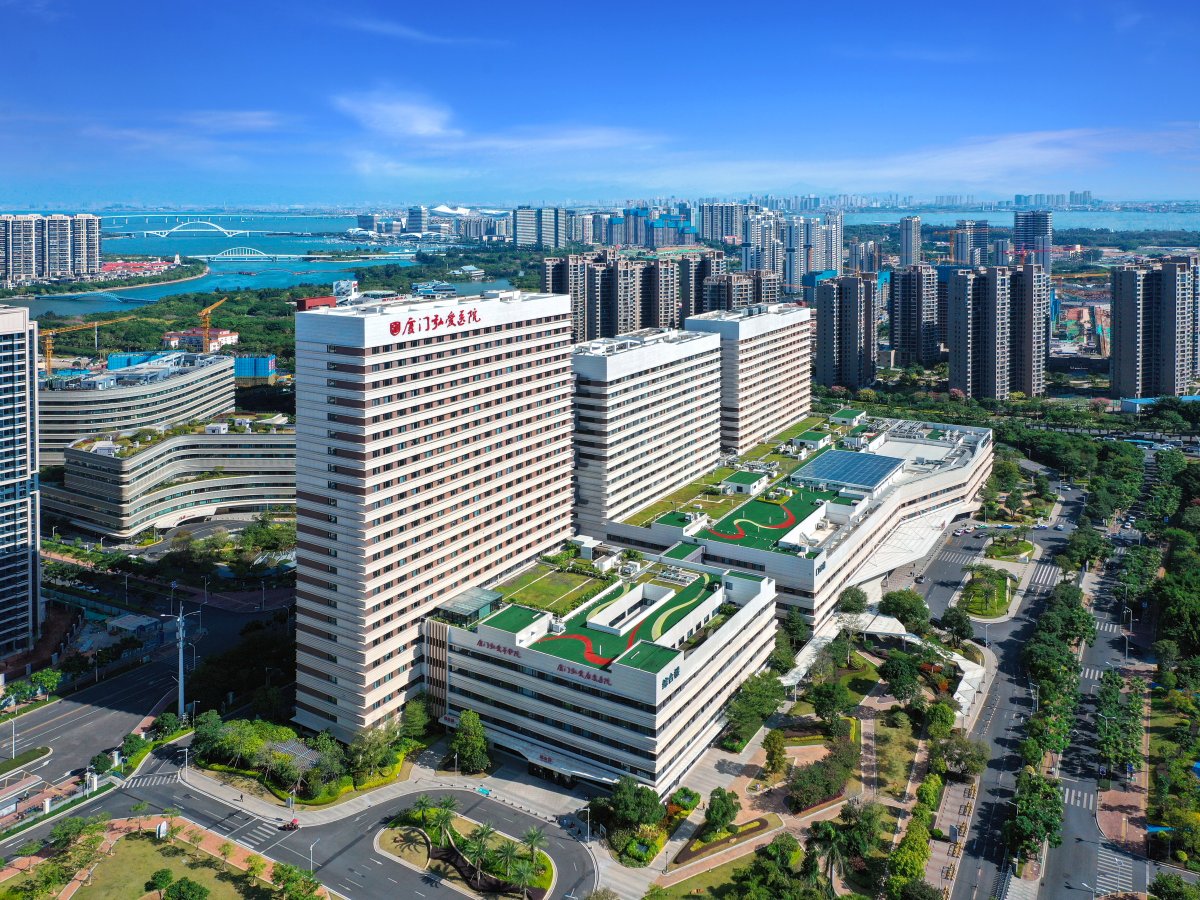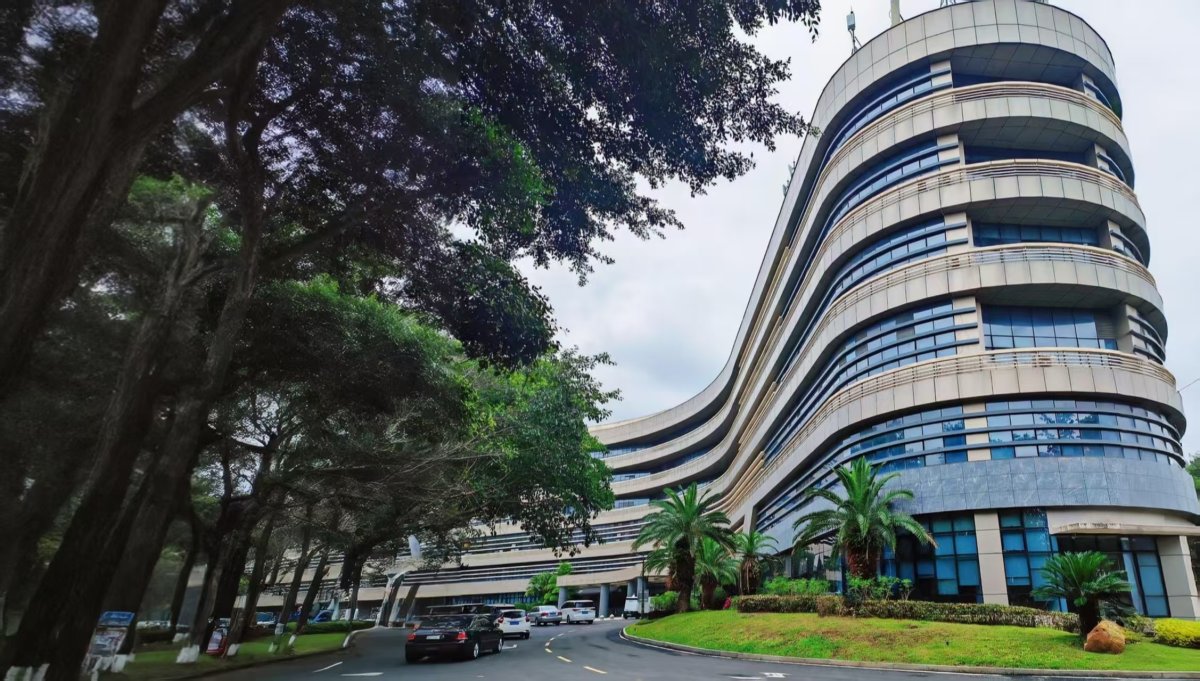
Boao International Medical Center
China, Qionghai


Revisado médicamente por
Fahad Mawlood
La atención neumológica en China suele costar entre $9,200 y $38,000. Los gastos totales dependen de la afección pulmonar específica, de si elige un hospital público o una clínica internacional, y de la duración de la estancia. Los pacientes internacionales suelen encontrar ahorros del 40-60% en comparación con los Estados Unidos para tratamientos avanzados.
Costos típicos de neumología en China
Los principales centros pulmonares se encuentran en Pekín, Shanghái y Cantón. Los costos en estas ciudades de primer nivel son generalmente más altos que en otras regiones debido a la concentración de instalaciones internacionales especializadas. Consulte con un especialista en neumología para obtener precios precisos para su diagnóstico específico.
| China | España | Turquía | |
|---|---|---|---|
| Terapia de depuración de las vías respiratorias | ≈ $250 | ≈ $450 | ≈ $250 |
| Neumonectomía | ≈ $24,000 | de $22,000 | de $9,800 |
| Dilatación broncoscópica con balón | ≈ $4,500 | ≈ $6,500 | de $15,000 |
| Cirugía de cáncer de pulmón | de $14,800 | de $29,900 | de $8,500 |
| Cierre de fístula bronquial vía broncoscopia | ≈ $6,500 | ≈ $5,200 | ≈ $3,800 |
Bookimed no añade cargos extra a los precios de los tratamientos de Neumología. Las tarifas proceden de las listas de precios oficiales de las clínicas. Pagará directamente en la clínica por su tratamiento a su llegada al país.
Bookimed está comprometido con su seguridad. Solo trabajamos con las clínicas que mantienen altos estándares internacionales en el tratamiento de Neumología y tienen las licencias necesarias para atender a pacientes internacionales en todo el mundo.
Bookimed ofrece asistencia experta gratuita. Un coordinador médico personal le apoya antes, durante y después del tratamiento, resolviendo cualquier problema. Nunca estará solo en su viaje médico de procedimientos de Neumología.

La profesora Liang Xiaoxiao es Directora del Departamento y Jefa de Servicio de Neurorrehabilitación. Cuenta con una maestría en neurología. Es experta en neuromodulación para trastornos de la conciencia, la cognición y el movimiento. Su labor se centra en casos de enfermedad cerebrovascular, enfermedad de Parkinson y afecciones relacionadas. También realiza inyecciones de toxina botulínica guiadas por ecografía para el blefaroespasmo, el espasmo hemifacial, la espasticidad de las extremidade
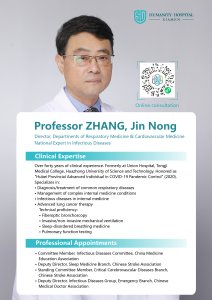
El profesor Zhang Jin Nong es director de Medicina Respiratoria y Cardiovascular y un experto nacional en enfermedades infecciosas. Cuenta con más de 40 años de experiencia clínica. En 2020 fue reconocido por la provincia de Hubei como persona destacada en el control de la COVID-19.
Su labor clínica se centra en las enfermedades respiratorias, la medicina interna compleja, las enfermedades infecciosas y el tratamiento del cáncer de pulmón avanzado. Domina la broncoscopia flexible, la v
 Olena Sikoza
La cirugía pulmonar en China es segura en los hospitales terciarios acreditados por la JCI en Pekín y Guangzhou. Estas instituciones utilizan protocolos avanzados de broncoscopia de fibra óptica y ventilación mecánica. Centros importantes, como el Hospital Oncológico Fuda, reciben pacientes de más de 100 países. Los cirujanos especializados suelen tener más de 40 años de experiencia.
Opinión de expertos de Bookimed: Los datos muestran una brecha significativa entre los centros oncológicos especializados y los hospitales generales. El Hospital Oncológico Fuda se especializa en tratamientos mínimamente invasivos para más de 30 000 pacientes internacionales. Este alto volumen de procedimientos especializados suele traducirse en mejores resultados de recuperación que en las clínicas generales más pequeñas. Elija
Los cirujanos torácicos chinos deben poseer un título de médico y completar hasta cinco años de formación quirúrgica especializada. Los especialistas más destacados suelen tener doctorados de prestigiosas facultades de medicina. Muchos alcanzan el rango de jefe de servicio tras más de 10 años de experiencia después de la residencia y de haber realizado más de 500 cirugías.
Opinión de expertos de Bookimed: El volumen de práctica clínica en China suele superar el promedio occidental, lo que proporciona a los cirujanos una amplia experiencia práctica. Por ejemplo, el Dr. Zhang Jin Nong del Hospital Humanitario de Xiamen cuenta con más de 40 años de experiencia. Elegir a un profesor de una institución de nivel III (Clase A) como el Hospital Internacional de Yanda garantiza el más alto nivel de certificación médica chin
Shanghái, Pekín y Cantón son los centros líderes a nivel mundial en cirugía torácica de alto volumen. Estas ciudades albergan centros de ultra alto volumen (UHVC, por sus siglas en inglés), que realizan más de 10 000 cirugías al año. El Hospital Pulmonar de Shanghái y el Hospital Torácico de Shanghái son líderes mundiales en el volumen de toracoscopias videoasistidas de puerto único y cirugías de timo.
Opinión de expertos de Bookimed: Los datos clínicos muestran una correlación directa entre el enorme volumen de pacientes y la seguridad en China. Instituciones docentes como el Hospital Internacional de Yanda atienden a 2.500.000 pacientes anualmente en 39 departamentos. Esta gran escala permite a los cirujanos dominar subespecialidades específicas, como las reconstrucciones complejas de las vías respiratorias, mucho más rápidamente que en los centros occidentales con
En China, la lobectomía toracoscópica suele requerir una hospitalización de 7 a 14 días. La recuperación postoperatoria generalmente dura de 2 a 7 días. En los principales centros torácicos, los pacientes suelen recibir el alta en 4 días si los pulmones se recuperan rápidamente y se les retiran los tubos torácicos.
Opinión de los expertos de Bookimed: Los datos de instituciones médicas especializadas como el Hospital Internacional Janda demuestran que las clínicas de categoría A III utilizan protocolos integrales para agilizar la recuperación. Si bien la estancia en la clínica es breve, los pacientes internacionales suelen requerir entre 10 y 14 días en la ciudad. Esto permite realizar los exámenes finales y retirar los puntos de sutura antes de los vuelos de larga distancia.
Comentarios de los pacientes: Los pacientes señalan que, si bien la
En China, se utilizan procedimientos pulmonares mínimamente invasivos mediante sistemas robóticos y broncoscopia moderna para tratar enfermedades torácicas. Entre las opciones principales se incluyen la cirugía torácica robótica (RATS) con el sistema da Vinci y la cirugía toracoscópica videoasistida (VATS). Estas técnicas permiten la resección y biopsia precisas de nódulos pulmonares a través de pequeñas incisiones.
Opinión de expertos de Bookimed: Los hospitales terciarios chinos, como Yanda International, atienden a un gran número de pacientes anualmente, hasta 2.500.000. Esta alta frecuencia de cirugías suele resultar en un nivel excepcionalmente alto de habilidad quirúrgica. Muchos centros líderes com
La recuperación tras una cirugía pulmonar mínimamente invasiva en China suele durar de 3 a 5 días. Los pacientes generalmente retoman sus trabajos sedentarios en un plazo de 4 semanas. La mayoría reanuda el ejercicio ligero en la sexta semana. La estabilización completa de la función pulmonar y los niveles de energía suele tardar de 3 a 12 meses.
Opinión de los expertos de Bookimed: Los principales centros médicos de China, como el Hospital Internacional Yanda, combinan protocolos internacionales estándar con enfoques tradicionales chinos para la recuperación. Esta integración suele ayudar a controlar la fatiga postoperatoria. Grandes instituciones médicas en Pekín y Guangzhou atienden a más de 1.000.000 de pacientes al año. Este volumen de trabajo garantiza la alta cualificación de sus equipos quirúrgicos en técnicas mínimamente invasivas.
Comentarios de los pacientes: Los pacientes señalan qu
Los centros de neumología chinos ofrecen servicios logísticos integrales, que incluyen recogida en el aeropuerto y servicios de intérprete médico. Grandes hospitales, como el Hospital Internacional de Yanda, brindan apoyo especializado a pacientes internacionales. La asistencia presencial suele incluir coordinación las 24 horas y ayuda con el registro local. Estos servicios ayudan a los pacientes a cumplir con los complejos requisitos de visado médico.
Opinión experta de Bookimed: Los datos del Hospital Internacional de Yanda muestran que las instituciones que atienden a 2.500.000 pacientes anualmente priorizan la logística interna. Estos grandes centros suelen combinar la medicina tradicional china con protocolos internacionales. Elegir un hospital acreditado por