Neumología en Austria — Costos 2026


Revisado médicamente por
Fahad Mawlood
¿Cuál es el precio de procedimientos de Neumología en Austria? Descubra ahora
Los costos típicos de neumología en Austria oscilan entre $12,400 y $50,300. Los precios varían según la complejidad clínica de la afección respiratoria, el tipo de intervención quirúrgica y la duración de la estancia hospitalaria. Aunque Austria es un destino de primer nivel, los pacientes pueden obtener ahorros del 15-25% en comparación con los EE. UU.
Costos típicos de neumología en Austria
- Chequeo somnológico: Precio a consultar
- Ergometría: de $150
- Cirugía de cáncer de pulmón: $42,000 – $68,000
- Neumonectomía: $28,000 – $41,000
- Terapia de dilatación con balón broncoscópico para EPOC: $4,500 – $7,500
- Cierre de fístula bronquial mediante broncoscopia: $5,000 – $9,000
- Terapia con células madre para EPOC: Precio a consultar
Viena y Graz son los principales centros de atención pulmonar avanzada en Austria. Las clínicas de Viena suelen albergar los centros de investigación más especializados, mientras que las instalaciones en Graz ofrecen estándares médicos altamente competitivos. Consulte con un especialista para obtener precios precisos para sus necesidades respiratorias específicas.
| Austria | España | Turquía | |
|---|---|---|---|
| Terapia de depuración de las vías respiratorias | ≈ $450 | ≈ $450 | ≈ $250 |
| Neumonectomía | ≈ $28,000 | de $22,000 | de $9,800 |
| Dilatación broncoscópica con balón | ≈ $4,500 | ≈ $6,500 | de $15,000 |
| Cirugía de cáncer de pulmón | ≈ $42,000 | de $29,900 | de $8,500 |
| Cierre de fístula bronquial vía broncoscopia | ≈ $5,000 | ≈ $5,200 | ≈ $3,800 |
Todas las enfermedades de Neumología
Sus beneficios y garantías con Bookimed
Precios directos
Bookimed no añade cargos extra a los precios de los tratamientos de Neumología. Las tarifas proceden de las listas de precios oficiales de las clínicas. Pagará directamente en la clínica por su tratamiento a su llegada al país.
Sólo clínicas y médicos verificados
Bookimed está comprometido con su seguridad. Solo trabajamos con las clínicas que mantienen altos estándares internacionales en el tratamiento de Neumología y tienen las licencias necesarias para atender a pacientes internacionales en todo el mundo.
Asistencia 24/7 gratuita
Bookimed ofrece asistencia experta gratuita. Un coordinador médico personal le apoya antes, durante y después del tratamiento, resolviendo cualquier problema. Nunca estará solo en su viaje médico de procedimientos de Neumología.

Su coordinador médico personal de Bookimed
- Le apoya en cada etapa
- Ayuda a elegir la clínica y el médico adecuados
- Asegura un acceso rápido y conveniente a la información
Descubra las mejores clínicas de Neumología en Austria: 4 opciones verificadas y Precios




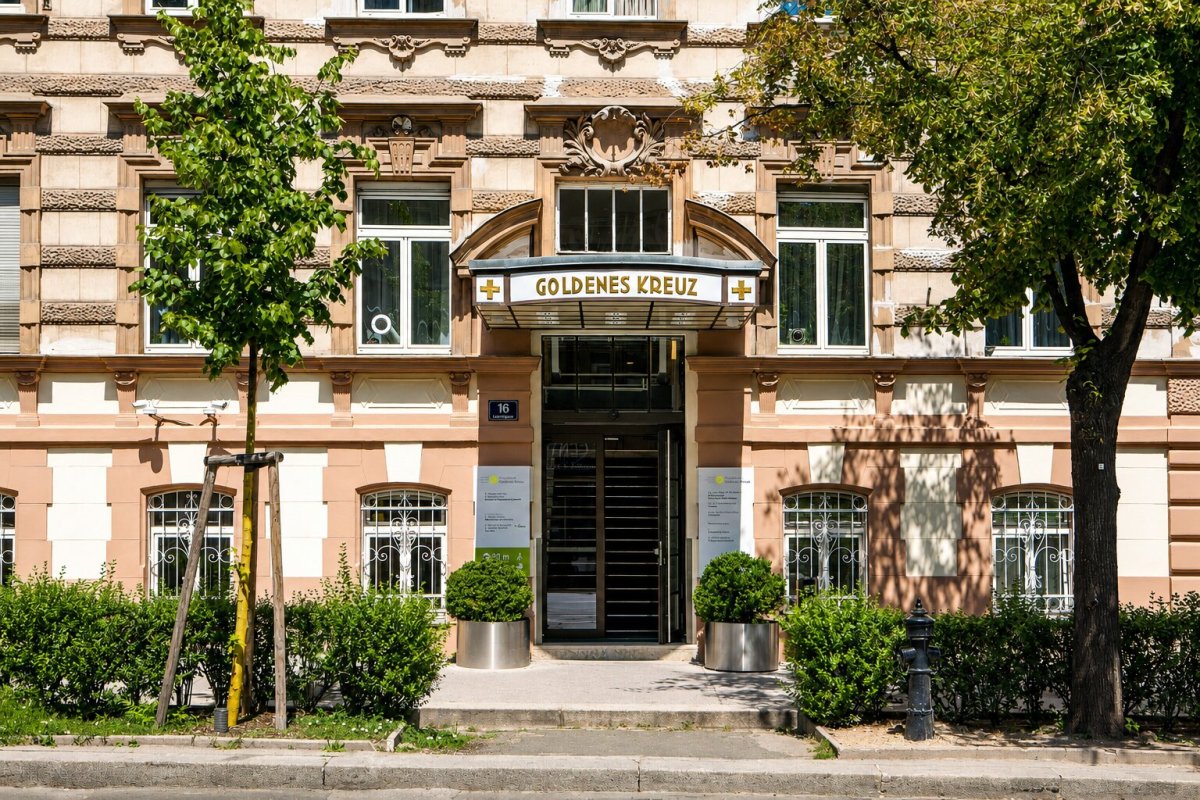
Confraternitaet & Goldenes Kreuz Private Hospital




Los mejores centros médicos de Neumología en Austria
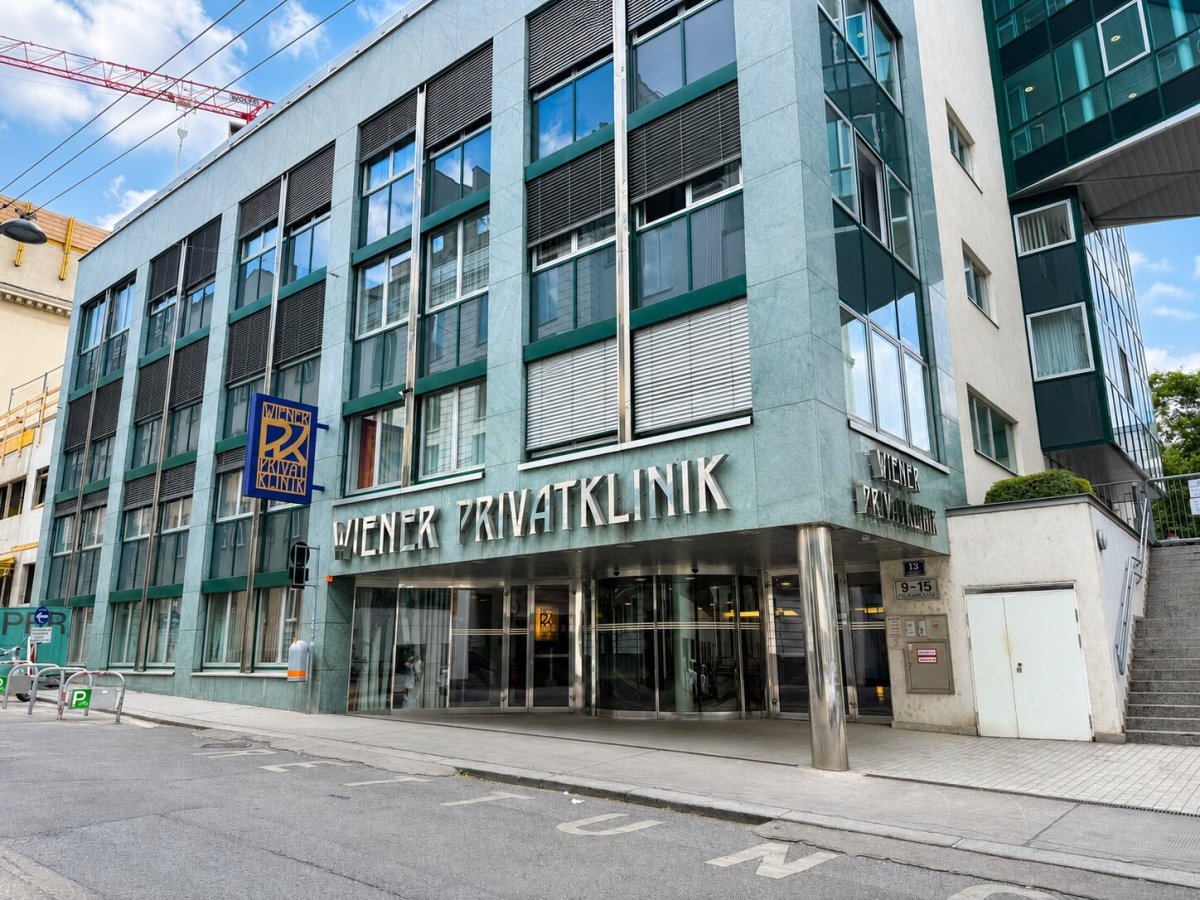
- Clínica privada Wiener (Wiener Privatklinik), Austria
- Confraternitaet & Goldenes Kreuz Private Hospital, Austria
- Vienna General Hospital, Austria
- Armona Medical Alpinresort, Austria
Reseñas
Todas las reseñasCompartir contenido
Historias en video de pacientes de Bookimed
 Olena Sikoza
Preguntas frecuentes sobre Neumología en Austria
¿Cuáles son las pruebas diagnósticas más utilizadas por los neumólogos austriacos?
Los neumólogos austriacos utilizan métodos avanzados de evaluación de la función pulmonar e imágenes de alta resolución para diagnosticar enfermedades respiratorias. El diagnóstico estándar incluye espirometría, pletismografía corporal total y radiografía de tórax. Centros especializados, como el Hospital General de Viena (AKH), ofrecen broncoscopia, ecografía endobronquial (EBUS) y pruebas moleculares para casos complejos de cáncer de pulmón o fibrosis.
- Función pulmonar: La espirometría y la pletismografía miden el volumen pulmonar, la velocidad del flujo de aire y la resistencia de las vías respiratorias.
- Pruebas de imagen: La radiografía de tórax y la tomografía computarizada de alta resolución (TCAR) pueden detectar fibrosis o malignidad.
- Procedimientos invasivos: La broncoscopia con ultrasonido endobronquial (EBUS) permite realizar una biopsia precisa de los ganglios linfáticos.
- Pruebas de laboratorio: Las pruebas de gases en sangre arterial (GSA) y de IgE sérica permiten evaluar la oxigenación y detectar reacciones alérgicas.
Opinión experta de Bookimed: Los pacientes que buscan diagnósticos en Viena se benefician de una alta concentración de centros médicos con certificación ISO. El Hospital General de Viena (AKH) atiende a 595.000 pacientes al año. Este enorme volumen garantiza que los especialistas se encuentren con frecuencia co
¿Se habla inglés con frecuencia en los hospitales austriacos?
En los grandes hospitales austriacos, el inglés es un idioma ampliamente hablado entre médicos y personal sanitario. Instituciones como el Hospital Privado de Viena y el Hospital General de Viena (AKH) mantienen un entorno multilingüe. Los especialistas suelen realizar investigaciones en inglés. Sin embargo, la comunicación entre el personal administrativo y de apoyo en las zonas rurales sigue siendo irregular.
- Tipo de clínica: Los hospitales privados de Viena generalmente ofrecen a los pacientes la oportunidad de hablar inglés con fluidez.
- Profesiones médicas: Los médicos suelen dominar el inglés gracias a su formación internacional y a sus actividades de investigación.
- Diferencias regionales: En las zonas rurales fuera de Viena o Salzburgo, el trabajo a menudo se realiza exclusivamente en alemán.
- Edad del personal: Los trabajadores sanitarios más jóvenes tienden a tener un mayor nivel de dominio del inglés que el personal de mayor edad.
Opinión experta de Bookimed: Nuestros datos muestran que clínicas como la Vienna Privatklinik emplean a más de 400 médicos, muchos de ellos profesores universitarios. Estos logros académicos casi siempre garantizan un alto nivel de inglés. Grandes centros como el Hospital General de Viena (AKH) atienden a 595 000 pacientes al año. Funcionan como pequeñas ciudades con una amplia infraestructura de apoyo i
¿Por qué Austria es un destino preferido para el turismo médico en el campo de la neumología?
Austria es un destino predilecto para los neumólogos gracias a su avanzada cirugía torácica y su eficiente infraestructura diagnóstica. Los centros líderes ofrecen acceso inmediato a procedimientos complejos, incluyendo el tratamiento quirúrgico del cáncer de pulmón y la terapia con células madre para la EPOC. El país combina la investigación universitaria con centros de rehabilitación alpina especializados para la recuperación de enfermedades respiratorias crónicas.
- Excelencia quirúrgica al más alto nivel: el Hospital General de Viena (AKK) realiza operaciones complejas como neumonectomías y trasplantes de pulmón.
- Diagnóstico moderno: las clínicas utilizan laboratorios moleculares e imágenes de resonancia magnética de alta resolución para un examen preciso del sistema respiratorio.
- Tratamiento especializado de la EPOC: En los centros médicos se ofrecen tratamientos innovadores como la dilatación broncoscópica con balón y la terapia con células madre.
- Entorno terapéutico: Armona Medical Alpinresort ofrece servicios de rehabilitación pulmonar en un entorno alpino prístino.
Opinión experta de Bookimed: Los datos revelan una clara divergencia en las estrategias de tratamiento de pacientes entre Viena y Kufstein. Mientras que el Hospital General de Viena (AKH) atiende a casi 600 000 pacientes y se especializa en cirugía de urgencia, centros e
¿Cuáles son los requisitos para la rehabilitación pulmonar en Austria?
Los pacientes que buscan rehabilitación pulmonar en Austria deben tener un diagnóstico de enfermedad pulmonar crónica que afecte significativamente su vida diaria. Se requiere una derivación de un neumólogo. Es necesario presentar resultados recientes de espirometría y pruebas de esfuerzo. Los pacientes deben estar físicamente capacitados para participar en programas diarios intensivos. La aprobación está supeditada a un pronóstico médico favorable.
- Necesidad médica: Se requiere confirmación diagnóstica de EPOC, asma grave o fibrosis pulmonar.
- Examen clínico: Se requieren pruebas espirométricas recientes, análisis de gases en sangre y prueba de caminata de seis minutos.
- Requisitos para participar en el programa: Los pacientes deben estar preparados mental y físicamente para realizar varias horas de ejercicio semanal.
- Criterios de cotización: Para tener derecho a la seguridad social (ÖGK), generalmente es necesario haber tenido síntomas respiratorios persistentes durante 3 meses o más.
Opinión de expertos de Bookimed: Solicitar rehabilitación en centros rurales como Kufstein puede reducir significativamente los tiempos de espera. Las clínicas de Viena, como el Hospital Central de Viena (AKH), atienden a más de 500 000 pacientes al año. Este elevado volumen suele generar listas de espera de seis meses para programas respiratorios programado
¿Cuáles son las últimas recomendaciones de viaje aéreo para pacientes con enfermedades respiratorias que vuelan a Austria?
Para vuelos a Austria, los pacientes con enfermedades respiratorias graves deben someterse a un examen médico previo al vuelo. Las aerolíneas cumplen con los estándares internacionales de aviación, ya que las cabinas presurizadas reducen los niveles de oxígeno. Para garantizar la seguridad, los pacientes deben presentar un certificado médico (MEDIF) con al menos 48 a 72 horas de antelación a la salida.
- Autorización médica: Envíe el formulario MEDIF entre 48 y 72 horas antes de su reserva de vuelo.
- Prueba de desafío hipóxico: Entre 4 y 6 semanas antes de su viaje, sométase a una prueba de desafío hipóxico (HCT, por sus siglas en inglés).
- Equipos de oxígeno: Utilice únicamente concentradores de oxígeno portátiles aprobados por la Administración Federal de Aviación (FAA) con batería de larga duración.
- Oxígeno a bordo: Contrate con antelación el servicio de oxígeno terapéutico con aerolíneas como Austrian Airlines, que tendrá un coste adicional.
Opinión de los expertos de Bookimed: Grandes centros como el Hospital General de Viena (AKH) atienden a más de 595 000 pacientes al año. Sus datos demuestran que los pacientes que requieren cirugía pulmonar compleja se benefician al elegir clínicas con centros de diagnóstico propios. Esto permite una evaluación inmediata tras el viaje y reduce el tiempo necesario para los exámenes preoperatorios.
<