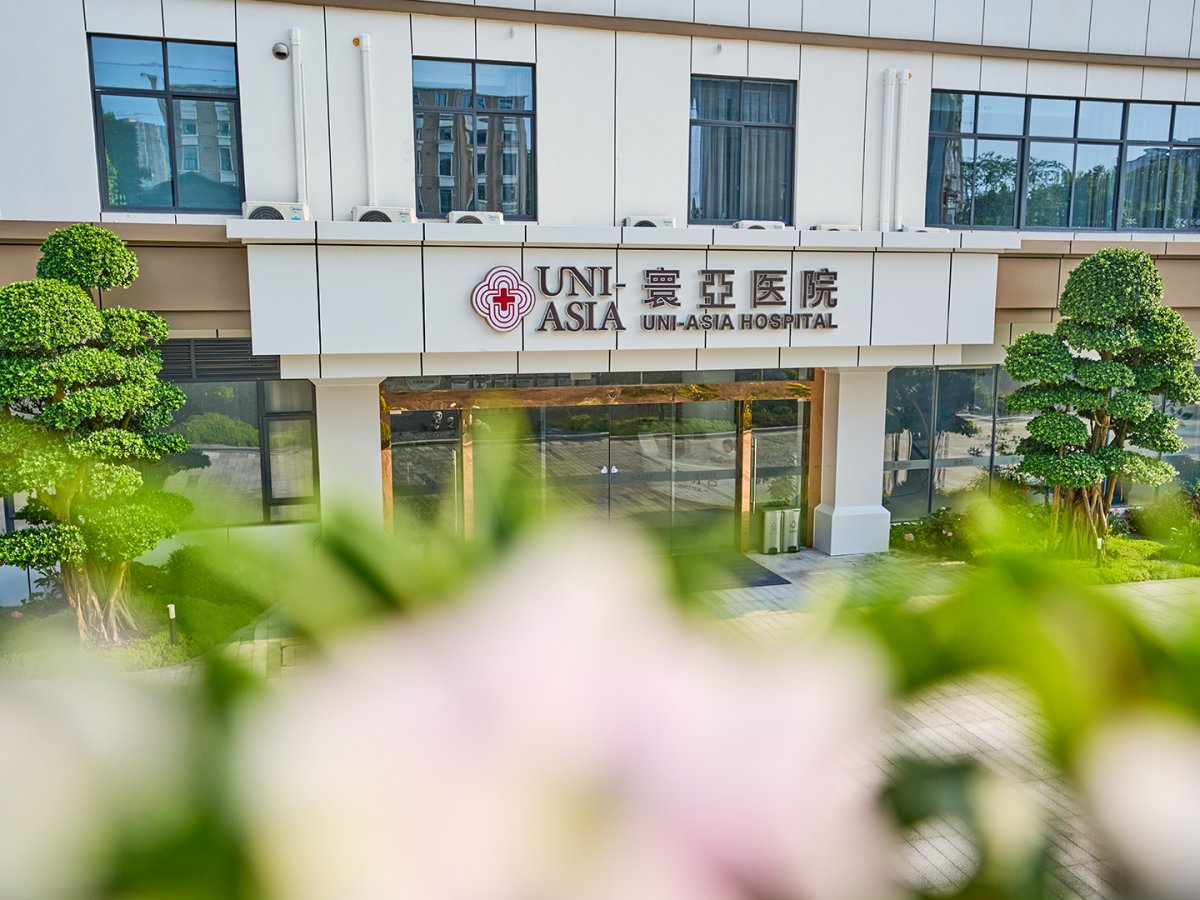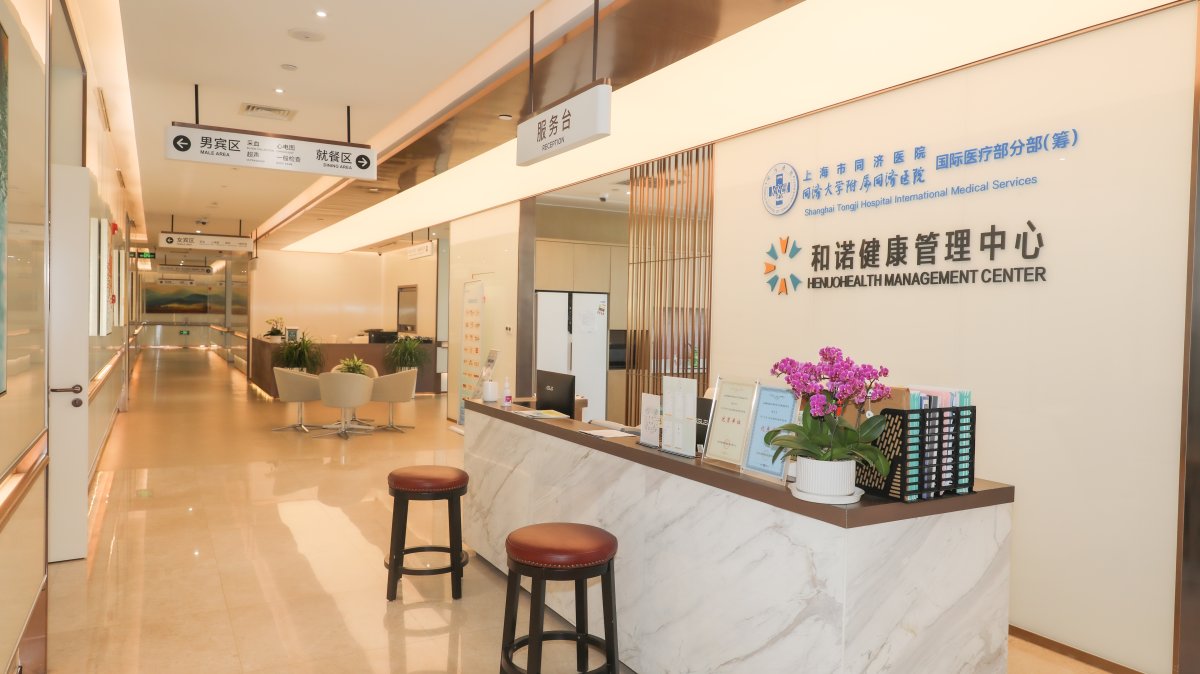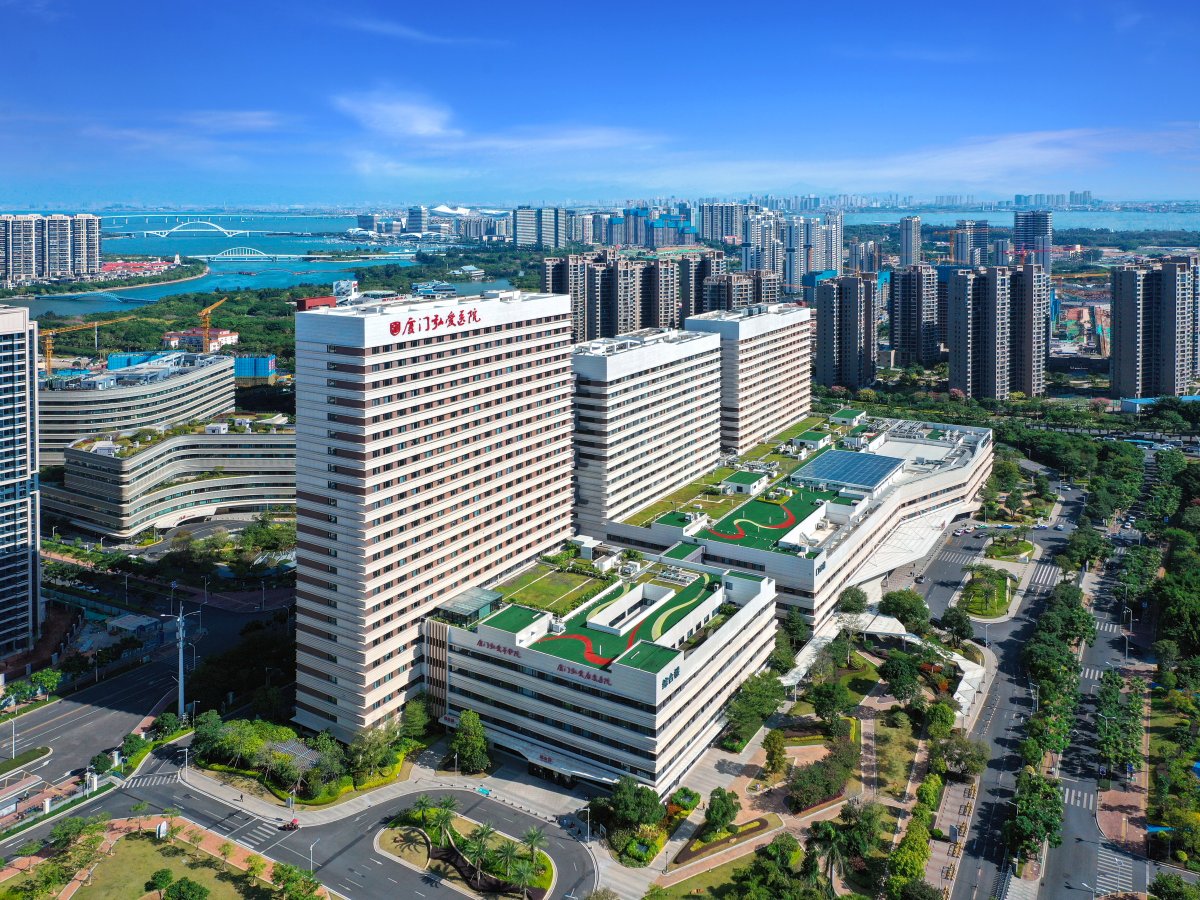
Hospital Xiamen Humanity
China, Xiamen


Revisado médicamente por
Fahad Mawlood
El costo del tratamiento del basalioma en China es significativamente más asequible que en los EE. UU., con procedimientos primarios como la microcirugía de Mohs que oscilan entre $2,200 y $4,500. Los gastos totales dependen de la complejidad del tumor, el nivel del hospital y la técnica elegida, como la criodestrucción, que va desde $2,200 hasta $4,800. Los pacientes internacionales suelen ahorrar entre un 50 y un 80% en comparación con las tarifas occidentales. Los principales centros médicos de oncología incluyen Guangzhou, Xiamen y Shanghái.
Costos típicos del tratamiento del basalioma en China
Perspectiva de los expertos de Bookimed: Para casos avanzados, los centros oncológicos especializados en Guangzhou ofrecen un mayor valor que las clínicas generales. El Hospital Oncológico Fuda ofrece criocirugía y más de 10 tipos de terapias mínimamente invasivas para pacientes en etapas avanzadas. Aquellos que buscan experiencia académica deben considerar el Hospital Humanity de Xiamen, donde el profesor Liu Shi Xin dirige la atención multidisciplinaria. Estas instalaciones acreditadas por la JCI ofrecen una infraestructura moderna a costos significativamente más bajos que los hospitales privados occidentales.
| China | España | Turquía | |
|---|---|---|---|
| Microcirugía de Mohs | ≈ $2,200 | de $7,300 | ≈ $1,500 |
| Escisión amplia de melanoma | ≈ $2,600 | de $5,000 | de $4,400 |
| Criodestrucción | ≈ $2,200 | ≈ $900 | de $500 |
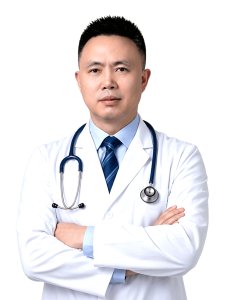
Médico jefe y profesor. Experto de nivel 1 en el Centro Oncológico del West China Hospital, Sichuan University (clasificado n.º 2 en China). Completó un posdoctorado en radiología intervencionista en el Chinese PLA General Hospital. Dirige equipos multidisciplinarios (MDT) para tumores complejos. Experto en oncología intervencionista mínimamente invasiva para cánceres de hígado, pulmón y páncreas.
Acreditaciones: Miembro del consejo, WATA. Miembro de los comités de CACA y CMDA sobre in

El profesor Luo Xiaoping es un radiólogo intervencionista reconocido a nivel nacional y una autoridad destacada en el oeste de China. Comenzó a realizar intervenciones vasculares pioneras a principios de la década de 1990. Ayudó a fundar el Grupo de Intervencionismo del Segundo Hospital Afiliado de la Universidad Médica de Chongqing.
Ha realizado más de 100 000 procedimientos intervencionistas, incluidos unos 4 000 casos complejos. Sus competencias clave incluyen TACE para el carcinoma

El Dr. He Weibing es pionero de la crioablación con argón‑helio en China, con más de 20 años de práctica en primera línea. Fue miembro fundador del Hospital Oncológico Fuda (Guangzhou). Cofundó su Centro de Tratamiento Tumoral Mínimamente Invasivo y fue subdirector ejecutivo. También ayudó a crear el Grupo de Ablación de la Asociación China contra el Cáncer. Ha sido operador principal en más de 10.000 procedimientos.
Se especializa en crioablación tumoral y domina la braquiterapia con

El profesor Xiao Yueyong es médico jefe del Departamento de Radiodiagnóstico del Hospital General del EPL de China. Es un experto líder en oncología intervencionista mínimamente invasiva. Es el primer presidente de WATA (2025–). Preside la Sociedad Internacional (2020–) y la Sociedad Asiática (2012–) de Crioterapia. También es subjefe del Grupo de Expertos de la NHC sobre regulaciones de ablación tumoral (2009–).
Ha realizado más de 100 000 procedimientos mínimamente invasivos guiados
 Olena Sikoza
La cirugía micrográfica de Mohs no está ampliamente disponible en todos los hospitales chinos. Está altamente concentrada en instalaciones acreditadas por la JCI y centros oncológicos de primer nivel en Pekín, Shanghái y Guangzhou. Centros especializados como el Fuda Cancer Hospital ofrecen seguimiento micrográfico de tumores para casos complejos de carcinoma basocelular facial.
Perspectiva de expertos de Bookimed: Aunque los pacientes a menudo buscan específicamente la cirugía de Mohs por su nombre, los datos de Bookimed muestran que el Xiamen Humanity Hospital y otros grandes centros terciarios tratan a más de 1.000.000 de pacientes al año utilizando cirugía plástica oncológica. Cuando no se utiliza la terminología exacta de Mohs, solicitar un control de márgenes mediante cortes congelados a menudo identifica los mismos
Las opciones reconstructivas en China tras la escisión de un basalioma incluyen colgajos cutáneos locales, injertos de espesor total y colgajos libres microquirúrgicos. Los centros oncológicos chinos utilizan un enfoque de escalera reconstructiva. Los cirujanos priorizan la coincidencia de la textura de la piel y la preservación de funciones vitales como el cierre de los párpados. Los centros acreditados por la JCI suelen realizar estos procedimientos.
Perspectiva del experto de Bookimed: Los datos de los principales centros terciarios chinos, como el Hospital Xiamen Humanity, muestran una escala masiva de operaciones, con alrededor de 1.000.000 de pacientes tratados anualmente. Este alto volumen permite a los equipos quirúrgicos especializarse en reconstrucciones de nicho. Por ejemplo, el Dr. Liu Shi Xin en Xiamen se centra en el manejo preciso de tumores. Los pacientes a menudo encue
Los pacientes pueden recibir tratamientos no quirúrgicos como la terapia fotodinámica y la crioterapia para el basalioma en China. Estas terapias están disponibles en centros oncológicos acreditados por la JCI y en grandes hospitales terciarios. Los especialistas a menudo reservan estas opciones para lesiones superficiales o pacientes que no pueden someterse a una cirugía tradicional.
Opinión del experto de Bookimed: Aunque muchos hospitales generales ofrecen crioterapia, los pacientes internacionales se benefician al elegir centros específicos de oncología como el Fuda Cancer Hospital. Este centro se centra en terapias mínimamente invasivas en lugar de la quimioterapia estándar para casos avanzados. Su acreditación JCI confirma que cumplen con los estándares de seguridad globales para procedim
Odomzo (sonidegib) es la principal terapia sistémica dirigida aprobada en China para el carcinoma basocelular avanzado. La Administración Nacional de Productos Médicos (NMPA) aprobó este inhibidor oral de la vía Hedgehog específicamente para pacientes adultos con enfermedad localmente avanzada que no pueden someterse a cirugía o radiación.
Perspectiva del experto de Bookimed: El Hospital Xiamen Humanity es un centro terciario acreditado para ensayos clínicos de fase I-IV. Esto es crucial para casos avanzados. Si las terapias estándar como el sonidegib fallan, estos centros acreditados proporcionan vías legales para acceder a ensayos clínicos de inhibidores de la vía Hedgehog de próxima generación.
Consenso de los pacientes: Los pacientes señalan que la aprobación de un medicamento no siempre garantiza su disponibilidad inmediata en el hospital. Reco
Los pacientes internacionales eligen China para el tratamiento del basalioma para acceder a terapias no invasivas avanzadas y centros oncológicos de alto volumen. Las instalaciones especializadas utilizan criodestrucción y terapias moleculares dirigidas. Estos centros ofrecen una programación rápida para casos complejos. Muchas instituciones cuentan con la acreditación JCI de seguridad.
Perspectiva del experto de Bookimed: El panorama oncológico de China se define por una escala masiva y centros de investigación especializados. El Xiamen Humanity Hospital atiende a 1.000.000 de pacientes al año y gestiona ensayos de fármacos de fase I-IV. Este alto volumen permite a cirujanos como el Dr. Liu Shi Xin obtener una profunda experiencia en radioterapia de precisión para neoplasias complejas. Los pacientes se benefician de esta experiencia clínica concentrada, que rara vez se iguala en sistem