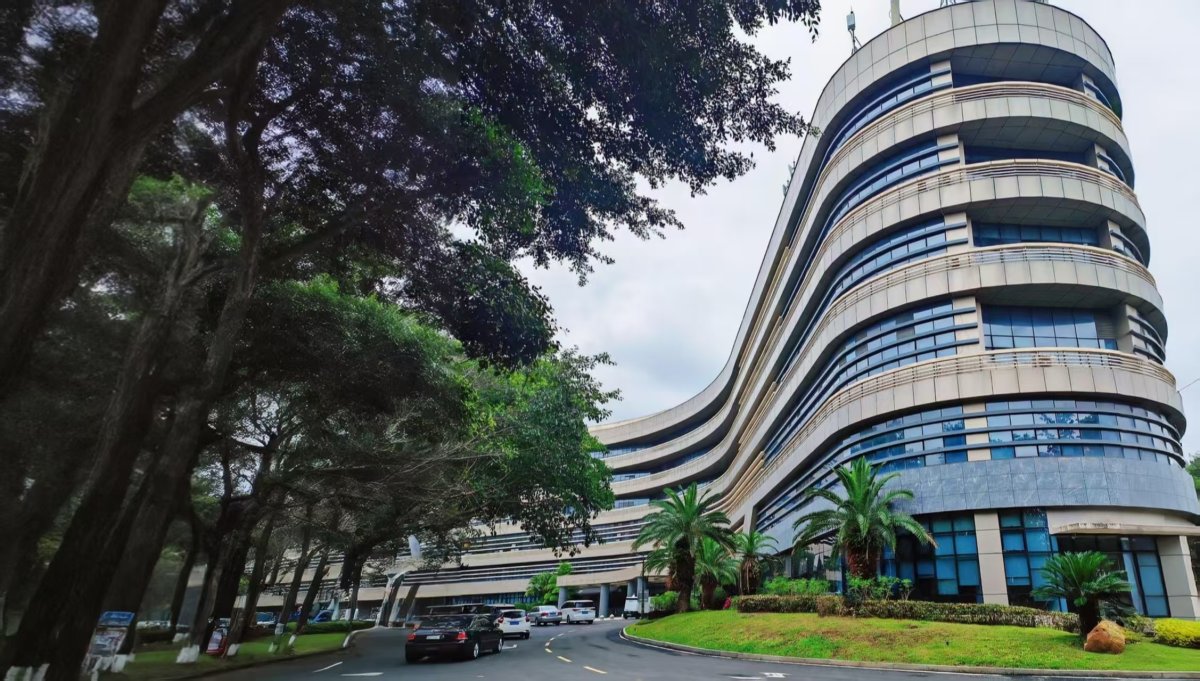
Boao International Medical Center
China, Qionghai


Revisado médicamente por
Fahad Mawlood
De $13,500. Los gastos totales dependen en gran medida de la presencia de complicaciones, el nivel del centro médico y el protocolo de tratamiento específico. Los pacientes internacionales a menudo encuentran ahorros significativos del 30-50% en comparación con los costos de atención médica en Occidente. Los principales destinos para recibir atención avanzada incluyen Pekín, Shanghái y Tianjin.
Costos típicos del tratamiento de la diabetes tipo 2 en China
Perspectiva de los expertos de Bookimed: Los pacientes que buscan atención integrativa deben considerar centros de nivel III Clase A, como el Hospital Internacional Yanda. Este centro combina tecnología occidental con medicina tradicional china bajo la supervisión de expertos como Fan Yun Pin. Este enfoque es ideal para el manejo de trastornos endocrinos complejos. El hospital mantiene la acreditación de la Joint Commission International (JCI) y atiende a más de 2.5 millones de pacientes al año, lo que garantiza altos estándares de seguridad para los pacientes internacionales.
| China | España | Turquía | |
|---|---|---|---|
| Terapia de reemplazo de hormonas bioidénticas (BHRT) | ≈ $1,200 | ≈ $900 | de $340 |
| Terapia con células madre para la diabetes | de $13,500 | ≈ $6,500 | ≈ $6,500 |
| Derivación biliopancreática | ≈ $11,500 | ≈ $12,500 | de $6,000 |
| Cirugía metabólica | ≈ $9,500 | de $16,800 | de $4,200 |
| Banda gástrica | ≈ $7,500 | de $5,600 | de $2,800 |
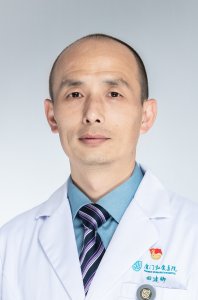
El Dr. Tian Jian Qing es director de Endocrinología y experto sénior en terapéutica endocrina y metabólica. Cuenta con más de 20 años de experiencia clínica. Anteriormente trabajó en el Hospital General del Mando Militar de Xinjiang y en el Hospital Renji de la Universidad Jiao Tong de Shanghái.
Ha publicado más de 20 artículos en revistas SCI y en revistas chinas de referencia. Es editor jefe de cuatro monografías y coeditor de otras cuatro. Ha elaborado más de 1.000 materiales de edu
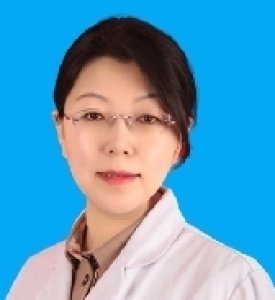
 Olena Sikoza
En China, el tratamiento quirúrgico de la diabetes tipo 2 se realiza en instituciones acreditadas por la JCI, siguiendo protocolos internacionales y caracterizándose por su alta seguridad. Estudios a gran escala demuestran una tasa de supervivencia del 100 % tras la cirugía metabólica en los principales centros. Las tasas de éxito en el control de la glucemia alcanzan el 90 %, dependiendo de la técnica quirúrgica empleada.
Opinión de expertos de Bookimed: Si bien muchos se centran en la cirugía, los mejores resultados en China suelen obtenerse en instituciones de "Nivel III de Clase A", como el Hospital Internacional de Yanda. Estas instituciones de primer nivel atienden a 2.500.000 pacientes anualmente y combinan protocolos quirúrgicos occidentales con departamentos especial
En China, se ofrecen cirugías metabólicas y trasplantes regenerativos de células madre para el tratamiento de la diabetes tipo 2. Los procedimientos estándar, como el bypass gástrico y la gastrectomía en manga, buscan la corrección hormonal. Las clínicas más avanzadas también realizan trasplantes autólogos de islotes pancreáticos, derivados de células madre. El objetivo de estos trasplantes es lograr la dependencia de la insulina a largo plazo en casos crónicos.
Opinión de un experto de Bookimed: Si bien muchos centros internacionales se centran exclusivamente en la pérdida de peso, los hospitales de categoría III en China, como el Hospital Internacional Yanda, combinan enfoques tradicionales con cirujanos altamente cualificados. El Dr. Fan Yun Ping, de
La cirugía metabólica para la diabetes en China requiere un diagnóstico de diabetes tipo 2 confirmado hace al menos seis meses. Los pacientes con un índice de masa corporal (IMC) superior a 32,5 tienen las mejores probabilidades de éxito. Los pacientes con un IMC entre 27,5 y 32,5 pueden someterse a cirugía si el tratamiento farmacológico no logra controlar la hiperglucemia. La función pancreática conservada es un requisito indispensable para el éxito.
Opinión de expertos de Bookimed: Los hospitales chinos de categoría A y nivel III, como el Hospital Internacional Yanda, ofrecen una ventaja significativa. Combinan la cirugía metabólica occidental con la medicina tradicional china para tratar los trastornos endocrinos. Este enfoque combinado busca estabilizar el síndrome metabólico de forma más in
En China, la cirugía para la diabetes logra la remisión inicial en el 70-90% de los pacientes con diabetes tipo 2. El éxito a largo plazo se consigue manteniendo los niveles de glucosa en sangre sin medicación durante cinco años o más. Los resultados dependen de la función de las células beta antes de la cirugía y de una duración de la enfermedad inferior a cinco años.
Opinión de expertos de Bookimed: Las instituciones médicas de primer nivel de China, como el Hospital Internacional Yanda, atienden a un gran volumen de pacientes. Esta magnitud permite a médicos como el Dr. Fan Yunpin combinar la cirugía metabólica occidental con los enfoques tradicionales chinos para el tratamiento de los trastornos endocrinos. Esta integración ayuda a combatir el síndrome metabólico, aprovechando más de 28 500
En China, la recuperación posoperatoria tras procedimientos metabólicos suele requerir una hospitalización de 3 a 7 días. Los pacientes generalmente comienzan a moverse dentro de las 20 horas posteriores a la cirugía. La recuperación física completa suele producirse entre 4 y 8 semanas después. Centros especializados, como el Hospital Internacional de Yanda, siguen protocolos de seguridad acreditados por la JCI.
Opinión de expertos de Bookimed: El Hospital Internacional Yanda es un hospital de categoría A, nivel III, la máxima calificación clínica en China. Este centro atiende a 2.500.000 pacientes anualmente y combina la medicina occidental con enfoques tradicionales. El Dr. Fan Yun Ping se especializa en el tratamiento del síndrome metabólico. El alto volumen de pacientes y la alta cualificación del personal suelen gara
Pekín y Shanghái son los principales centros de China para la cirugía metabólica de alta calidad. Estas ciudades albergan instituciones como el Hospital Internacional Yanda. Muchos centros cuentan con la acreditación JCI y ofrecen un tratamiento integral. Los departamentos especializados se centran en lograr la remisión a largo plazo de la diabetes tipo 2 mediante técnicas quirúrgicas avanzadas.
Opinión de expertos de Bookimed: El Hospital Internacional Yanda atiende a más de 2.500.000 pacientes al año y cuenta con la máxima calificación (Clase A III). Este elevado volumen de pacientes suele estar relacionado con protocolos quirúrgicos avanzados para el tratamiento del síndrome metabólico. Los pacientes deberían priorizar a médicos como el Dr. Fan Yun Ping, reconocidos líderes nacionales en medicina integrativa.
Opinión de los pacientes:

