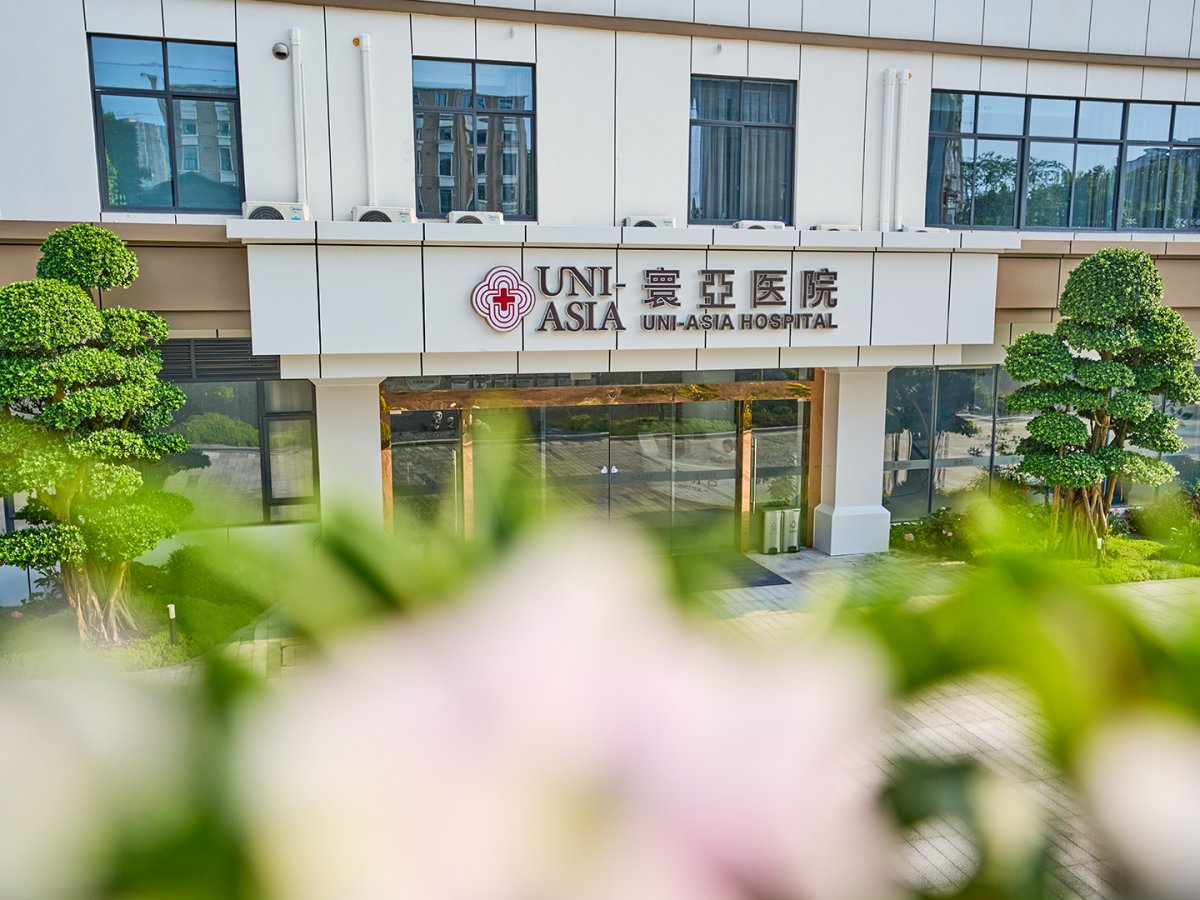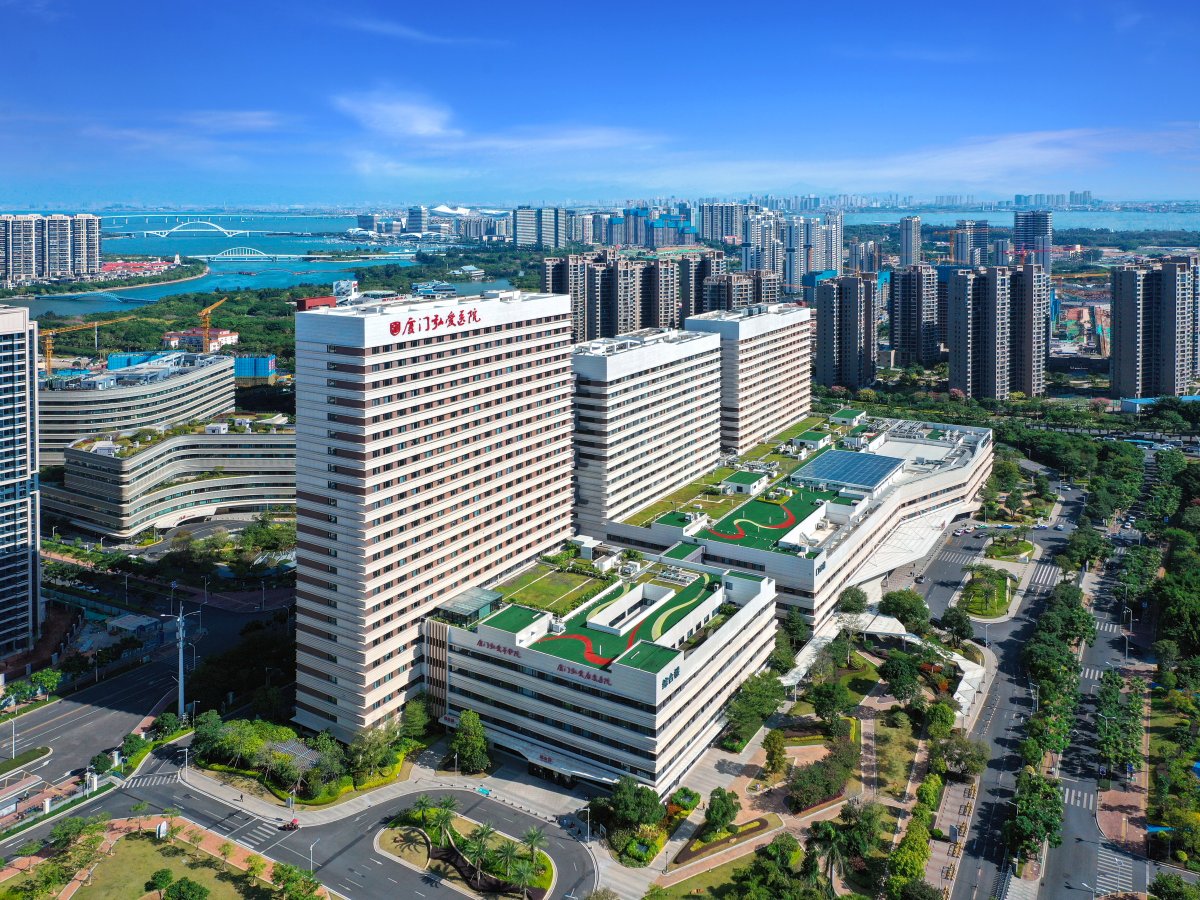
Hospital Xiamen Humanity
China, Xiamen


Revisado médicamente por
Fahad Mawlood
De $7,000. Los gastos totales dependen del estadio del cáncer, el nivel del hospital y la necesidad de atención multidisciplinaria compleja. Los pacientes suelen obtener ahorros del 40-60% en comparación con los EE. UU. Las principales ciudades para este tratamiento incluyen Guangzhou, Pekín y Shanghái.
Costos típicos del tratamiento del leiomiosarcoma en China
Perspectiva de los expertos de Bookimed: Los pacientes en estadios avanzados se benefician más de los centros que ofrecen alternativas a la terapia sistémica tradicional. El Fuda Cancer Hospital se especializa en opciones mínimamente invasivas como NanoKnife y criocirugía para casos complejos. Estas tecnologías son ideales para pacientes que no pueden tolerar la quimioterapia agresiva. Las instalaciones acreditadas por la JCI en Guangzhou brindan atención multidisciplinaria a más de 30,000 pacientes internacionales. Los hospitales terciarios como el Xiamen Humanity Hospital ofrecen experiencia quirúrgica de alto volumen con 1,000 camas para pacientes hospitalizados.
| China | España | Turquía | |
|---|---|---|---|
| Terapia con haz de protones | ≈ $28,000 | de $43,300 | de $25,000 |
| Radioterapia para sarcomas | ≈ $9,000 | de $9,000 | de $5,000 |
| Radioterapia para el cáncer colorrectal | ≈ $7,500 | de $7,500 | de $5,000 |
| Quimioterapia para el cáncer de mama | ≈ $14,800 | de $1,700 | de $1,900 |
| Linfadenectomía | ≈ $4,500 | ≈ $5,200 | de $4,000 |
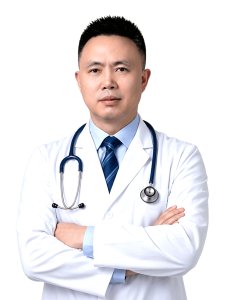
Médico jefe y profesor. Experto de nivel 1 en el Centro Oncológico del West China Hospital, Sichuan University (clasificado n.º 2 en China). Completó un posdoctorado en radiología intervencionista en el Chinese PLA General Hospital. Dirige equipos multidisciplinarios (MDT) para tumores complejos. Experto en oncología intervencionista mínimamente invasiva para cánceres de hígado, pulmón y páncreas.
Acreditaciones: Miembro del consejo, WATA. Miembro de los comités de CACA y CMDA sobre in

El profesor Luo Xiaoping es un radiólogo intervencionista reconocido a nivel nacional y una autoridad destacada en el oeste de China. Comenzó a realizar intervenciones vasculares pioneras a principios de la década de 1990. Ayudó a fundar el Grupo de Intervencionismo del Segundo Hospital Afiliado de la Universidad Médica de Chongqing.
Ha realizado más de 100 000 procedimientos intervencionistas, incluidos unos 4 000 casos complejos. Sus competencias clave incluyen TACE para el carcinoma

El Dr. He Weibing es pionero de la crioablación con argón‑helio en China, con más de 20 años de práctica en primera línea. Fue miembro fundador del Hospital Oncológico Fuda (Guangzhou). Cofundó su Centro de Tratamiento Tumoral Mínimamente Invasivo y fue subdirector ejecutivo. También ayudó a crear el Grupo de Ablación de la Asociación China contra el Cáncer. Ha sido operador principal en más de 10.000 procedimientos.
Se especializa en crioablación tumoral y domina la braquiterapia con

El profesor Xiao Yueyong es médico jefe del Departamento de Radiodiagnóstico del Hospital General del EPL de China. Es un experto líder en oncología intervencionista mínimamente invasiva. Es el primer presidente de WATA (2025–). Preside la Sociedad Internacional (2020–) y la Sociedad Asiática (2012–) de Crioterapia. También es subjefe del Grupo de Expertos de la NHC sobre regulaciones de ablación tumoral (2009–).
Ha realizado más de 100 000 procedimientos mínimamente invasivos guiados
 Olena Sikoza
El tratamiento de primera línea para el leiomiosarcoma en China prioriza la resección quirúrgica completa con márgenes negativos para tumores localizados. Los casos avanzados utilizan quimioterapia basada en antraciclinas. Los protocolos chinos integran de forma única inhibidores multiquinasa nacionales como el anlotinib junto con terapias sistémicas estándar. Los hospitales terciarios a menudo ofrecen tecnologías de precisión como CyberKnife o terapia de protones.
Perspectiva de expertos de Bookimed: El panorama oncológico de China ofrece una ventaja única de alto volumen para casos complejos. El Hospital Humanitario de Xiamen atiende a 1.000.000 de pacientes al año. Los grandes centros terciarios como el Hospital Oncológico Fuda utilizan intervenciones especializadas como la criocirugía y el NanoKnife. Este alto rendimiento garantiza que los cirujanos mantengan su competen
China gestiona el leiomiosarcoma uterino (uLMS) mediante protocolos quirúrgicos agresivos e investigación avanzada en medicina de precisión. Los centros de tratamiento se centran en la cirugía citorreductora secundaria para las recurrencias. También integran patología impulsada por IA para contrarrestar las altas tasas de diagnósticos quirúrgicos erróneos iniciales. La mayoría de las instalaciones utilizan subtipificación multiómica para predecir las respuestas a la quimioterapia.
Perspectiva del experto de Bookimed: La infraestructura oncológica de China está dividida de manera única entre centros terciarios de alto volumen y hospitales locales más pequeños. Los datos muestran que el Hospital Xiamen Humanity atiende a aproximadamente 1.000.000 de p
Los principales centros oncológicos chinos para el leiomiosarcoma incluyen el Fuda Cancer Hospital y el Xiamen Humanity Hospital. Estas instalaciones se especializan en la atención multidisciplinaria de sarcomas de tejidos blandos poco comunes. Integran estándares de seguridad acreditados por la JCI con tecnologías mínimamente invasivas avanzadas como NanoKnife y radiación de precisión para optimizar los resultados de los pacientes.
Perspectiva del experto de Bookimed: El volumen de pacientes sirve como un indicador de calidad crítico en China. El Xiamen Humanity Hospital trata aproximadamente a 1.000.000 de pacientes al año. Este alto rendimiento garantiza que los equipos médicos mantengan su experiencia en patologías raras como el leiomiosarcoma. Es posible que las clínicas más pequeñas carezcan de la profundidad multidisciplinaria necesaria para resecciones complejas.
Los centros oncológicos chinos ofrecen tratamientos avanzados para el leiomiosarcoma, como la terapia intervencionista vascular, la radiocirugía CyberKnife M6 y la criocirugía, cuando la quimioterapia falla. Los centros se centran en la destrucción precisa de tumores mediante NanoKnife o hipertermia por microondas. Los protocolos especializados a menudo incluyen TKI antiangiogénicos como el apatinib para restringir el suministro de sangre al tumor.
Perspectiva del experto de Bookimed: El Hospital Xiamen Humanity destaca por su enorme escala, tratando a 1.000.000 de pacientes al año en 47 departamentos clínicos. Este alto volumen a menudo se traduce en un acceso más rápido a ensayos clínicos de medicamentos. Los pacientes deben priorizar clínicas como esta cuando busquen ensayos académicos de fase I-IV para sarcomas refractarios. El profesor Li
China alberga ensayos de inmunoterapia activa y terapias combinadas para el leiomiosarcoma (LMS). La investigación se centra en combinar inhibidores de PD-1 con agentes antiangiogénicos, terapias dirigidas o reguladores epigenéticos. Estos enfoques ayudan a penetrar los tumores fríos. Los principales centros oncológicos de Guangzhou y Xiamen facilitan estos protocolos avanzados.
Opinión de expertos de Bookimed: El volumen de pacientes influye profundamente en el acceso a los ensayos en China. El Hospital Xiamen Humanity atiende a aproximadamente 1.000.000 de pacientes al año. Esta escala masiva a menudo se correlaciona con la acreditación para ensayos de medicamentos de fase I-IV. Es más probable que los grandes hospitales terciarios ofrezcan estos protocolos combinados experimentales que las clínicas oncológicas más pequeñas.
Consenso de los p
La Medicina Tradicional China sirve como una capa de atención de apoyo junto con la cirugía convencional, la radioterapia y la quimioterapia. Los protocolos integrados se centran en el manejo de los efectos secundarios del tratamiento, como las náuseas y la fatiga. Optimiza la salud constitucional y la recuperación sistémica sin reemplazar las intervenciones oncológicas definitivas para el sarcoma.
Perspectiva de expertos de Bookimed: Los pacientes deben tener en cuenta que los principales centros chinos, como el Hospital Xiamen Humanity y el Hospital Fuda Cancer, enfatizan los ensayos clínicos y las tecnologías avanzadas como el NanoKnife junto con las raíces tradicionales. La estrategia más eficaz consiste en asegurar un diagnóstico preciso y un plan quirúrgico en estos hospitales terciarios de alto volumen antes de incorporar la MTC para la recuperac