Ir a inicio
820К+ pacientes han recibido asistencia desde 2014
50 países
1,500 clínicas
6K+ reseñas
3K+ médicos calificados

¿Cuál es el precio del diagnóstico y los tratamientos de Enfermedad neurodegenerativa en China? Descubra ahora

El precio se proporciona bajo petición

Sus beneficios y garantías con Bookimed

Precios directos

Bookimed no añade cargos extra a los precios de los tratamientos de Enfermedad neurodegenerativa. Las tarifas proceden de las listas de precios oficiales de las clínicas. Pagará directamente en la clínica por su tratamiento a su llegada al país.

Sólo clínicas y médicos verificados

Bookimed está comprometido con su seguridad. Solo trabajamos con las clínicas que mantienen altos estándares internacionales en el tratamiento de Enfermedad neurodegenerativa y cuentan con las licencias necesarias para atender a pacientes internacionales en todo el mundo.

Asistencia 24/7 gratuita

Bookimed ofrece asistencia experta gratuita. Un coordinador médico personal le apoya antes, durante y después de su tratamiento, resolviendo cualquier problema. Nunca estará solo en su viaje médico de tratamiento de Enfermedad neurodegenerativa.

¿Por qué nosotros?

Su coordinador médico personal de Bookimed

  • Le apoya en cada etapa
  • Ayuda a elegir la clínica y el médico adecuados
  • Asegura un acceso rápido y conveniente a la información

Descubra las mejores clínicas de tratamiento de Enfermedad neurodegenerativa en China: 1 opciones verificadas y Precios

El ranking de clínicas de Bookimed se basa en algoritmos de data science, ofreciendo una comparación confiable, transparente y objetiva. Tiene en cuenta la demanda de pacientes, las puntuaciones de reseñas (positivas y negativas), la frecuencia de actualización de opciones de tratamiento y precios, la rapidez de respuesta y las certificaciones de las clínicas.

Obtenga una evaluación médica para Enfermedad neurodegenerativa en China: consulte con doctores experimentados ahora

Ver todos los médicos
verificado

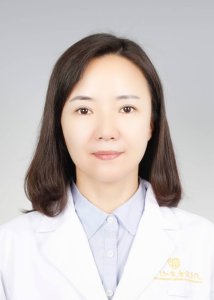
Shao Ming

32 años de experiencia

Especialista en epilepsia resistente con más de 900 procedimientos realizados. El Dr. Shao Ming lidera grupos de monitoreo neurofisiológico y ha introducido técnicas avanzadas de localización en China.
  • 31 años de experiencia en neurología
  • Becario postdoctoral en Harvard y la Universidad de Texas
  • Pionero en el uso de propofol para las pruebas de Wada en China
  • Autor de más de 50 artículos científicos
  • Múltiples cargos de liderazgo en sociedades de neurología chinas

Compartir contenido

Historias en video de pacientes de Bookimed

Dayana
Combiné mis vacaciones en Antalya con un chequeo médico.
Procedimiento: Chequeo femenino
Igor
¡Fue genial! Traslados, alojamiento, tratamiento, todo incluido.
Procedimiento: Implante dental
Clínica: WestDent Clinic
Marina
Bookimed se encargó de todo. No tuve que preocuparme por nada.
Procedimiento: Chequeo femenino
Actualizado: 10/23/2024
Escrito por
Olena Sikoza
Olena Sikoza
Сopywriter en español
Copywriter médica certificada responsable del contenido en español de Bookimed. Más de 7 años de experiencia en redacción sobre salud y turismo médico, con formación académica en edición científica y desarrollo de contenidos.
Fahad Mawlood
Editor médico y Científico de datos
Médico general. Ganador de 4 premios científicos. Sirvió en Asia Occidental. Es el ex jefe del equipo médico que soporta a pacientes de habla árabe. Ahora es responsable del procesamiento de datos y la precisión del contenido médico.
Fahad Mawlood Linkedin
Esta página puede incluir información relacionada con diversas afecciones médicas, tratamientos y servicios de salud disponibles en diferentes países. Tenga en cuenta que el contenido se proporciona sólo con fines informativos y no debe interpretarse como asesoramiento médico o orientación. Por favor consulte con su médico o con un profesional médico calificado antes de comenzar o cambiar el tratamiento médico.

Preguntas frecuentes sobre el tratamiento de Enfermedad neurodegenerativa en China

Estas preguntas frecuentes provienen de pacientes reales que buscan atención médica a través de Bookimed. Las respuestas son proporcionadas por coordinadores médicos experimentados y representantes autorizados de las clínicas.

What cutting-edge stem cell therapies are available for neurodegenerative diseases in China?

China offers advanced stem cell therapies for neurodegenerative diseases including Parkinson's and ALS. Treatments utilize human umbilical cord mesenchymal stem cells and neural stem cells. Procedures involve lumbar punctures or stereotactic injections. These techniques aim to promote synaptogenesis and reduce neuroinflammation.

  • Therapy framework: Regulatory oversight is managed by the NMPA and National Health Commission.
  • Clinical advancement: Researchers report high conversion rates of stem cells into dopamine-producing neurons.
  • Integrative protocols: Cellular transplantation is often combined with acupuncture and neural growth factors.
  • Medical infrastructure: Over 140 public hospitals are registered to conduct human clinical trials.

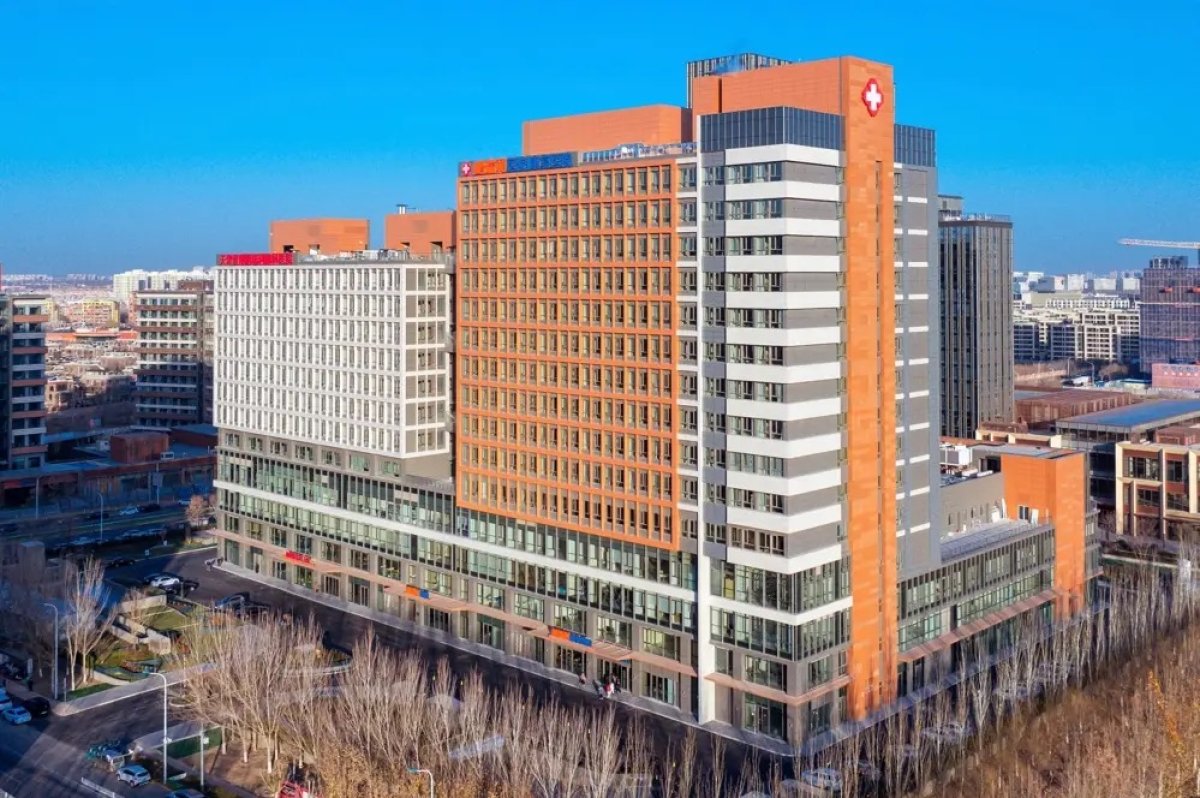
Bookimed Expert Insight: While many facilities focus on general care, Beijing and Tianjin host specialized institutions like Dr. Eber Brain Hospital. These centers maintain 300-bed capacities and 60+ departments specifically for motor function restoration. Dr. Shao Ming at these facilities brings global expertise from Harvard and UCLA. This highlights a shift toward high-capacity academic hubs rather than smaller commercial clinics.

Patient Consensus: Patients note it is vital to distinguish between registered hospital trials and standalone commercial centers. Many express that while functional improvements occur, verifying the exact cell source and trial endpoints is the most critical step before traveling.

What are the primary medical risks and side effects of these treatments?

Neurodegenerative treatments in China prioritize safety through advanced diagnostics at tertiary-level facilities. Primary risks include temporary swelling, local infection, or anesthesia complications. Specialized centers utilize neurophysiological monitoring during procedures. This technology helps protect motor and sensory functions throughout the treatment process.

  • Surgical safety: Procedures occur in facilities like Dr. Eber Brain Hospital.
  • Expert oversight: Dr. Shao Ming uses intraoperative neurophysiological monitoring.
  • Post-treatment effects: Temporary fatigue, dizziness, or mild nausea may occur.
  • Neurological monitoring: Continuous tracks help preserve speech and balance functions.

Bookimed Expert Insight: The integration of neurophysiological monitoring is a major safety signal at Chinese specialized centers. Dr. Shao Ming at Dr. Eber Brain Hospital is a global representative for this specialty. Using real-time electrical stimulation to map brain functions during surgery significantly reduces the risk of long-term speech or motor impairment.

Patient Consensus: Patients often mention that temporary weakness or speech changes can occur right after therapy. Most note these issues resolve quickly, but highlight the importance of thorough follow-up care for managing hardware or stimulation settings.

Are stem cell therapies legally approved and regulated by the Chinese government?

China strictly regulates stem cell therapies through a dual-track system managed by the National Health Commission and National Medical Products Administration. Legitimate treatments are limited to Class 3A hospitals and specific pilot zones. Clinical applications must use Good Manufacturing Practice certified laboratories to ensure cell traceability.

  • Dual-track oversight: National Health Commission oversees medical technology while NMPA regulates commercial drug pathways.
  • Authorized facilities: Therapy is restricted to Tier 3 Grade A public research hospitals.
  • Verified zones: Boao Lecheng Pilot Zone legally fast-tracks approved technologies for international patients.
  • Strict traceability: Hospitals must maintain end-to-end electronic records from laboratory preparation to patient.

Bookimed Expert Insight: Regulatory approval for stem cells in China does not equal a standard cure for neurodegenerative conditions. While centers like Dr. Eber Brain Hospital specialize in central nervous system disorders, they emphasize advanced diagnostic and rehabilitation methods. Our data highlights that top specialists like Dr. Shao Ming hold credentials from institutions like Harvard and the University of Texas. They focus on rigorous scientific protocols rather than unverified commercial claims found in smaller clinics.

Patient Consensus: Patients warn that centers promising guaranteed results for Parkinson's or ALS are major red flags. Experienced individuals emphasize choosing university-affiliated hospitals that provide clear trial registration and published ethics protocols.

What is Deep Cervical Lymphatic-Venous Anastomosis (dcLVA) for Alzheimer's?

Deep Cervical Lymphatic-Venous Anastomosis (dcLVA) is an experimental microsurgical procedure for Alzheimer's disease. Surgeons connect deep cervical lymphatic vessels to nearby veins. This bypass intends to flush metabolic waste like amyloid-beta. It aims to restore the brain's natural glymphatic drainage pathways.

  • Procedure goal: Enhances clearance of neurotoxic proteins from the central nervous system.
  • Surgical mechanism: Creates a drainage bypass to reduce pressure in lymphatic channels.
  • Regulatory status: China's National Health Commission prohibited its clinical use in July 2025.
  • Evidence level: Current benefits are limited to small-scale studies without control groups.

Bookimed Expert Insight: While dcLVA originated in research settings, its application shifted to specialized centers like Dr. Eber Brain Hospital in Tianjin. This facility operates 63 departments and employs about 400 doctors, emphasizing the professional infrastructure behind these procedures. However, the 2025 regulatory ban highlights the critical gap between a clinic's technical capacity and proven clinical efficacy for neurodegeneration.

Patient Consensus: Families note that while the plumbing mechanism sounds logical, the lack of mainstream medical adoption is a major red flag. They emphasize focusing on published human outcome data rather than emotional marketing or theoretical explanations of brain drainage.

How is Traditional Chinese Medicine combined with Western neurology protocols?

Chinese integrative protocols layer Traditional Chinese Medicine (TCM) onto evidence-based neurology to improve neuroplasticity. Clinical teams introduce acupuncture and herbal adjuncts to standard treatments like levodopa or thrombolysis. This combined approach targets chronic symptoms while minimizing drug side effects in specialized hospitals.

  • Strategic integration: TCM starts 3 to 10 days after acute stroke intervention.
  • Symptom management: Acupuncture addresses post-stroke dysphagia, muscle spasticity, and chronic nerve pain.
  • Safety protocols: Herbs are taken 2 hours apart from Western pharmaceutical drugs.
  • Diagnostic bridging: Progress is tracked using standard tools like the National Institutes of Health Stroke Scale.

Bookimed Expert Insight: Leading facilities like Dr. Eber Brain Hospital emphasize massive scales of infrastructure with 63 departments and 300 beds. This high volume allows doctors like Dr. Shao Ming to apply neurophysiological monitoring alongside traditional therapies. The real benefit often comes from the intensive, structured rehabilitation routines that combine daily medical supervision with manual TCM techniques.

Patient Consensus: Patients note that TCM works best as a layer for sleep and fatigue rather than a primary cure. Many emphasize that having neurologists and TCM doctors under one roof ensures medication safety while providing extra hands-on attention.

Does acupuncture effectively slow down neurodegeneration?

Acupuncture effectively manages symptoms of neurodegeneration but does not currently halt disease progression. Clinical evidence shows it improves cognitive scores and motor functions in Alzheimer's or Parkinson's cases. It works by reducing neuroinflammation and regulating neurotransmitters through safe peripheral nerve stimulation.

  • Symptom management: Alleviates muscle stiffness, pain, and sleep disorders.
  • Cognitive support: Electroacupuncture helps improve memory and cognitive scores.
  • Synergistic effects: Combining acupuncture with medications yields better short-term outcomes.
  • Biological impact: Stimulates dopamine release and brain-derived neurotrophic factor.

Bookimed Expert Insight: While acupuncture manages symptoms, Chinese facilities like Dr. Eber Brain Hospital emphasize neurophysiological monitoring for accuracy. Leading neurologists like Dr. Shao Ming focus on integrating these traditional approaches with advanced diagnostics. This hybrid model ensures supportive care never replaces critical medical interventions for complex brain disorders.

Patient Consensus: Patients note that acupuncture provides significant relief for muscle tightness and sleep. They emphasize it as a supportive tool rather than a cure for the condition.

Pedir una consulta gratis

Seleccione la mejor manera de contactarle