Enfermedad neurodegenerativa Tratamiento en Tailandia — Costos 2026


Revisado médicamente por
Fahad Mawlood
¿Cuál es el precio del diagnóstico y los tratamientos de Enfermedad neurodegenerativa en Tailandia? Descubra ahora
Sus beneficios y garantías con Bookimed
Precios directos
Bookimed no añade cargos extra a los precios de los tratamientos de Enfermedad neurodegenerativa. Las tarifas proceden de las listas de precios oficiales de las clínicas. Pagará directamente en la clínica por su tratamiento a su llegada al país.
Sólo clínicas y médicos verificados
Bookimed está comprometido con su seguridad. Solo trabajamos con las clínicas que mantienen altos estándares internacionales en el tratamiento de Enfermedad neurodegenerativa y cuentan con las licencias necesarias para atender a pacientes internacionales en todo el mundo.
Asistencia 24/7 gratuita
Bookimed ofrece asistencia experta gratuita. Un coordinador médico personal le apoya antes, durante y después de su tratamiento, resolviendo cualquier problema. Nunca estará solo en su viaje médico de tratamiento de Enfermedad neurodegenerativa.

Su coordinador médico personal de Bookimed
- Le apoya en cada etapa
- Ayuda a elegir la clínica y el médico adecuados
- Asegura un acceso rápido y conveniente a la información
Descubra las mejores clínicas de tratamiento de Enfermedad neurodegenerativa en Tailandia: 1 opciones verificadas y Precios
Obtenga una evaluación médica para Enfermedad neurodegenerativa en Tailandia: consulte con doctores experimentados ahora
Ver todos los médicos
Chollawat Thongthaisin
Especialista en Medicina Regenerativa – El Dr. Thongthaisin se centra en tratamientos de vanguardia para enfermedades neurodegenerativas en la Clínica Vega.
- Certificado en Medicina Regenerativa por el American Board
- Médico principal en Vega Stem Cell, investigando terapias avanzadas
- Experto en tratamientos antienvejecimiento y con células madre
- Trabaja en el grupo hospitalario privado más grande de Tailandia (BDMS)
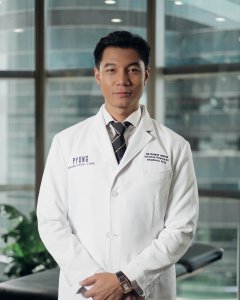
Kantaphong Thongrong
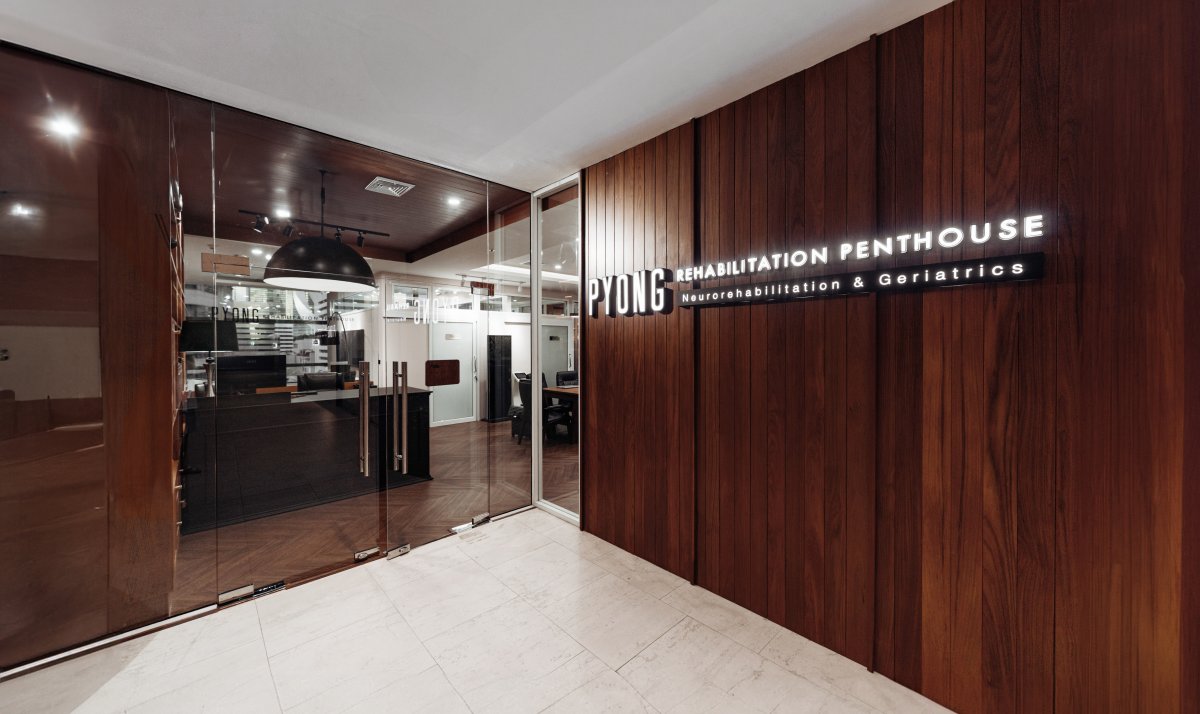
El Dr. Kantaphong Thongrong integra robótica avanzada y tecnologías no invasivas para la neurorrehabilitación en PYONG Rehabilitation Group.
- Fisiatra certificado con experiencia en recuperación de accidentes cerebrovasculares
- Pionero en entrenamiento de marcha con exoesqueletos portátiles para enfermedades neurodegenerativas
- Jefe de Rehabilitación en el Hospital King Mongkut Chaokhunthahan
- Investigador principal en investigación de neurorrehabilitación robótica
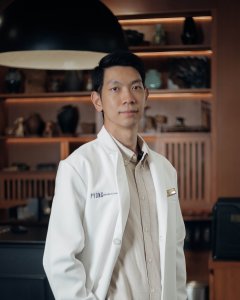
Tara Rak-areekul
La Dra. Tara Rak-areekul se especializa en neurología cognitiva y trastornos neurocognitivos, con investigaciones en curso sobre biomarcadores de la enfermedad de Alzheimer.
- Formación de subespecialidad en el King Chulalongkorn Memorial Hospital
- Jefa académica de residentes de neurología en 2023
- Presentó investigaciones en la Conferencia Internacional de la Asociación de Alzheimer
- Fundadora de CUMEMO, un canal de YouTube sobre prevención de la demencia
- Certificada en la escala de ictus NIH y tratamiento de ictus agudo
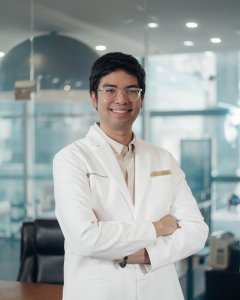
Somjet Tosamran
El Dr. Tosamran se especializa en neurología y cuenta con una subespecialización (fellowship) en epilepsia en el King Chulalongkorn Memorial Hospital.
- Neurólogo certificado por el consejo con residencia en el King Chulalongkorn Memorial Hospital
- Posee una maestría en medicina interna de la Universidad de Chulalongkorn
- Se graduó con honores de la Facultad de Medicina de la Universidad de Chulalongkorn
Compartir contenido
Historias en video de pacientes de Bookimed
 Olena Sikoza
Preguntas frecuentes sobre el tratamiento de Enfermedad neurodegenerativa en Tailandia
¿En qué tipos de enfermedades neurodegenerativas se especializan los hospitales tailandeses?
Los hospitales tailandeses se especializan en enfermedades neurodegenerativas como el Parkinson, el Alzheimer y la Esclerosis Lateral Amiotrófica (ELA). Los centros especializados en Bangkok utilizan neurotecnología avanzada para la recuperación de accidentes cerebrovasculares y trastornos del movimiento. Las instalaciones supervisadas por el Consejo Médico de Tailandia integran el entrenamiento de marcha asistido por robot y la terapia cognitiva en los protocolos de tratamiento.
- Tratamiento de accidentes cerebrovasculares: La atención multidisciplinaria se centra en la recuperación subaguda utilizando exoesqueletos portátiles y entrenamiento de marcha robótico.
- Trastornos de la memoria: Los especialistas proporcionan terapia cognitiva para el Alzheimer y la demencia, respaldada por investigación neurocognitiva.
- Trastornos del movimiento: El manejo avanzado para la enfermedad de Parkinson incluye optimización farmacológica y rehabilitación física.
- Atención neuromuscular: Programas de neurorrehabilitación dirigidos están disponibles para pacientes con ELA y Esclerosis Múltiple.
Perspectiva del experto de Bookimed: Los centros de neurorrehabilitación tailandeses como PYONG Rehabilitation Group destacan por ofrecer programas intensivos dirigidos por fisiatras certificados. Mientras que los hospitales generales proporcionan el diagnóstico,
¿Están disponibles en Tailandia tratamientos de vanguardia basados en evidencia para enfermedades neurodegenerativas?
Tailandia ofrece tratamientos avanzados basados en evidencia para enfermedades neurodegenerativas, incluyendo la estimulación cerebral profunda y la neurorrehabilitación especializada. Centros especializados en Bangkok utilizan entrenamiento de marcha robótico y estimulación magnética transcraneal para Parkinson y ELA. Los tratamientos son supervisados por el Consejo Médico de Tailandia para garantizar estándares profesionales.
- Neurorrehabilitación robótica: Centros de entrenamiento como el grupo PYONG Rehabilitation utilizan tecnología de marcha robótica para la recuperación.
- Terapias cognitivas: Las clínicas utilizan terapia cognitiva basada en realidad virtual para manejar los síntomas de Alzheimer y demencia.
- Neuromodulación: La estimulación magnética transcraneal (EMT) está disponible para la recuperación de accidentes cerebrovasculares y enfermedades neurodegenerativas.
- Intervenciones quirúrgicas: Los grandes hospitales proporcionan estimulación cerebral profunda (ECP) para controlar los síntomas motores de Parkinson.
Opinión del experto de Bookimed: Si bien muchos países se centran en medicamentos ambulatorios, la fortaleza de Tailandia es la rehabilitación de alta tecnología. El Dr. Kantaphong Thongrong en PYONG Rehabilitation integra entrenamiento robótico y exoesqueletos portátiles en el cuidado diario. Nuestros datos muestran
¿Qué hospitales tailandeses son reconocidos internacionalmente por la atención neurológica y de enfermedades neurodegenerativas?
Los principales hospitales tailandeses, como el Bangkok International Hospital y el Bumrungrad International Hospital, mantienen el reconocimiento internacional a través de la acreditación de la Joint Commission International (JCI). Estos centros cuentan con departamentos de neurociencia especializados. Destacan en el tratamiento de Parkinson, Alzheimer y accidentes cerebrovasculares utilizando tecnologías avanzadas de neurorrehabilitación e imágenes de precisión.
- Instalaciones especializadas: El Bangkok International Hospital ocupa el puesto 62 en Asia-Pacífico en servicios de neurología.
- Tecnología avanzada: Los centros utilizan estimulación magnética transcraneal (EMT) y entrenamiento de marcha robótico.
- Atención neuromuscular: Clínicas especializadas como PYONG Rehabilitation ofrecen programas dedicados para ELA y EM.
- Diagnósticos expertos: Las instalaciones ofrecen modernas tomografías PET-CT y terapia cognitiva basada en realidad virtual para la demencia.
Opinión del experto de Bookimed: Si bien los grandes hospitales presumen de altas clasificaciones, los resultados más efectivos de neurorrehabilitación a menudo provienen de clínicas especializadas dirigidas por médicos rehabilitadores. Por ejemplo, PYONG Rehabilitation trata a aproximadamente 300 pacientes al año utilizando sistemas de exoesqueleto portátiles. Este enfoque especializad
¿Tailandia ofrece rehabilitación integral para pacientes con Parkinson o accidente cerebrovascular?
Tailandia proporciona neurorrehabilitación especializada para la recuperación de Parkinson y accidentes cerebrovasculares a través de instalaciones acreditadas por la JCI y centros de rehabilitación dedicados. Los programas integran el entrenamiento de marcha robótico y la estimulación magnética transcraneal (TMS) con terapias tradicionales. Equipos multidisciplinarios de neurólogos y fisiatras diseñan protocolos personalizados para restaurar la función motora y la movilidad.
- Uso de neurotecnología: Las instalaciones utilizan sistemas de exoesqueleto portátiles y entrenamiento de marcha robótico para el reentrenamiento intensivo de la movilidad.
- Personal médico especializado: Los equipos incluyen fisiatras y neurólogos certificados que se especializan en trastornos del movimiento y neurocognitivos.
- Rango terapéutico: Los programas integrados combinan fisioterapia neurológica, terapia de deglución y del habla, y terapia ocupacional para obtener resultados.
- Procedimientos avanzados: Las clínicas ofrecen estimulación cerebral no invasiva e inyecciones de toxina botulínica para manejar la distonía compleja.
Opinión experta de Bookimed: El panorama de la rehabilitación en Bangkok está pasando de alas de hospitales generales a centros boutique liderados por especialistas como PYONG Rehabilitation. Estas instalaciones a menudo están dirigidas
¿Se pueden combinar de forma segura los tratamientos farmacológicos convencionales con terapias complementarias o tradicionales en Tailandia?
La combinación de terapias es segura cuando los especialistas médicos gestionan la integración. Tailandia integra la medicina tradicional en su sistema de salud pública. Los neurólogos en clínicas como PYONG Rehabilitation utilizan farmacología junto con entrenamiento de marcha robótico. La supervisión de especialistas evita interacciones medicamentosas adversas entre las prescripciones modernas y los remedios herbales.
- Organismo regulador: El Medical Council of Thailand supervisa los estándares clínicos y la seguridad.
- Métodos integrados: Los médicos combinan productos farmacéuticos con estimulación magnética transcraneal y terapias basadas en realidad virtual.
- Integración tradicional: La medicina tradicional tailandesa incluye 97 medicamentos herbales esenciales registrados oficialmente.
- Tecnología avanzada: Las instalaciones utilizan robótica de exoesqueleto UANGO y HIWIN para la recuperación motora.
Opinión de los expertos de Bookimed: Los centros de neurorrehabilitación tailandeses a menudo cierran la brecha entre la comodidad tradicional y la ciencia moderna a través de certificaciones especializadas. El Dr. Gerald Raphael Tur de la Vega Clinic posee certificaciones tanto en farmacología china como en osteopatía. Esta doble experiencia permite la combinación segura de acupuntura y apoyo nutricional sobre los protocolos neurológicos están