Osteocondrosis Tratamiento en China — Costos 2026


Revisado médicamente por
Fahad Mawlood
¿Cuál es el precio del diagnóstico y los tratamientos de Osteocondrosis en China? Descubra ahora
Sus beneficios y garantías con Bookimed
Precios directos
Bookimed no añade cargos extra a los precios de los tratamientos de Osteocondrosis. Las tarifas proceden de las listas de precios oficiales de las clínicas. Pagará directamente en la clínica por su tratamiento a su llegada al país.
Sólo clínicas y médicos verificados
Bookimed está comprometido con su seguridad. Solo trabajamos con las clínicas que mantienen altos estándares internacionales en el tratamiento de Osteocondrosis y cuentan con las licencias necesarias para atender a pacientes internacionales en todo el mundo.
Asistencia 24/7 gratuita
Bookimed ofrece asistencia experta gratuita. Un coordinador médico personal le apoya antes, durante y después de su tratamiento, resolviendo cualquier problema. Nunca estará solo en su viaje médico de tratamiento de Osteocondrosis.

Su coordinador médico personal de Bookimed
- Le apoya en cada etapa
- Ayuda a elegir la clínica y el médico adecuados
- Asegura un acceso rápido y conveniente a la información
Descubra las mejores clínicas de tratamiento de Osteocondrosis en China: 1 opciones verificadas y Precios


Obtenga una evaluación médica para Osteocondrosis en China: consulte con doctores experimentados ahora
Ver todos los médicos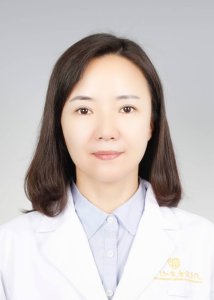
Liang Xiaoxiao
La profesora Liang Xiaoxiao es Directora del Departamento y Jefa de Servicio de Neurorrehabilitación. Cuenta con una maestría en neurología. Es experta en neuromodulación para trastornos de la conciencia, la cognición y el movimiento. Su labor se centra en casos de enfermedad cerebrovascular, enfermedad de Parkinson y afecciones relacionadas. También realiza inyecciones de toxina botulínica guiadas por ecografía para el blefaroespasmo, el espasmo hemifacial, la espasticidad de las extremidade
Compartir contenido
Historias en video de pacientes de Bookimed
 Olena Sikoza
Preguntas frecuentes sobre el tratamiento de Osteocondrosis en China
¿En qué se diferencia el tratamiento de la osteocondrosis en China del de los países occidentales?
China trata la osteocondrosis integrando la Medicina Tradicional China (MTC) con los protocolos ortopédicos occidentales. Mientras que la atención occidental sigue una transición gradual desde el reposo hasta la cirugía, los centros chinos como el Hospital Internacional Yanda emplean un enfoque holístico. Combinan productos farmacéuticos con preservación articular manual y rehabilitación supervisada por el hospital.
- Atención sanitaria integradora: Los médicos especialistas están cualificados tanto en MTC como en medicina occidental moderna.
- Enfoque del tratamiento: Los protocolos abordan los desequilibrios de salud sistémicos junto con la nutrición localizada de las articulaciones y el cartílago.
- Profundidad de la rehabilitación: Los paquetes a menudo incluyen 21 días de hospitalización para fisioterapia intensiva supervisada por el hospital.
- Accesibilidad: Los pacientes a menudo obtienen citas con especialistas el mismo día sin las demoras del sistema de derivación occidental.
Perspectiva del experto de Bookimed: La integración de métodos tradicionales y modernos es más evidente en las clínicas de Clase A de Nivel III de alto volumen. El Hospital Internacional Yanda mantiene 3.000 camas y utiliza más de 28.500 tecnologías. Esta escala masiva permite a cirujanos como el Dr. Li Guo Qiang realizar 9.000 operaciones al año. El alto volumen
¿Es necesaria la cirugía para la osteocondrosis en las clínicas chinas?
La cirugía no es necesaria universalmente para la osteocondrosis en China, ya que las clínicas priorizan las terapias conservadoras y no invasivas. Las decisiones dependen de la etapa de la enfermedad, la gravedad neurológica y la estabilidad articular. Los centros chinos de Nivel III Clase A integran protocolos quirúrgicos modernos con rehabilitación tradicional para gestionar eficazmente los casos avanzados.
- Protocolos conservadores: Las clínicas utilizan primero fórmulas herbales, acupresión y masaje Tui Na.
- Terapia integrada: Centros como el Hospital Internacional Yanda combinan la medicina occidental con técnicas de acupuntura.
- Mínimamente invasivo: Los especialistas prefieren la terapia con aguja-bisturí o el desbridamiento artroscópico para reducir el tiempo de recuperación.
- Cirugía avanzada: El reemplazo articular se reserva para la enfermedad en etapa tardía con un deterioro articular extenso.
Perspectiva del experto de Bookimed: La atención médica china utiliza un sistema hospitalario escalonado donde las clínicas de Nivel III Clase A, como el Hospital Internacional Yanda, ofrecen los estándares tecnológicos más altos. Estos centros atienden a más de 2,000,000 de pacientes al año y a menudo incluyen estancias hospitalarias de 21 días en los paquetes de tratamiento. Esta hospitalización prolongada garantiza que los pacientes re
¿Cuáles son las principales terapias de la Medicina Tradicional China (MTC) utilizadas?
Las terapias de la Medicina Tradicional China (MTC) se centran en equilibrar el Qi y la energía vital a través de los meridianos. Los métodos principales incluyen la acupuntura, las ventosas y la moxibustión. Clínicas como el Hospital Internacional Yanda integran estos enfoques tradicionales con protocolos modernos. Estas terapias controlan eficazmente el dolor y mejoran la movilidad.
- Acupuntura: Agujas estériles estimulan los puntos de los meridianos para aliviar el dolor crónico.
- Terapia de ventosas: La succión al vacío aumenta el flujo sanguíneo para reducir la inflamación profunda.
- Moxibustión: La quema de hojas secas de artemisa calienta los meridianos para estimular la circulación.
- Tui Na: Técnicas de masaje médico que se dirigen a los bloqueos musculares y la rigidez articular.
- Medicina herbal: Compuestos naturales personalizados que abordan los desequilibrios bioquímicos y metabólicos internos.
Perspectiva del experto de Bookimed: Los datos de clínicas de clase A de primer nivel, como el Hospital Internacional Yanda, muestran una gran dependencia de los tratamientos híbridos. Sus programas intensivos de 21 días combinan métodos tradicionales con algunas de las 28.500 tecnologías modernas disponibles. Esta duración permite el efecto acumulativo de las sesiones diarias que a menudo se requieren para probl
¿Qué opciones quirúrgicas avanzadas están disponibles en China?
Las opciones quirúrgicas avanzadas en China incluyen telecirugía impulsada por 5G, robótica guiada por IA y ortopedia de precisión de alto volumen. Los hospitales certificados de Clase A Nivel III utilizan sistemas nacionales como el MicroPort SP1000 para intervenciones de puerto único. Estos centros cumplen con los estándares internacionales de seguridad para cirugías complejas de preservación articular y reconstructivas.
- Plataformas robóticas: Los sistemas nacionales Toumai y KangDuo realizan resecciones urológicas y torácicas complejas.
- Precisión ortopédica: El sistema SkyWalker utiliza mapeo por IA para una alineación ósea perfecta en reemplazos articulares.
- Telecirugía: Los cirujanos realizan operaciones remotas en tiempo real mediante 5G a distancias superiores a los 8.000 kilómetros.
- Atención cerebrovascular: La radiocirugía Gamma Knife proporciona un tratamiento no invasivo para tumores cerebrales profundos.
Perspectiva del experto de Bookimed: Los hospitales chinos de Nivel 3A, como Yanda International, gestionan volúmenes masivos de pacientes de hasta 2.500.000 personas al año. Esta alta frecuencia permite a los cirujanos dominar rápidamente 28.500 tecnologías modernas. Las instalaciones a gran escala a menudo integran la medicina tradicional china con protocolos quirúrgicos occidentales para mejorar los tiempos de recuperació
¿Puede la MTC curar completamente la osteocondrosis?
La Medicina Tradicional China (MTC) no puede curar completamente la osteocondrosis porque no puede revertir el daño estructural óseo o del cartílago. La MTC sirve como una herramienta de gestión eficaz para reducir el dolor crónico, controlar la inflamación y mejorar la movilidad. Los casos complejos a menudo requieren protocolos quirúrgicos occidentales para estabilizar las articulaciones.
- Límites estructurales: El hueso necrótico o el cartílago fragmentado no pueden regenerarse mediante fórmulas herbales.
- Protocolos integrados: Los hospitales acreditados por la JCI en Pekín combinan la MTC con la medicina occidental para obtener mejores resultados.
- Manejo del dolor: La acupuntura estimula la liberación de endorfinas y mejora la circulación sanguínea localizada en los tejidos dañados.
- Apoyo funcional: El masaje médico y el Qigong fortalecen los músculos para aliviar la tensión mecánica en las articulaciones.
Perspectiva de expertos de Bookimed: El Hospital Internacional Yanda utiliza más de 28,500 tecnologías modernas mientras integra enfoques tradicionales. Los datos muestran que el manejo efectivo en China a menudo implica una estancia hospitalaria de 21 días. Esta duración intensiva permite a especialistas como el Dr. Li Guo Qiang combinar la fisioterapia con diagnósticos avanzados. Seleccionar una clínica de Clase A de nivel III ga
¿Cómo puede un paciente verificar la credibilidad de una clínica en China?
Para verificar una clínica en China, contraste sus credenciales con la plataforma de registro público de la Comisión Nacional de Salud (NHC). Las instalaciones legítimas deben mostrar una Licencia de Institución Médica física. Asegúrese de que el centro tenga una clasificación de Grado III, Clase A. Este es el nivel médico más alto en China.
- Jerarquía hospitalaria: Los centros de Grado III, Clase A ofrecen la mayor seguridad clínica y quirúrgica.
- Verificación digital: Utilice el portal NHC ZGCX para confirmar las licencias actuales de la instalación y del médico.
- Estándares globales: Busque la acreditación de la Joint Commission International (JCI) como marca de cumplimiento de seguridad.
- Rangos de médicos: Priorice a los médicos jefes o médicos jefes asociados para tratamientos complejos de columna.
Perspectiva del experto de Bookimed: Los centros de alta capacidad como el Hospital Internacional Yanda atienden a 2.500.000 pacientes al año. Este volumen suele indicar una infraestructura médica estable. Nuestros datos muestran que las principales instalaciones de Pekín a menudo integran más de 28.000 tecnologías modernas. A menudo combinan la medicina occidental con protocolos tradicionales. Una acreditación JCI en clínicas nacionales de gran escala sirve como un filtro de seguridad secundario confiable para pacientes internacionales.
¿Los hospitales chinos admiten pacientes extranjeros que no hablan chino?
Los hospitales chinos atienden a pacientes que no hablan chino a través de departamentos internacionales dedicados y clínicas privadas. Los centros acreditados por la JCI en ciudades importantes como Pekín ofrecen asistencia completa en inglés. Estos centros cuentan con médicos y personal administrativo bilingües. Los paquetes especializados para fisioterapia y osteocondrosis a menudo incluyen asistencia lingüística y traslados al aeropuerto.
- Clasificación hospitalaria: Los centros de clase 3A (Sanji Jiadeng) ofrecen el nivel más alto de atención.
- Apoyo lingüístico: Los departamentos internacionales proporcionan enfermeras bilingües e informes médicos en inglés.
- Estándares de acreditación: Los hospitales acreditados por la JCI, como el Hospital Internacional Yanda, mantienen protocolos de seguridad globales.
- Servicios incluidos: Los paquetes premium a menudo incluyen hospitalización, hoteles de 4 estrellas y traslados VIP al aeropuerto.
Perspectiva de expertos de Bookimed: Los niveles de apoyo lingüístico varían significativamente entre las divisiones públicas e internacionales. Si bien un hospital de clase 3A como Yanda International trata a 2.500.000 pacientes al año, sus servicios internacionales atienden a regiones globales específicas. Reservar un paquete de fisioterapia garantiza 21 días de hospitalización. Esta estructura evita l