Osteocondrosis Tratamiento en Tailandia — Costos 2026


Revisado médicamente por
Fahad Mawlood
¿Cuál es el precio del diagnóstico y los tratamientos de Osteocondrosis en Tailandia? Descubra ahora
| Tailandia | España | Turquía | |
|---|---|---|---|
| Fisioterapia | de $72 / 2,700฿ | de $120 / 4,400฿ | de $150 / 5,600฿ |
Sus beneficios y garantías con Bookimed
Precios directos
Bookimed no añade cargos extra a los precios de los tratamientos de Osteocondrosis. Las tarifas proceden de las listas de precios oficiales de las clínicas. Pagará directamente en la clínica por su tratamiento a su llegada al país.
Sólo clínicas y médicos verificados
Bookimed está comprometido con su seguridad. Solo trabajamos con las clínicas que mantienen altos estándares internacionales en el tratamiento de Osteocondrosis y cuentan con las licencias necesarias para atender a pacientes internacionales en todo el mundo.
Asistencia 24/7 gratuita
Bookimed ofrece asistencia experta gratuita. Un coordinador médico personal le apoya antes, durante y después de su tratamiento, resolviendo cualquier problema. Nunca estará solo en su viaje médico de tratamiento de Osteocondrosis.

Su coordinador médico personal de Bookimed
- Le apoya en cada etapa
- Ayuda a elegir la clínica y el médico adecuados
- Asegura un acceso rápido y conveniente a la información
Descubra las mejores clínicas de tratamiento de Osteocondrosis en Tailandia: 2 opciones verificadas y Precios






MedConsult Bangkok Medical Clinic
Obtenga una evaluación médica para Osteocondrosis en Tailandia: consulte con doctores experimentados ahora
Ver todos los médicos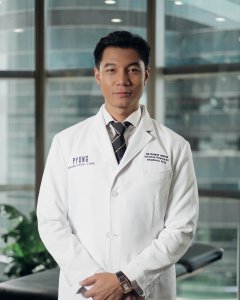
Kantaphong Thongrong
El Dr. PYONG integra robótica avanzada y tecnologías no invasivas para la rehabilitación, especializándose en dolor crónico y neurorrehabilitación en PYONG Rehabilitation Group.
- Fisiatra certificado con experiencia en intervenciones guiadas por ultrasonido
- Fundador de un centro de rehabilitación premium centrado en tratamientos innovadores
- Instructor principal en medicina musculoesquelética y de rehabilitación en KMITL
- Investigador principal en investigación de exoesqueletos portátiles para la recuperación de accidentes cerebrovasculares
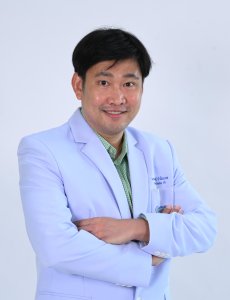
chutichate Pawaropart
El Dr. Chutichate Pawaropart es oftalmólogo con 22 años de experiencia. Tiene una subespecialidad en neuro-oftalmología. Ejerce en el Hospital Navamin9 en Bangkok. Habla inglés, tailandés y francés.
Acreditaciones y formación: MD por la Facultad de Medicina de la Universidad de Chulalongkorn. Certificado en Oftalmología, Facultad de Medicina, Universidad de Chulalongkorn. Formación de subespecialidad en Neuro-oftalmología, Universidad de la Sorbona, París, Francia.
Enfoque clíni
Compartir contenido
Historias en video de pacientes de Bookimed
 Olena Sikoza
Preguntas frecuentes sobre el tratamiento de Osteocondrosis en Tailandia
¿Por qué considerar Tailandia para el tratamiento de la osteocondrosis?
Tailandia es un líder mundial en el tratamiento de la osteocondrosis debido a sus altas tasas de éxito quirúrgico que alcanzan el 90%. Instalaciones como el Hospital Internacional Bumrungrad cuentan con acreditación JCI y utilizan robótica avanzada para la recuperación de la columna vertebral. Los pacientes se benefician de equipos multidisciplinarios que combinan neurología, ortopedia y rehabilitación especializada para garantizar una movilidad a largo plazo.
- Estándares de acreditación: Los hospitales mantienen las acreditaciones JCI y Global Healthcare Accreditation (GHA) para la seguridad.
- Equipos quirúrgicos expertos: Los especialistas utilizan técnicas mínimamente invasivas e imágenes digitales para mayor precisión.
- Rehabilitación integral: Los programas integran entrenamiento robótico de la marcha, fisioterapia y manejo del dolor.
- Precisión diagnóstica: Las clínicas utilizan resonancias magnéticas y tomografías computarizadas avanzadas para una estadificación precisa.
Perspectiva del experto de Bookimed: Aunque muchos buscan Tailandia para la cirugía, los datos muestran que su verdadera fortaleza reside en las opciones de rehabilitación a largo plazo. El Centro de Rehabilitación Sanpiti ofrece estancias con todo incluido de 30 días en suites privadas con tres sesiones de terapia diarias. Este seguimiento clínico prolongado suele s
¿Qué opciones de tratamiento hay disponibles para los defectos osteocondrales en Tailandia?
Tailandia ofrece tratamientos avanzados para defectos osteocondrales que van desde la microfractura artroscópica hasta el trasplante autólogo de osteocondral (OATS). Los centros especializados en Bangkok utilizan instalaciones acreditadas por la JCI para estos procedimientos. La selección del tratamiento depende del tamaño de la lesión, la profundidad y el nivel de actividad del paciente para garantizar la preservación de la articulación.
- Microfractura artroscópica: Pequeños orificios estimulan la médula ósea para crear nuevo fibrocartílago para defectos pequeños.
- Procedimiento OATS: Los cirujanos trasplantan tapones de cartílago sano de áreas que no soportan peso al sitio dañado.
- Terapias regenerativas: Las inyecciones de plasma rico en plaquetas (PRP) y ácido hialurónico apoyan la lubricación y curación de las articulaciones.
- Rehabilitación especializada: Los programas de fisioterapia intensiva en centros como PYONG Rehabilitation se centran en restaurar la movilidad.
Perspectiva de expertos de Bookimed: Los principales centros ortopédicos de Tailandia, como el Hospital Internacional Bumrungrad, mantienen múltiples acreditaciones internacionales como JCI y GHA. Esta certificación de doble capa es rara y señala un alto estándar para la logística quirúrgica. Los pacientes deben priorizar las clínicas con rehabilitación integrada, ya que
¿Cómo puedo verificar la calidad de una clínica ortopédica o cirujano tailandés?
Verifique la calidad comprobando la acreditación de la Joint Commission International (JCI) y la Global Healthcare Accreditation (GHA) para turismo médico. Confirme las licencias del cirujano a través de la base de datos del Medical Council of Thailand. Los mejores centros, como el Bumrungrad International Hospital, atienden a 1,000,000 de pacientes anualmente y poseen clasificaciones de Newsweek por excelencia clínica.
- Acreditación internacional: Asegúrese de que el centro posea certificaciones JCI o AACI.
- Credenciales del cirujano: Verifique que los especialistas tengan el estatus de Diplomado del Thai Board of Orthopedic Surgery.
- Volumen clínico: Centros de alto rendimiento como Bumrungrad emplean a 1,300 médicos en 70 departamentos especializados.
- Tecnología avanzada: Confirme el acceso a cirugía robótica y diagnósticos impulsados por IA para mapeo ortopédico.
Opinión del experto de Bookimed: Las señales de calidad en Tailandia se correlacionan fuertemente con el volumen de pacientes internacionales y la diversidad de especialidades. Bumrungrad informa que el 50 % de sus 1,000,000 de pacientes anuales provienen de 190 países. Esta alta demanda global obliga a las clínicas de primer nivel a mantener los estándares JCI e ISO para seguir siendo competitivas internacionalmente.
Consenso de los pacientes: Los paci
¿Cómo es la recuperación después de una cirugía osteocondral en Tailandia?
La recuperación en Tailandia sigue protocolos internacionales enfocados en la protección del injerto y la movilización temprana. Los pacientes suelen usar muletas hasta por 8 semanas para evitar que el injerto se desplace. La rehabilitación comienza de inmediato con máquinas de movimiento pasivo continuo. El manejo del dolor y el control de la hinchazón son los enfoques principales durante las semanas iniciales.
- Carga de peso: Los pacientes a menudo requieren estar sin carga de peso durante 6 a 8 semanas después de la cirugía.
- Ayudas de movilidad: Las muletas o soportes de alta calidad son esenciales para proteger la articulación durante el movimiento.
- Fisioterapia: Las sesiones intensivas se centran en el fortalecimiento muscular y la restauración del rango de movimiento de la articulación.
- Límites de actividad: El retorno a deportes de alto impacto generalmente toma de 6 a 12 meses después de la cirugía.
Opinión del experto de Bookimed: Las clínicas tailandesas como el Bumrungrad International Hospital ofrecen atención coordinada para más de 500,000 pacientes internacionales anualmente. Los datos muestran que una recuperación exitosa depende de tener un plan de fisioterapia preestablecido para cuando regrese a casa. Algunos centros tailandeses proporcionan guías digitales de rehabilitación para ayudar a su terapeuta local a seguir con
¿Son efectivas las opciones no quirúrgicas para la osteocondrosis en Tailandia?
Las opciones no quirúrgicas tratan eficazmente la osteocondrosis estable en Tailandia, particularmente en pacientes pediátricos y adolescentes. Especialistas certificados que trabajan en centros acreditados por la Joint Commission International emplean fisioterapia, inmovilización y modificación de actividades. Estos métodos conservadores logran altas tasas de éxito en lesiones en etapas tempranas sin recurrir a cirugía invasiva.
- Grupo objetivo: Más eficaz en pacientes jóvenes con placas de crecimiento abiertas.
- Terapias principales: Los programas incluyen fisioterapia especializada, uso de ortesis y restricciones de carga de peso.
- Enfoque diagnóstico: Las consultas neurológicas y ortopédicas confirman la estabilidad de la lesión antes del tratamiento.
- Tasas de éxito: Los casos leves y estables a menudo alcanzan una recuperación del 100 % con cuidados conservadores.
Opinión del experto de Bookimed: La infraestructura médica de Tailandia permite cuidados no quirúrgicos altamente especializados a través de médicos rehabilitadores certificados como el Dr. Kantaphong Thongrong. Mientras que muchas clínicas internacionales se centran en la cirugía, centros como PYONG o el Bumrungrad International Hospital utilizan equipos multidisciplinarios. Estos equipos a menudo integran entrenamiento robótico de la marcha y protocolos de fisioterapia ava
¿Qué ciudades tailandesas tienen los programas ortopédicos más sólidos?
Bangkok es el principal centro ortopédico de Tailandia. Cuenta con instalaciones de clase mundial acreditadas por la Joint Commission International, especializadas en reemplazo de articulaciones y cirugía de columna. Chiang Mai sirve como un centro secundario fuerte. Estas ciudades brindan acceso a cirujanos certificados y sistemas robóticos avanzados para la atención musculoesquelética.
- Liderazgo de Bangkok: Centros como el Hospital Internacional Bumrungrad atienden a más de 1 millón de pacientes anualmente.
- Volumen de expertos: Los especialistas con sede en Bangkok a menudo manejan casos complejos utilizando imágenes digitales y cirugía robótica.
- Acceso a Chiang Mai: Ofrece sistemas hospitalarios establecidos en un entorno más tranquilo para la recuperación ortopédica.
- Rehabilitación especializada: Instalaciones como el Centro de Rehabilitación Sanpiti brindan atención posoperatoria intensiva y fisioterapia.
Opinión experta de Bookimed: Las clínicas de Bangkok dominan el panorama debido al enorme volumen de pacientes y al reconocimiento internacional. El Hospital Internacional Bumrungrad, por ejemplo, ha sido clasificado entre los mejores hospitales del mundo durante varios años. Este alto volumen permite a los cirujanos adquirir experiencia más rápidamente en procedimientos asistidos por robot en comparación con centros regionales má