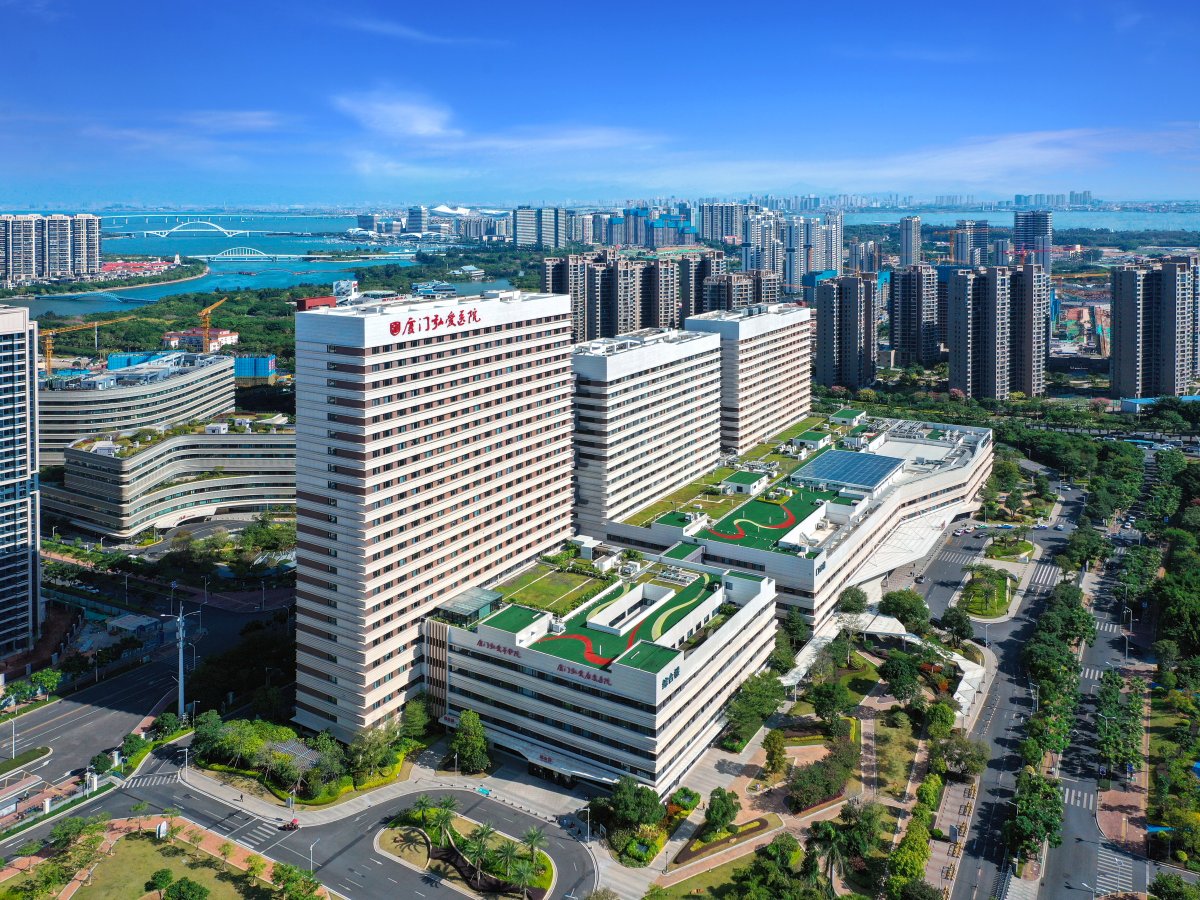
Hospital Xiamen Humanity
China, Xiamen


Revisado médicamente por
Fahad Mawlood
Bookimed no añade cargos extra a los precios de los tratamientos de Quiste pancreático. Las tarifas proceden de las listas de precios oficiales de las clínicas. Pagará directamente en la clínica por su tratamiento a su llegada al país.
Bookimed está comprometido con su seguridad. Solo trabajamos con las clínicas que mantienen altos estándares internacionales en el tratamiento de Quiste pancreático y cuentan con las licencias necesarias para atender a pacientes internacionales en todo el mundo.
Bookimed ofrece asistencia experta gratuita. Un coordinador médico personal le apoya antes, durante y después de su tratamiento, resolviendo cualquier problema. Nunca estará solo en su viaje médico de tratamiento de Quiste pancreático.

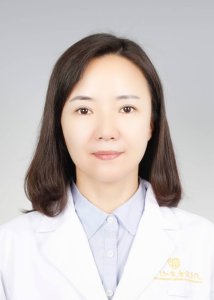
La profesora Liang Xiaoxiao es Directora del Departamento y Jefa de Servicio de Neurorrehabilitación. Cuenta con una maestría en neurología. Es experta en neuromodulación para trastornos de la conciencia, la cognición y el movimiento. Su labor se centra en casos de enfermedad cerebrovascular, enfermedad de Parkinson y afecciones relacionadas. También realiza inyecciones de toxina botulínica guiadas por ecografía para el blefaroespasmo, el espasmo hemifacial, la espasticidad de las extremidade
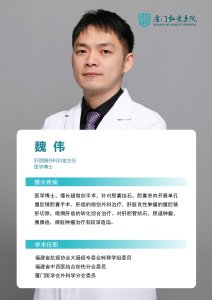
El Dr. Wei Wei, MD, es director del Departamento de Cirugía Hepatobiliar y Pancreática.
Se especializa en cirugía ultramínimamente invasiva. Sus procedimientos incluyen colecistectomía laparoscópica por puerto único para cálculos y pólipos de la vesícula biliar, tratamiento mínimamente invasivo del cáncer de hígado y hepatectomía laparoscópica para tumores hepáticos benignos. También realiza terapia de conversión para cáncer de hígado avanzado. Trata hepatolitiasis, tumores de la vía b

 Olena Sikoza
Para detectar un quiste pancreático, es necesario analizar los hallazgos radiográficos o patológicos para identificar la presencia de características mucinosas o no mucinosas. Los pseudoquistes y los cistadenomas serosos suelen ser benignos. En cambio, las lesiones quísticas mucinosas y las lesiones papilares mucinosas intraductales son precancerosas. Para prevenir la transformación maligna en dichas lesiones, se requiere un seguimiento cuidadoso o una intervención quirúrgica.
Opinión de un experto de Bookimed: Los centros hepatobiliares chinos, como el Hospital Humanitario de Xiamen, suelen contar con departamentos especializados en cirugía pancreática. El Dr. Wei Wei se especializa en tratamientos mínimamente invasivos para casos complejos. Los grandes hospitales multidisciplinarios de China atienden a un elevado volumen de pacientes, lo que permite una mayor precisión diagnóstica en quistes descubiertos in
En la mayoría de los casos, los quistes pancreáticos se controlan mediante estudios de imagen periódicos en lugar de recurrir a la cirugía inmediata. Los médicos recomiendan la observación atenta para quistes pequeños, estables y asintomáticos. La cirugía está indicada en casos con características de alto riesgo, como crecimiento rápido, presencia de componentes sólidos o dilatación de los conductos pancreáticos, para prevenir la transformación maligna.
Opinión de un experto de Bookimed: Si bien muchos hospitales generales recomiendan la cirugía tradicional, centros especializados como el H
Los médicos chinos identifican los signos de alerta de los quistes pancreáticos analizando imágenes en busca de nódulos densos en las paredes. Cirujanos especializados, como el Dr. Wei Wei del Hospital Humanitario de Xiamen, controlan los quistes para detectar la dilatación del conducto pancreático principal. Estos marcadores clínicos indican un mayor riesgo de transformación maligna. Los médicos priorizan el crecimiento rápido del quiste sobre su tamaño estático.
Opinión experta de Bookimed: El Hospital Humanitario de Xiamen atiende a más de 1.000.000 de pacientes al año y es un importante centro de atención terciaria. Este elevado volumen de pacientes permite a especialistas como el Dr. Wei Wei centrarse en técnicas mínimamente invasivas. Para las enfermedades pancreáticas, suelen utilizar la laparoscopia de puerto único para reducir el tiempo de recuperación. Los cen
Los centros médicos más grandes de China ofrecen técnicas quirúrgicas de vanguardia, desde resecciones robóticas hasta procedimientos mínimamente invasivos que preservan los tejidos. Los hospitales terciarios utilizan plataformas como el sistema da Vinci para cirugías hepatobiliares y pancreáticas complejas. Estas instituciones cuentan con departamentos de alto volumen especializados tanto en la extirpación radical de tumores como en técnicas de preservación de órganos.
Opinión de expertos de Bookimed: En China, el volumen de pacientes es el principal indicador de excelencia quirúrgica. El Hospital Humanitario de Xiamen atiende a 1.000.000 de pacientes al año y emplea a 460 médicos. Cirujanos especializados, como el Dr. Wei Wei, se especializan exclusivamente e
Los centros chinos ofrecen tratamiento no quirúrgico para los quistes pancreáticos mediante vigilancia activa y gastroenterología intervencionista. Los médicos utilizan ecografía endoscópica con punción aspirativa con aguja fina para evaluar el riesgo de malignidad. En pacientes de alto riesgo para quienes la cirugía está contraindicada, los especialistas pueden recurrir al drenaje endoscópico o a la colocación de endoprótesis para tratar eficazmente los pseudoquistes sintomáticos.
Opinión de expertos de Bookimed: El Hospital Humanitario de Xiamen destaca por su capacidad para tratar casos complejos, con 47 departamentos especializados. Esta amplitud es crucial para pacientes que no son candidatos a cirugía, ya que permite que equipos multidisciplinarios aborden las comorbilidades. E
Los quistes pancreáticos deben tratarse en hospitales terciarios especializados de Shanghái, Pekín o Xiamen. Los centros líderes ofrecen ecografía endoscópica y cirugía robótica DaVinci. Los centros médicos chinos emplean equipos multidisciplinarios para diferenciar las lesiones benignas de los quistes precancerosos. La elección de grandes instituciones académicas facilita el acceso a la estadificación molecular avanzada.
Opinión de expertos de Bookimed: Si bien los grandes centros como Shanghái son opciones tradicionales, el Hospital Humanitario de Xiamen ofrece ventajas únicas para pacientes internacionales. Como un gran centro de atención terciaria sin fines de lucro con 1000 camas,
La recuperación tras la extirpación de un quiste pancreático en China requiere hospitalización para estabilizar al paciente de forma segura. Generalmente, los pacientes reciben atención domiciliaria en un plazo de 14 días. Los cuidados a largo plazo se centran en mantener la salud digestiva y controlar la glucemia. En Xiamen, existen centros especializados en técnicas mínimamente invasivas para acelerar la recuperación.
Opinión experta de Bookimed: El Hospital Humanitario de Xiamen atiende a más de 1.000.000 de pacientes al año y cuenta con un departamento especializado en enfermedades pancreáticas. El Dr. Wei Wei se especializa en técnicas mínimamente invasivas. Estos procedimientos de puerto único suelen resultar en incisiones más pequeñas y un período de recuperación inicial más rápido. Los grandes centros como este brindan un seguimi