Tratamiento de Quiste pancreático en España — obtenga 3 coincidencias personalizadas de clínicas


Revisado médicamente por
Fahad Mawlood
Cómo funciona
¿Cuál es el precio del diagnóstico y los tratamientos de Quiste pancreático en España? Descubra ahora
Descubra las mejores clínicas de tratamiento de Quiste pancreático en España: 3 opciones verificadas y Precios





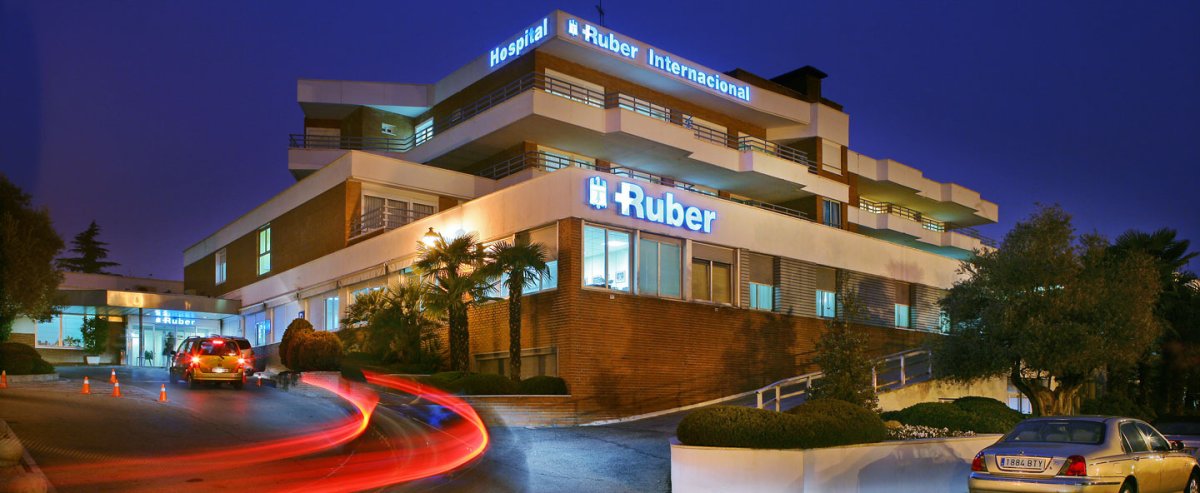



Obtenga una evaluación médica para Quiste pancreático en España: consulte con doctores experimentados ahora
Ver todos los médicos
Xavier Centeno Fornies
El Dr. Xavier Centeno se especializa en quistes pancreáticos en Centro Médico Teknon, con formación avanzada en Mayo Clinic y Cleveland Clinic Florida.
- 32 años de experiencia en cirugía gastrointestinal
- Formado en cirugía colorrectal laparoscópica en ICARD
- Acreditado por la ERAS-Society para protocolos de recuperación mejorada
- Miembro de la Sociedad Americana de Cirujanos de Colon y Recto
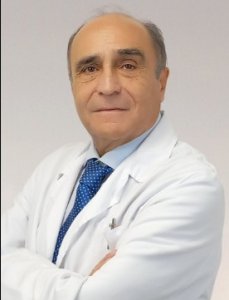
Cesar Canales Bedoya
El Dr. César Canales dirige desde 2015 el Servicio de Cirugía General y del Aparato Digestivo y la Unidad de Cirugía Laparoscópica y Robótica del Hospital Ruber Internacional (Madrid). Es cirujano general y del aparato digestivo con más de 30 años de experiencia. Está especializado en cirugía laparoscópica y robótica Da Vinci para casos complejos abdominales, oncológicos y de la pared abdominal.
Doctor en Medicina (cum laude, UAM) y licenciado en Medicina (con honores, UCM). Completó l
Compartir contenido
Historias en video de pacientes de Bookimed
 Olena Sikoza
Preguntas frecuentes sobre el tratamiento de Quiste pancreático en España
¿Qué tipo de quiste pancreático tengo y requiere cirugía inmediata?
Los especialistas en España clasifican los quistes pancreáticos como no mucinosos (benignos) o mucinosos (precancerosos). La cirugía inmediata es poco común a menos que aparezcan características de alto riesgo como ictericia, componentes sólidos o dilatación del conducto principal. La mayoría de los quistes solo requieren un seguimiento periódico mediante resonancia magnética o ecografía endoscópica en centros acreditados por la JCI.
- Criterios de diagnóstico: Los médicos evalúan el tamaño del quiste, la ubicación, la composición del líquido y la conectividad del conducto.
- Indicadores de alto riesgo: Se recomienda cirugía urgente para quistes de más de 3 centímetros con nódulos sólidos.
- Protocolo de seguimiento: Los quistes estables y de bajo riesgo generalmente se someten a imágenes cada 6 a 12 meses.
- Tecnología especializada: Los centros españoles utilizan resonancia magnética de 3 Teslas y sistemas robóticos Da Vinci para mayor precisión.
Perspectiva del experto de Bookimed: Los datos muestran que España es uno de los 5 principales destinos mundiales para la cirugía digestiva compleja. Centros como el Hospital Ruber Internacional y el Centro Médico Teknon cuentan con cirujanos con más de 30 años de experiencia. El Dr. Cesar Canales Bedoya se especializa en oncología robótica, lo cual es vital si el seguimiento revela cambios de alto r
¿Cómo deciden los hospitales españoles si un quiste es de bajo o alto riesgo?
Los hospitales españoles determinan los niveles de riesgo de los quistes pancreáticos utilizando directrices europeas basadas en evidencia, centradas en el tamaño y los cambios estructurales. Los médicos clasifican los quistes como de alto riesgo si superan los 30 mm. También monitorean tasas de crecimiento superiores a 5 mm por año o la aparición de nuevos síntomas de diabetes y pancreatitis.
- Vigilancia por imagen: Los médicos utilizan resonancia magnética de 3 Teslas y tomografías computarizadas para monitorear los cambios estructurales a lo largo del tiempo.
- Estigmas de alto riesgo: Las paredes gruesas, los nódulos murales o los componentes sólidos indican un mayor riesgo de malignidad.
- Afectación ductal: Un conducto pancreático principal dilatado es una señal de alerta importante para una intervención quirúrgica.
- Diagnóstico avanzado: La ecografía endoscópica y la aspiración con aguja fina analizan la citología del líquido si las características son preocupantes.
Perspectiva del experto de Bookimed: España ocupa el quinto lugar a nivel mundial en solicitudes médicas, en parte debido a su alto volumen de diagnósticos. El Hospital Universitario HM Sanchinarro atiende a 400.000 pacientes al año. Esta escala masiva permite a los especialistas identificar patrones de crecimiento raros que centros más pequeños podrían pasar por alto. Para
¿Cuándo se recomienda realmente la cirugía en lugar de la vigilancia?
La cirugía de quistes pancreáticos en España sustituye a la vigilancia cuando las pruebas de imagen revelan características de alto riesgo, como nódulos murales sólidos o una dilatación específica de los conductos. La transición a la cirugía es esencial si los quistes crecen rápidamente o causan síntomas como ictericia y pancreatitis. Los equipos multidisciplinares de los hospitales españoles acreditados por la JCI suelen confirmar estos desencadenantes quirúrgicos.
- Estigmas de alto riesgo: Presencia de componentes sólidos o nódulos murales dentro de la estructura del quiste.
- Afectación ductal: Una dilatación del conducto pancreático principal superior a 10 mm sugiere un estado precanceroso.
- Crecimiento rápido: Un aumento del tamaño del quiste durante el seguimiento mediante resonancia magnética (RM) o ecoendoscopia (USE).
- Síntomas clínicos: Aparición de dolor abdominal, ictericia o pancreatitis aguda recurrente.
Perspectiva de expertos de Bookimed: Centros españoles como el Hospital Ruber Internacional y el Centro Médico Teknon suelen priorizar la cirugía asistida por robot para estos casos. Los datos muestran que el Dr. César Canales Bedoya, un cirujano de primer nivel, utiliza el sistema Da Vinci Xi para tratar la oncología digestiva compleja. Elegir un centro que realice más de 6.000 cirugías al año garantiza que el equipo quirúrgic
¿Qué técnicas quirúrgicas se utilizan en España para los quistes pancreáticos de alto riesgo?
Los cirujanos españoles utilizan protocolos oncológicos estandarizados para tratar los quistes pancreáticos de alto riesgo. Las técnicas clave incluyen el procedimiento de Whipple, la pancreatectomía distal y la pancreatectomía total. Los centros líderes en Madrid y Barcelona utilizan sistemas robóticos Da Vinci Xi y laparoscopia para garantizar la precisión y una recuperación más rápida del paciente.
- Procedimiento de Whipple: Elimina la cabeza del páncreas, el duodeno y la vesícula biliar para quistes en la cabeza.
- Pancreatectomía distal: Se dirige a quistes en la cola o el cuerpo, a menudo preservando el bazo.
- Cirugía mínimamente invasiva: Los sistemas robóticos Da Vinci proporcionan visualización 3D para la reconstrucción compleja de tejidos.
- Técnicas de preservación del parénquima: La enucleación o resección central preserva el tejido sano para lesiones quísticas limítrofes.
- Análisis intraoperatorio: El análisis de márgenes por congelación confirma bordes limpios para prevenir la recurrencia del cáncer.
Perspectiva del experto de Bookimed: Los datos muestran que Madrid y Barcelona atienden volúmenes masivos de pacientes, con el Hospital Universitario HM Sanchinarro tratando a 400,000 personas anualmente. Esta alta frecuencia es crítica para la cirugía pancreática. Clínicas como el Hospital Ruber Internacion
¿Cómo debo elegir el hospital adecuado en España para el cuidado del páncreas?
Para elegir el hospital español adecuado para el cuidado del páncreas, priorice los centros acreditados por la Joint Commission International que realicen más de 20 resecciones pancreáticas al año. Busque equipos multidisciplinarios en Madrid o Barcelona que utilicen resonancia magnética de 3 Teslas y ultrasonido endoscópico para una estadificación precisa de los quistes y la planificación quirúrgica.
- Acreditación especializada: Busque instalaciones con certificación de la Joint Commission International (JCI) o ISO para mayor seguridad.
- Volumen quirúrgico: Seleccione hospitales que realicen al menos de 15 a 20 resecciones complejas cada año.
- Diagnóstico avanzado: Asegúrese de tener acceso in situ a resonancia magnética de alta resolución, PET-CT y ultrasonido endoscópico (EUS).
- Comités multidisciplinarios: Confirme que los casos sean revisados por oncólogos, radiólogos y cirujanos gastrointestinales especializados.
Perspectiva de expertos de Bookimed: La atención pancreática de primer nivel en España se concentra en Madrid y Barcelona. El Dr. César Canales Bedoya en el Hospital Ruber Internacional cuenta con una trayectoria de 30 años y ocupa los primeros puestos en cirugía digestiva. Si bien los grandes centros como el Hospital Universitario HM Sanchinarro gestionan 400.000 pacientes al año, elegir a un especialista enfocado dentro de
¿Cuánto tiempo debo permanecer en España después de una cirugía de páncreas?
Los pacientes internacionales suelen permanecer en España entre 10 y 14 días después de una cirugía de páncreas. La hospitalización dura de 5 a 15 días, dependiendo del tipo de procedimiento. Los cirujanos requieren una recuperación estable, que incluya tolerancia a la dieta y control del dolor, antes de autorizar a los pacientes para vuelos internacionales.
- Estancia hospitalaria: Espere de 5 a 15 días para procedimientos como la operación de Whipple.
- Estancia tras el alta: Permanezca en el país 7 días adicionales para controlar los drenajes quirúrgicos.
- Seguimiento de la recuperación: Los cirujanos confirman la movilidad y el apetito antes de aprobar el viaje de regreso a casa.
- Mínimamente invasivo: La recuperación puede ser más corta para las cirugías laparoscópicas en centros españoles avanzados.
Perspectiva del experto de Bookimed: Centros españoles como el Hospital Ruber Internacional y el Centro Médico Teknon utilizan el sistema Da Vinci Xi. Los hospitales de gran volumen que realizan más de 23.000 cirugías al año priorizan las técnicas mínimamente invasivas. Los enfoques laparoscópicos avanzados pueden reducir su estancia hospitalaria inicial a menos de 5 días. Esto permite una recuperación más cómoda en un hotel cercano.
Consenso de los pacientes: Los pacientes señalan que viajar demasiado pronto es difíc
¿Hablan inglés los médicos españoles y afectarán las barreras idiomáticas a mi atención?
El dominio del inglés es alto en el sector sanitario privado de España. Los especialistas líderes en Madrid y Barcelona suelen hablar inglés con fluidez. La mayoría de los centros acreditados por la JCI emplean personal bilingüe para garantizar la seguridad. Las barreras idiomáticas rara vez afectan la atención clínica en estos centros orientados al ámbito internacional.
- Formación especializada: Muchos médicos completaron becas en EE. UU. o el Reino Unido.
- Coordinación clínica: Los hospitales privados proporcionan coordinadores dedicados para pacientes internacionales.
- Estándares de acreditación: Los centros acreditados por la JCI mantienen protocolos de comunicación rigurosos para la seguridad.
- Enfoque tecnológico: Los profesionales que utilizan sistemas Da Vinci a menudo se forman en inglés.
Opinión de expertos de Bookimed: Los datos muestran un vínculo claro entre el ranking global de una clínica y su dominio del inglés. Hospitales como el Centro Médico Teknon o Ruber Internacional atienden a más de 25.000 pacientes al año. Sus cirujanos, como el Dr. Cesar Canales Bedoya, publican frecuentemente en revistas internacionales. Este compromiso global garantiza que puedan discutir patologías complejas y riesgos quirúrgicos en inglés de manera efectiva.
Consenso de los pacientes: Los pacientes señalan que, aunque lo