Tratamiento de Quiste pancreático en Alemania — obtenga 3 coincidencias personalizadas de clínicas


Revisado médicamente por
Fahad Mawlood
Cómo funciona
¿Cuál es el precio del diagnóstico y los tratamientos de Quiste pancreático en Alemania? Descubra ahora
Descubra las mejores clínicas de tratamiento de Quiste pancreático en Alemania: 4 opciones verificadas y Precios



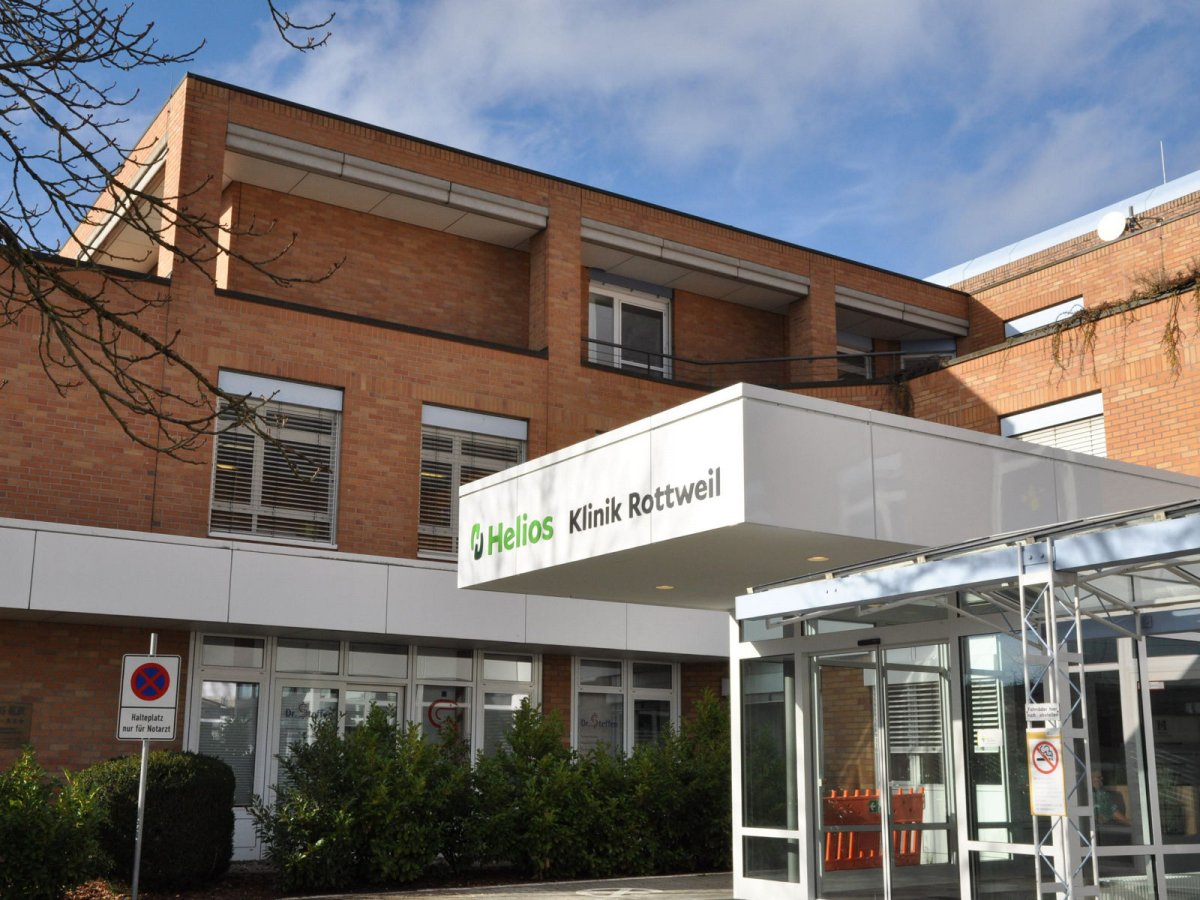


Medical Center in Solingen
Peter Schenker




Obtenga una evaluación médica para Quiste pancreático en Alemania: consulte con doctores experimentados ahora
Ver todos los médicos
Viktor Alexander Krol
El Dr. Viktor Alexander Krol dirige el Departamento de Gastroenterología y el Centro de Tratamiento de la Obesidad en el St. Martinus-Krankenhaus, especializándose en tratamientos gastrointestinales avanzados.
- Dirige un centro certificado para el tratamiento de la obesidad y el páncreas
- Utiliza las últimas tecnologías endoscópicas y de diagnóstico
- Especializado en atención metabólica y digestiva integral
- Combina enfoques quirúrgicos y no quirúrgicos
Peter Schenker
Coordinador del Centro de Cáncer de Páncreas – El Prof. Schenker se especializa en cirugía pancreática y trasplantes en el Centro Médico de Solingen.
- Consultor senior en cirugía pancreática desde 2008
- Especializado en técnicas mínimamente invasivas para afecciones pancreáticas
- Cirujano jefe del Departamento de Cirugía en Solingen
- Miembro de la Asociación Médica Alemana
- Investigador y conferencista activo en oncología quirúrgica
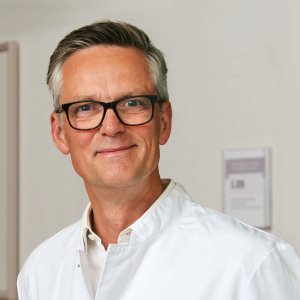
Wolfgang Schröder
Compartir contenido
Historias en video de pacientes de Bookimed
 Olena Sikoza
Preguntas frecuentes sobre el tratamiento de Quiste pancreático en Alemania
¿Requieren todos los quistes pancreáticos cirugía inmediata?
La mayoría de los quistes pancreáticos son benignos y no requieren cirugía inmediata. Los médicos recomiendan la intervención solo ante características de alto riesgo, como nódulos sólidos o dilatación de los conductos. Los centros alemanes especializados se centran en la vigilancia activa mediante resonancia magnética o ultrasonido endoscópico para monitorear cambios y evitar procedimientos complejos innecesarios.
- Observación vigilante: Monitoreo de quistes de bajo riesgo mediante imágenes cada 6 a 24 meses.
- Indicadores de alto riesgo: Se considera la cirugía para quistes de más de 3 centímetros o con componentes sólidos.
- Resección quirúrgica: Procedimientos como la cirugía de Whipple se reservan solo para quistes precancerosos o sintomáticos.
- Drenaje endoscópico: Esta opción mínimamente invasiva trata quistes grandes y dolorosos, pero no cancerosos.
Perspectiva del experto de Bookimed: Nuestros datos muestran que clínicas alemanas como el Complejo Clínico de Renania del Norte-Westfalia atienden a más de 145,000 pacientes al año. Estos centros de alto volumen suelen utilizar comités multidisciplinarios para evitar el sobretratamiento. Especialistas como el Prof. Dr. Peter Schenker en el Hospital Municipal de Solingen coordinan centros dedicados al cáncer de páncreas. Estos centros priorizan la robótica mínimamente invasiva para reducir
¿Cómo deciden las clínicas alemanas qué quistes tienen un alto riesgo de cáncer?
Las clínicas alemanas identifican los quistes pancreáticos de alto riesgo utilizando la directriz S3 y marcos europeos basados en evidencia. Los especialistas priorizan indicadores absolutos como ictericia obstructiva, masas sólidas o dilatación del conducto principal superior a 10 mm. El diagnóstico en varias etapas, que incluye resonancia magnética con contraste y ultrasonido endoscópico, garantiza que la cirugía se realice solo en lesiones precancerosas.
- Indicadores absolutos: Los nódulos murales que superan los 5 mm o una citología positiva requieren extirpación quirúrgica.
- Riesgos relativos: Un crecimiento superior a 5 mm al año o una elevación del CA 19-9 sugieren malignidad.
- Precisión diagnóstica: El ultrasonido endoscópico con aspiración con aguja fina identifica los quistes mucinosos a partir del líquido.
- Comités de tumores: Equipos multidisciplinarios en centros certificados debaten los casos para evitar procedimientos innecesarios.
Perspectiva de expertos de Bookimed: Los datos del complejo clínico de Renania del Norte-Westfalia y Solingen muestran un cambio hacia la centralización. Los centros altamente especializados ahora utilizan coordinadores como el Dr. Peter Schenker para gestionar las certificaciones de los centros de cáncer de páncreas. Esto garantiza que incluso los quistes pequeños reciban una segunda revisión radi
¿Qué herramientas de diagnóstico se utilizan habitualmente en Alemania para evaluar los quistes pancreáticos?
Los médicos alemanes evalúan los quistes pancreáticos utilizando un marco multimodal estandarizado. El diagnóstico prioriza las imágenes de alta resolución, como la colangiopancreatografía por resonancia magnética (CPRM) y las tomografías computarizadas (TC) con contraste. Estas herramientas distinguen entre líquido benigno y neoplasias potencialmente malignas. Los especialistas suelen utilizar la ecoendoscopia (USE) para obtener muestras de tejido detalladas.
- Estándares de imagen: La RM con CPRM mapea con precisión la arquitectura del quiste y la comunicación con el conducto pancreático.
- Ecoendoscopia: La USE proporciona vistas de alta definición de paredes engrosadas o nódulos murales.
- Aspiración con aguja fina: El muestreo guiado por USE recolecta líquido para citología y análisis bioquímicos de glucosa y amilasa.
- Marcadores bioquímicos: Los laboratorios miden los niveles de antígeno carcinoembrionario (CEA) para identificar tumores mucinosos.
Perspectiva del experto de Bookimed: Las clínicas alemanas como Nordwest y Nordrhein-Westfalen Complex gestionan volúmenes masivos de pacientes, alcanzando los 145.000 anuales. Este alto rendimiento garantiza la precisión diagnóstica. Por ejemplo, especialistas como el Dr. Viktor Alexander Krol en el St. Martinus-Krankenhaus se centran específicamente en las enfermedades pancreáticas. Su experi
¿Por qué es importante el volumen hospitalario para la cirugía de páncreas y qué ofrece Alemania?
Un alto volumen hospitalario en Alemania garantiza una menor mortalidad y menos complicaciones en la cirugía de páncreas. La ley alemana exige al menos 20 procedimientos anuales por centro para mantener la acreditación. Los centros especializados utilizan equipos multidisciplinarios para gestionar resecciones complejas con resultados más seguros y tiempos de recuperación más cortos.
- Leyes de volumen mínimo: Los hospitales deben realizar 20 cirugías pancreáticas al año para recibir el reembolso del seguro.
- Certificación especializada: La Sociedad Alemana del Cáncer (DKG) certifica a los centros que demuestran un éxito quirúrgico superior.
- Equipos multidisciplinarios: Los centros de alto volumen cuentan con comités de tumores dedicados para la revisión conjunta de radiología y patología.
- Tecnología avanzada: Los centros alemanes como el Complejo Clínico de Renania del Norte-Westfalia utilizan robótica para procedimientos mínimamente invasivos.
Perspectiva del experto de Bookimed: La centralización en Alemania significa que las clínicas pequeñas quedan legalmente fuera de la atención pancreática compleja. Las grandes redes académicas como el Complejo Clínico de Renania del Norte-Westfalia tratan a 145.000 pacientes al año. Este volumen masivo permite a cirujanos como el Prof. Dr. Peter Schenker especializarse estrictamente en oncología vis
¿Qué procedimientos quirúrgicos se realizan para los quistes pancreáticos en Alemania?
Los cirujanos alemanes realizan resecciones de quistes pancreáticos según la ubicación y el riesgo de malignidad. Los procedimientos principales incluyen el procedimiento de Whipple para quistes ubicados en la cabeza y pancreatectomías distales para lesiones en la cola. Los especialistas utilizan técnicas de preservación del parénquima y sistemas robóticos para preservar la función orgánica y garantizar tiempos de recuperación más rápidos para los pacientes.
- Procedimiento de Whipple: Elimina la cabeza del páncreas, el duodeno y la vesícula biliar en caso de quistes sospechosos.
- Pancreatectomía distal: Se dirige a quistes en el cuerpo o la cola, a menudo utilizando métodos laparoscópicos.
- Pancreatectomía central: Preserva el tejido sano al eliminar solo el segmento pancreático medio.
- Enucleación: Implica extraer quistes pequeños de bajo riesgo dejando el órgano intacto.
Perspectiva del experto de Bookimed: Los centros quirúrgicos alemanes a menudo priorizan variantes del procedimiento de Whipple que preservan el píloro para mejorar la digestión postoperatoria. Los datos muestran que hospitales como el Complejo Clínico de Renania del Norte-Westfalia y la Clínica Nordwest operan dentro de redes certificadas. Estos centros utilizan equipos multidisciplinarios para decidir entre la resección total y las técnicas de preservación de órganos. E
¿Qué efectos secundarios a largo plazo pueden ocurrir después de una resección pancreática?
Los efectos secundarios a largo plazo después de una resección pancreática incluyen deficiencia de enzimas digestivas y cambios metabólicos crónicos. Los pacientes a menudo desarrollan insuficiencia pancreática exocrina, lo que requiere una terapia de reemplazo enzimático de por vida. Muchos también enfrentan diabetes de nueva aparición o deficiencias nutricionales. Los centros alemanes como el Complejo Clínico de Renania del Norte-Westfalia gestionan estos efectos a través de atención oncológica y gastroenterológica multidisciplinaria.
- Insuficiencia digestiva: La falta de enzimas causa heces grasas, hinchazón y urgencia para defecar.
- Cambios metabólicos: La producción reducida de insulina puede conducir a una diabetes tipo 3c permanente e insulinodependiente.
- Malabsorción de nutrientes: Las deficiencias de vitaminas A, D, E y K requieren un control regular.
- Problemas estructurales: El tejido cicatricial puede causar estrechamiento de los conductos biliares o hernias incisionales años después.
Perspectiva del experto de Bookimed: Los centros académicos alemanes se especializan en algo más que la cirugía. El profesor Dr. Peter Schenker y los equipos de centros especializados enfatizan la titulación temprana de enzimas sobre la dosificación fija. Los datos de más de 80 clínicas alemanas muestran que el éxito no es solo sobrevivir al proce
Si mi quiste está bajo vigilancia en lugar de ser extirpado, ¿qué calendario sigue una clínica alemana?
Las clínicas alemanas siguen estrictas directrices S3 y normativas europeas para la vigilancia de quistes pancreáticos. Los quistes de bajo riesgo menores de 3 cm suelen requerir una colangiopancreatografía por resonancia magnética (CPRM) o una ecografía endoscópica cada 6 meses inicialmente. Si se mantienen estables, el calendario pasa a un seguimiento anual o bienal. Los quistes más grandes o aquellos con nódulos pueden requerir una evaluación quirúrgica.
- Monitoreo inicial: Los primeros escaneos de seguimiento suelen ocurrir a los 3–6 meses para evaluar la estabilidad.
- Imagenología estándar: La colangiopancreatografía por resonancia magnética (CPRM) es la herramienta principal para el monitoreo pancreático.
- Ecografía endoscópica: Los médicos añaden una ecografía endoscópica si las imágenes muestran nódulos murales o paredes engrosadas.
- Umbral quirúrgico: La cirugía a menudo se considera si los quistes superan los 4 cm o muestran crecimiento.
Perspectiva del experto de Bookimed: Los centros médicos alemanes como el Complejo Clínico de Renania del Norte-Westfalia o la Clínica Nordwest ofrecen una revisión multidisciplinaria de alto nivel. Los datos muestran que las clínicas con certificación de la Sociedad Alemana del Cáncer utilizan coordinadores especializados como el Dr. Peter Schenker. Estos expertos priorizan la vigilancia a largo
¿Qué hospitales en Alemania tienen las calificaciones más altas en neurocirugía?
Alemania alberga algunos de los departamentos de neurocirugía más prestigiosos del mundo, liderados por la Charité – Universitätsmedizin Berlin y el Hospital Universitario de Heidelberg. Estos centros destacan en el tratamiento de tumores cerebrales complejos y enfermedades cerebrovasculares. Para maximizar la eficacia de sus procedimientos, utilizan tecnologías de vanguardia como la resonancia magnética intraoperatoria y la neuronavegación asistida por computadora.
- Charité Berlín: Realiza más de 5000 cirugías al año. La clínica está dirigida por el reconocido neurocirujano Dr. Peter Vaikoczy.
- Centro Médico Solingen: El Dr. Ralf Buhl ha realizado más de 4.000 cirugías, incluidas cirugías de columna mínimamente invasivas.
- Clínica Asklepios Nord: equipada con el único sistema de resonancia magnética intraoperatoria bilateral de Alemania para garantizar precisión quirúrgica en tiempo real durante la extirpación del tumor.
- Clínica Nordwest: reconocida por la revista Newsweek como un hospital líder por su innovación en tecnología de ultrasonido 3D.
Opinión experta de Bookimed: Los datos muestran que elegir centros con un alto volumen quirúrgico suele llevar a recomendaciones de tratamiento más conservadoras. En el Centro Médico Solingen, que atiende a más de 60.000 pacientes al año, los cirujanos suelen sugerir fisioterapia en lugar de cirugía
¿Cuáles son las tasas de éxito de los procedimientos neuroquirúrgicos complejos en Alemania?
En Alemania, los procedimientos neuroquirúrgicos de alta complejidad demuestran una seguridad excepcional. Las tasas de éxito en las fusiones espinales alcanzan el 99 %. La tasa de supervivencia en las resecciones de tumores cerebrales primarios es del 97 %. La independencia funcional es alta. Más del 82 % de los pacientes reciben el alta inmediatamente después del tratamiento. Los centros alemanes priorizan la preservación de la función neurológica mediante técnicas modernas de mapeo.
- Resección de tumores: los cirujanos logran una resección tumoral completa en el 87,2% de los casos de metástasis cerebrales.
- Éxito en el tratamiento de enfermedades vasculares: los hospitales alemanes informan de una tasa de supervivencia del 98,7% para aneurismas no rotos.
- Mejora del estado neurológico: casi el 43% de los pacientes experimentan una mejora de los parámetros funcionales después de resecciones complejas.
- Seguridad de las intervenciones quirúrgicas: En grandes centros quirúrgicos, las tasas de supervivencia de los pacientes después de la cirugía de columna son del 98-99%.
Opinión experta de Bookimed: Cirujanos experimentados como el Dr. Uwe Köhler, de la Clínica Asklepios Altona, realizan más de 2000 cirugías al año. Los datos muestran que estos especialistas mantienen tasas de éxito de hasta el 90 %, incluso en los tumores cerebrales más comp
¿Qué tecnologías avanzadas suelen estar disponibles en las clínicas neuroquirúrgicas alemanas?
Las clínicas neuroquirúrgicas alemanas incorporan regularmente instrumentos digitales de alta precisión y visualización en tiempo real a la práctica quirúrgica. Entre las tecnologías clave se encuentra la neuronavegación computarizada para cirugías de cerebro y médula espinal. Instituciones como la Clínica Asklepios Nord utilizan la resonancia magnética intraoperatoria para verificar la extirpación de tumores en tiempo real. Estos sistemas proporcionan a los cirujanos navegación GPS 3D.
- Neuronavegación: proporciona visualización 3D y seguimiento de instrumentos en tiempo real para lograr precisión quirúrgica hasta el nivel submilimétrico.
- Imágenes intraoperatorias: sistemas como iMRI y O-arm CT permiten la confirmación inmediata de una resección exitosa.
- Neuromonitorización: Monitorea las funciones motoras y sensoriales durante la cirugía para proteger el sistema nervioso.
- Diagnóstico de fluorescencia: se utiliza el colorante 5-ALA para resaltar los bordes del tumor para una eliminación más completa.
- Asistencia robótica: Sistemas como el Da Vinci mejoran la precisión en procedimientos complejos y mínimamente invasivos.
Opinión experta de Bookimed: Grandes centros como la Charité – Universitätsmedizin de Berlín realizan más de 4000 procedimientos neuroquirúrgicos al año, lo que crea un entorno rico en datos para p